The Japanese countryside is not what most visitors expect. It is not a single landscape but dozens: terraced rice paddies climbing mountain sides, thatched-roof villages in deep snow valleys, fishing harbors where the catch goes from boat to plate in hours, sake-brewery towns where the water is so pure that the industry has survived for centuries. The countryside is where Japan's food comes from, where its craft traditions persist, and where the relationship between architecture and landscape reaches its most refined expression.
This guide covers the best regions for countryside stays, the types of accommodation available, and practical advice for planning a trip beyond the cities.
Why Stay in the Japanese Countryside
Three reasons. First, the food. Japanese cuisine is inherently seasonal and local, and in the countryside you eat ingredients at their source: rice from the paddies you can see from your window, fish from the harbor below the ryokan, mountain vegetables foraged that morning. A countryside kaiseki dinner often surpasses what Tokyo restaurants produce with imported ingredients.
Second, the architecture. Japan's most remarkable buildings are often in rural areas: 300-year-old thatched farmhouses, cedar-lined shrine approaches, sake breweries with earth-walled kura storehouses, Meiji-era post offices turned cafes. These structures survive because the countryside changes slowly.
Third, the pace. Japanese cities are efficient and stimulating but exhausting. A few nights in the countryside, where the rhythm is set by seasons and mealtimes rather than train schedules, transforms a trip from a highlight reel into an experience you actually absorb.
Best Countryside Regions
Niigata and Snow Country
The mountains of Niigata receive the heaviest snowfall of any inhabited region on Earth. This snow shapes everything: the architecture (steep roofs, elevated foundations), the cuisine (preserved foods, sake from snow-melt water), and the character of the people. In summer, the same mountains produce Japan's finest rice and exceptional vegetables.
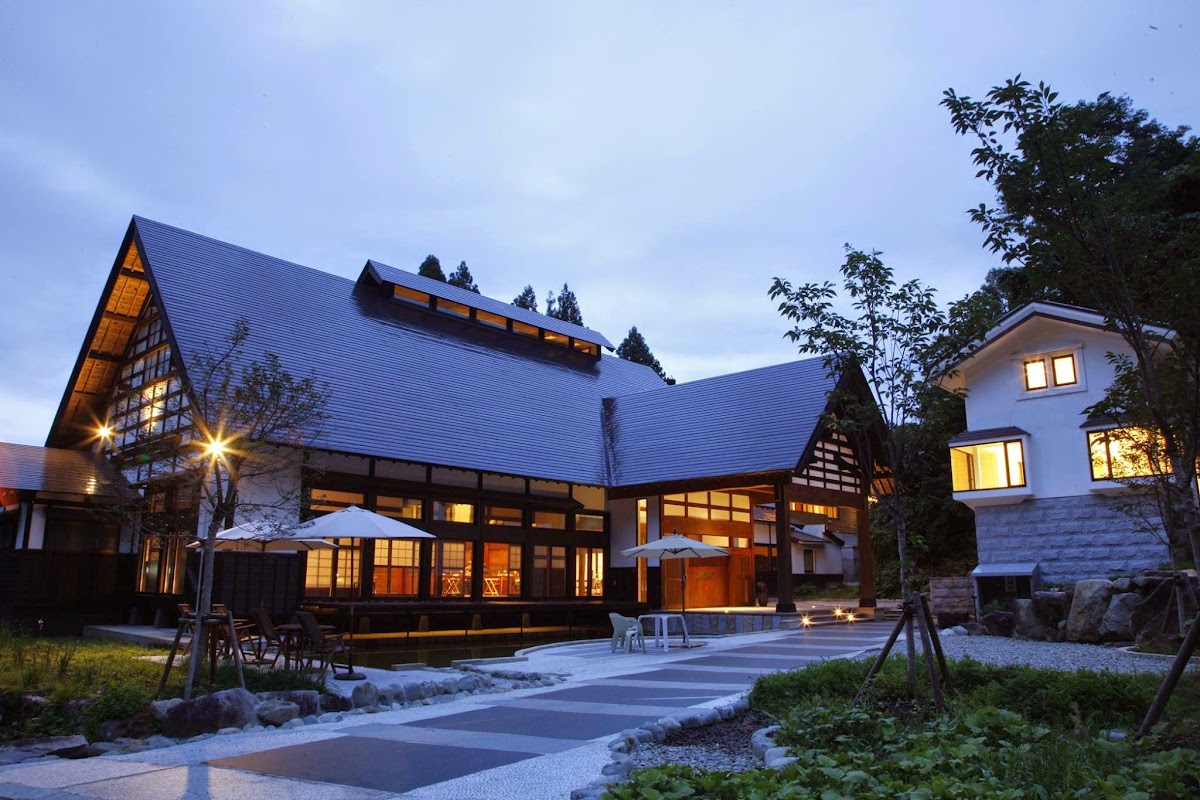
A 150-year-old building reimagined as a design hotel with contemporary art, facing terraced rice paddies and mountains. Michelin 1 Key. The restaurant serves rice grown in view of the dining room and vegetables from nearby farms. In winter, snow buries the landscape in silence.
A refurbished manor-house complex in deep snow country connected to the Echigo-Tsumari Art Field. The property preserves the architectural heritage of a wealthy mountain family while integrating contemporary art from one of Japan's most important rural art festivals.
Hida-Takayama and the Mountain Interior
The mountain interior of Gifu Prefecture preserves Japan's most traditional countryside architecture. Takayama's morning markets, Hida beef served over irori hearths, and the UNESCO World Heritage farmhouses of Shirakawa-go and Gokayama create a landscape that has resisted modernization more successfully than almost anywhere else in Japan.
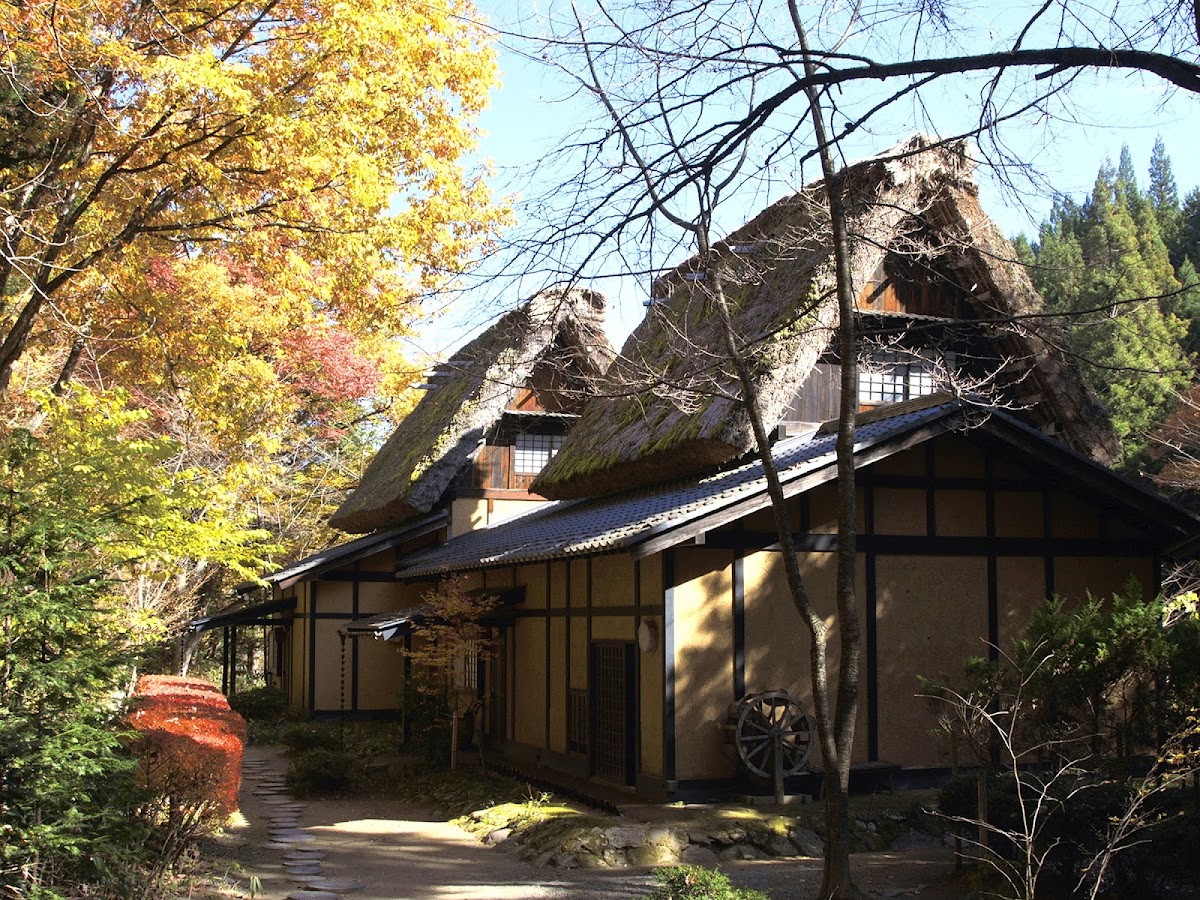
A 170-year-old thatched farmhouse where meals are cooked over an irori hearth and Hida beef is the centerpiece. The gassho-zukuri architecture is a living demonstration of how mountain communities adapted to extreme snowfall over centuries.
Traditional inn on Takayama's Sanmachi street district with Hida beef kaiseki and mountain vegetable cuisine. The morning market a few steps away is one of Japan's most atmospheric food shopping experiences.
The Nakasendo Trail Towns
The old highway between Edo (Tokyo) and Kyoto passed through mountain post towns that served travelers for centuries. Several of these towns survive almost intact, and staying in them is staying in Edo-period Japan.
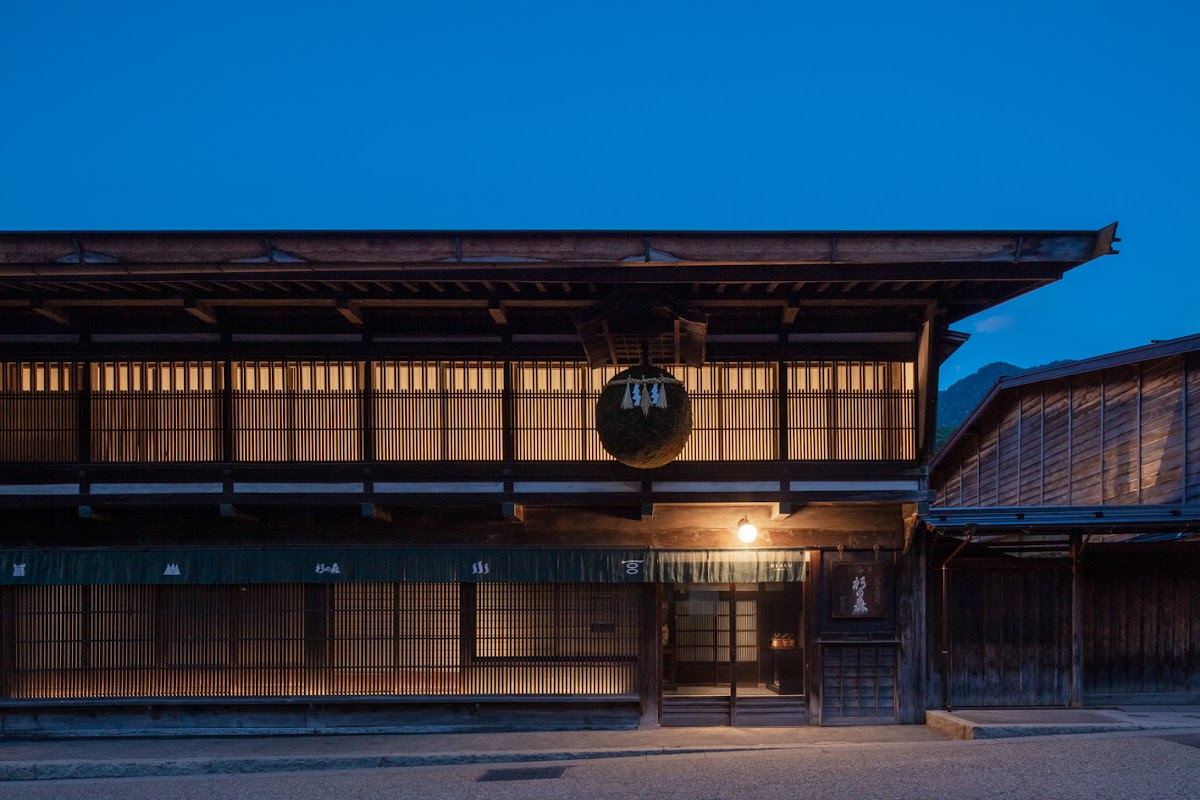
A boutique hotel preserving 400 years of post-town history in Narai, which was once the busiest stop on the Nakasendo. The wooden buildings line a single street that follows the original highway, and you can walk the historic trail in both directions from the hotel.
Traditional inn in Tsumago, a perfectly preserved Edo post town. The walk between Tsumago and the neighboring post town of Magome through cedar forest is one of Japan's finest short hikes, and arriving on foot is the ideal way to experience this stay.
Kyoto's Rural North
Most visitors do not realize that Kyoto Prefecture extends far north of the city into mountains, river valleys, and the Japan Sea coast. The rural north preserves a completely different Kyoto: thatched villages, wild-food foraging, and riverside ryokan.
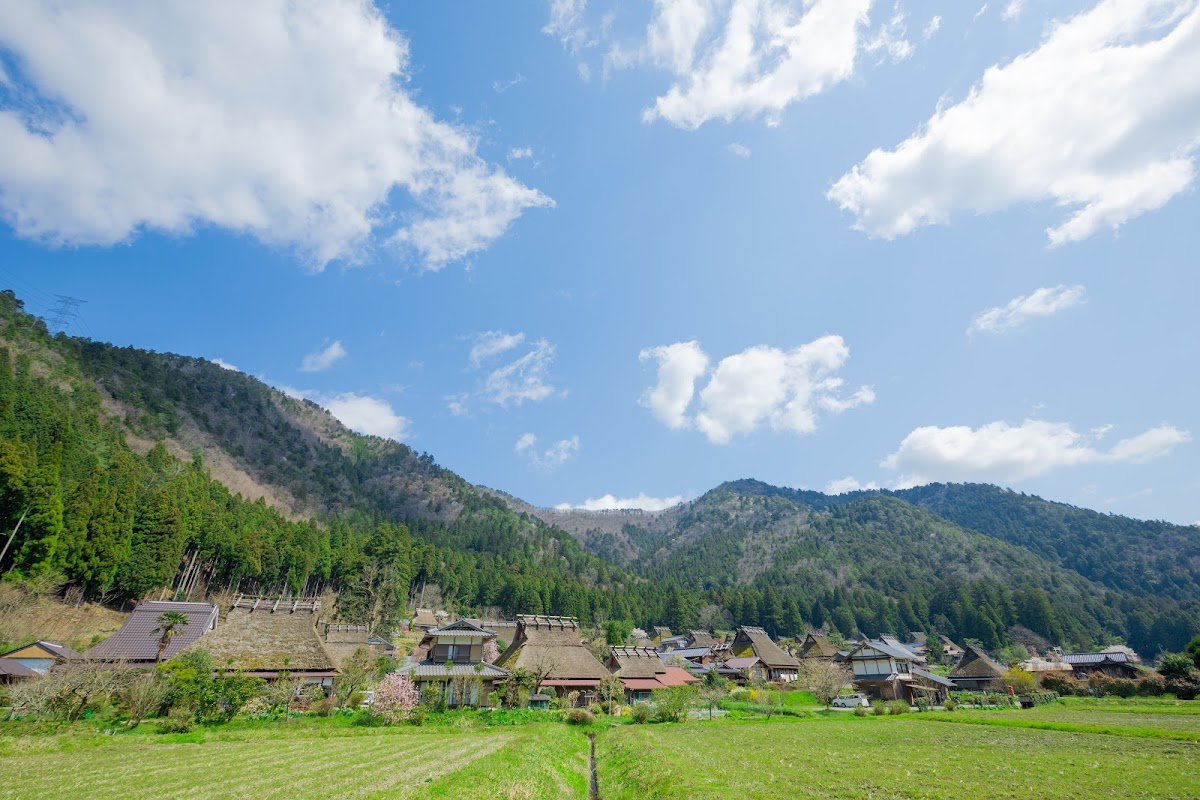
Thatched-roof farmhouse village in Kyoto's remote Miyama mountain valley. Fewer visitors than Shirakawa-go, with the same architectural heritage and a surrounding landscape of rice paddies and forested mountains.
Shonai Plain and Dewa Sanzan
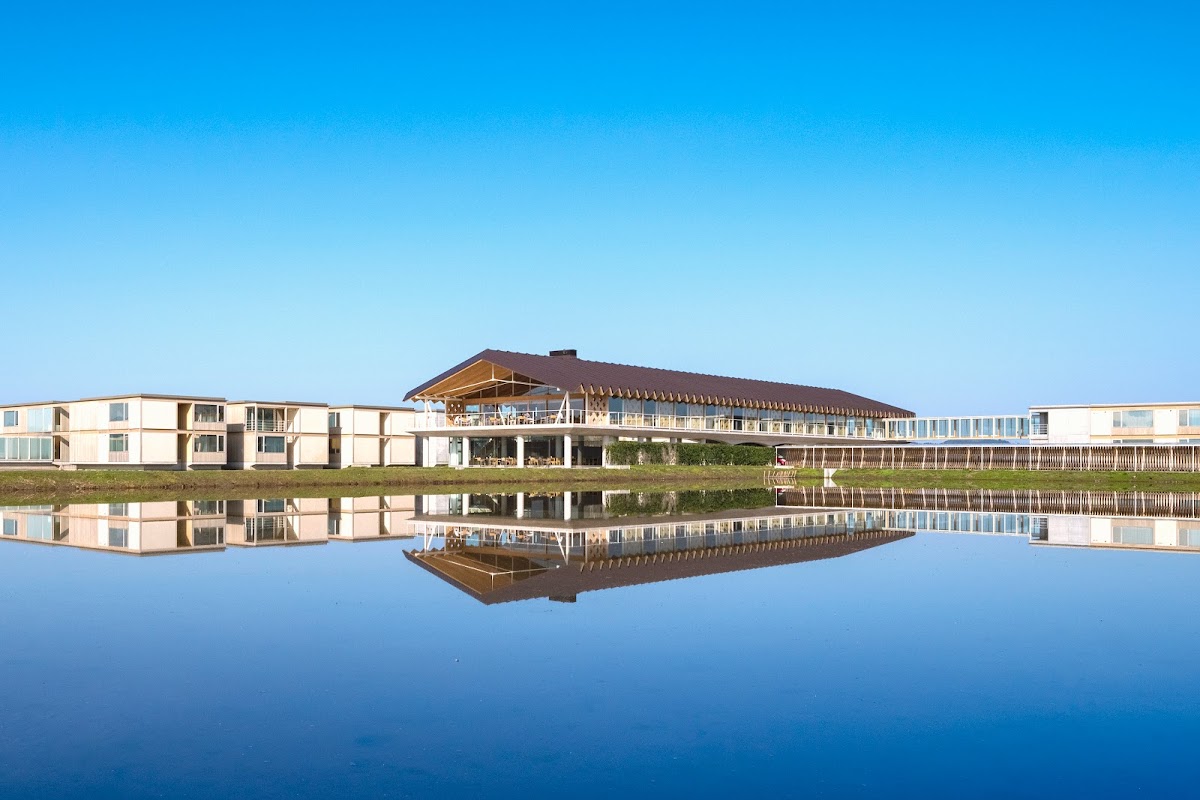
Shigeru Ban's hotel floating above rice paddies facing the sacred Dewa Sanzan mountains. The Shonai Plain is Japan's rice heartland, and this hotel lets you experience the agricultural landscape from a world-class architectural setting.
Seto Inland Sea and Castle Towns
The sheltered Seto Inland Sea coast and its islands preserve a gentler version of Japanese countryside: citrus groves, fishing villages, castle towns, and art islands. The distributed hotel concept, where a town itself becomes the hotel with rooms in renovated historic buildings, has flourished here.
A 140-year-old merchant residence reimagined by Aman founder Adrian Zecha on the Shimanami Kaido cycling route. The Seto Inland Sea provides the seafood, Setoda's lemon groves provide the citrus, and the building itself provides 140 years of merchant heritage.
Renovated castle town buildings creating a village-hotel concept in rural Hyogo. Your room might be in a former samurai residence, your dinner in a converted sake brewery, and your morning walk takes you through a castle moat and bean fields.
Shikoku's Hidden Valleys
Japan's smallest main island has its deepest valleys. The Iya Valley in Tokushima cuts through the island with gorges rivaling the Grand Canyon in depth, if not width. The 88 Temple Pilgrimage winds around the entire island, and the accommodation along it ranges from rustic to refined.
Cliffside ryokan above the Iya River gorge with vine bridge views and wild boar cuisine. The Iya Valley was historically so inaccessible that defeated Heike samurai used it as a hiding place, and the sense of seclusion remains.
Types of Countryside Accommodation
Farmhouse Stays (Kominka)
Renovated traditional farmhouses, often with thatched roofs, irori hearths, and thick wooden beams. Properties like Wanosato Hida and Kayabuki no Sato preserve buildings that would otherwise disappear, turning architectural heritage into living accommodation. Expect tatami rooms, local cuisine, and wood fires.
Distributed Hotels (NIPPONIA)
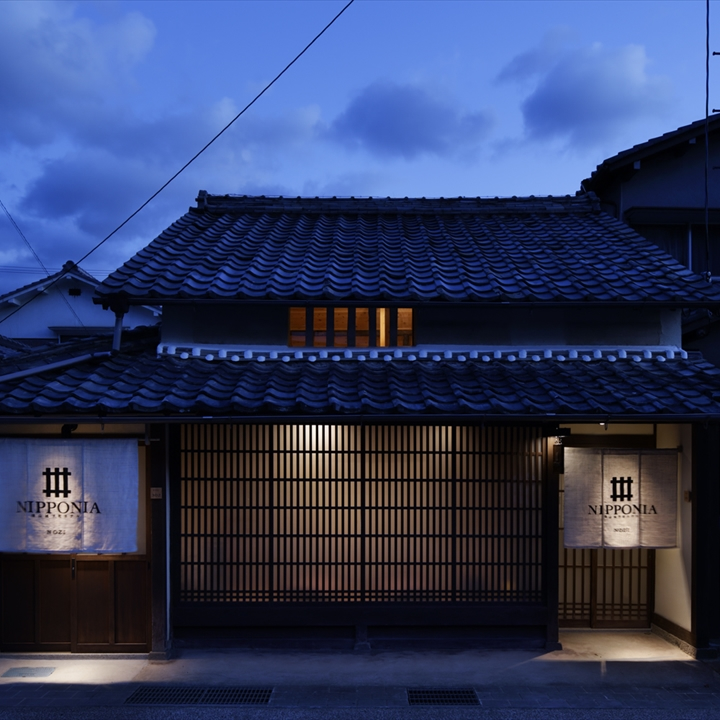
The NIPPONIA concept converts multiple buildings in a historic town into hotel rooms, with the town itself as the lobby. Nipponia Sasayama, Nipponia Sado, and Nipponia Nara Naramachi all follow this model, which simultaneously preserves heritage buildings and revitalizes declining rural economies.
Mountain Onsen Ryokan
Japan's mountain countryside is dotted with hot spring villages where bathing has been the center of community life for centuries. Properties from grand resorts to intimate family-run inns cluster around natural spring sources. See our hidden onsen guide for the best remote options.
Design Hotels in Rural Settings
A newer category that brings contemporary architecture and art to the countryside. Satoyama Jujo, Suiden Terrasse, and Shiroiya Hotel prove that rural does not mean rustic. These properties attract design-conscious travelers who want nature and culture simultaneously.
Practical Tips for Countryside Travel
Transportation
Rent a car. It is the single most important piece of advice for countryside Japan. Regional trains reach many areas but run infrequently, and the most rewarding properties are often 30-60 minutes from the nearest station. Driving in rural Japan is pleasant: roads are well-maintained, traffic is light, and GPS navigation (available in English at all major rental agencies) makes navigation straightforward.
Language
English is limited in rural areas, but this is less of a barrier than you might expect. Translation apps handle restaurant menus and basic communication. Most ryokan provide written instructions for bathing and meal times. The universal language of pointing, smiling, and bowing goes a long way.
Cash
Carry cash. While cities have gone increasingly cashless, rural shops, restaurants, and even some smaller ryokan still prefer cash. Convenience store ATMs (7-Eleven, Lawson) accept international cards and are found even in small towns.
Seasonal Planning
The Japanese countryside transforms completely with the seasons. Rice paddies are flooded mirrors in May, green oceans in August, golden in October, and snow-covered abstractions in January. Plan your trip around the season you most want to experience, and check our seasonal guides for autumn foliage and winter stays.
Frequently Asked Questions
For farmhouses, try Hida-Takayama or Gokayama. For rice paddy scenery, the Shonai Plain or Echigo-Tsumari. For coastal countryside, the Seto Inland Sea islands. For mountain villages, the Kiso Valley along the Nakasendo trail. Browse all options on our property map.
A rental car is the most practical option. Regional JR lines reach many areas but service can be infrequent. Some properties offer shuttle service from the nearest station. Cycling is excellent in flat areas like the Shimanami Kaido.
Extremely safe. Japan's countryside has among the lowest crime rates in the world. Solo travelers, including women, regularly explore rural Japan without incident. The challenges are practical (limited English, infrequent transport) rather than safety-related.
For more rural Japan guides, see our articles on off-the-beaten-path hotels, nature retreats, and art and design hotels in natural settings. Browse all countryside properties on our interactive map.