Japan in winter is a different country from the cherry-blossom spring that dominates tourist brochures. The mountains of Tohoku and Hokkaido receive some of the heaviest snowfall on Earth, thanks to cold Siberian air masses picking up moisture over the Sea of Japan and depositing it as powder on the mountainous western coastline. This creates landscapes of surreal beauty: onsen baths framed by snow-laden trees, entire villages buried to their second floors, mountain roads transformed into corridors of ice.
For the traveler willing to pack warm, winter offers Japan's most dramatic accommodation experiences. The contrast between freezing air and steaming onsen water, the silence of deep snow, the warming power of nabe hot pot and sake by an irori fire, these sensory experiences are impossible to replicate in any other season.
Snow Country: Tohoku and Niigata
The western mountains of Tohoku and Niigata define Japan's snow country. Snowfall depths of 2-4 meters are normal, and some towns measure their winters in the number of times roofs must be cleared. The onsen ryokan here were built to withstand this snow, and they transform into their most beautiful versions when winter arrives.
Ginzan Onsen (Yamagata)
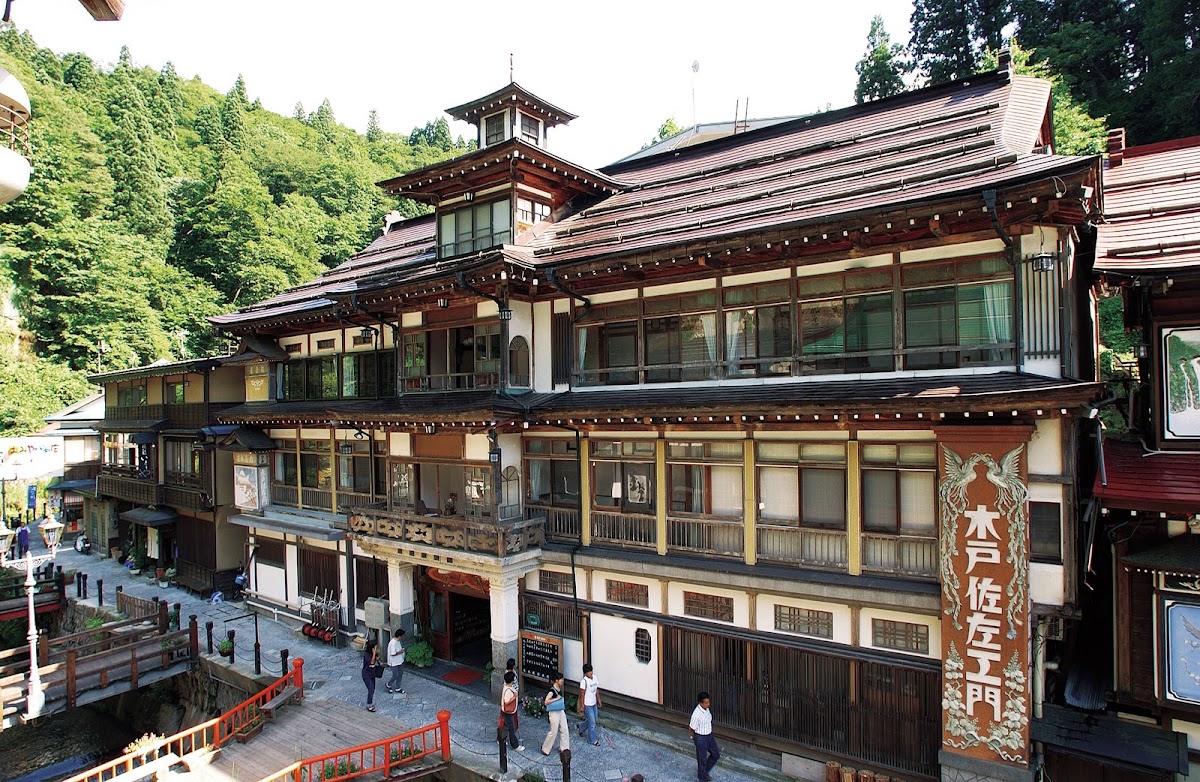
Taisho-era wooden ryokan in the most photogenic onsen town in Japan. In winter, gas lamps illuminate the narrow gorge as snow falls on century-old buildings reflected in the hot spring river. The scene reportedly inspired the bathhouse in Miyazaki's Spirited Away.
Fujiya Ryokan, also in Ginzan Onsen, offers a Kengo Kuma-renovated take on the same magical winter setting, with a bamboo lattice facade that glows warmly against the snow.
Nyuto Onsen (Akita)
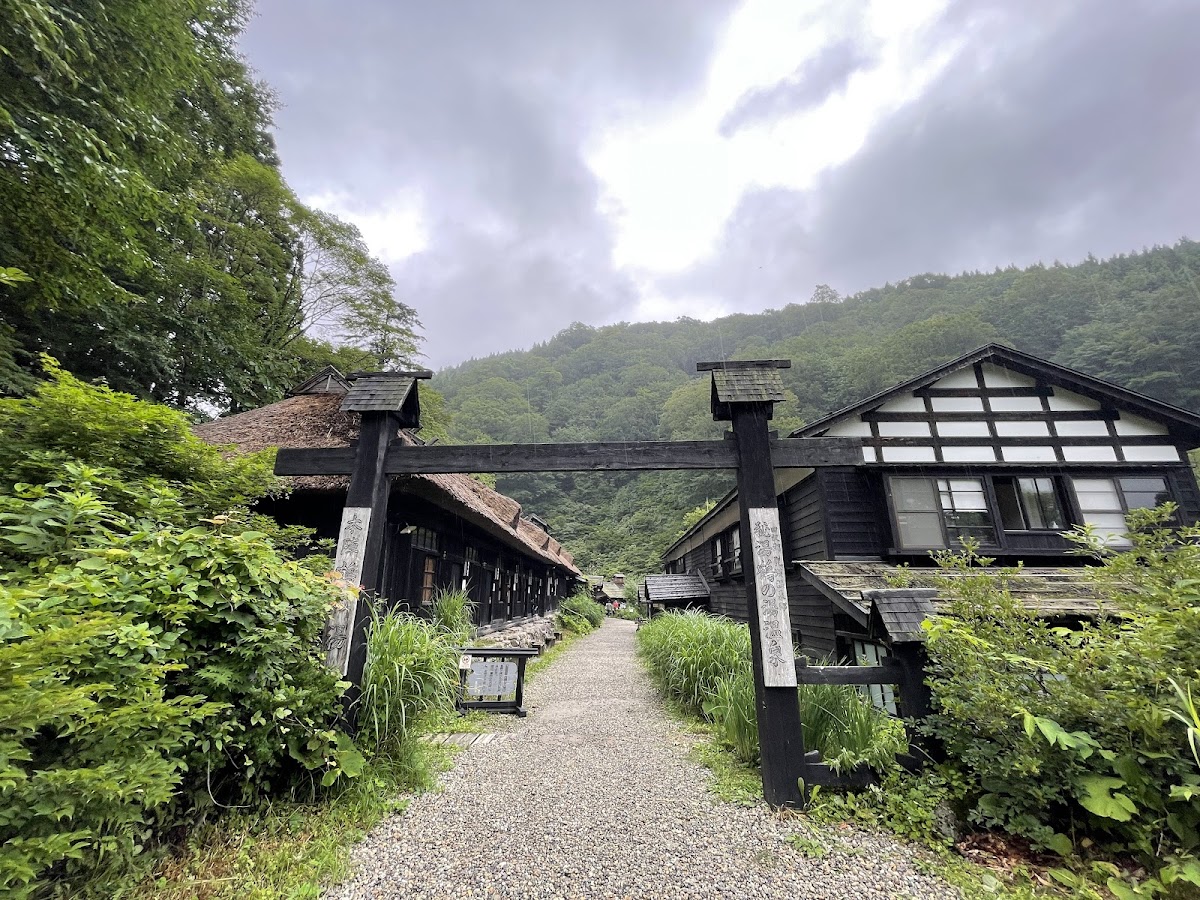
The milky white outdoor bath beneath thatched-roof buildings and 2-meter snow walls is winter Japan's most iconic image. Lanterns light the path to the baths. Irori hearths warm the dining rooms. In deep winter, the only sounds are steam and the occasional soft collapse of snow from a branch.
Niigata Snow Country
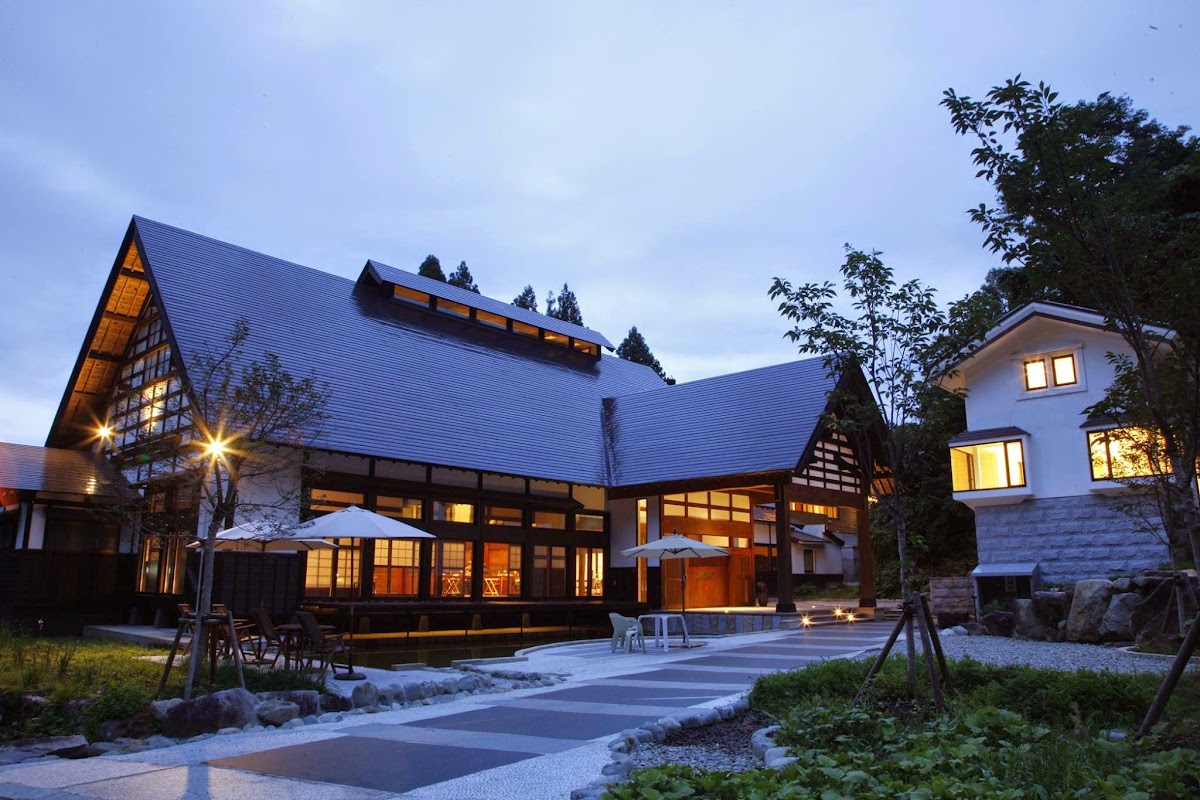
In winter, the terraced rice paddies and mountains visible from every room disappear under meters of snow, creating a white minimalist landscape that perfectly complements the property's contemporary art and 150-year-old architecture. Michelin 1 Key.
Nearby, Ryugon offers a manor-house experience in the same deep snow country, and Hatago Isen in Echigo-Yuzawa curates local sake and rice culture against a snow country backdrop.
Zao Onsen (Miyagi/Yamagata)
Forest resort at the foot of Mt. Zao with natural onsen. Zao is famous for its juhyo, "snow monsters" formed when supercooled fog encases trees in ice, creating surreal frozen sculptures visible from the mountain ropeway. The natural onsen here draws from the same volcanic activity that creates this phenomenon.
Hokkaido: Powder and Hot Springs
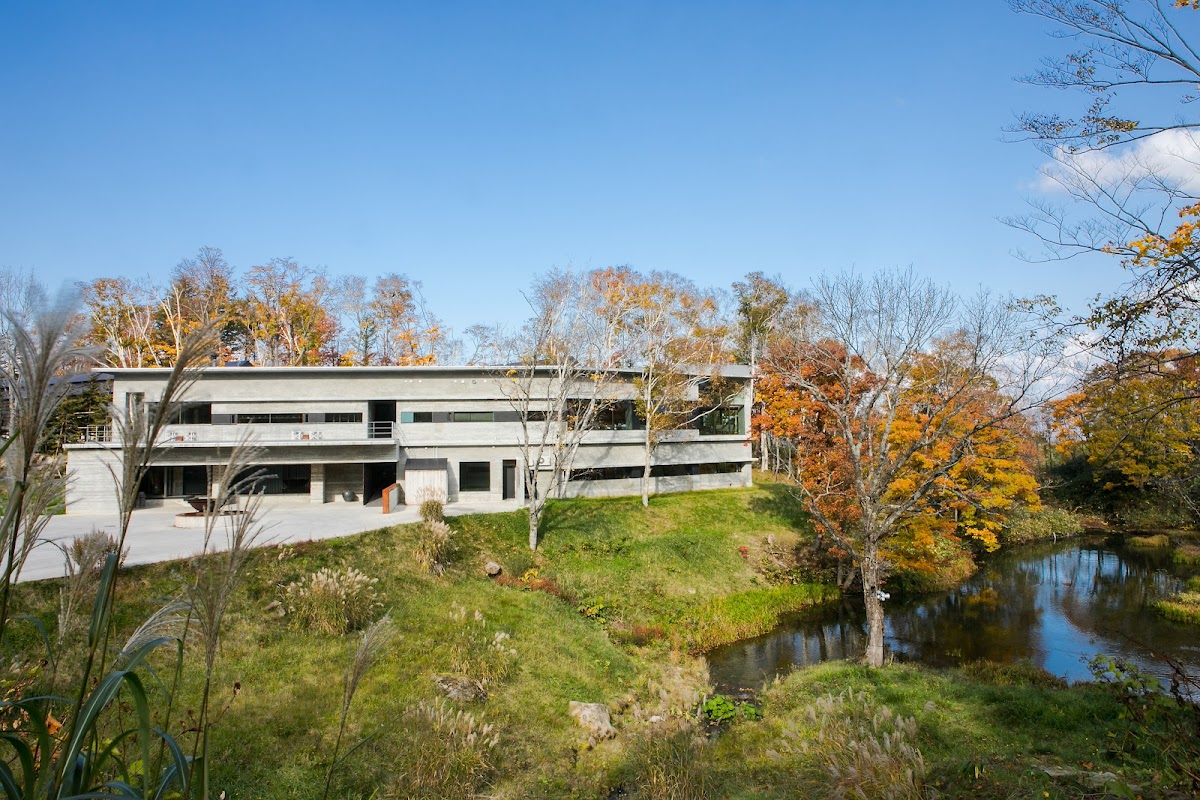
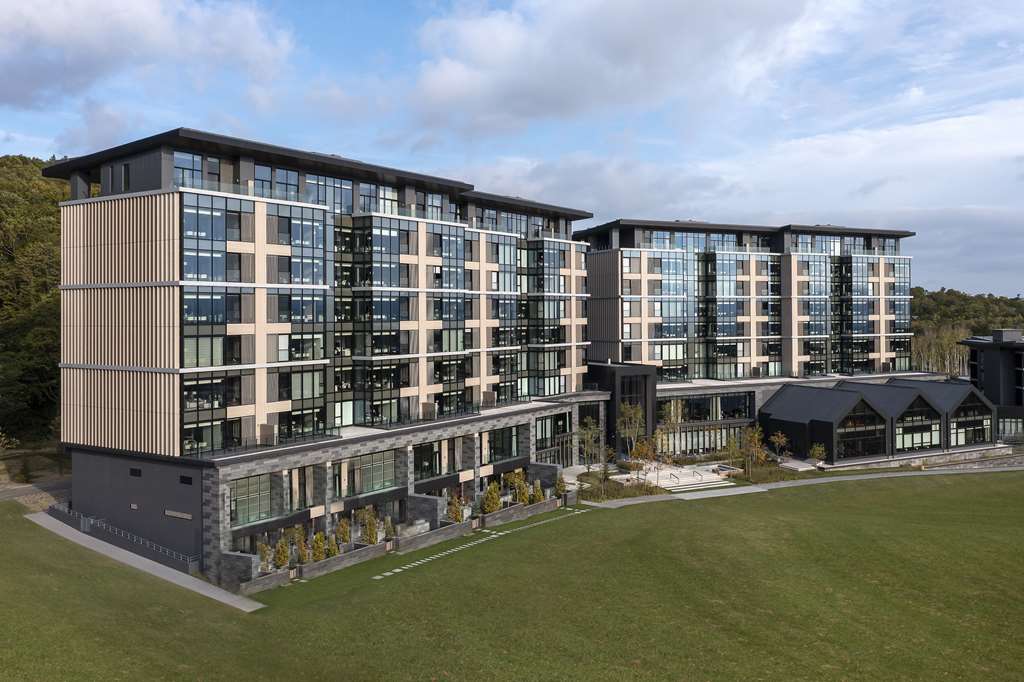
In winter, Zaborin's birch forest becomes a snow-and-ice sculpture garden visible from your private outdoor onsen. Niseko receives some of the lightest powder snow on Earth, and the skiing is world-class, but the experience of returning to your villa, soaking in your private outdoor bath while snow falls silently on the forest, may be even better than the slopes.
Luxury alpine resort with panoramic Mt. Yotei views and natural onsen. The Park Hyatt brings international hotel standards to Niseko's powder paradise, with ski-in convenience and an onsen spa that draws on the area's volcanic hot spring sources.
For a more intimate Hokkaido winter experience, Andaru Collection Niseko limits its birch-forest estate to six groups per day, and Tsuruga Besso Moku no Sho offers private forest onsen in deep snow.
Hokkaido Beyond Niseko
Kitakobushi Shiretoko on the Shiretoko Peninsula offers one of winter Japan's most extraordinary natural spectacles: drift ice that packs against the coast from January to March, visible from the hotel's onsen. Akan Tsuruga Besso Hinanoza sits on frozen Lake Akan where red-crowned cranes dance in the snow, a scene unique to Hokkaido's winter.
Japanese Alps: Mountain Atmosphere
Hakuba (Nagano)
Alpine lodge with natural alkaline onsen at the foot of Hakuba's legendary ski slopes. The Northern Alps backdrop and the combination of world-class skiing with genuine Japanese onsen bathing make Hakuba a compelling alternative to Niseko.
Nozawa Onsen (Nagano)
Traditional ryokan in one of Japan's most atmospheric ski villages. Nozawa's 13 free public baths are scattered through narrow streets that fill with steam in the cold air. The village feeling here is authentic in a way that purpose-built ski resorts cannot match.
Snow Monkeys (Nagano)
The only accommodation at the famous snow monkey hot spring. Japanese macaques bathe in the onsen outside your window while snow falls around them. The experience of sharing a hot spring landscape with wild primates is available nowhere else on Earth.
Milder Winter: Western Japan
Not everyone wants Arctic conditions. Western Japan offers winter onsen atmosphere without extreme cold:
Kurokawa gets light snow that dusts the thatched roofs and forest baths without burying the village. The rotemburo-meguri bath-hopping pass lets you sample multiple ryokan baths, wandering through the village in yukata with steam rising from your skin into cold air.
Nishimuraya Honkan in Kinosaki Onsen offers winter crab season (November-March) combined with seven public bathhouse visits. Tocen Goshoboh in Arima Onsen provides an atmospheric winter onsen escape just 30 minutes from Kobe.
Winter Cuisine
Winter kaiseki at Japanese ryokan is the apex of the culinary year. Look for:
- Matsuba-gani / Zuwai-gani (snow crab): November to March along the Sea of Japan coast. Best experienced at Kinosaki or Awara Onsen ryokan.
- Fugu (pufferfish): Winter specialty at coastal ryokan, particularly in Yamaguchi and Osaka areas.
- Nabe (hot pot): Communal cooking over a flame at your table. Many mountain ryokan serve regional nabe variations.
- Wild boar (shishi-nabe): Mountain cuisine specialty at properties like Iya Bijin in Shikoku.
- Hida beef: Rich, marbled beef at Wanosato Hida and Honjin Hiranoya in Takayama.
Practical Winter Tips
- Book early: Winter onsen ryokan, particularly in Nyuto Onsen, Ginzan Onsen, and Niseko, book months in advance. Reserve as soon as your dates are set.
- Layer clothing: Japanese heating is often room-specific. Hallways and lobbies at traditional ryokan can be cold. Bring thermal layers for the gaps between heated spaces.
- Drive carefully: Snow tires are mandatory in many mountain areas and are standard on winter rental cars. Chain requirements exist on some passes. Check road conditions before driving.
- Check closures: Some mountain properties close in deep winter (December-March). The Tateyama Alpine Route and Kamikochi are inaccessible in winter. Always confirm seasonal availability.
Frequently Asked Questions
For snow and onsen: Nyuto Onsen (Akita), Ginzan Onsen (Yamagata), or Niseko (Hokkaido). For skiing: Niseko, Hakuba, or Nozawa Onsen. For atmosphere without extreme cold: Kinosaki, Kurokawa, or Arima Onsen. For wildlife: Shiretoko (drift ice) or Jigokudani (snow monkeys).
Winter is arguably the best season for onsen, with snow-covered outdoor baths creating extraordinary scenes. Japan gets some of the world's heaviest snowfall. Fewer tourists visit, meaning better availability. The combination of snow, hot springs, and warming cuisine makes winter one of Japan's most rewarding seasons.
For more seasonal guides, see our autumn foliage stays. For onsen recommendations, check our onsen ryokan guide and hidden onsen ryokan. Browse all properties on our interactive map.