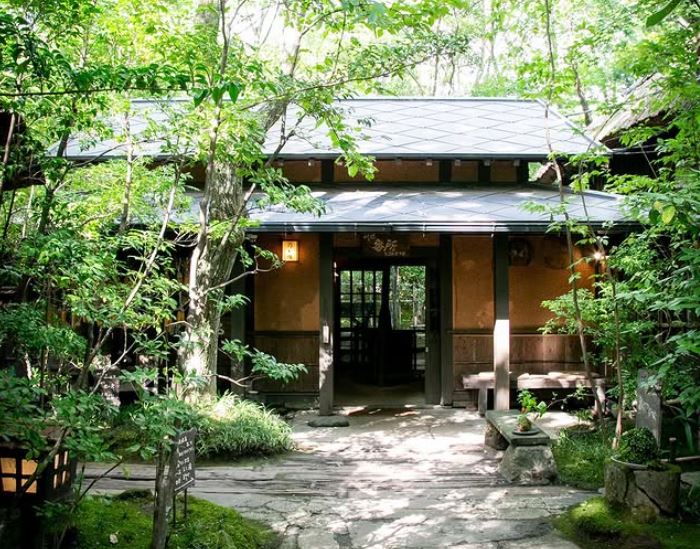
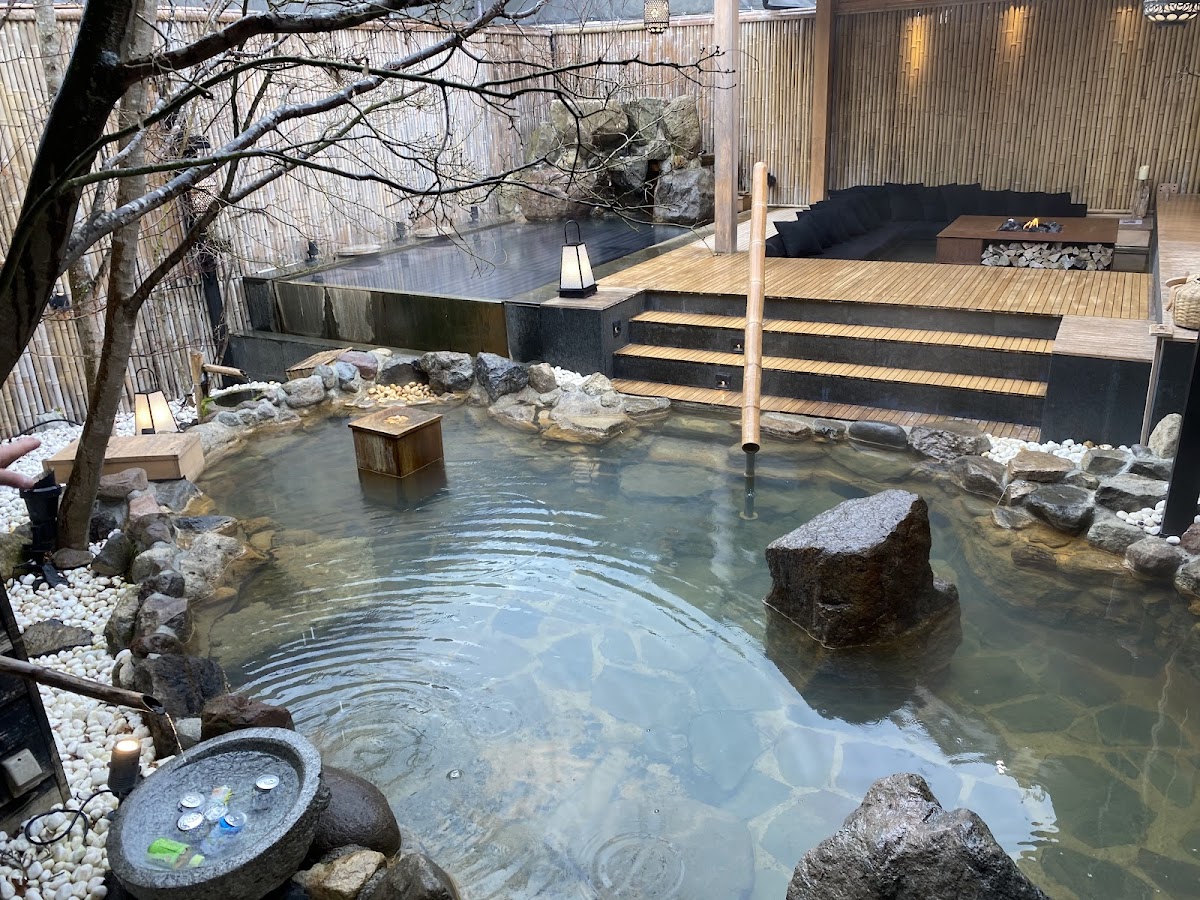
Japan has over 27,000 hot spring sources and more than 3,000 onsen towns. The ones that appear in English-language guides, Hakone, Beppu, Kusatsu, barely scratch the surface. Beneath the well-known names lies a parallel world of hidden hot springs that Japanese travelers have cherished for generations, places that are deliberately difficult to reach, proudly uncommercial, and deeply tied to their natural settings.
In Japanese, these places are called hitou (secret hot springs). The word carries no negative connotation; it suggests something precious, protected by remoteness. These fifteen properties are among the finest hitou in Japan, selected because they combine exceptional water, atmospheric settings, and the kind of hospitality that only comes from running a mountain inn for generations.
Tohoku: The Heartland of Hidden Onsen
Japan's northeast is where the hitou tradition is strongest. Deep mountain valleys, heavy snowfall, and sparse population have preserved hot spring villages that feel unchanged in centuries.
1. Aoni Onsen (Aomori)
No electricity, no WiFi, no cell signal. Aoni operates by oil lamp alone, deep in the forests of southern Aomori. The hot spring water is alkaline and silky, the food is mountain cuisine cooked over fire, and the silence after the lamps are dimmed is absolute. This is the purest hitou experience in Japan.
2. Tsuru no Yu / Tsurunoyu (Akita)
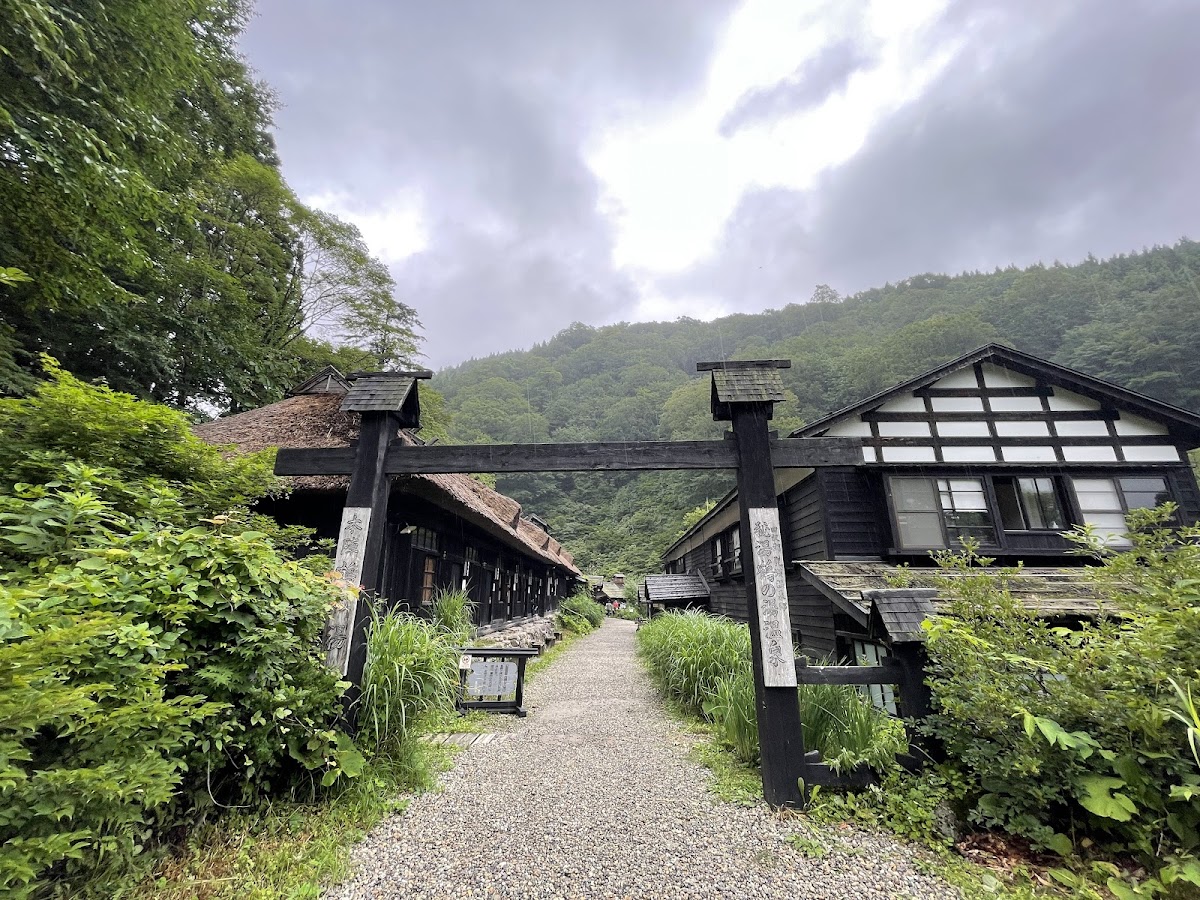
Three hundred years of operation in the Nyuto Onsen cluster. The milky white outdoor bath beneath thatched-roof buildings is the most photographed hidden onsen scene in Japan, yet the experience itself remains unchanged: oil lamps, irori hearths, and mountain silence.
3. Sukayu Onsen (Aomori)
A legendary hiba cypress bathhouse at the base of the Hakkoda Mountains, so large it is called the "thousand-person bath." The acidic sulfur water and the beech forest setting at 900 meters elevation create one of Japan's most dramatic bathing experiences. Snow depths reach four meters in winter.
4. Furofushi Onsen (Aomori)
Iron-rich outdoor baths carved into the rocky coastline where the Sea of Japan crashes just meters away. At sunset, the horizon stretches unbroken to the west, and the combination of hot mineral water, cold sea spray, and golden light is genuinely unforgettable.
5. Nyuto Onsen Taenoyu (Akita)
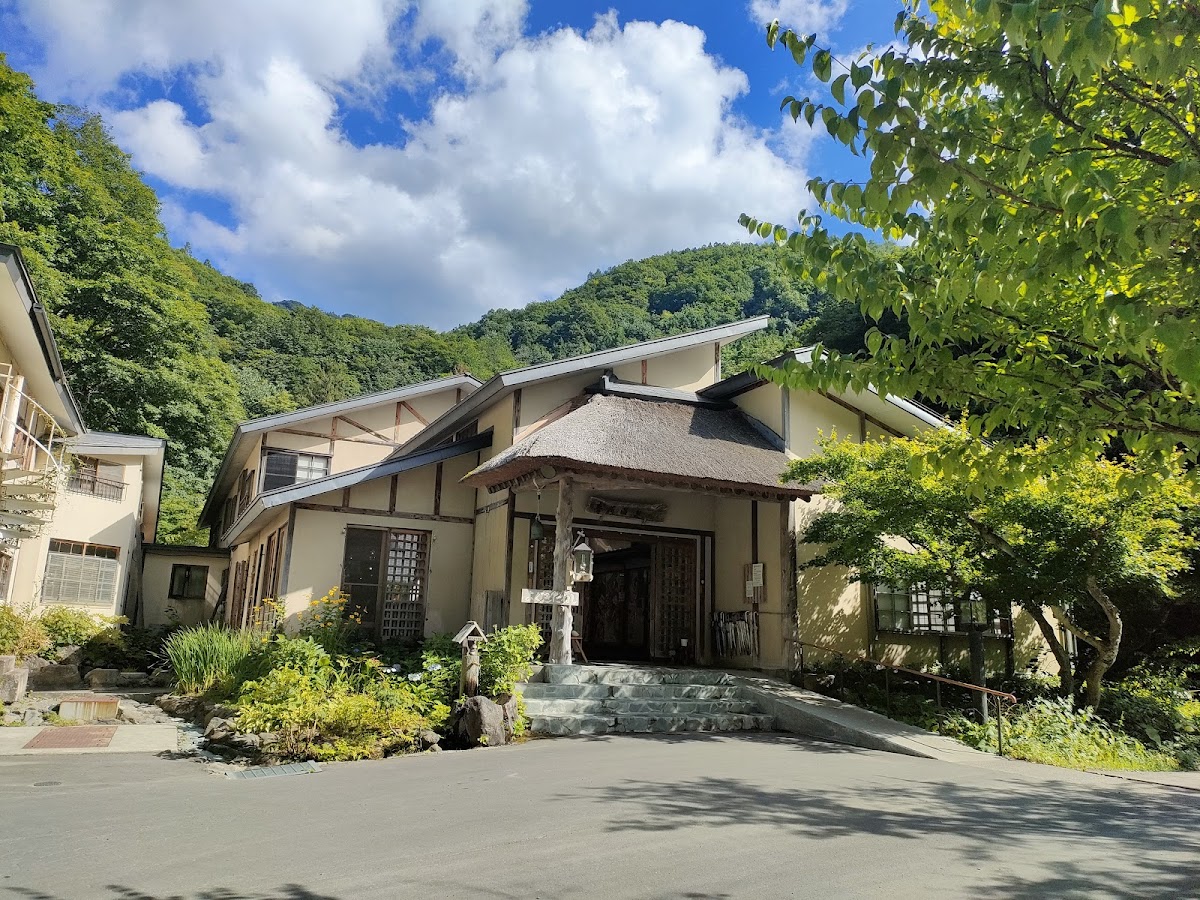
A more contemporary option in the Nyuto cluster, with stylish riverside rooms and mixed indoor/outdoor baths drawing from two different spring sources. For those who want the Nyuto Onsen experience with slightly more modern comforts than Tsurunoyu.
Kanto Mountains: Hidden Springs Near Tokyo
6. Hoshi Onsen Chojukan (Gunma)
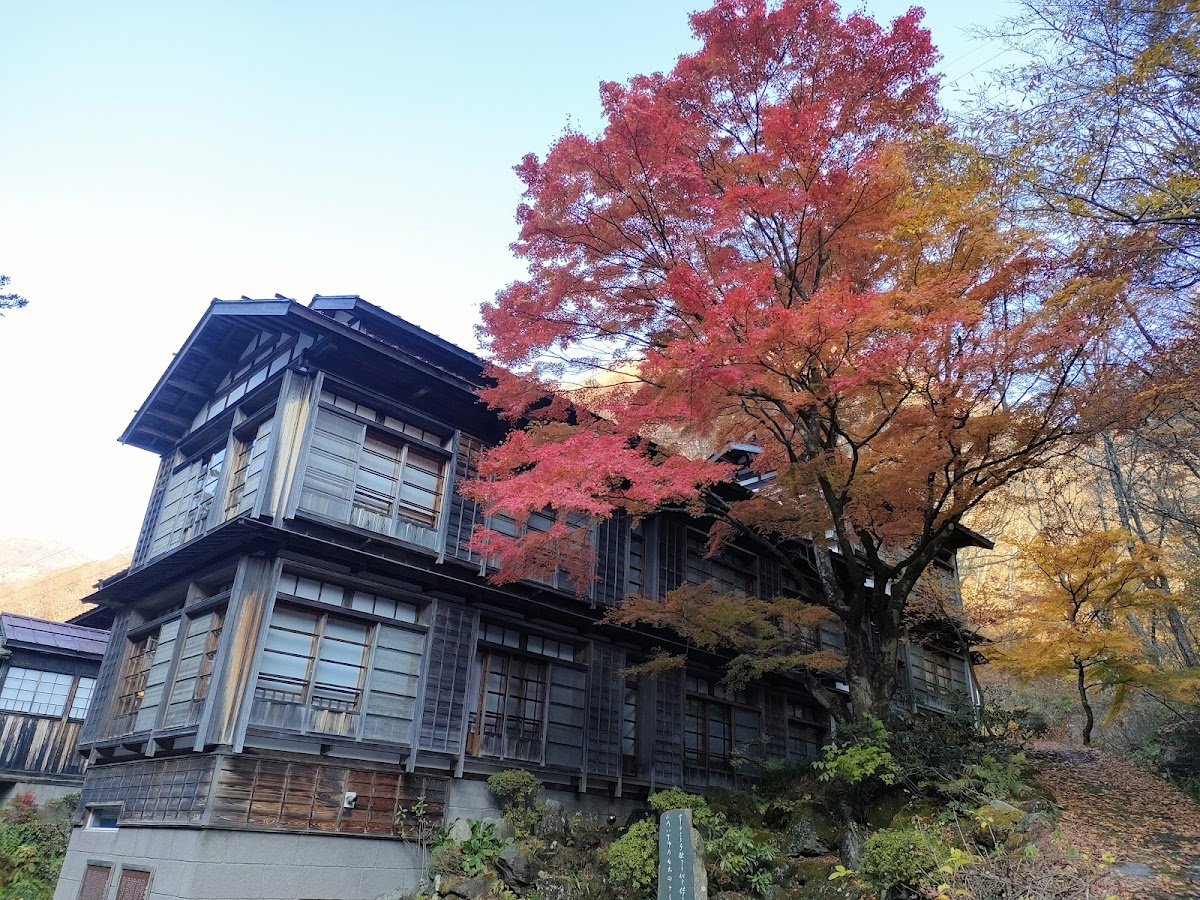
A 140-year-old national cultural property with a wooden bathhouse where hot spring water bubbles up directly through the stone floor. The vaulted wood-and-glass ceiling creates cathedral-like light patterns on the water. Mountain streams surround the property on all sides. Reachable from Tokyo in about three hours.
7. Takaragawa Onsen Osenkaku (Gunma)
Massive riverside open-air baths surrounded by pristine mountain forest in the Minakami highlands. The baths here are among the largest outdoor onsen in Japan, stretching along the Takara River beneath a canopy of deciduous trees that ignite in autumn.
8. Oku-Kinu Onsen Kaniyu (Tochigi)
Accessible only on foot through mountain forest. Five different spring sources produce baths ranging from clear to milky, each with different mineral properties. The walk in takes about 90 minutes from the trailhead and filters out everyone except dedicated onsen pilgrims.
Central Japan: Mountain Valley Springs
9. Kagurazaka Kakuregaresort Shimofuro (Niigata)
A secret forest onsen retreat with just a few rooms in a deep Niigata mountain village. Private villas with their own hot spring baths tucked into forest so dense that each room feels completely isolated from the others.
10. Tobira Onsen Myojinkan (Nagano)
Mountain onsen retreat amid pristine forest near Matsumoto. Featured in Japanese cinema, the outdoor baths are among the most atmospheric in the country: forest in every direction, no buildings visible, nothing but trees, sky, and steam.
11. Takanosuke Onsen (Niigata)
Accessible only by cable car across the Agano River gorge. The crossing itself is an experience: suspended above emerald water in a mountain valley. Once across, you enter a world of traditional riverside onsen bathing that feels centuries removed from modern Japan.
Kii Peninsula: Sacred Springs
12. Yunomine Onsen Adumaya (Wakayama)
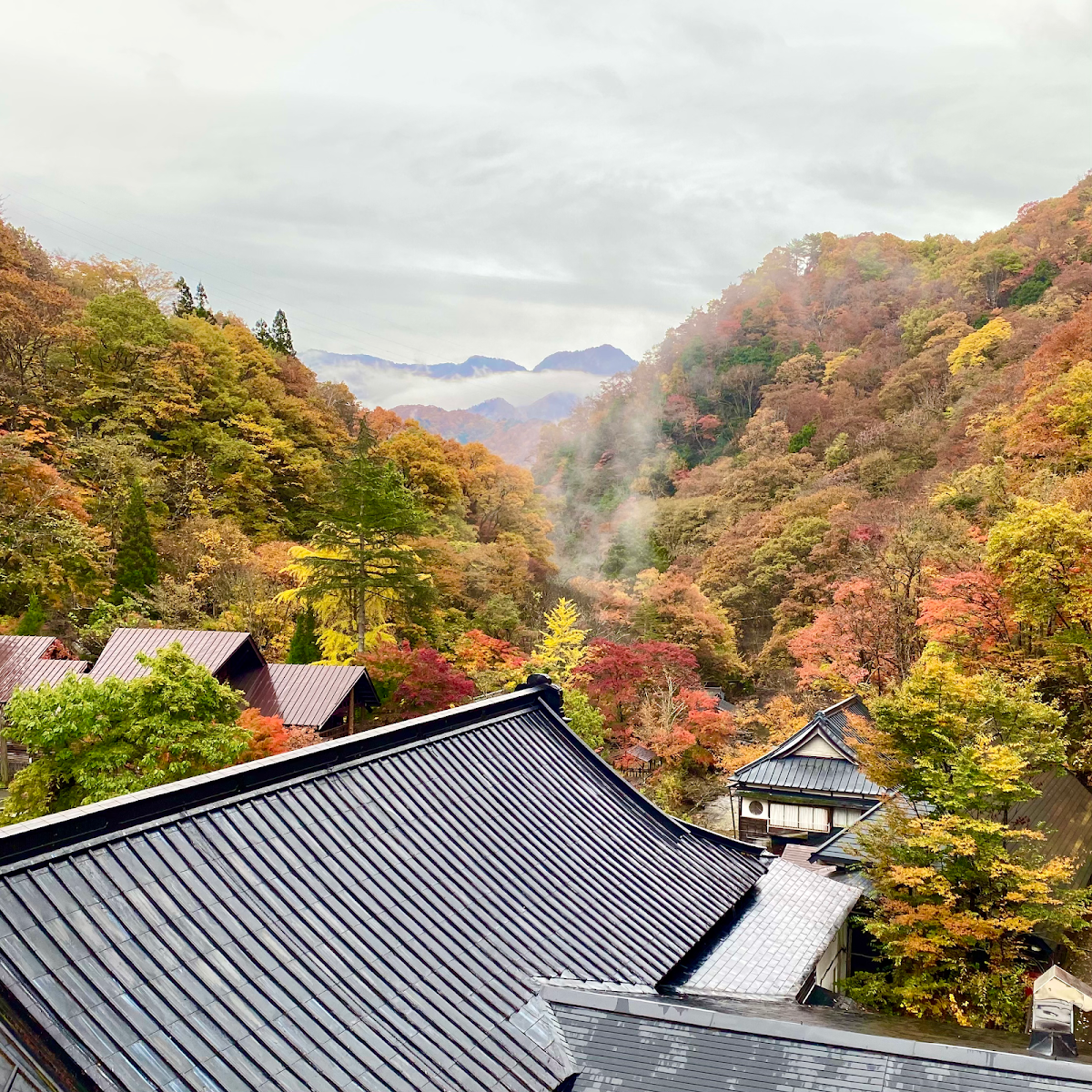
A UNESCO World Heritage onsen on the Kumano Kodo pilgrimage route with 1,800 years of history. Yunomine is the only bathing facility in the world inscribed on the World Heritage list. The tiny tsuboyu public bath changes color throughout the day. The ryokan serves traditional kaiseki in rooms overlooking the hot spring stream.
13. Tsuki no Shizuku (Wakayama)
Ryujin Onsen is one of Japan's three great beauty springs, famous for water so smooth it feels like bathing in silk. This hidden mountain ryokan in the Ryujin area serves traditional kaiseki and offers mountain landscape views that few international visitors ever see.
Kyushu: Volcanic Hidden Baths
14. Kurokawa Onsen Oyado Noshiyu (Kumamoto)
Thatched-roof hidden onsen inn with intimate forest bathing in famous Kurokawa village. Kurokawa pioneered the rotemburo-meguri system where guests visit multiple ryokan baths with a single wooden pass. Noshiyu's private forest baths are among the village's most atmospheric.
15. Takefue (Kumamoto)
All-suite bamboo forest ryokan with private onsen villas surrounded by 50,000 bamboo stalks. The hot spring emerges at the foot of the bamboo grove, and private baths let you soak while looking up through thousands of green and gold stalks. The most unusual onsen setting in Japan.
How to Find Hidden Onsen
Look for the Nihon Hitou wo Mamoru Kai (Japanese Association of Secluded Hot Springs) certification. Member properties display a wooden plaque and meet criteria for remoteness, natural spring sources, and traditional character. There are roughly 190 certified hitou across Japan.
Also look for these indicators of a genuinely hidden spring:
- Source-direct water (gensen kakenagashi): The water flows directly from the spring source without recirculation or chemical treatment. This is the gold standard for onsen water quality.
- Multiple spring types: Properties with several different mineral compositions (like Kaniyu's five sources) offer bathing experiences you cannot replicate elsewhere.
- Difficult access: The best hitou are hard to reach by design. Cable cars, foot paths, mountain roads, these are features, not drawbacks.
- Small scale: Hidden onsen tend to have fewer than 20 rooms, sometimes fewer than 10. The intimacy is part of the experience.
Frequently Asked Questions
Aoni Onsen (no electricity), Takanosuke Onsen (cable car access only), and Oku-Kinu Onsen Kaniyu (foot access only) are among the most remote. Tsuki no Shizuku in Wakayama and Shimofuro Onsen in Niigata rarely appear in any English guide.
Hidden onsen are called "hitou" (秘湯). The Nihon Hitou wo Mamoru Kai certifies approximately 190 secluded hot springs across Japan that meet criteria for remoteness, natural spring sources, and traditional character.
For more onsen guides, see our complete onsen ryokan guide, best ryokan with private onsen, and onsen etiquette guide. For stays near Tokyo with onsen, check our ryokan near Tokyo guide. Browse all onsen properties on our interactive map.