A night in a ryokan is one of the defining experiences of travel in Japan. Sliding open a fusuma door to a tatami room overlooking a garden, soaking in a stone bath fed by volcanic springs, sitting down to a kaiseki dinner that unfolds across a dozen small courses. These are not hotel experiences. They are rituals, refined over centuries.
The good news for visitors based in Tokyo is that several of Japan's finest ryokan areas are remarkably close. Hakone is barely 90 minutes away. Nikko, Izu, and Gunma are all reachable within 2-3 hours. This guide covers the best ryokan in each of these areas, with practical access information to help you plan your trip.
Hakone: The Classic Ryokan Destination (1-1.5 hours from Tokyo)
Hakone has been Tokyo's primary hot spring escape since the Edo period. Nestled in the mountains of Kanagawa Prefecture with views of Mt. Fuji on clear days, Hakone's combination of volcanic hot springs, forested valleys, and cultural attractions makes it the most popular ryokan destination near Tokyo. The Odakyu Romance Car runs directly from Shinjuku to Hakone-Yumoto in about 85 minutes.
1. Gora Kadan (Gora, Hakone)
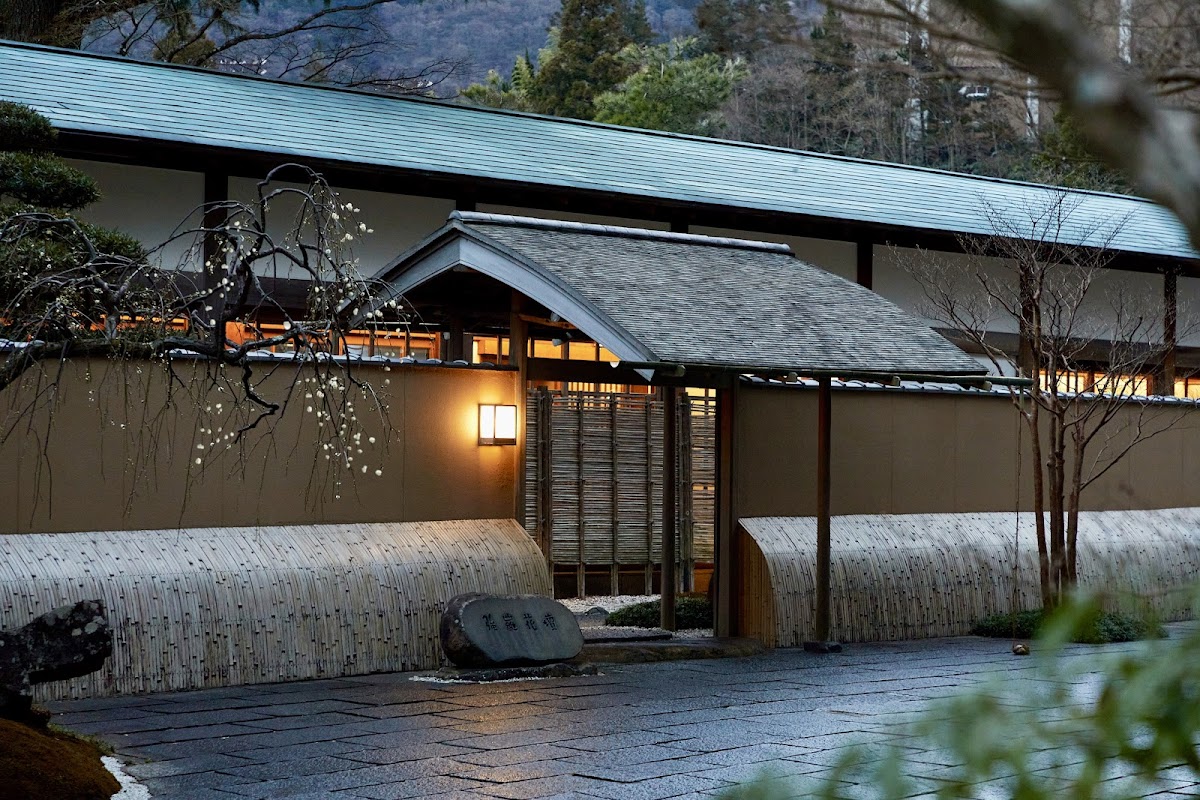
Originally the summer retreat of the Kan'in-no-miya imperial family, Gora Kadan is consistently ranked among Japan's top ryokan. The property occupies a hillside in Gora with meticulously maintained gardens, multiple hot spring sources, and kaiseki cuisine that reflects the seasons with precision. Rooms range from traditional tatami suites to modern rooms with private open-air baths. The rock-carved outdoor bath overlooking the Hakone mountains is extraordinary.
2. Kansuiro (Hakone-Yumoto)
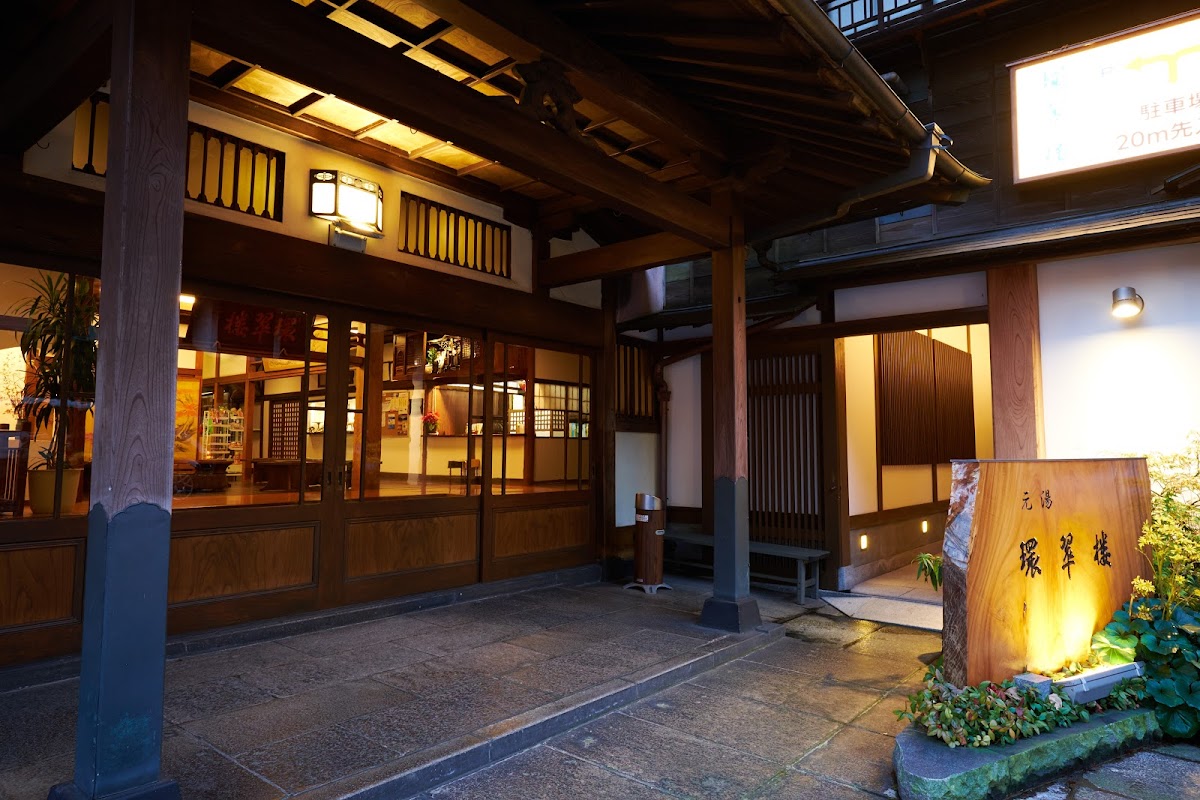
A 400-year-old ryokan on the banks of the Sukumo River in Hakone-Yumoto, the gateway to the Hakone hot spring region. Kansuiro has been welcoming guests since 1614. The historic wooden building, riverside setting, and traditional service preserve a style of Japanese hospitality that has been polished over four centuries. The sound of the river accompanies every moment of your stay.
3. Setsugetsuka (Sengokuhara, Hakone)
A contemporary ryokan in the Sengokuhara highland area of Hakone, where every room comes with a private open-air hot spring bath. The design is modern and minimal, allowing the mountain scenery to take center stage. Setsugetsuka represents the new generation of ryokan that honor traditional hospitality while embracing clean, contemporary aesthetics.
4. Hakone Retreat Villa 1/f (Gora, Hakone)
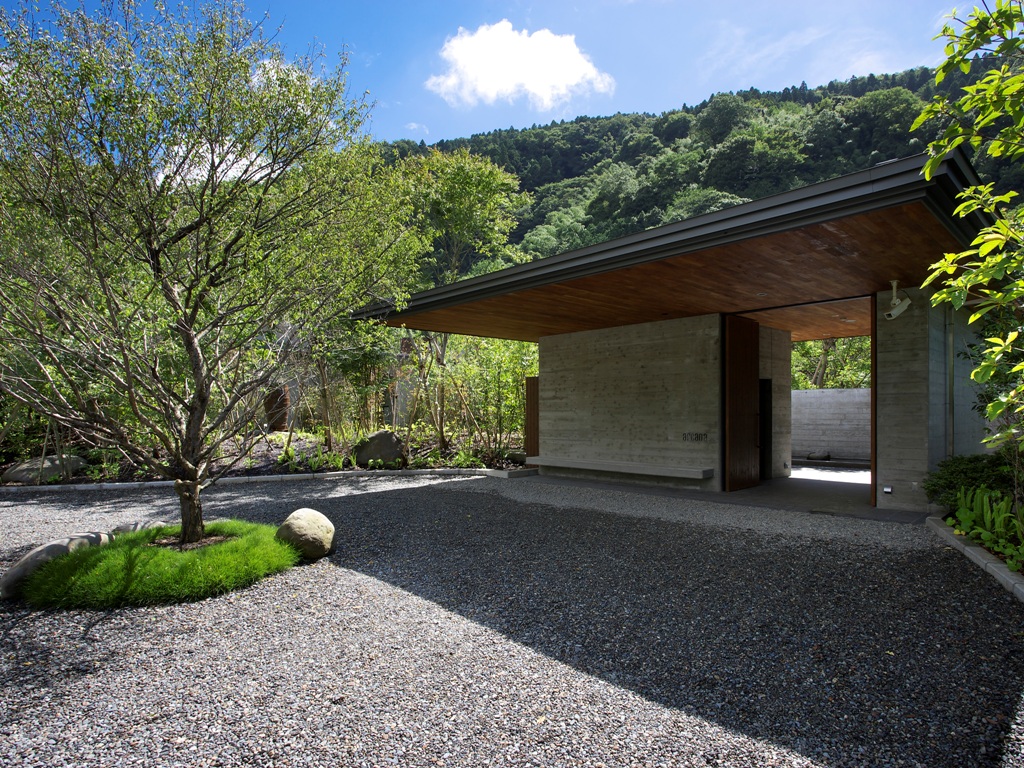
A forest villa hotel in the Gora area that blends Western privacy with Japanese hot spring culture. The name references the concept of 1/f fluctuation, the natural rhythm found in flowing water and rustling leaves. Every villa has a private outdoor bath surrounded by forest, offering the ryokan bathing experience in complete seclusion.
5. Aura Tachibana (Hakone-Yumoto)
A riverside ryokan in Hakone-Yumoto known for its exceptional kaiseki cuisine and warm, attentive service. The property sits along the Hayakawa River, and many rooms feature balconies overlooking the water. Aura Tachibana strikes a balance between traditional atmosphere and modern comfort that makes it particularly welcoming for first-time ryokan guests.
Nikko: Sacred Mountains and Cedar Forests (2 hours from Tokyo)
Nikko is where Tokugawa Ieyasu, founder of the Tokugawa shogunate, is enshrined. The area is famous for its ornate shrines, towering cedar forests, and the spectacular Kegon Falls. Reaching Nikko takes about 2 hours by Tobu Railway from Asakusa or by Shinkansen to Utsunomiya followed by a local train. The autumn foliage at Lake Chuzenji is among the finest in eastern Japan.
6. Chuzenji Kanaya Hotel (Nikko)
Sitting on the shores of Lake Chuzenji at 1,269 meters elevation, this classic mountain hotel offers a refined lakeside experience with hot spring baths and Western-Japanese hybrid cuisine. The lake, formed in a volcanic crater, is surrounded by dense forest that explodes with color in autumn. Chuzenji Kanaya maintains the heritage hospitality that has defined the Kanaya hotel group since 1873.
Izu Peninsula: Coastal Hot Springs (2 hours from Tokyo)
The Izu Peninsula extends south from Hakone into the Pacific, offering a warmer climate, coastal scenery, and hot spring towns with a more relaxed atmosphere. The Shinkansen to Atami takes about 45 minutes from Tokyo, with local trains continuing deeper into the peninsula. The interior of Izu hides forested river valleys and mountain onsen.
7. ARCANA IZU (Izu)
A riverside retreat in the forested interior of the Izu Peninsula, where French-Japanese cuisine meets natural hot springs. Every room overlooks the Kano River gorge, and private open-air baths let you soak to the sound of flowing water. The restaurant has earned recognition for its inventive use of local mountain vegetables, river fish, and Suruga Bay seafood. ARCANA represents a modern approach to the ryokan concept.
8. Fujino Kirameki (Fuji-Hakone-Izu)
A glamping-ryokan hybrid nestled in the hills between Hakone and the Mt. Fuji area, with dome tents and cabin-style rooms that each feature private outdoor hot spring baths. On clear days, Mt. Fuji is visible from the property. The concept bridges the gap between ryokan tradition and modern outdoor hospitality, making it an excellent choice for travelers who want onsen bathing in a less formal setting.
Gunma and Minakami: Mountain Gorge Country (2-3 hours from Tokyo)
Gunma Prefecture, northwest of Tokyo, is one of Japan's great onsen regions. The Tone River carves dramatic gorges through the mountains, and hot springs bubble up throughout the landscape. The Joetsu Shinkansen reaches Jomo-Kogen station in about 70 minutes, with bus connections to the hot spring towns. Minakami, in particular, offers river gorge settings that are hard to find elsewhere near Tokyo.
9. Bettei Senjuan (Minakami, Gunma)
A gorge-side ryokan in Minakami where every room has a private terrace with an open-air onsen bath overlooking the Tone River gorge below. The drama of the setting, perched above a forested ravine with the river far below, is matched by refined kaiseki cuisine featuring local mountain ingredients. In autumn, the gorge becomes a corridor of red and gold foliage.
10. SANU 2nd Home - Tsumagoi (Gunma)
While not a traditional ryokan, SANU's Tsumagoi cabin offers a compelling alternative for those who want the mountain immersion without the formality. Set in a volcanic highland forest with total isolation, it is an ideal base for exploring the onsen towns of Kusatsu and Manza in the surrounding area, both famous for their therapeutic mineral waters.
Planning Your Ryokan Trip from Tokyo
A few practical tips for making the most of your ryokan experience:
- Check-in time matters. Most ryokan welcome guests from 3:00 PM and serve dinner at 6:00 or 6:30 PM. Arrive early enough to enjoy the baths before dinner.
- Meals are often included. Traditional ryokan rates include dinner and breakfast (called "1 paku 2 shoku" or one night, two meals). Confirm meal inclusion when booking.
- Bring minimal luggage. Yukata robes, towels, toiletries, and slippers are provided. You will spend most of your time in the yukata.
- Learn basic onsen etiquette. Wash thoroughly at the shower stations before entering the bath. Towels do not go in the water. Most baths are gender-separated and entered without clothing.
- Consider weekday stays. Rates are often 20-30% lower on weekdays, and the baths will be less crowded. Tuesday and Wednesday are typically the quietest nights.
- Use a Japan Rail Pass. If you are visiting multiple areas, the JR Pass covers Shinkansen travel to most ryokan regions, making multi-stop trips economical.
Frequently Asked Questions
A ryokan is a traditional Japanese inn featuring tatami-matted rooms, futon bedding, communal or private onsen (hot spring) baths, and kaiseki multi-course cuisine. Stays typically include dinner and breakfast. Guests wear yukata robes and follow traditional bathing customs.
Hakone is the closest major ryokan destination, reachable in about 1.5 hours from central Tokyo. Gora Kadan, Kansuiro, and Setsugetsuka are all excellent Hakone options with private onsen and kaiseki cuisine.
Budget ryokan start from around $100-150 per person per night including meals. Mid-range ryokan with private onsen typically cost $200-400. Luxury ryokan like Gora Kadan can range from $500-1,000+ per person per night.
For popular properties, booking 2-3 months ahead is recommended. During peak seasons like autumn foliage (October-November) and cherry blossom (late March-April), 3-6 months advance booking is advisable. Weekday stays are generally easier to secure.
Most ryokan in popular areas like Hakone and Nikko are accustomed to international guests and provide English guidance on bathing etiquette, meal customs, and facilities. Properties like Aura Tachibana and ARCANA IZU are particularly welcoming to first-time visitors.
For more accommodation ideas near Tokyo, see our guide to nature stays near Tokyo. For a broader look at Japan's best nature accommodation, check out nature hotels across Japan and our complete onsen ryokan guide. Or browse all properties on our map.