Most visitors to Japan follow the Golden Route: Tokyo, Hakone, Kyoto, Osaka, maybe Hiroshima. These are extraordinary places, but they represent a narrow slice of a country with 6,852 islands, 47 prefectures, and landscapes ranging from subarctic wilderness to coral atolls. The properties below are in places most international visitors never reach, where the experience is more personal, more surprising, and often more memorable than anything on the standard itinerary.
These are not compromises. Many are among the finest accommodations in Japan, period. They simply happen to be in locations that require a little more effort to reach, which is precisely what makes them special.
The Remote Onsen
1. Aoni Onsen (Aomori)
No electricity. No WiFi. No cell signal. Aoni Onsen operates entirely by oil lamp, creating an atmosphere that has not changed in generations. The deep forest setting in southern Aomori compounds the sense of time travel. This is the ultimate digital detox, and the hot spring water is exceptional.
2. Takanosuke Onsen (Niigata)
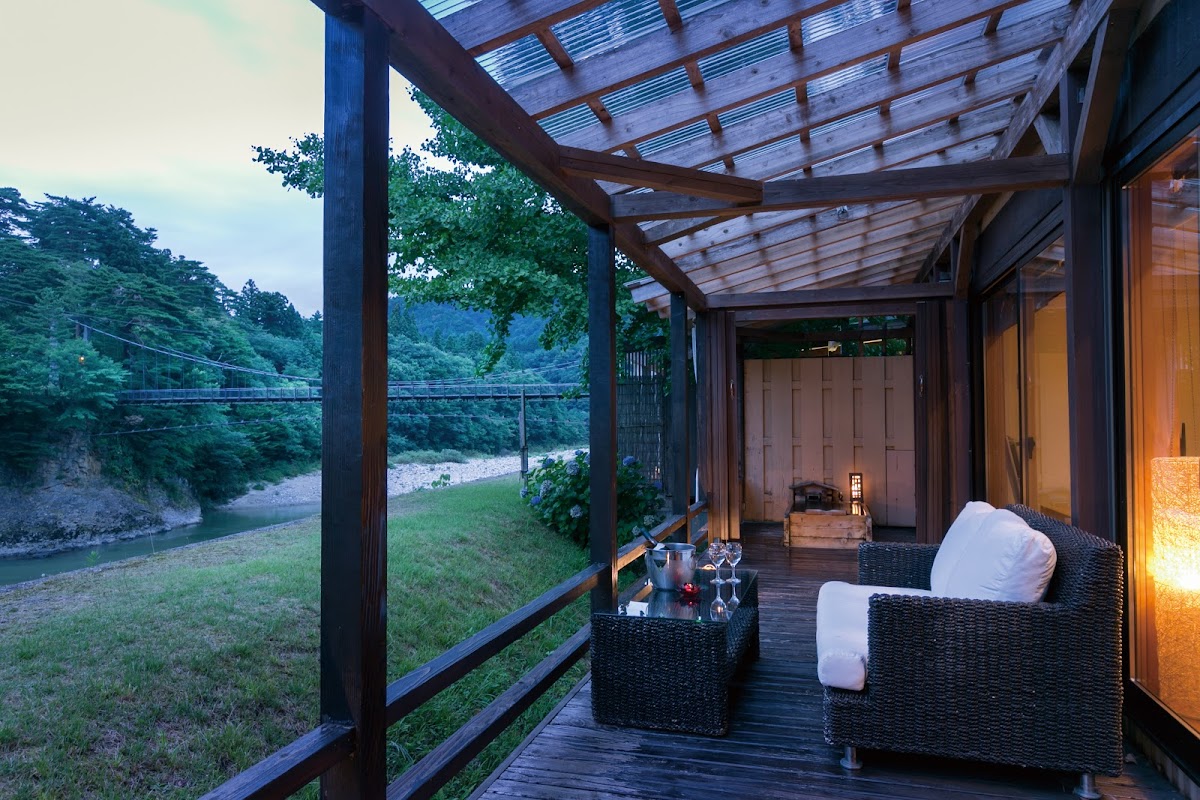
Accessible only by cable car across the Agano River gorge. Once you cross, you leave the modern world behind. The secluded riverside setting and the ritual of arriving by cable car transform a hotel stay into an event.
3. Oku-Kinu Onsen Kaniyu (Tochigi)
A remote mountain onsen accessible only on foot, deep in the Oku-Kinu wilderness. Five different spring sources produce baths of varying mineral composition. The walk in filters out casual visitors; the people who reach Kaniyu come specifically for the experience.
4. Hijiori Onsen Kato Ryokan (Yamagata)
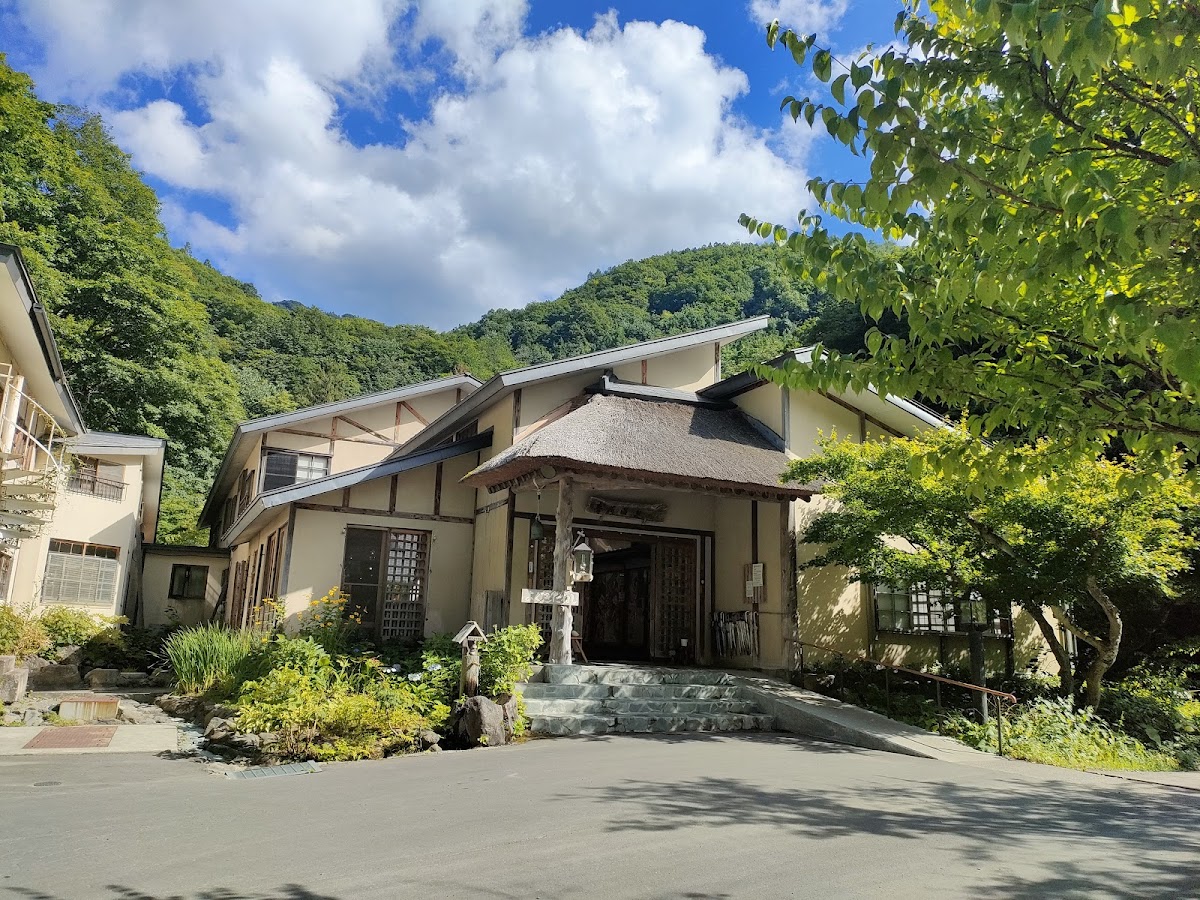
Remote mountain onsen in one of Japan's snowiest valleys. The therapeutic waters and traditional hospitality here have drawn visitors seeking healing for centuries. In winter, the snow piles several meters deep, creating a silent white world around the property.
5. Hoshi Onsen Chojukan (Gunma)
A 140-year-old national cultural property with a legendary wooden bathhouse. The bath itself is the destination: a vaulted wood-and-glass structure where hot spring water bubbles up directly through the stone floor. Mountain streams and forest surround the property on all sides.
The Island Escapes
6. Ento (Shimane - Oki Islands)
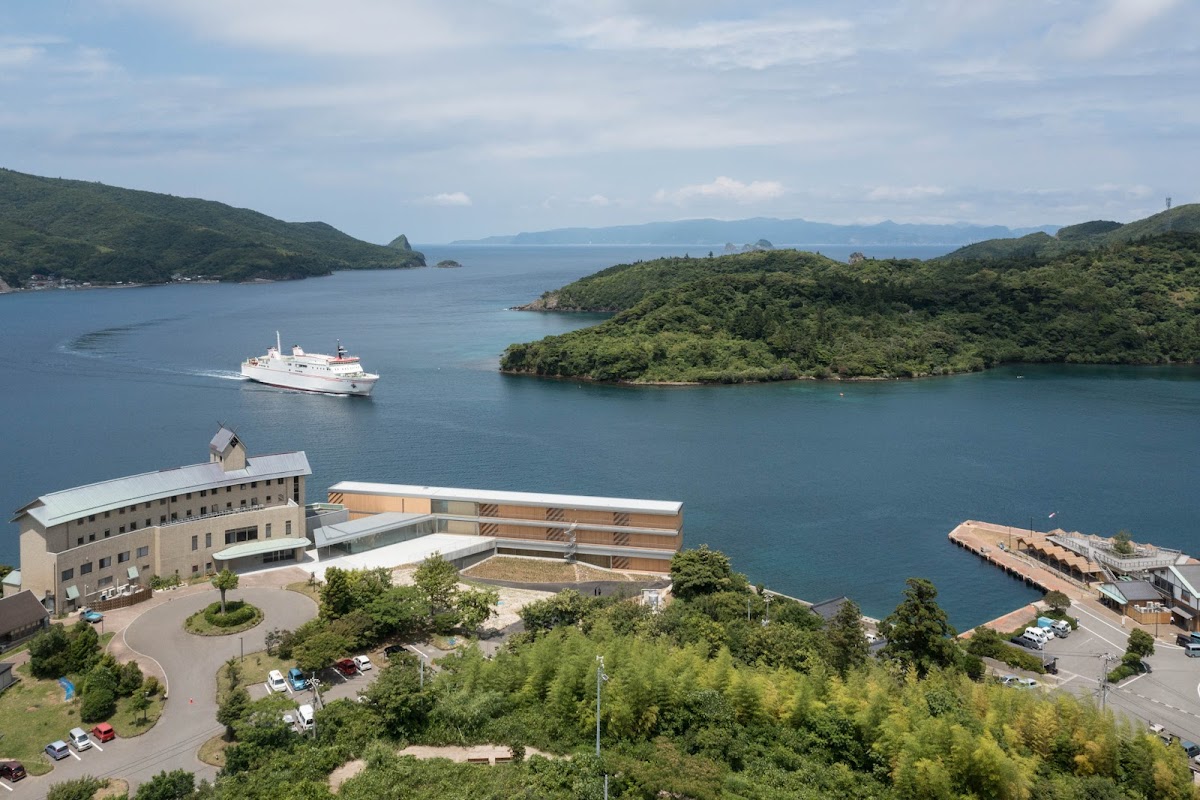
Eighteen minimalist rooms on the rim of an ancient caldera island. Floor-to-ceiling ocean views. The Oki Islands are a UNESCO Global Geopark, and the geological drama visible from Ento's cliff-edge position is unlike anything else in Japan. Getting here requires a ferry or small plane from Shimane, which keeps it wonderfully uncrowded.
7. Nipponia Sado (Niigata - Sado Island)
A former warehouse converted to a boutique hotel on Sado Island, where the traditional performing arts of Noh and taiko drumming remain living traditions. The island's gold mine heritage and wild toki cranes add layers of cultural and natural interest.
8. Tsushima Watazumi Jinja Shuhenchi (Nagasaki)
Remote island villa near mystical torii gates in the sea. Tsushima sits between Japan and Korea, and its isolation has preserved pristine forests, rare Tsushima leopard cats, and a unique cultural blend found nowhere else in the country.
The Deep Valley Retreats
9. Iya Bijin (Tokushima)
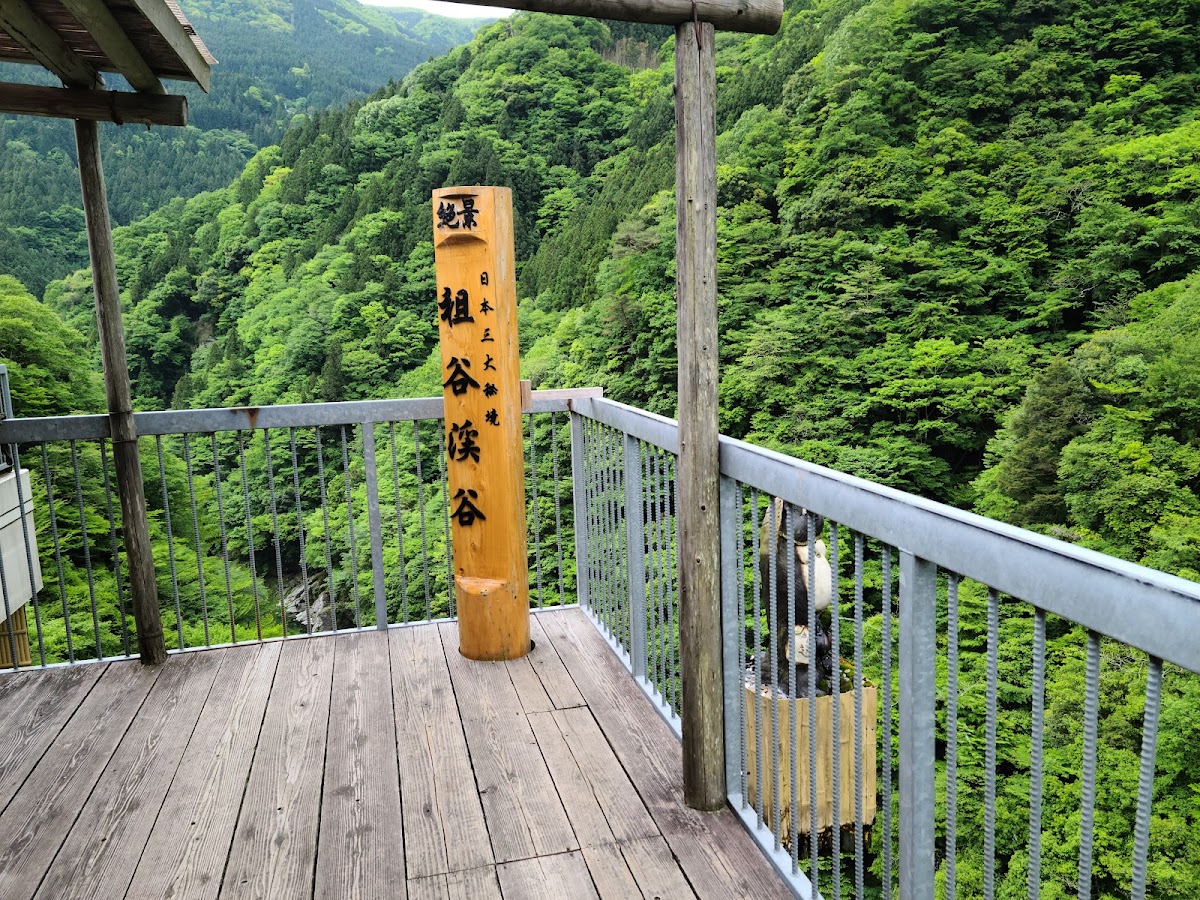
A cliffside ryokan above the Iya River gorge with vine bridge views. The Iya Valley is Japan's most dramatic canyon, its steep walls historically serving as a refuge for defeated samurai clans. Wild boar cuisine and the vertigo-inducing vine bridges add to the sense of a place apart.
10. Hotel Iya Onsen (Tokushima)
A cable car descends 170 meters from the hotel to a riverside open-air onsen in the Iya Valley gorge. The ride down through the valley wall is an experience in itself, delivering you to hot spring baths at the bottom of one of Japan's deepest ravines.
11. Kyo no Yado Miyamaso (Kyoto)
Deep in Kyoto's Hanase mountain valley, far from the temple-visiting crowds of the city. The legendary wild plant cuisine here, foraged from the surrounding forests, has earned a devoted following. This is Kyoto without a single tourist bus in sight.
The Countryside Gems
12. Kumura (Niigata)
Eight private cave accommodations carved into a cliff just 10 meters from the Sea of Japan. Waves crash below your room. This is one of the most architecturally daring properties in Japan, where sleeping inside a sea cliff is not a gimmick but a profound experience of coastal nature.
13. Wanosato Hida (Gifu)
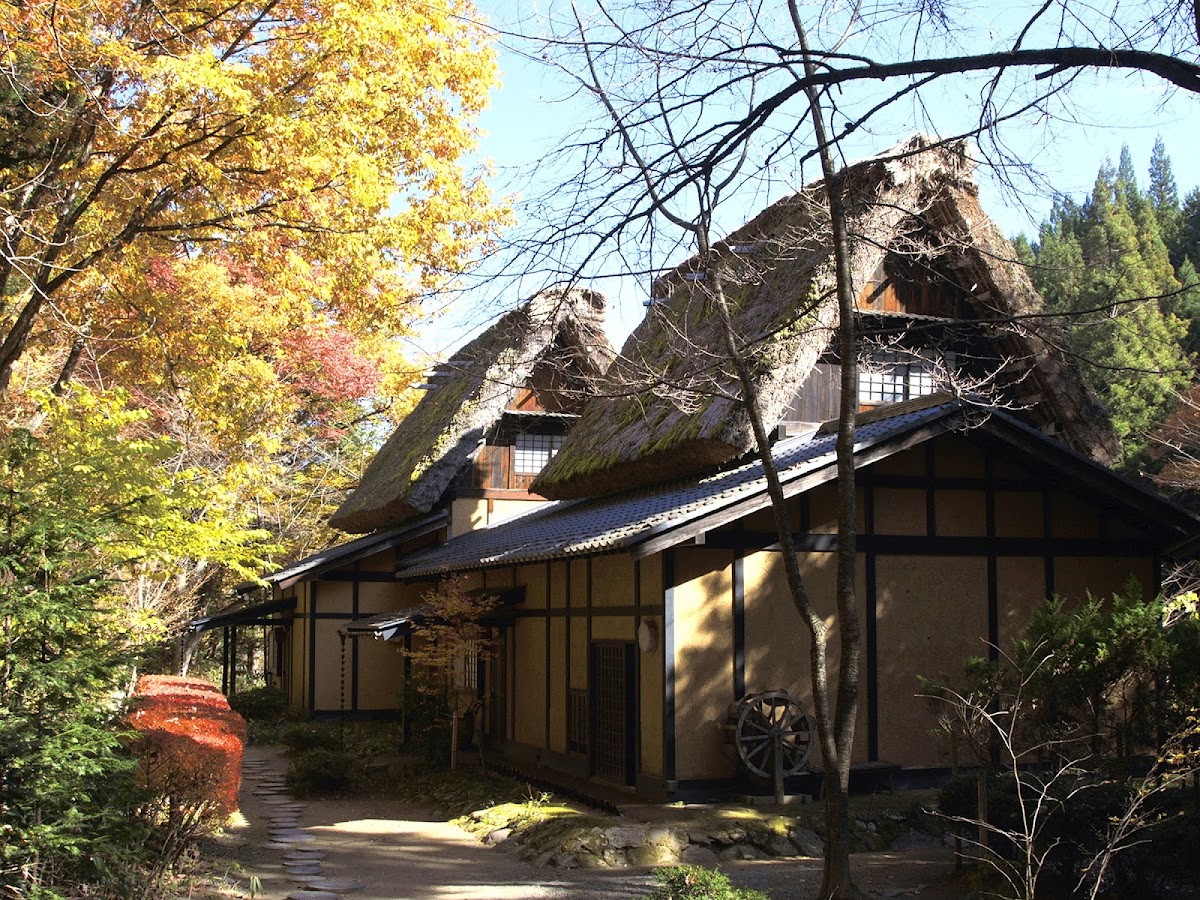
A 170-year-old thatched farmhouse with irori hearth, serving Hida beef in a mountain setting near Takayama. The gassho-zukuri architecture is a vanishing art form, and staying in one of these buildings is experiencing living history.
14. Gassho-zukuri no Sato (Toyama)
UNESCO World Heritage thatched-roof farmhouse stay in Gokayama mountain village. These steep-roofed houses were built to withstand enormous snowfall, and staying in one places you inside a structure designed by centuries of mountain wisdom.
15. Byaku Narai (Nagano)
A boutique hotel in an Edo-period post town on the Nakasendo trail, preserving 400 years of history. The town of Narai was once the busiest stop between Edo and Kyoto. Today it is nearly empty of tourists, and staying at Byaku Narai feels like stepping into a ukiyo-e print.
16. Kayabuki no Sato Stay (Kyoto)
Stay in a thatched-roof farmhouse in Kyoto's remote Miyama mountain valley. This village of preserved farmhouses is often compared to Shirakawa-go but sees a fraction of the visitors. The surrounding mountains and rice paddies complete a picture of rural Japan at its most timeless.
The Mountain Lodges
17. Mikuriga-ike Onsen (Toyama)
Japan's highest altitude onsen at 2,410 meters on the Tateyama Alpine Route, beside a volcanic crater lake. The air is thin, the views are vast, and the hot spring water feels different at this altitude. Open only from April to November due to extreme winter conditions.
18. Asahidake Onsen Hotel Bear Monte (Hokkaido)
Highland hotel at the foot of Hokkaido's highest peak with natural onsen and alpine wilderness. Daisetsuzan National Park is Japan's largest, and Asahidake is its crown: the first place in Japan where autumn foliage appears each year, usually in late August.
19. Suiden Terrasse (Yamagata)
Shigeru Ban designed this hotel to float above rice paddies facing the sacred Dewa Sanzan mountains. The reflections in the water change with seasons and weather. The Shonai Plain is Japan's rice heartland, and the hotel immerses you in an agricultural landscape that most travelers pass through without stopping.
The Coastal Hideaways
20. Furofushi Onsen (Aomori)
An iconic cliffside onsen where bathers soak in iron-rich waters as Sea of Japan waves crash just meters away. The sunset from these baths, with nothing between you and the horizon, is one of Japan's most powerful accommodation experiences.
21. Ashizuri Onsen Ashizuri Kanko Hotel (Kochi)
A cliffside hot spring hotel at dramatic Cape Ashizuri, the southernmost point of Shikoku overlooking the Pacific. The cape is one of Japan's most geologically spectacular locations, and this hotel positions you at its edge.
22. Migiwatei Ochi Kochi (Hiroshima)
A harbourside ryokan in historic Tomonoura port town, which Hayao Miyazaki used as inspiration for Ponyo. The town's centuries-old harbor, largely unchanged, and the Seto Inland Sea views from the ryokan create a coastal atmosphere that feels genuinely preserved.
The Art and Culture Outliers
23. Shiroiya Hotel (Gunma)
A 300-year-old ryokan reborn as a cutting-edge design hotel. Contributions from world-class architects and artists have transformed this property in sleepy Maebashi into one of Japan's most talked-about hotel openings. The contrast between the quiet city and the explosive creativity inside is part of the appeal.
24. Ryugon (Niigata)
A refurbished manor-house complex connected to the Echigo-Tsumari Art Field. Deep snow country heritage meets contemporary art installations. The kaiseki cuisine features local mountain vegetables and rice from some of Japan's best paddies.
25. Naoshima Ryokan Roka (Kagawa)
Luxury art ryokan on the world-famous art island with private en-suite onsen, overlooking forest and rock garden. While Naoshima itself is increasingly well-known, Roka provides a level of intimacy and immersion that the island's more famous properties cannot match.
Frequently Asked Questions
Aoni Onsen (no electricity), Takanosuke Onsen (cable car access only), Kumura (sea cliff caves), and Ento (ancient caldera island) are among the most remote and hidden properties in Japan.
Look beyond the Golden Route. Tohoku, Shikoku, the San-in Coast, Sado Island, the Oki Islands, and the Iya Valley offer exceptional experiences with far fewer visitors. Use our property map to discover locations outside the main tourist corridors.
For more guides to Japan's hidden gems, see our articles on countryside accommodation, hidden onsen, and nature retreats. Or explore all properties on our interactive map.