Japan's autumn foliage, called koyo, is a national event tracked with the same precision as cherry blossom season. Weather services publish daily maps of the "foliage front" as it moves south from Hokkaido to Kyushu over roughly ten weeks from late September to early December. The Japanese relationship with autumn color goes beyond tourism: it is a cultural practice called momijigari (maple hunting), with roots in the Heian period over a thousand years ago.
For accommodation-focused travelers, autumn presents a specific opportunity. The best foliage experiences are not at famous viewpoints surrounded by crowds but from the window of a well-positioned ryokan, the outdoor bath of an onsen overlooking a maple grove, or the terrace of a mountain lodge where the entire valley has turned. This guide matches the best properties to peak foliage timing in each region.
Foliage Timing by Region
Late September - Early October: Hokkaido mountains, Daisetsuzan National Park
Mid-October: Tohoku mountains, Hakkoda, Oirase Stream
Late October: Nikko, central Honshu mountains, Hakone highlands
Early November: Hakone lowlands, Nagano valleys, Takayama
Mid-November: Kyoto, Nara, Osaka
Late November: Miyajima, western Honshu, northern Kyushu
Early December: Southern Kyushu, coastal lowlands
Tohoku: First Mainland Color
Naruko Gorge (Miyagi)
Hot spring ryokan in the famous Naruko gorge area, where autumn transforms the ravine into a wall of red, orange, and gold. The gorge is considered one of Japan's top foliage spots, and viewing it while soaking in onsen is a peak autumn experience. The town is also famous for kokeshi dolls.
Nearby, Sakunami Onsen Ichinobo offers mountain stream onsen with three outdoor baths in a foliage-rich setting.
Hakkoda Mountains (Aomori)
European-style mountain lodge in Hakkoda beech forest. The beech trees here produce a distinctive golden-copper foliage that peaks in early to mid-October, covering the mountainside in warm tones visible from the hotel's natural hot spring bath.
Nikko: The Classic Foliage Destination
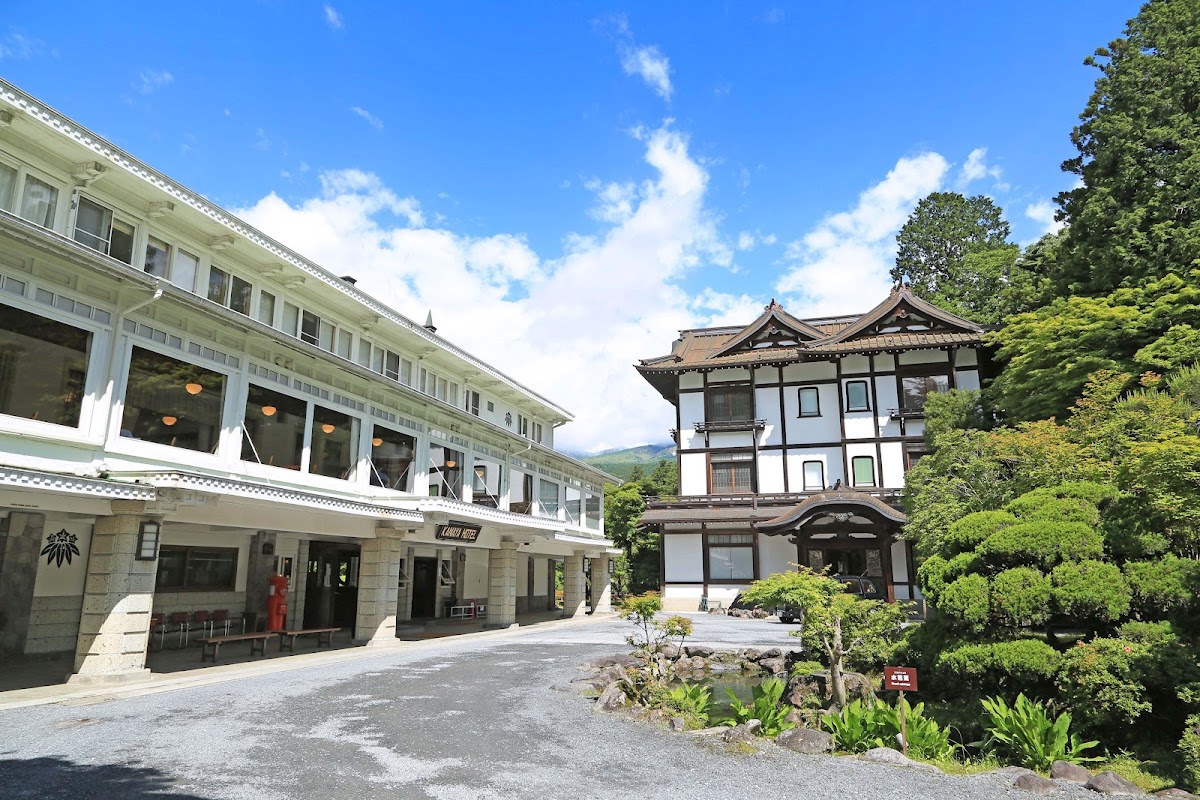
Japan's oldest Western-style hotel (1873) in Nikko National Park. The hotel is surrounded by the ancient trees of Nikko's shrine and temple complex, which produce some of the most photographed autumn scenes in Japan. Lake Chuzenji and Kegon Falls are a short drive into the highlands, where foliage peaks earlier.
Luxury forest retreat with natural onsen near Nikko's UNESCO World Heritage sites. The surrounding cedar and deciduous forest creates a layered autumn palette, and the onsen baths are positioned to frame the changing colors.
At higher elevation, Chuzenji Kanaya Hotel on Lake Chuzenji catches peak color about a week earlier than lower Nikko, with lake and mountain views that concentrate the autumn palette.
Hakone: Foliage Near Tokyo
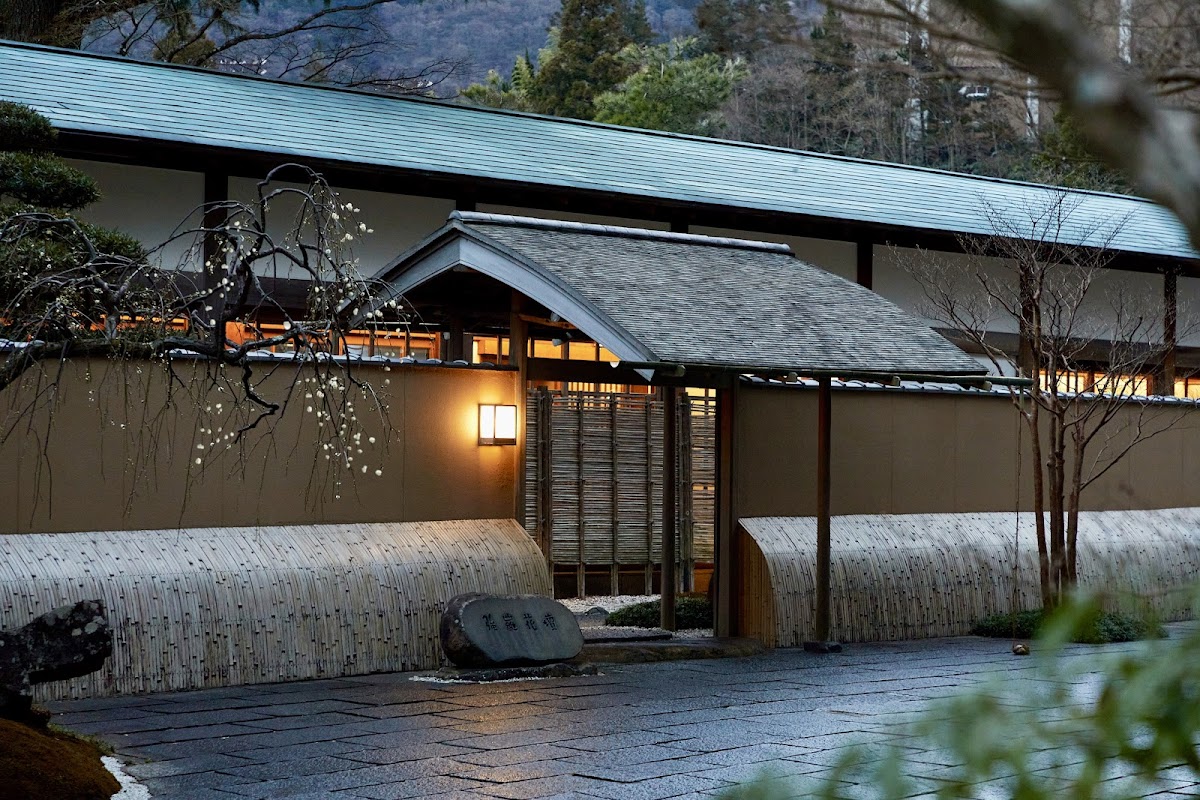
Former imperial summer retreat where the garden's carefully selected maples produce intense autumn color from late October through mid-November. The kaiseki cuisine shifts to autumn ingredients, and the combination of foliage views, hot spring bathing, and seasonal dining makes Gora Kadan the premier autumn ryokan near Tokyo.
Hakone Retreat Fore in the Sengokuhara plateau offers forest-walk onsen immersed in mountain color. Hakone Kowakien Ten Yu has terraced private onsens overlooking the autumn mountainscape.
Kyoto: Temple Gardens and Mountain Color
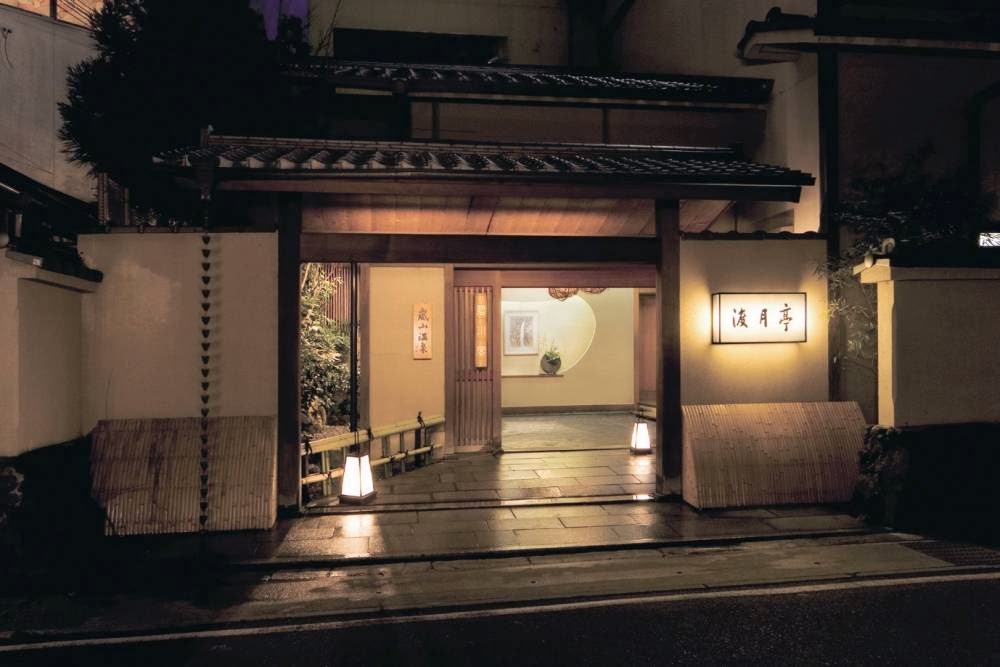
Historic riverside ryokan at the foot of Togetsukyo Bridge in Arashiyama, where the mountain forest behind the bridge becomes a tapestry of reds and golds in mid-November. The view from the ryokan encompasses one of Kyoto's most celebrated autumn scenes.
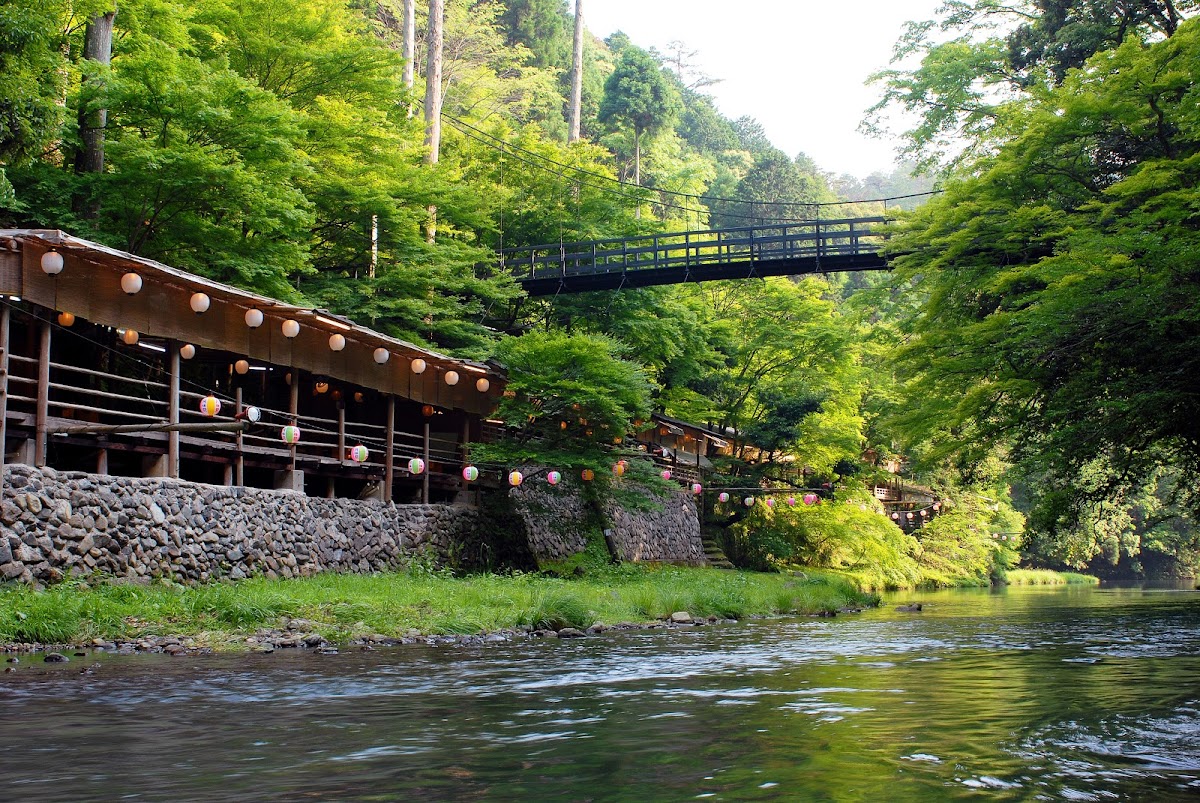
Riverside ryokan with private balcony tubs overlooking the forested Kiyotakigawa River in Takao, one of Kyoto's earliest-changing and least-crowded foliage areas. The name "Momijiya" literally means "maple house," and the property delivers on the promise: the river valley turns brilliant red from early November.
Suiran Luxury Collection in Arashiyama offers moon-viewing terraces that double as foliage-viewing platforms. Yoshida Sanso, a former imperial prince's mountain villa, overlooks a sacred forest that provides private autumn viewing.
Seto Inland Sea: Late Autumn Color
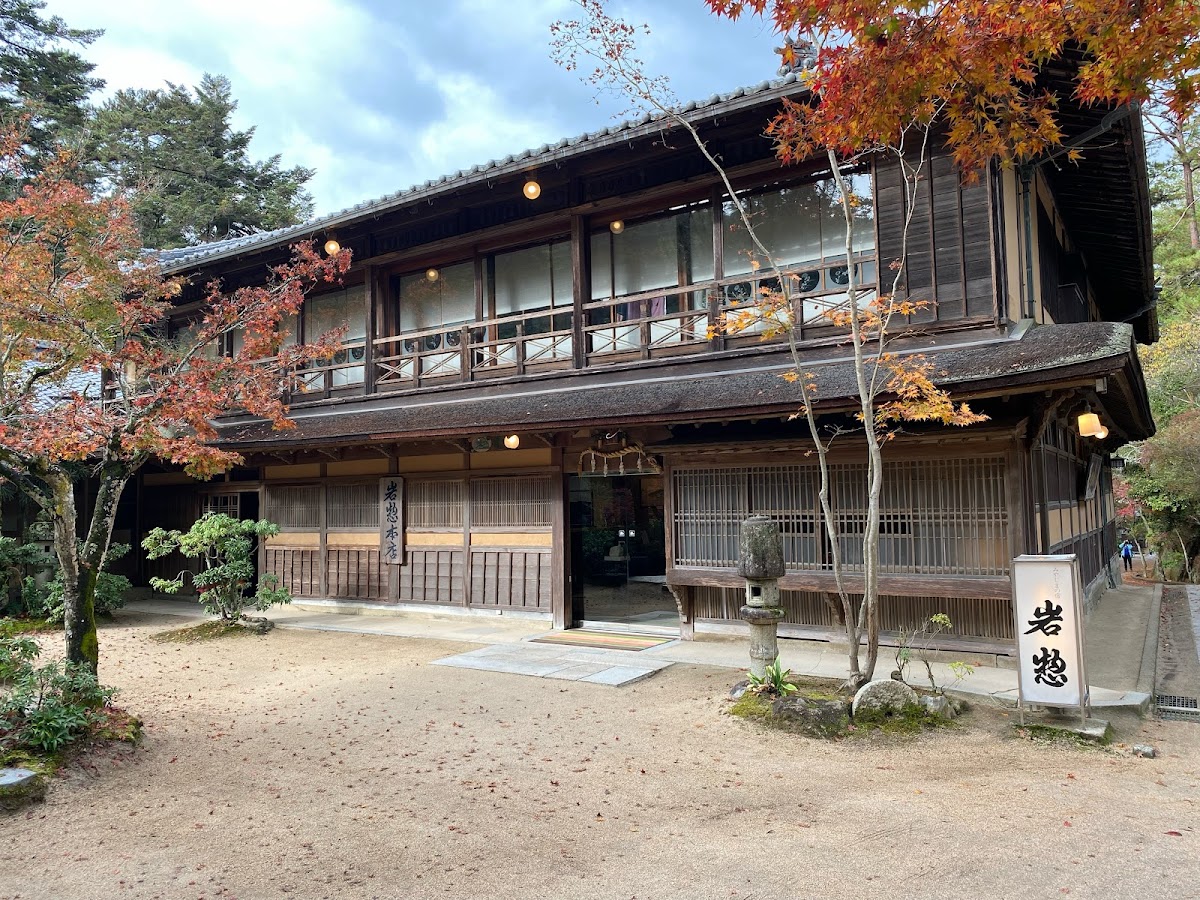
A 150-year-old ryokan in Momijidani Valley ("Maple Valley") on Miyajima Island. The name tells you everything: this valley was planted with maples centuries ago specifically for autumn viewing. Combined with the famous floating torii gate visible from the island, autumn Miyajima is one of Japan's most complete seasonal experiences.
Azumi Setoda on the Shimanami Kaido offers autumn cycling through islands where citrus groves provide a different kind of autumn gold, complementing the traditional red maples.
Mountain Onsen with Autumn Views
Mountain onsen ryokan offer the most immersive autumn foliage experience. Soaking in hot spring water while leaves drift into the bath from overhanging branches is one of Japan's great sensory moments:
- Takaragawa Onsen in Gunma: massive riverside outdoor baths beneath a canopy of autumn deciduous trees
- Hoshi Onsen Chojukan in Gunma: historic bathhouse surrounded by mountain forest that turns in late October
- Kifu no Sato in Mie: mountain forest retreat with maple views specifically designed around autumn viewing
- Umenoyado in Nara: Mt. Yoshino setting where UNESCO World Heritage cherry trees produce unexpected autumn gold
Practical Tips for Autumn Travel
- Book 3-6 months ahead: Autumn is Japan's second busiest travel season after spring. Popular ryokan in Hakone, Nikko, and Kyoto sell out months in advance for peak foliage weekends.
- Aim for weekdays: Weekend crowds at famous foliage spots can be intense. The same locations on Tuesday or Wednesday offer a dramatically different experience.
- Chase the color: If your dates are flexible, check the daily koyo forecast and adjust your itinerary to match peak timing. The Japan Meteorological Agency publishes weekly foliage maps from September.
- Layer your clothing: Autumn temperatures vary widely between warm sunny afternoons and cold evenings, especially at mountain properties. Layers are essential.
- Consider the shoulder: Early October in Tohoku and late November in Kyushu offer peak color with significantly less competition for bookings than the mid-November Kyoto peak.
Frequently Asked Questions
It moves south over ten weeks: Hokkaido peaks late September to mid-October, Tohoku mid-October, Nikko late October, Kyoto mid-November, Kyushu late November to early December. High elevations peak earlier than nearby lowlands.
Top foliage destinations include Nikko, Naruko Gorge, Arashiyama (Kyoto), Hakone, and Miyajima. For the most immersive experience, choose a mountain onsen ryokan where you can view the colors from an outdoor bath.
For more seasonal guides, see our winter stays guide. For general recommendations, check our nature retreat guide and onsen ryokan guide. Browse all properties on our interactive map.