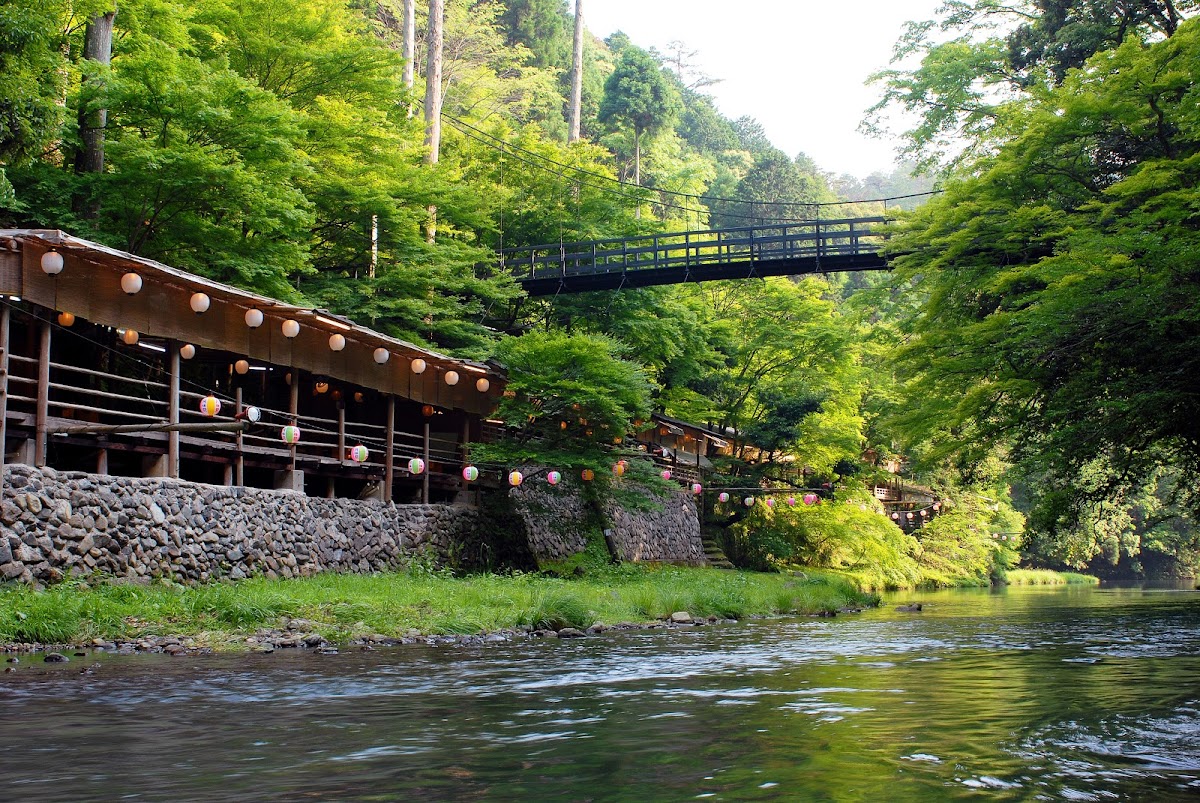
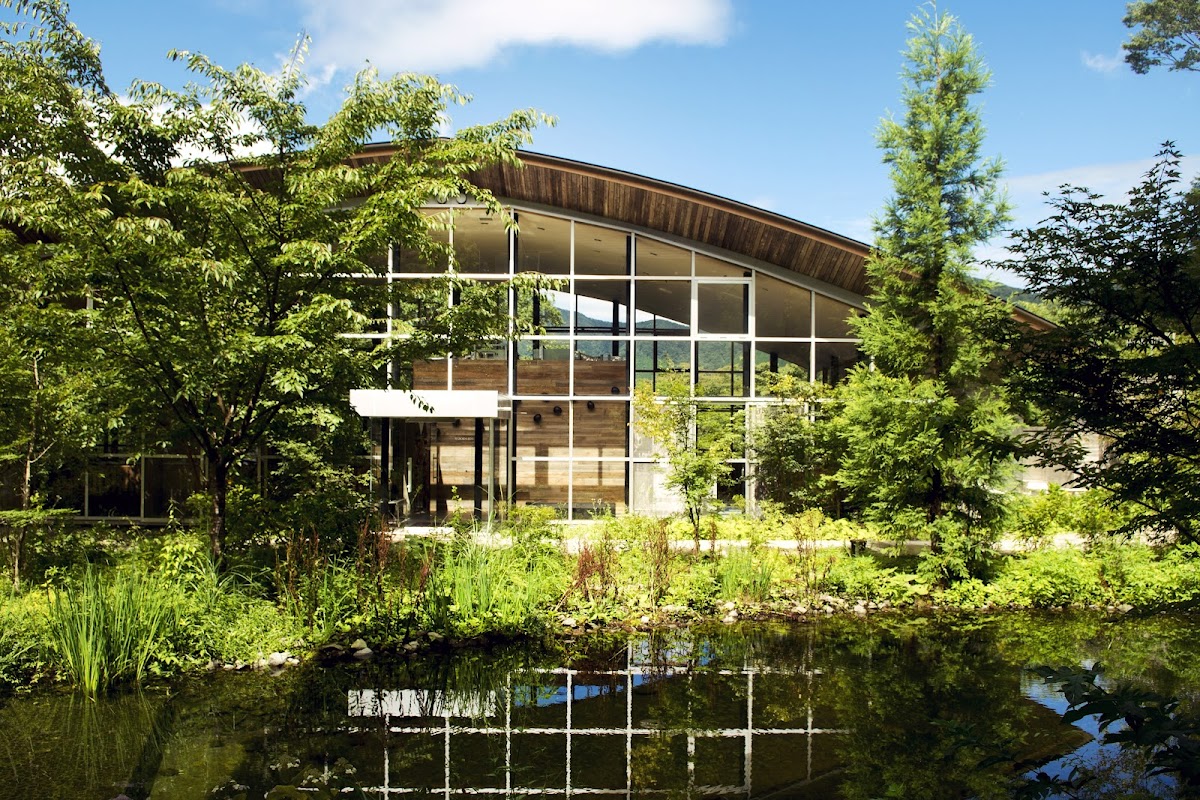
If cherry blossoms are Japan's celebrated beginning, autumn foliage is its contemplative peak. The Japanese maple turns colors that seem biologically impossible: crimson so deep it glows, orange that burns against grey sky, gold that illuminates entire mountainsides. Experiencing this transformation from an outdoor onsen bath, submerged in hot mineral water while leaves drift down around you, is one of travel's great sensory pleasures.
Autumn Foliage Timeline
The autumn color front moves south and downhill, the inverse of cherry blossoms. Planning your stay requires matching your travel dates to the right region:
Late September - Mid October: Hokkaido (Daisetsuzan, Shiretoko), high-altitude Alps (Kamikochi at 1,500m+), northern Tohoku mountains. The earliest and often least-crowded foliage.
Mid October - Early November: Tohoku lowlands (Naruko, Akita, Yamagata), Japanese Alps, northern Kanto mountains. Excellent color with moderate crowds.
Late October - Mid November: Nikko, Hakone, Fuji Five Lakes, central mountain areas. The most accessible peak foliage from Tokyo.
Mid - Late November: Kyoto, Nara, Osaka, western Japan. The most famous (and crowded) autumn foliage period.
Late November - Early December: Southern Kyushu, Shikoku lowlands. The latest mainland foliage.
Best Autumn Foliage Onsen by Region
Tohoku: Early Color, Deep Atmosphere
Naruko Gorge (Naruko-kyo) is one of Japan's most spectacular autumn ravines: a deep V-shaped canyon whose walls turn every shade of red, orange, yellow, and green simultaneously. The onsen town sits at the edge of this gorge, and the outdoor baths at historic ryokan like Yusaya face the colored mountainside. Peak color arrives mid to late October. The gorge walking trail is a one-hour loop that passes through the heart of the foliage.
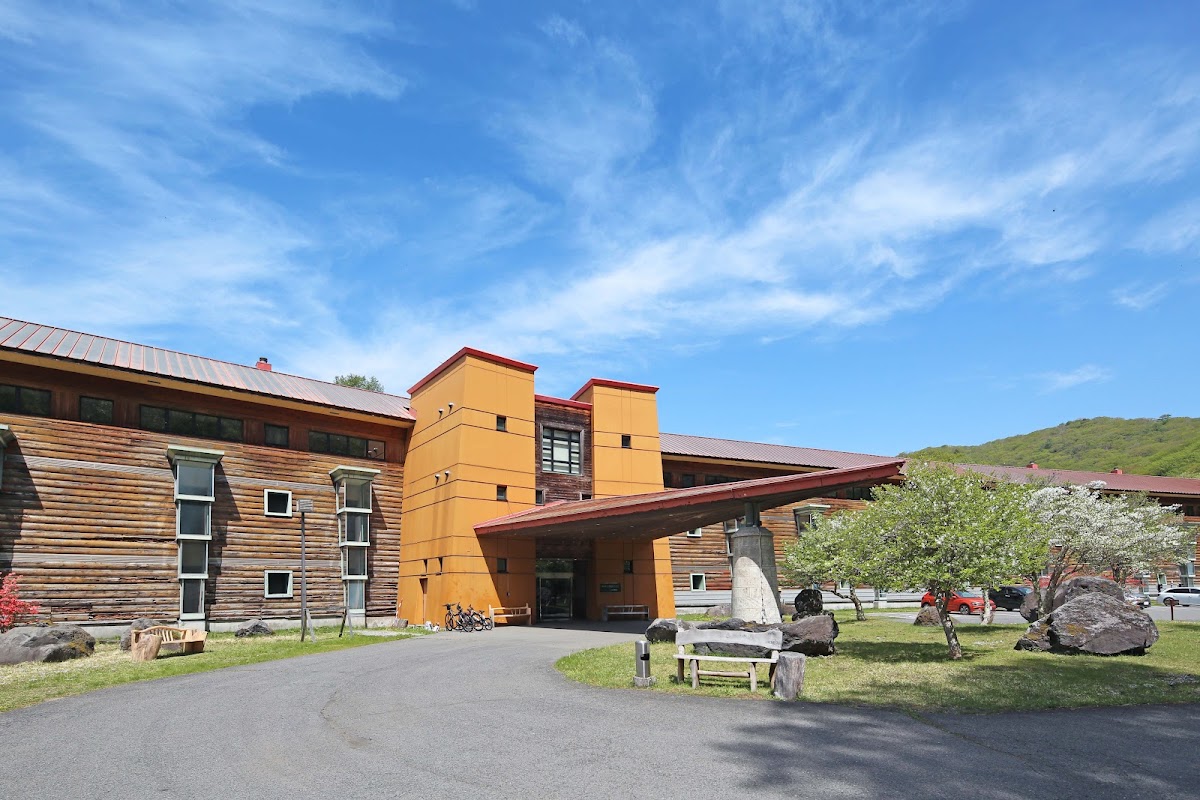
A mountain onsen resort with multiple outdoor baths facing autumn-colored mountainsides. The property sits in a valley where the surrounding mountains create an amphitheater of color in October. The "yuzukushi" (many baths) concept means rotating through different outdoor baths, each offering a different angle on the autumn landscape. The kaiseki features autumn specialties from the Miyagi mountains.
Nikko and Northern Kanto: Accessible Drama
A historic lakeside hotel at Lake Chuzenji, the elevated lake above Nikko's famous Kegon Falls. Autumn at Lake Chuzenji is extraordinary: the lake's surface reflects the surrounding mountains in full color, and the waterfalls cascade through foliage. The hotel's lakefront position provides front-row autumn viewing. Peak color here is late October, 1-2 weeks before lower Nikko. The combination of lake, mountain, waterfall, and forest makes this one of Japan's most complete autumn landscapes.
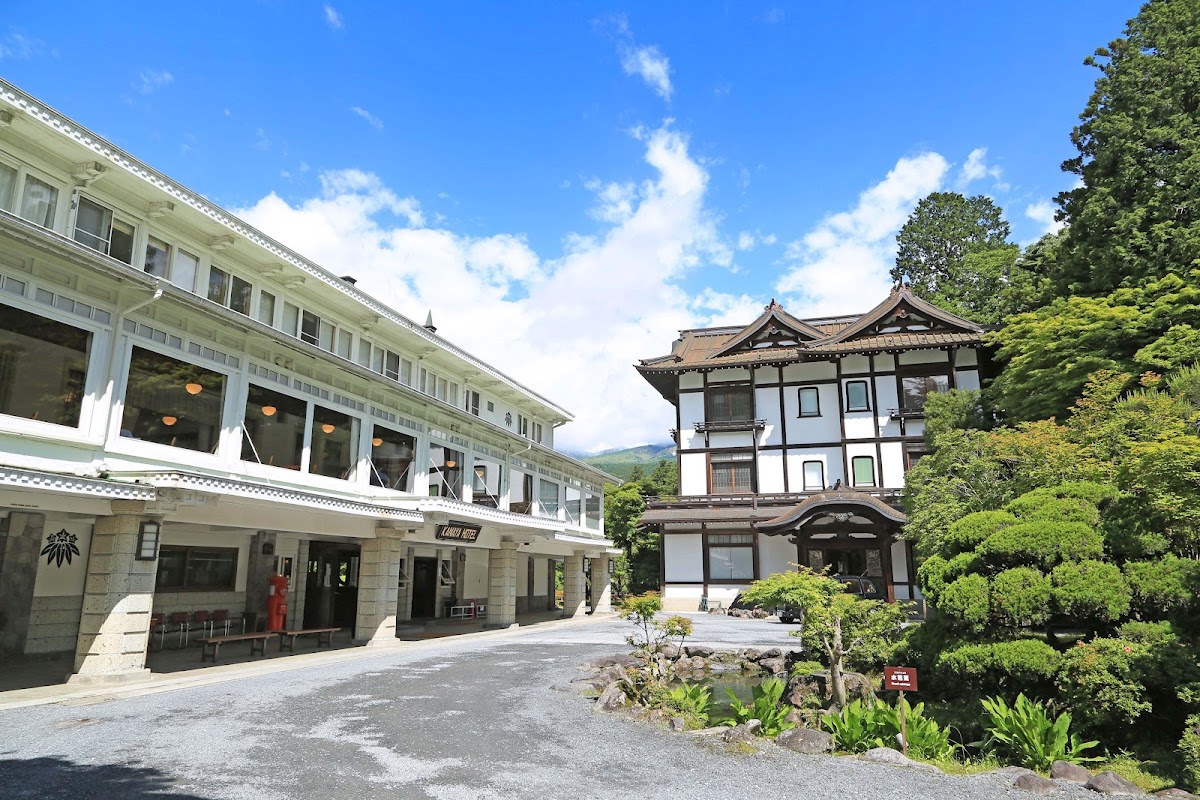
Japan's oldest Western-style resort hotel, operating since 1873, sits among the UNESCO World Heritage shrines and temples of Nikko. Autumn turns the ancient cedar forest and temple grounds into a tapestry of color. The hotel's historic character and the surrounding temple architecture create a uniquely layered autumn experience: nature, culture, and history in one setting. Nikko is under two hours from Tokyo by Shinkansen and limited express.
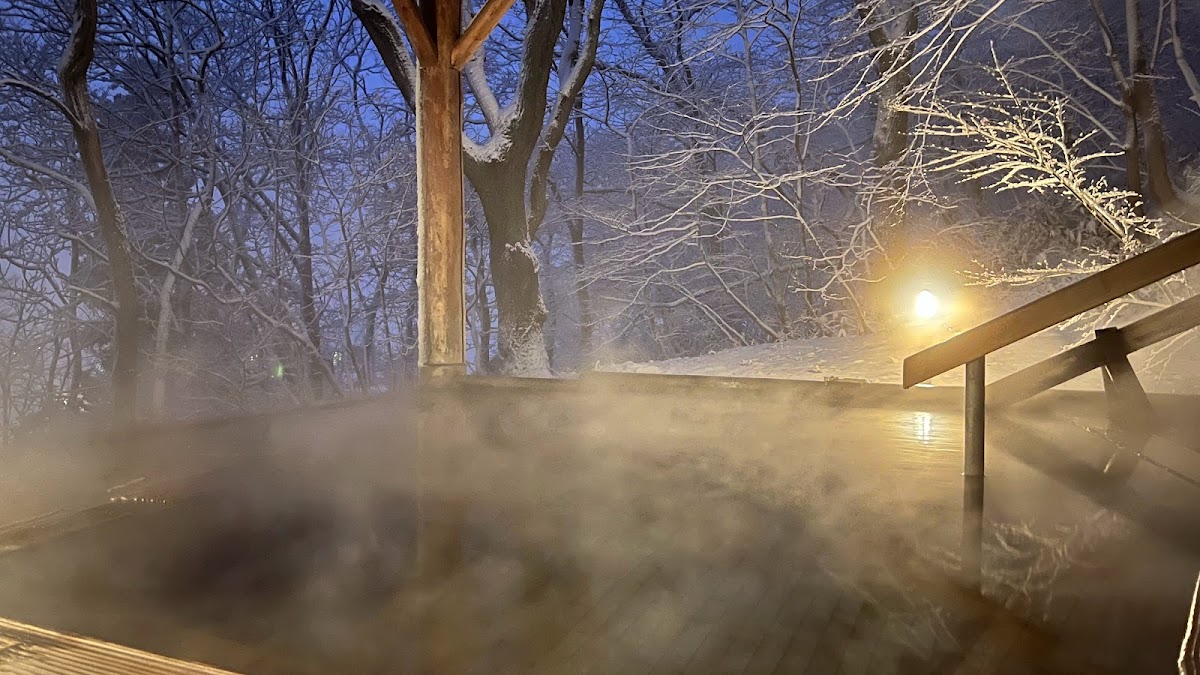
Massive outdoor baths along a mountain river, surrounded by forest that blazes with color in late October. The scale of the baths and the mountain valley setting create an immersive autumn foliage experience: you're not viewing fall colors from a window but sitting in hot water beneath a canopy of red and gold. Fallen maple leaves float on the bath's surface and collect at the edges. The mixed-gender main bath is at its most atmospheric during autumn.
Hakone: The Tokyo Weekend Escape
A forest hotel in the Sengokuhara area of Hakone with outdoor onsen baths surrounded by autumn trees. The property's forested setting means you're immersed in foliage rather than viewing it from a distance. The art-focused atmosphere adds cultural dimension to the natural spectacle. Hakone's autumn color peaks in mid to late November, making it one of the later-blooming areas near Tokyo and ideal for those who miss earlier mountain foliage.
Kyoto: The Grand Finale
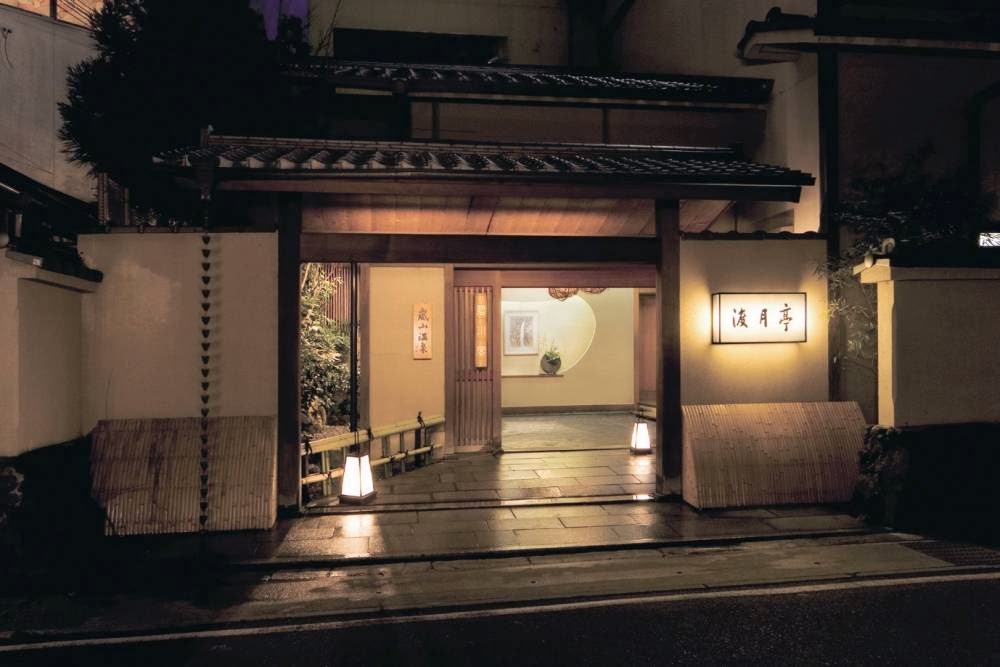
Arashiyama in autumn is one of Japan's most famous views: the Togetsukyo bridge with mountains blazing red and gold behind it. Togetsutei's elevated position above the river captures this view from private rooms and baths. November evenings when the temples illuminate their autumn gardens (lightup events) add an extra dimension to staying in western Kyoto. The competition for autumn rooms here is fierce; book 6 months ahead.
The name says it all: Momijiya means "maple house." Located in the Takao district of northern Kyoto, this riverside ryokan is literally named for its autumn foliage. The outdoor dining platform extends over a stream shaded by ancient maples that turn brilliant red in November. The onsen baths face the forested hillside. Takao is Kyoto's less-visited autumn foliage area, offering dramatic color without Arashiyama's extreme crowds.
Autumn Kaiseki: The Peak of Japanese Cuisine
Many chefs consider autumn the pinnacle of kaiseki season. The ingredients available in autumn are richer and more varied than any other time of year:
Matsutake mushrooms: The most prized ingredient in Japanese autumn cuisine. Grilled, in soup (dobin mushi), or steamed with rice (matsutake gohan). Available September through November, with prices reflecting extreme scarcity.
Kuri (chestnuts): Appear in everything from savory rice to sweet desserts. Tamba chestnuts from Hyogo and Obuse chestnuts from Nagano are particularly famous.
Sanma (Pacific saury): Grilled whole over charcoal with a squeeze of sudachi citrus. The defining taste of Japanese autumn.
Shinmai (new rice): The season's first harvest rice, prized for its exceptional moisture and sweetness. Served plain to appreciate its quality.
Game and mountain fare: Mountain ryokan serve venison, wild boar (botan nabe), and wild mushrooms foraged from surrounding forests.
Planning Tips
Booking
Autumn weekends at popular onsen ryokan book out 3-6 months ahead. Weekdays are dramatically easier and often ¥5,000-10,000 cheaper per person. The best strategy: book a weekday stay in your target week and monitor foliage forecasts to confirm timing. If the forecast shifts, some properties allow date changes with advance notice.
Photography
Overcast days produce the most vivid foliage colors (no harsh shadows or blown-out highlights). Rain-dampened leaves are the most saturated. Early morning mist rising from onsen water through autumn foliage is the most photogenic onsen scene. Note: photography in communal baths is never permitted; only photograph foliage from private baths or exterior views.
Combining Autumn Activities
Pair foliage onsen with: hiking (mountain trails are at their most beautiful), temple visits (Kyoto and Nikko temples with autumn gardens), and food experiences (sake breweries start winter preparation, matsutake markets peak). A three-night autumn itinerary might combine two nights at a mountain onsen ryokan with one night in a cultural town.
Related Guides
- Japan Autumn Foliage Stays — broader autumn accommodation guide
- Snow Onsen — the next seasonal onsen experience after autumn
- Cherry Blossom Ryokan — spring counterpart to autumn foliage
- Hidden Onsen — remote baths with dramatic autumn settings
- When to Book a Ryokan — seasonal booking strategy