Ryokan booking in Japan follows patterns that surprise first-time visitors. Some properties book out a year ahead while identical-seeming ryokan have same-week availability. Understanding the rhythms of Japanese travel seasons, the hierarchy of booking demand, and the strategies for securing hard-to-get reservations makes the difference between your ideal stay and settling for what's left.
Peak Season Calendar
Highest Demand (Book 4-12 Months Ahead)
Cherry blossom season (late March - mid April): The most competitive period for ryokan in Kyoto, Hakone, and popular onsen towns. Kyoto properties like Tawaraya and Hiiragiya book out 6-12 months ahead. Hakone properties fill 3-4 months ahead. Tohoku sakura (late April) is less competitive.
Golden Week (April 29 - May 5): Japan's longest holiday period. Nearly all ryokan fully booked. Rates are at annual highs. Minimum stay requirements (2-3 nights) are common. Book 4-6 months ahead.
New Year (December 28 - January 3): Premium rates and limited availability. Many ryokan offer special New Year packages with osechi cuisine and hatsuhinode (first sunrise) viewing. Book 3-6 months ahead.
High Demand (Book 2-4 Months Ahead)
Autumn foliage weekends (October - November): Particularly competitive in Nikko, Hakone, Kyoto, and Tohoku. Weekdays are significantly easier to book than weekends. The specific "peak" weekend shifts each year based on when foliage peaks.
Obon (August 11-16): Japan's Buddhist holiday when families return to hometowns. Rural ryokan fill with domestic travelers. Book 2-3 months ahead.
Three-day weekends: Japan has approximately 15 national holidays, many creating three-day weekends. These sell out 1-2 months ahead at popular properties.
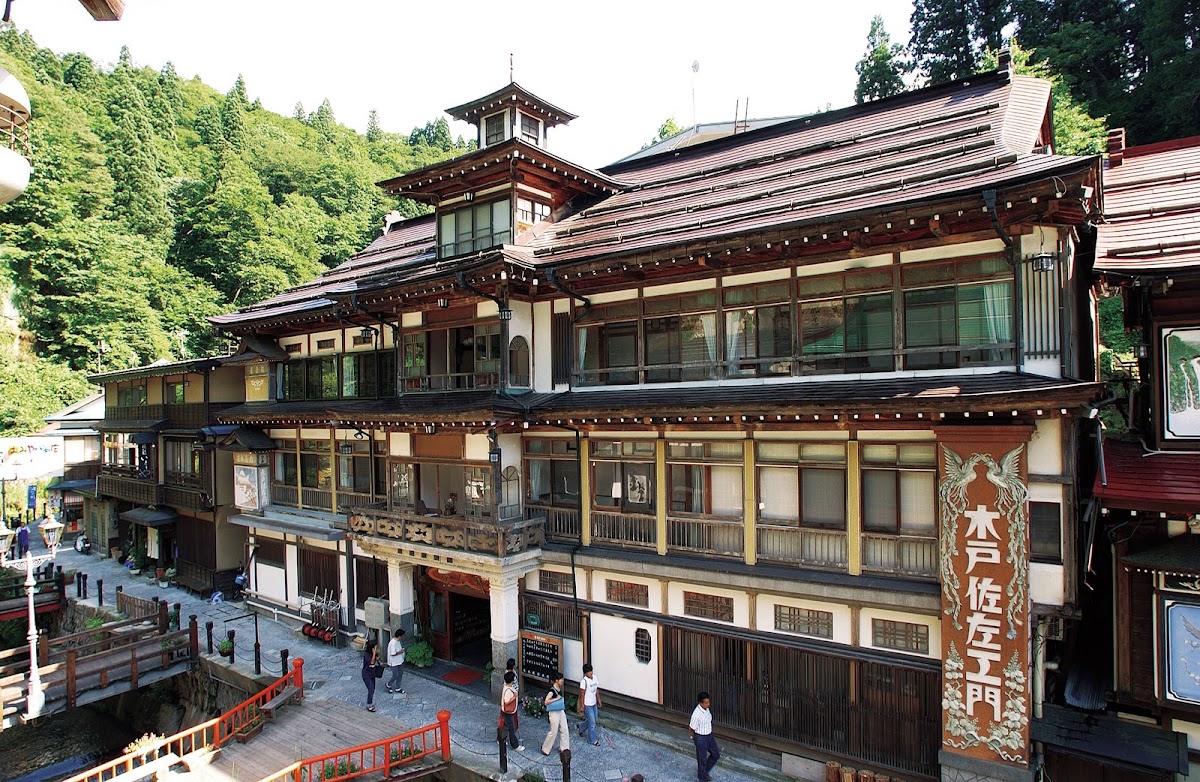
Snow onsen weekends (January-February): Increasing demand for snow country onsen, especially Ginzan Onsen, Nyuto Onsen, and Niseko. Book 2-3 months ahead for weekends.
Moderate Demand (Book 1-2 Months Ahead)
Regular weekends year-round: Most ryokan have availability 4-6 weeks ahead for non-peak weekends. Friday and Saturday nights are most competitive.
Summer (July-August, excluding Obon): Mountain and highland onsen are popular but not fully booked except at the most famous properties. Beach-area properties in Okinawa fill earlier.
Low Demand (Book 2-4 Weeks Ahead)
January (after January 3): The quietest period. Excellent rates and availability. Cold weather, but ideal for snow onsen during the week.
February (excluding Valentine's weekend): Quiet nationwide. Mountain areas have excellent snow. Rates are at annual lows.
June (rainy season): Tsuyu (rainy season) deters many visitors, but onsen bathing in the rain is actually atmospheric. Excellent kaiseki with early summer ingredients. Firefly season begins mid-June.
Weekdays year-round: Tuesday and Wednesday nights have the most availability at any time of year.
Booking by Property Type
Ultra-Luxury Ryokan
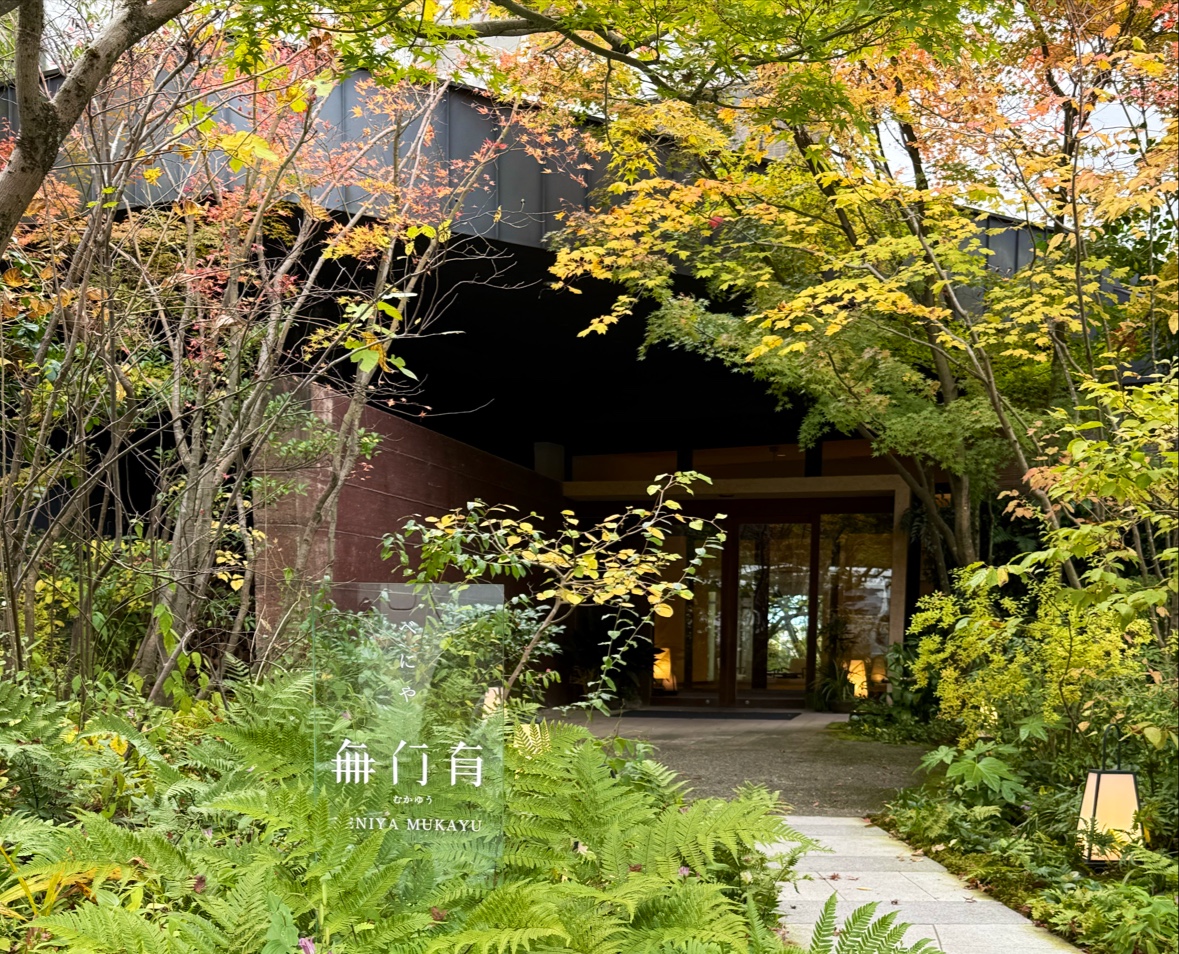
Properties like Zaborin, Gora Kadan, Tawaraya, Hiiragiya, and Beniya Mukayu have limited rooms (often under 20) and global demand. These require the longest advance booking:
- Peak season: 6-12 months ahead
- Regular weekends: 3-4 months ahead
- Weekdays: 1-2 months ahead
- Some maintain waitlists for sold-out dates
Mid-Range Ryokan
The majority of quality ryokan (¥25,000-50,000/person) have more rooms and less international demand:
- Peak season: 2-4 months ahead
- Regular weekends: 1-2 months ahead
- Weekdays: 2-4 weeks ahead
Budget Ryokan
Smaller properties in less-touristed onsen towns often have availability even on short notice:
- Peak season: 1-2 months ahead
- Regular periods: 1-4 weeks ahead
- Last-minute: often possible for weekdays
Where to Book
Direct Booking
Always check the property's own website first. Benefits: best rate guarantee (common in Japan), room type selection, special requests accommodated, and no commission lost to platforms. Many Japanese ryokan offer direct-booking discounts or extras (welcome drinks, late checkout).
Japanese Platforms
Jalan.net: Japan's largest domestic travel platform. Widest ryokan selection, including small properties not listed elsewhere. Points system rewards repeat bookings. Japanese interface with partial English translation.
Ikyu.com: Premium-focused platform with luxury ryokan. English interface available. Often has exclusive plans and packages. Best for high-end properties.
Rakuten Travel: Large selection, loyalty points, and sometimes exclusive rates. Japanese-focused but increasingly accessible to international travelers.
International Platforms
Booking.com: Widest international accessibility, most properties now listed. Rates are sometimes higher due to commission. Free cancellation policies are common.
Strategies for Hard-to-Book Properties
Book on release day: Many ryokan open bookings exactly 3 or 6 months ahead. Check the property's policy and book on the day your target date becomes available.
Watch for cancellations: Check availability repeatedly in the 2-4 weeks before your target date. Cancellations create openings, especially as Japanese cancellation policies impose charges only in the final week.
Be flexible on dates: Shifting by one day (especially from weekend to weekday) can open availability at otherwise sold-out properties.
Book by phone: Some traditional ryokan, especially in rural areas, don't list all availability online. A phone call (or email) may reveal rooms not shown on platforms.
Use a travel agent: Japanese travel agents (JTB, HIS) sometimes have room allocations at popular ryokan that aren't available for direct booking.
Related Guides
- Ryokan Price Guide — understand what you'll pay by season
- Cherry Blossom Ryokan — booking for the most competitive season
- Autumn Foliage Onsen — booking for fall color season
- Onsen Ryokan Guide — comprehensive ryokan introduction
- Ryokan Etiquette — know before you arrive