There is no physical sensation in travel quite like it: your body submerged in volcanic mineral water at 42 degrees Celsius while snowflakes land on your hair, melt on your shoulders, and accumulate on the rocks surrounding the bath. The steam rises in thick clouds, the air bites your face, and the world beyond the bath edge is white silence. This is yukimi buro, the snow-viewing bath, and it is one of the great experiences of Japan.
Tohoku: Japan's Snow Onsen Heartland
The Tohoku region (northeastern Honshu) receives Japan's heaviest snowfall on the Pacific side and combines it with some of the country's most atmospheric onsen towns. This is where snow onsen reaches its most dramatic form.
Nyuto Onsen, Akita
Seven rustic onsen inns scattered through a beech forest at the base of Mt. Nyuto. The snow here is relentless, transforming the forest into a monochrome landscape of white and dark bark. The mixed-gender outdoor bath at Tsurunoyu, steaming milky white against deep snow, is the most iconic snow onsen image in Japan.
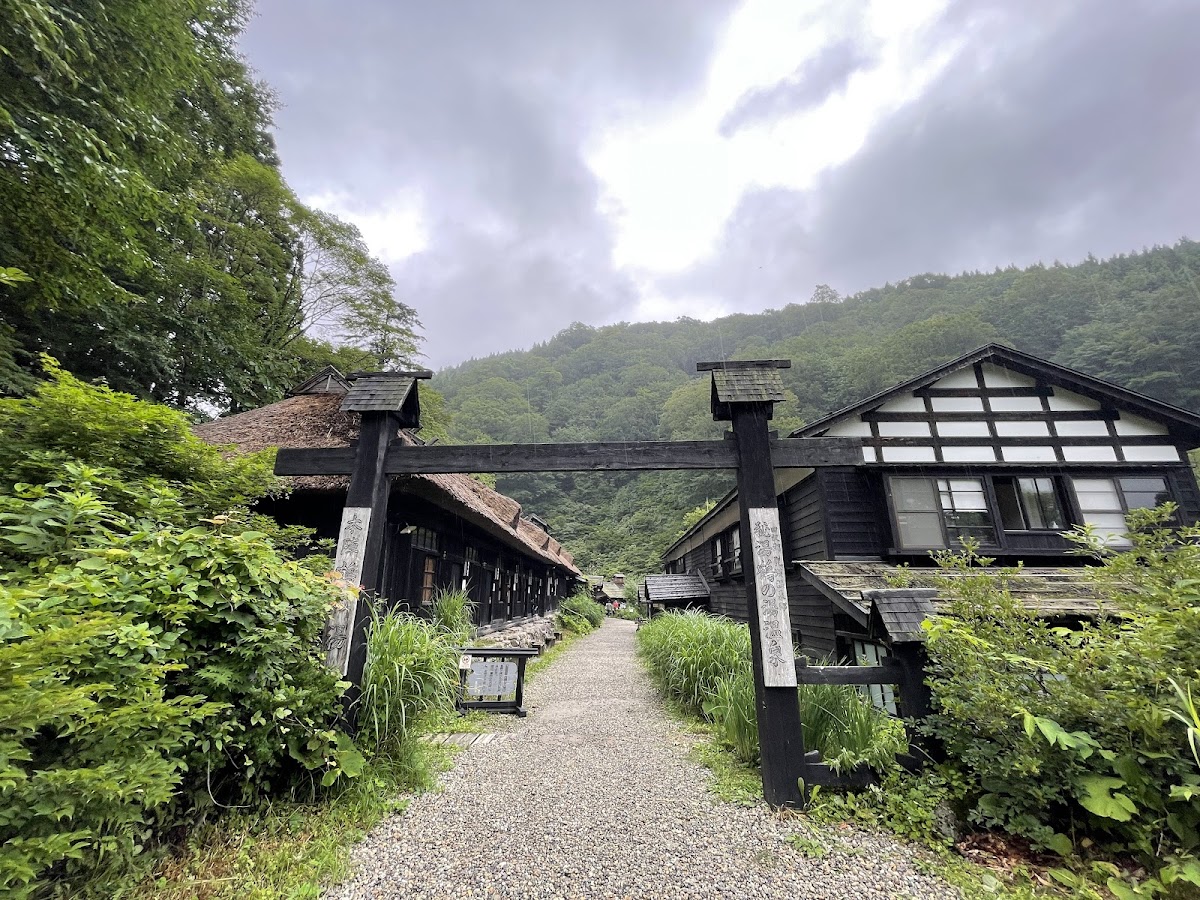
Japan's most photographed snow onsen. The 350-year-old thatched-roof inn sits deep in the mountains of Akita, accessible by a mountain road that becomes a snow tunnel in winter. The milky white outdoor bath is surrounded by towering beech trees heavy with snow. At night, oil lamps illuminate the steam. The accommodation is deliberately rustic: no TVs, no fancy amenities, just the essential experience of hot water, cold air, and ancient forest.
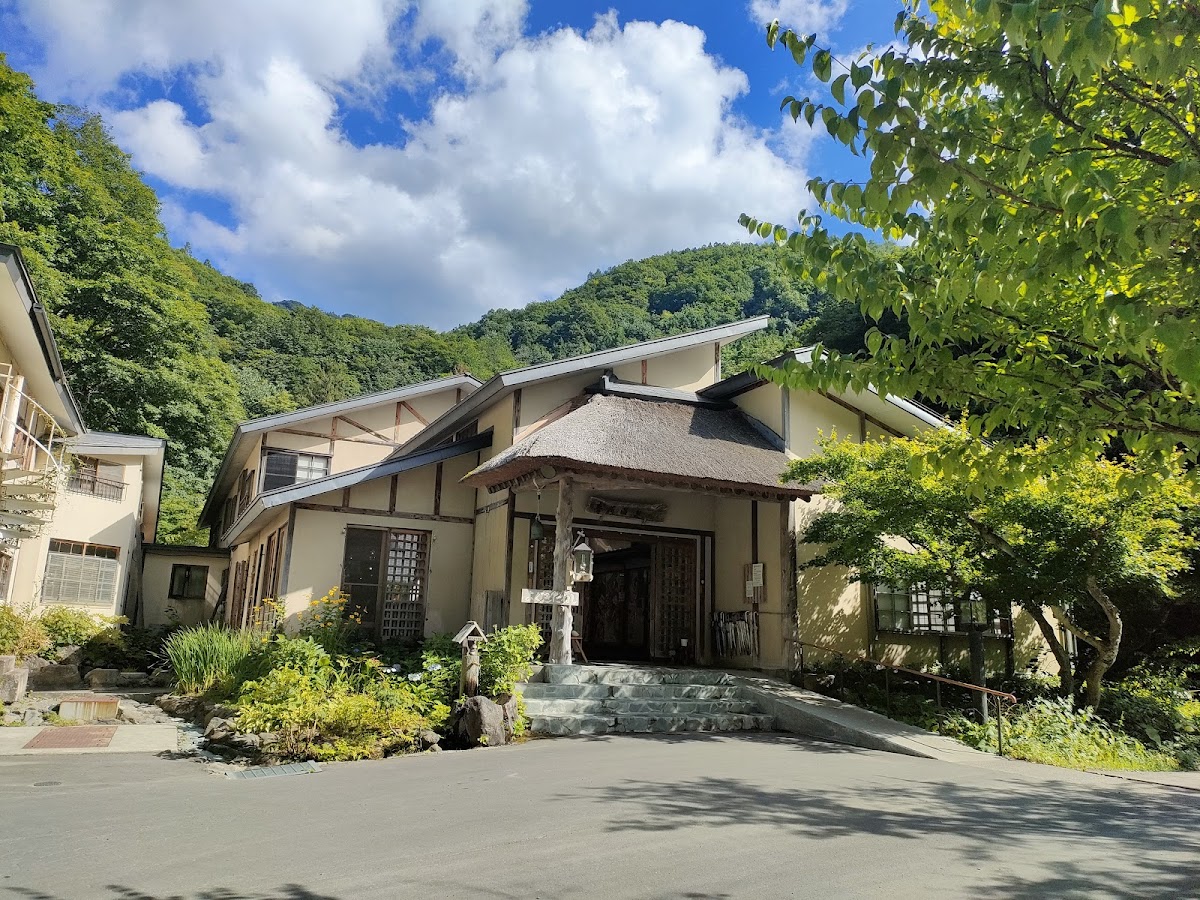
A slightly more modern option within the Nyuto Onsen cluster, Taenoyu offers both indoor and outdoor baths with views of the snow-covered mountain landscape. The rotenburo is positioned beside a stream, and in winter the sound of water running beneath ice accompanies your soak. The property bridges traditional Nyuto atmosphere with contemporary comfort, making it a good entry point for first-time snow onsen visitors.
Ginzan Onsen, Yamagata
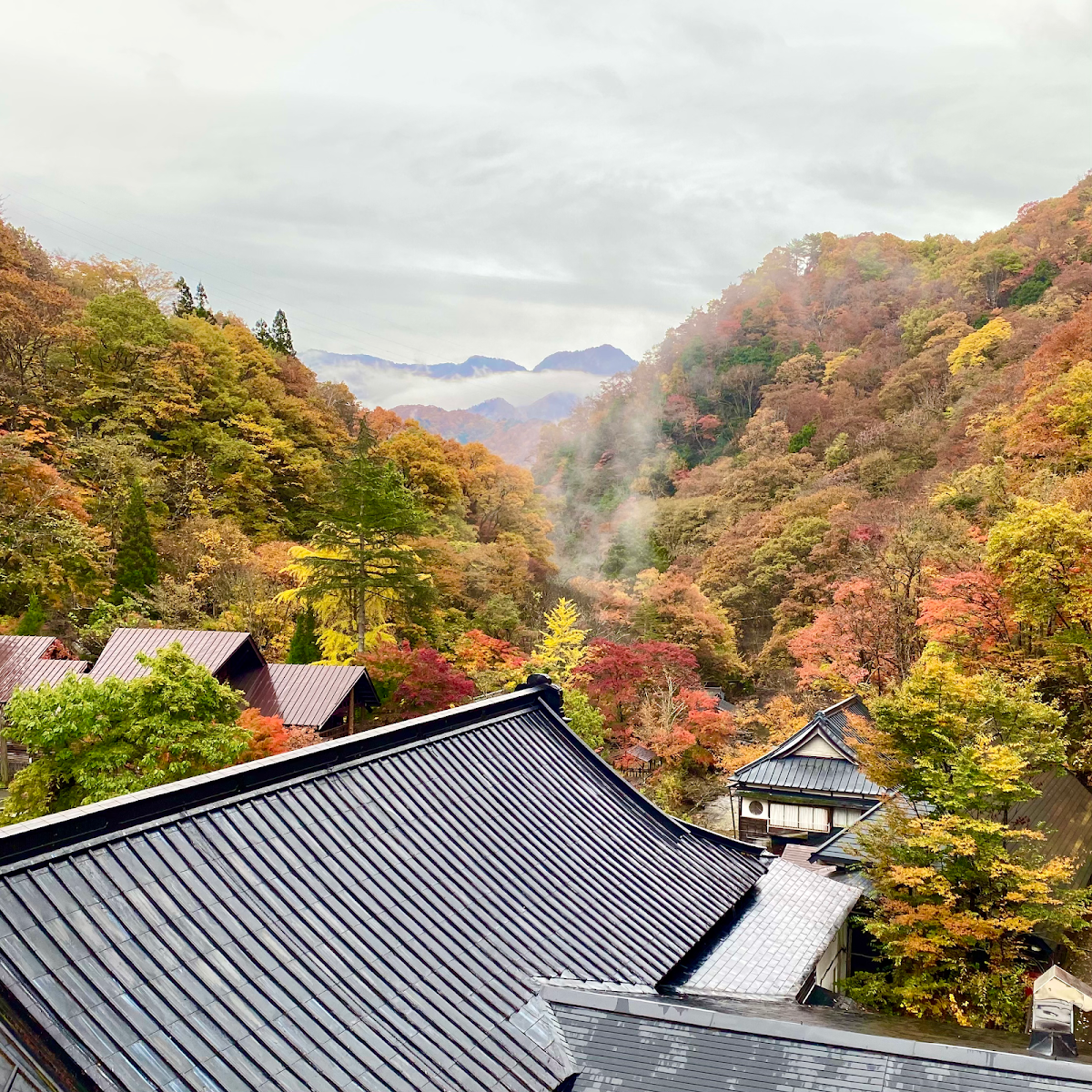
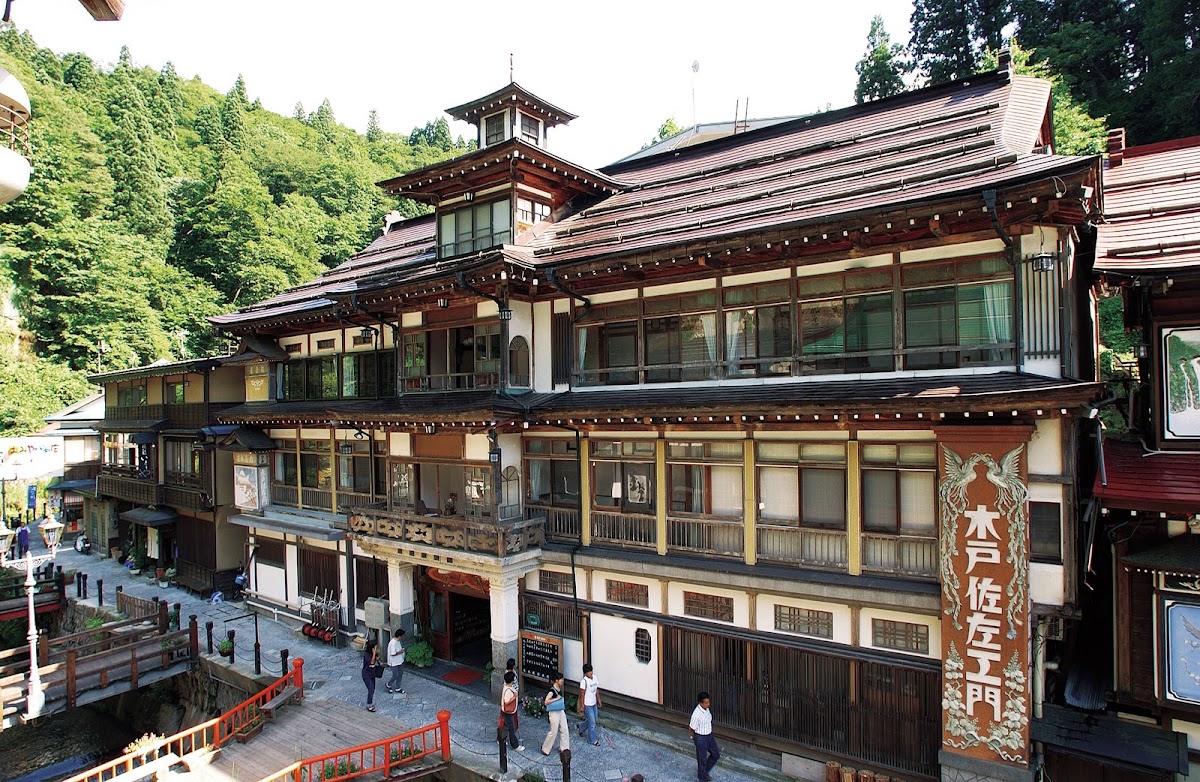
A narrow valley lined with wooden ryokan buildings illuminated by gas lamps. In heavy snow, Ginzan Onsen looks like a scene from a Ghibli film. The snow muffles sound and transforms the already atmospheric town into something ethereal.
A traditional ryokan in the heart of Ginzan Onsen. Winter evenings here are magical: gas lamps reflect off fresh snow, wooden buildings creak under its weight, and the river running through town steams in the cold air. The bath faces the snow-covered valley. After soaking, walking through the town in yukata and geta (wooden sandals) through falling snow is an experience that stays with you permanently.
Another atmospheric Ginzan ryokan where the outdoor bath offers direct views of the snowy valley. Takimikan's traditional wooden construction means the building itself becomes part of the winter scene. The kaiseki dinner features Yamagata's winter specialties: imoni (taro stew), locally raised beef, and pickled vegetables. The combination of exceptional food, snow scenery, and hot springs makes winter the best season to visit.
Aomori: Deep Snow Country
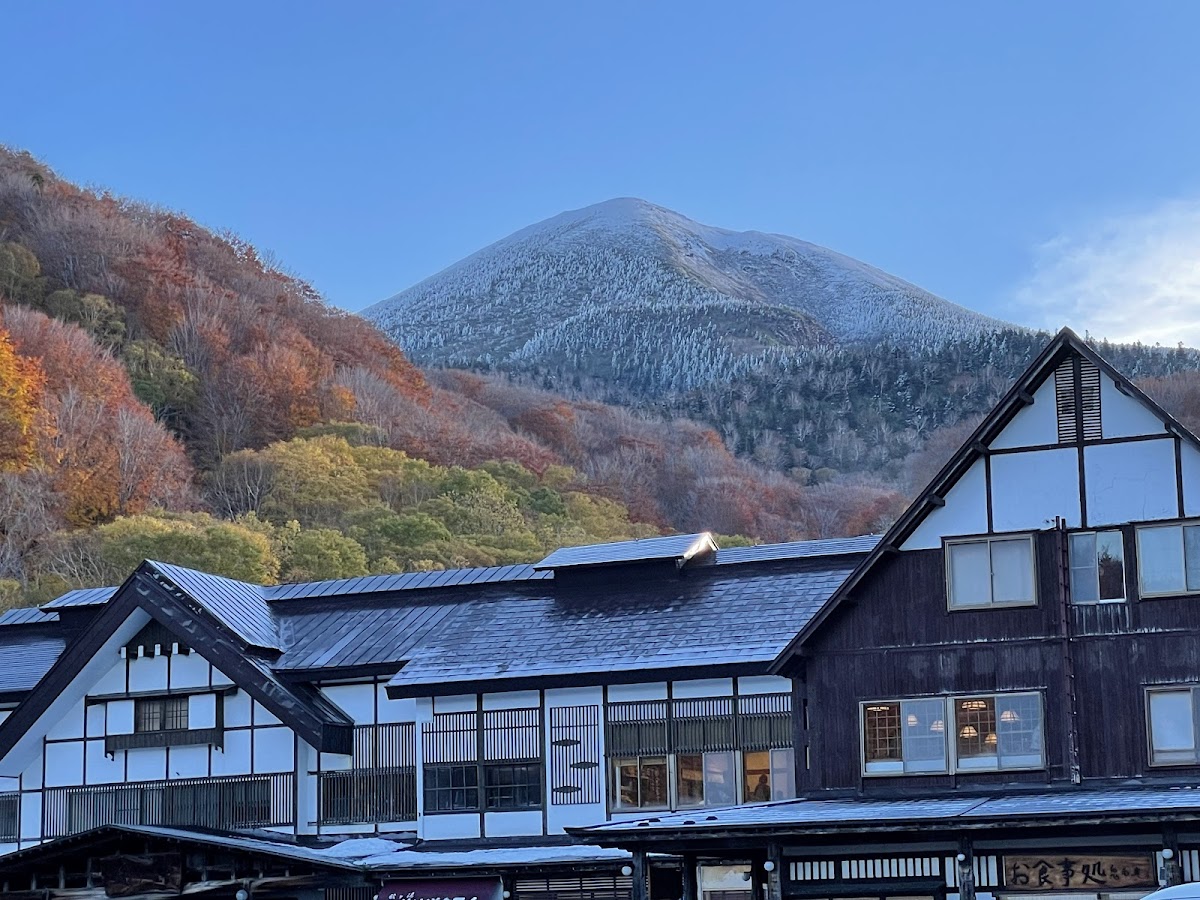
Located at the base of Mt. Hakkoda, one of Japan's snowiest locations (annual snowfall exceeds 8 meters), Sukayu Onsen is famous for its enormous mixed-gender indoor bath, the "Hiba Sennin Buro" (1,000-person bath). The outdoor baths are surrounded by forest buried in snow. Getting here in winter is part of the adventure: the mountain road traverses snow corridors that tower above vehicles. The onsen experience in this extreme snow environment is primal and unforgettable.
No electricity, no phone signal, no modern world. Aoni Onsen in winter is oil lamps on snow, steam rising from baths into black sky, and a silence so complete you hear individual snowflakes landing. The outdoor bath by the mountain stream is illuminated only by lamplight, creating a scene that has not changed in centuries. Winter access requires a shuttle through deep snow. This is the purest snow onsen experience in Japan.
Hokkaido: Powder Snow and Premium Onsen
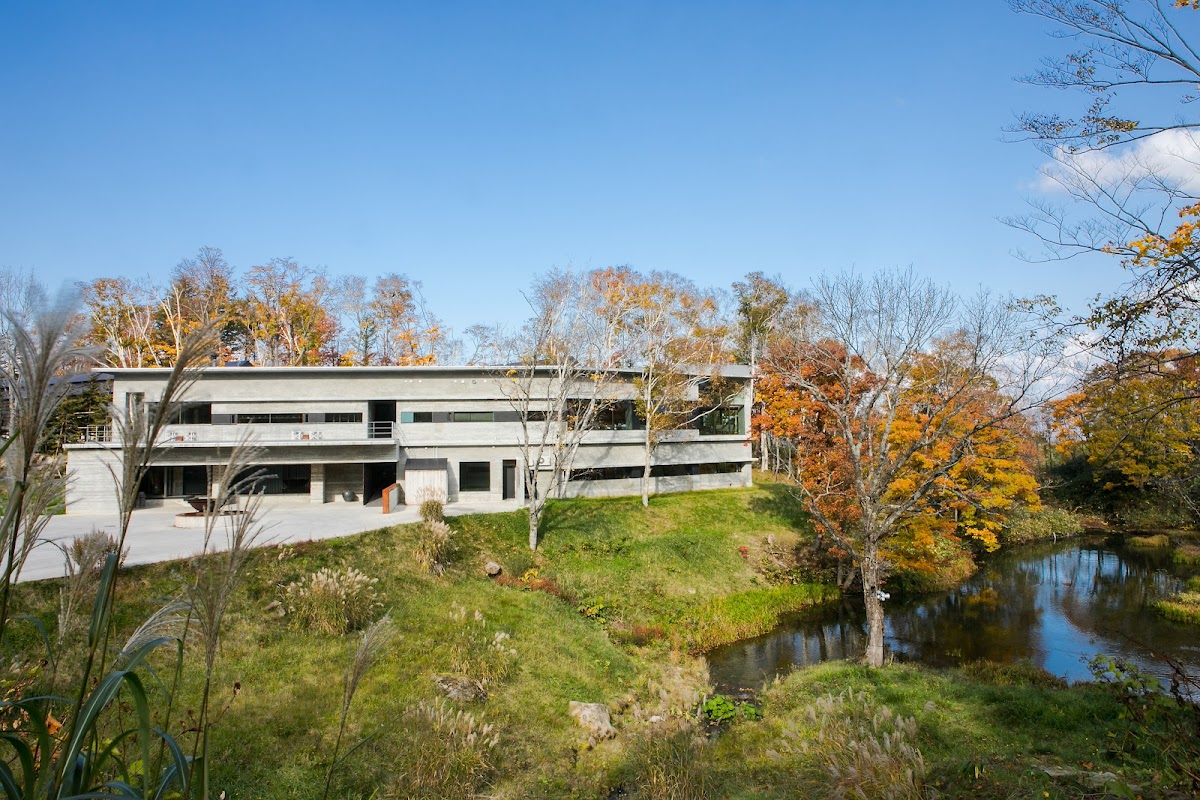
Each private villa at Zaborin has its own indoor and outdoor onsen, making snow onsen a private, couples-friendly experience. Niseko's famous dry powder snow falls silently around your villa as you soak. Mt. Yotei rises snow-covered in the distance. The luxury level means you can combine world-class skiing at nearby Niseko United resorts with the most refined snow onsen experience in Hokkaido. The contemporary architecture becomes even more striking against white snow.
A traditional-style onsen ryokan in Niseko's Konbu Onsen area, surrounded by birch forest. The outdoor baths face the forest, and in winter the birch trees become white columns in a white landscape. Private onsen baths let couples enjoy the snow scene together. The combination of Niseko skiing and traditional ryokan onsen bathing represents the best of Hokkaido's winter offerings.
Private onsen suites in Noboribetsu, Hokkaido's most famous onsen town. The town sits above a volcanic valley (Jigokudani/Hell Valley) that steams dramatically in winter cold. The resort's private baths use Noboribetsu's sulfur-rich mineral water, considered among the best quality onsen water in Japan. Winter transforms the volcanic landscape into a surreal scene of steam, snow, and mineral deposits.
Japanese Alps and Central Mountains
One of Japan's largest outdoor bath complexes, stretching along a mountain river. In winter, snow blankets the surrounding forest and accumulates on the rocks bordering the massive baths. The scale of the outdoor baths (four separate pools along the river) means you can find a quiet corner even when other guests are present. The mixed-gender main bath and separate women's bath are both spectacular in snow. The rustic mountain setting is three hours from Tokyo.
The legendary indoor bath at Hoshi Onsen, a soaring wooden hall where hot spring water bubbles up directly through the stone floor, is atmospheric in any season. But in winter, the journey through snow to reach this remote inn, and the contrast between the bitter mountain cold and the ancient volcanic heat rising through stone, creates something extraordinary. The arched windows of the main bath frame snow-laden trees.
Nozawa Onsen is one of Japan's best ski-and-soak towns: a traditional onsen village with 13 free public bathhouses and a ski resort directly above. After a day of skiing, descending into the village and soaking in one of the steaming public baths, snow still in your hair, is the quintessential Japanese winter sports experience. Sakaya is a refined ryokan in the village center, offering private villas and exceptional kaiseki.
Practical Tips for Snow Onsen
What to Expect
Snow onsen is physically intense. The temperature differential between the 42°C water and sub-zero air can reach 45+ degrees. Your body adapts quickly once submerged, but exits are bracing. The key is: don't rush. Ease into the water, let your body adjust, and stay submerged. When exiting, move to an indoor bath or warm changing room immediately. The whole experience should last 15-20 minutes in the outdoor bath.
What to Bring
A warm hat (your head is exposed while bathing), a small towel for your head (standard in Japanese onsen), warm socks and slippers for the walk to outdoor baths, and a waterproof bag for your towel and yukata. Most ryokan provide everything you need, but a personal waterproof phone case lets you capture the scene (where photography is permitted in private baths only).
Timing
The most atmospheric snow onsen moments: early morning (6-7am) when fresh snow has accumulated overnight and the bath is empty, and evening (8-10pm) when lamplight illuminates steam and falling snow. Midday is least atmospheric as daylight flattens the scene. New Year period (December 28 - January 5) is extremely busy; avoid if possible.
Getting There in Winter
Winter driving in snow country requires snow tires (mandatory in most mountain areas) or chains. Rental cars in snow regions come equipped with studless tires November through March. Many remote onsen offer shuttle services from the nearest station. Check road closures before departing: mountain roads may close during heavy snowfall. Shinkansen are extremely reliable even in heavy snow.
Related Guides
- Japan Winter Stays — complete winter accommodation guide
- Hidden Onsen Japan — remote hot springs with dramatic winter settings
- Couples Onsen Ryokan — romantic private snow baths
- Onsen Ryokan Guide — comprehensive ryokan introduction
- Nature Stays in Akita — Tohoku's snow onsen heartland