On warm June evenings across rural Japan, thousands of tiny lights begin to pulse along riverbanks and rice paddies. Hotaru (fireflies) have been celebrated in Japanese culture for over a thousand years, appearing in Heian-era poetry and symbolizing fleeting beauty, passion, and the souls of the departed. Watching them blink in synchronized patterns above a dark river is among the most quietly astonishing things you can witness in Japan.
Yet firefly watching remains almost unknown among international visitors. The season overlaps with Japan's rainy season, which deters many tourists, and the best viewing spots are in rural areas far from standard tourist routes. This is precisely what makes it special.
Understanding Japan's Fireflies
Japan has several firefly species, but two dominate viewing:
Genji-botaru (Genji firefly): The larger species (15-20mm), producing a strong, slow-pulsing yellow-green light. Found along clean rivers with specific water conditions. Named after the Tale of Genji. Peak: mid to late June.
Heike-botaru (Heike firefly): Smaller (8-10mm), with a faster, more continuous glow. Found in rice paddies, ponds, and slower waterways. Peak: July.
Fireflies require clean water, minimal light pollution, and specific vegetation. Their presence is an indicator of environmental health, which is why the best viewing spots are in Japan's cleanest, most undeveloped river areas.
Best Firefly Viewing Areas and Nearby Stays
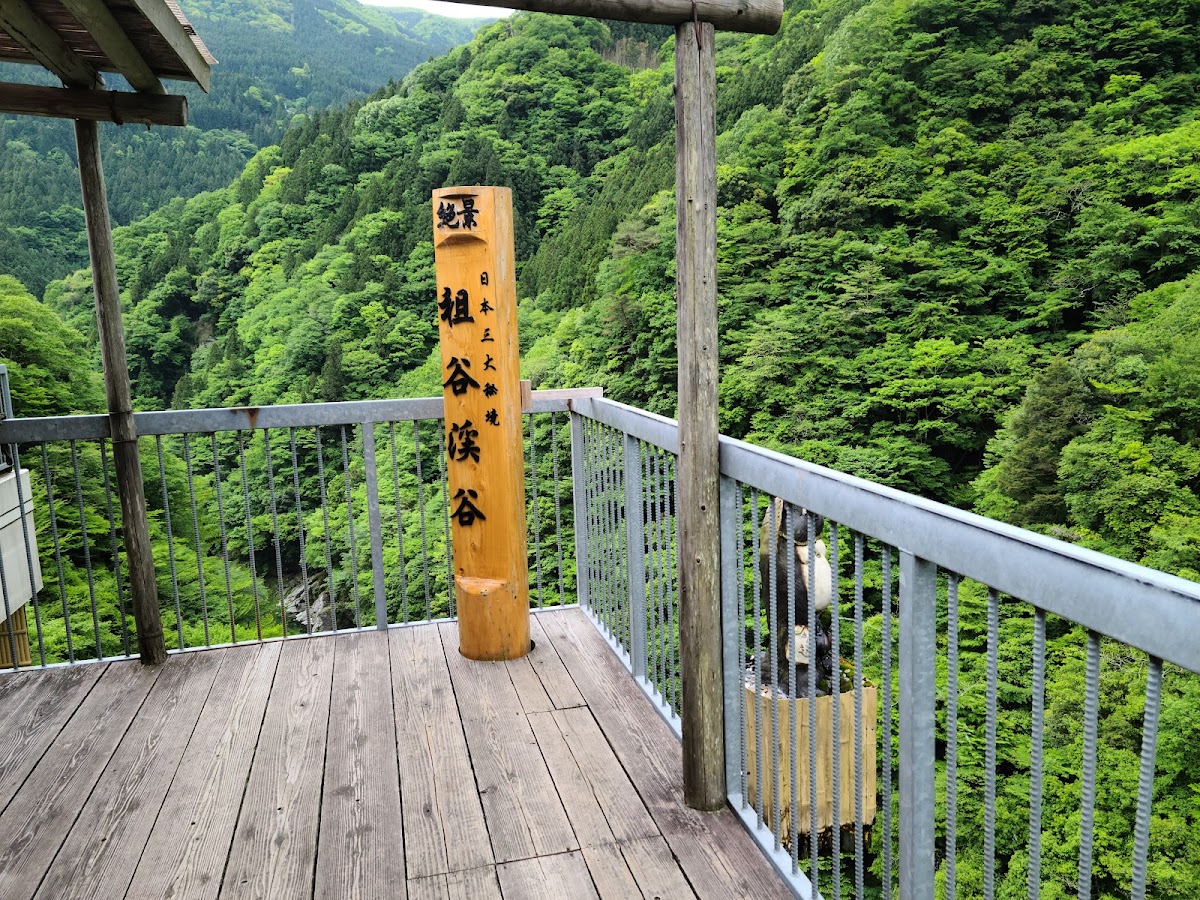
Iya Valley, Tokushima: Remote River Magic
The deep gorges of the Iya Valley in Shikoku are among Japan's most pristine river environments. The combination of clean water, minimal development, and deep forest creates ideal firefly habitat. June evenings along the Iya River produce spectacular displays, with fireflies reflected in the dark water.
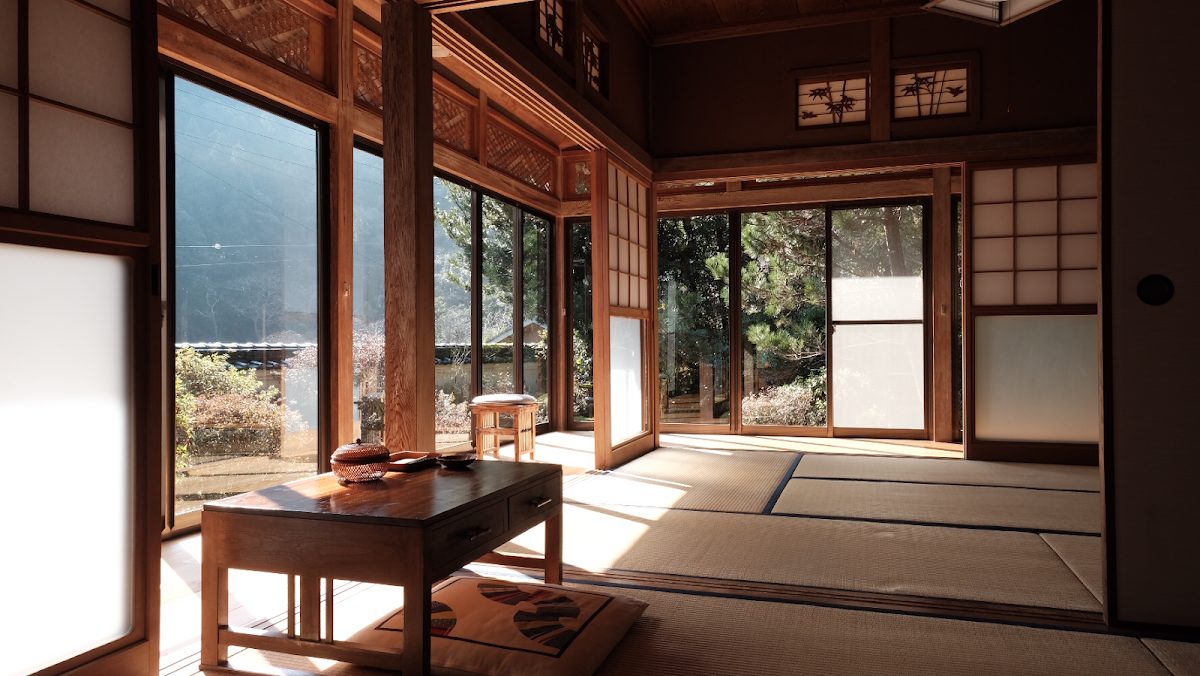
A small, refined ryokan perched above the Iya River gorge. The riverside setting puts you directly in firefly territory during June. After dinner (the fine dining here features local river fish and mountain vegetables), walk to the river's edge and watch the valley fill with blinking lights. The remoteness of the Iya Valley means almost zero light pollution, allowing fireflies to be seen in extraordinary numbers. The waterside rooms have a front-row view.
Shimanto River, Kochi: Japan's Last Clear Stream
The Shimanto River, often called Japan's last clear-flowing river (saigo no shimanto), runs through undammed countryside in western Kochi. The clean water supports thriving firefly populations along its banks. Mid-June brings Genji fireflies to the river's edge in numbers that can reach thousands per viewing spot.
Riverside villas along Shikoku's pristine waterways. During firefly season, the riverbank outside your villa becomes a natural viewing theater. The lack of development along the Shimanto means minimal light interference, and the warm, humid June evenings create ideal conditions. Daytime activities include river kayaking and swimming in crystal-clear water. This is rural Japan at its most unspoiled, and firefly season is its most magical period.
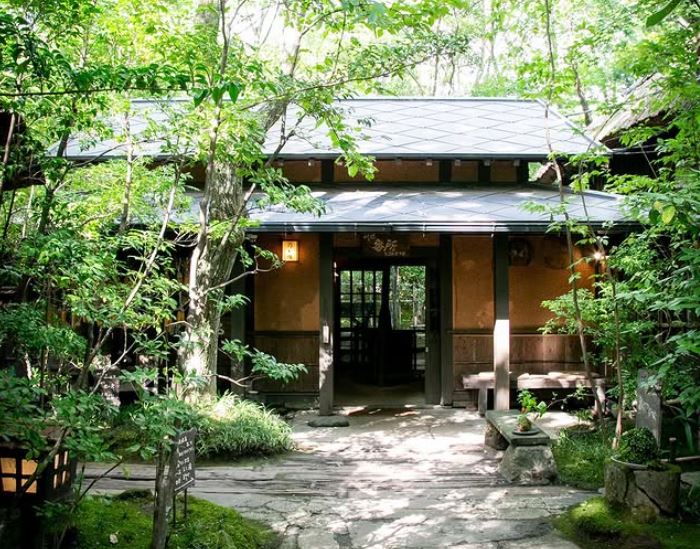
Kurokawa Onsen, Kumamoto: Fireflies and Hot Springs
The forested river valley around Kurokawa Onsen supports firefly populations that appear in June along the streams running through the village. Several ryokan organize evening firefly walks for guests. The combination of onsen bathing and firefly viewing makes Kurokawa one of the few places where both experiences can be combined in a single evening.
A forest-enclosed ryokan in Kurokawa where the stream running through the property sometimes hosts fireflies in June. The village's commitment to maintaining its natural forest environment supports the clean-water habitat fireflies need. After an evening onsen bath, walk the village paths in your yukata and watch for the telltale green lights along the waterway. Kurokawa's low-key atmosphere and forest setting enhance the contemplative firefly experience.
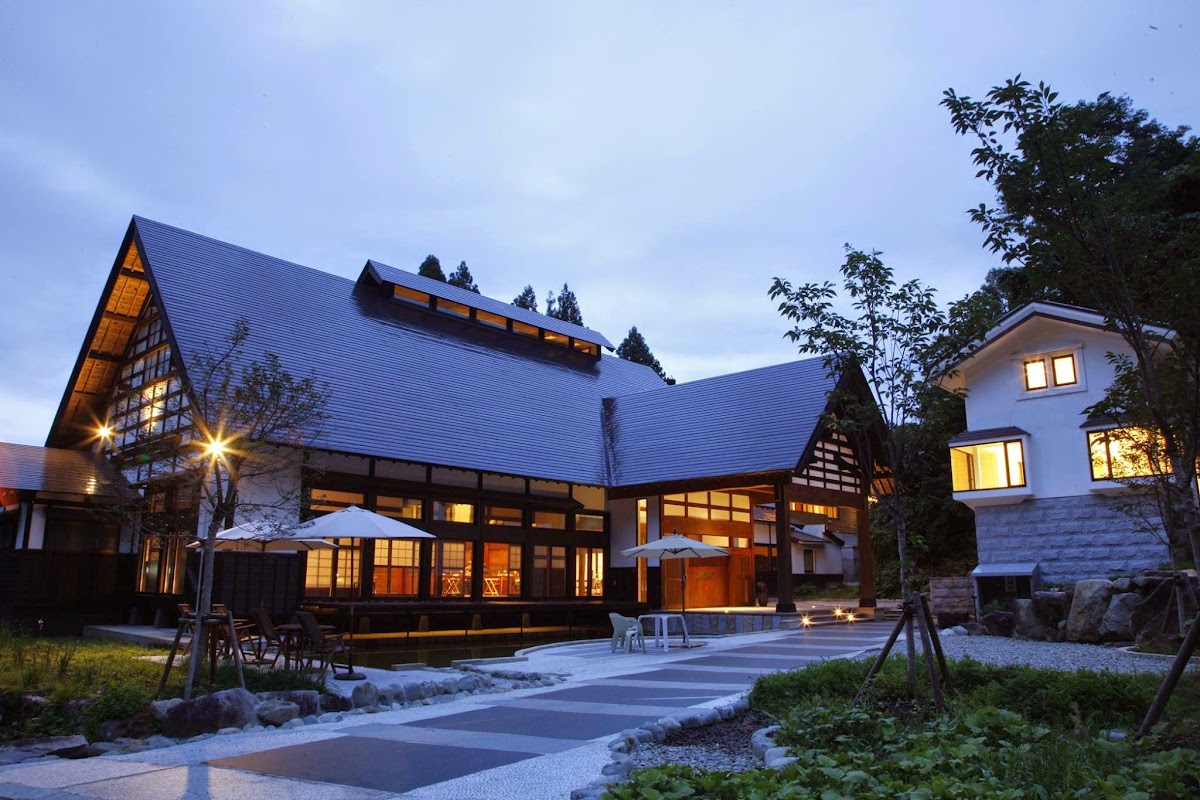
Niigata and Rural Northern Honshu
The rice paddies and clean rivers of rural Niigata and the Tohoku region support significant firefly populations. The satoyama (traditional agricultural landscape) with its rice paddies, irrigation channels, and forest edges is classic firefly habitat.
This design hotel sits in the heart of Niigata's rice country, surrounded by the paddies and waterways that fireflies inhabit. June visits may coincide with firefly displays in the surrounding satoyama landscape. The hotel's connection to its agricultural surroundings means staff know the local firefly spots and can guide evening walks. The design hotel's emphasis on seasonal experience makes firefly season a highlighted period.
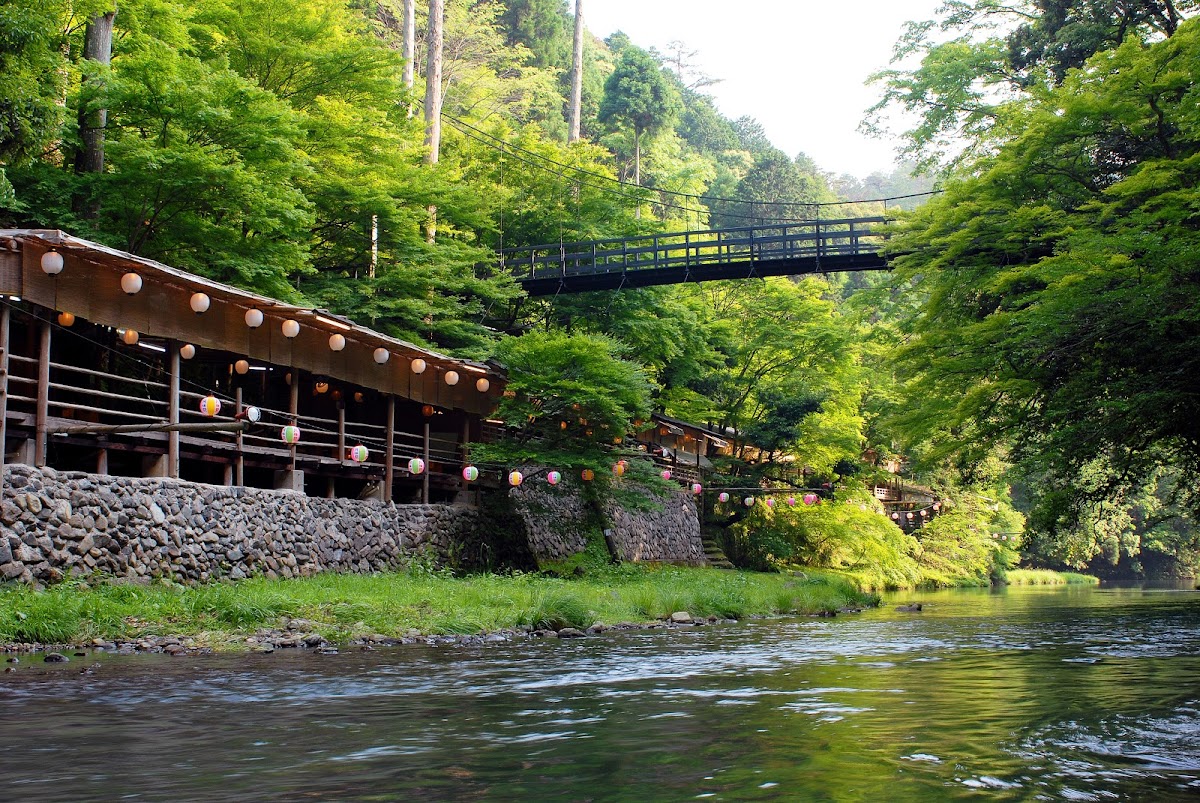
Kyoto Outskirts: Accessible Viewing
The riverside ryokan in Kyoto's northern Takao district sits alongside a stream that hosts Genji fireflies in June. The combination of a Kyoto-area ryokan with firefly viewing makes this accessible for visitors already in the Kansai region. The dinner on the riverside platform (kawadoko) during firefly season creates a uniquely atmospheric evening: traditional cuisine, rushing water, and floating points of light in the darkness of the ravine.
Highland and Mountain Areas
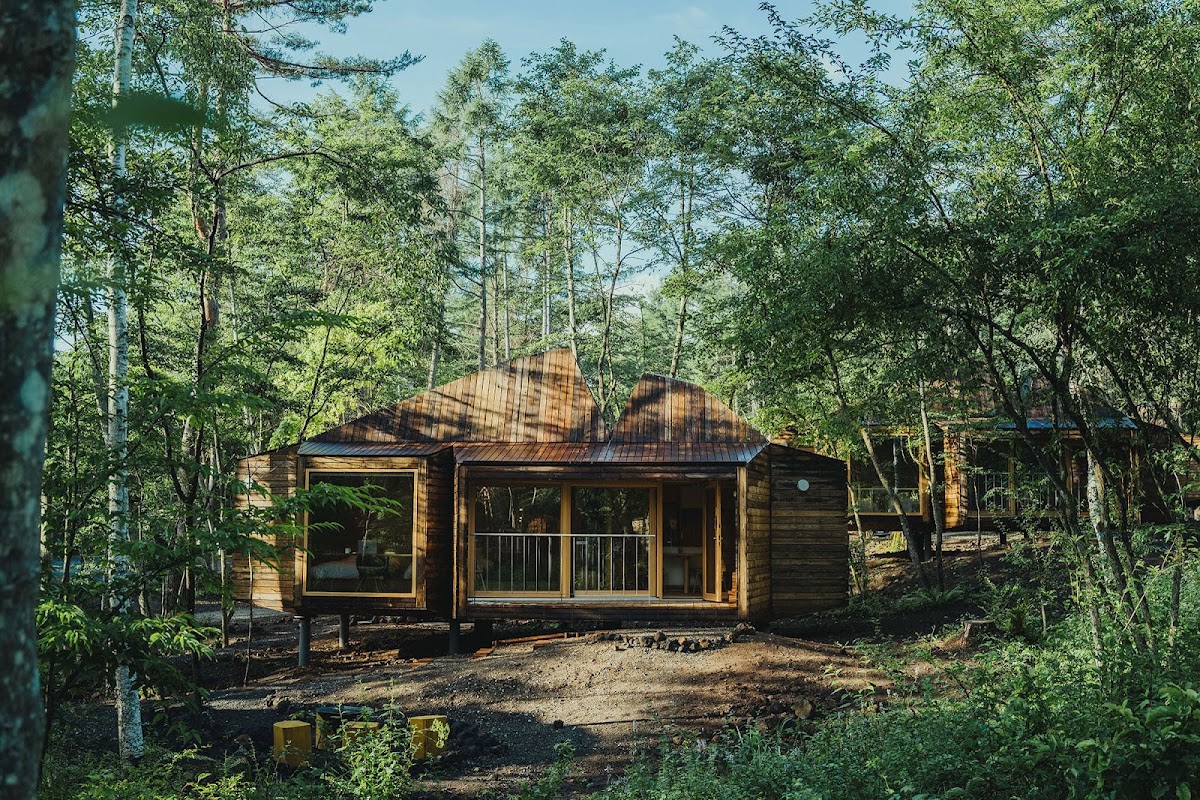
The highland area around Tsumagoi in Gunma, with its clean streams and minimal development, supports firefly populations that peak in July (later than lowland areas due to elevation). The cabin setting puts you in nature after dark, with the surrounding meadows and streams as potential viewing areas. The self-contained cabin format means you can step outside at any hour to check for firefly activity without disturbing other guests.
Practical Viewing Guide
When to Go
Peak viewing is 8:00-10:00pm, about 30-60 minutes after full darkness. The best conditions: warm temperatures (above 20°C), high humidity, no wind, and no moon (or a clouded moon). Evenings after rain showers are often the most spectacular. The season is short: typically 2-3 weeks of peak activity at any given location.
Viewing Etiquette
No lights: Flashlights, phone screens, and camera flashes disrupt firefly behavior. Use a red-filtered headlamp only for walking safety, and turn it off at viewing spots. If you must use your phone, reduce brightness to minimum and cover the screen.
No insect spray: Insect repellent can harm fireflies. Accept that mosquitoes are part of the experience, or wear long sleeves and pants instead.
Stay quiet: Noise doesn't directly affect fireflies, but it disrupts the contemplative atmosphere and other viewers' experience.
Don't catch: Fireflies are protected in many areas and live only 1-2 weeks as adults. Observe from a respectful distance.
Photography
Firefly photography requires long exposures (15-30 seconds), a tripod, a fast wide-angle lens (f/1.4-2.8), and high ISO (1600-6400). Flash is absolutely prohibited. The resulting images, streaks of green light over dark water, can be stunning. However, consider whether photographing is worth missing the immediate experience. Some moments are better lived than captured.
Weather and Rain
Firefly season coincides with Japan's rainy season (tsuyu). Rain during the day is common but doesn't prevent evening viewing. Active rain during viewing hours will suppress firefly activity. The best approach: book 2-3 nights in a firefly area to increase your chances of a clear evening. If it rains, enjoy the ryokan, the onsen, and the food, and try again the next evening.
Cultural Context
Firefly viewing (hotaru-gari) has been a Japanese cultural practice for over a millennium. In the Heian era (794-1185), aristocrats would capture fireflies in gauze cages to illuminate garden parties. The Genji firefly is named after Hikaru Genji, the protagonist of the world's first novel, The Tale of Genji. The firefly's brief adult life, just days of glowing before death, made it a powerful symbol of life's transience (mono no aware) in Japanese aesthetics.
Today, the return of fireflies to Japanese rivers is celebrated as an environmental success story. Many rural communities have worked to restore water quality and habitat. Firefly festivals (hotaru matsuri) in June are community events that mark both a natural phenomenon and the health of local ecosystems.
Related Guides
- Cherry Blossom Ryokan — spring's signature seasonal experience
- Autumn Foliage Onsen — fall's counterpart to firefly season
- Hidden Onsen — remote properties in firefly habitat
- Off the Beaten Path Hotels — rural Japan beyond tourist routes
- When to Book a Ryokan — seasonal timing guide