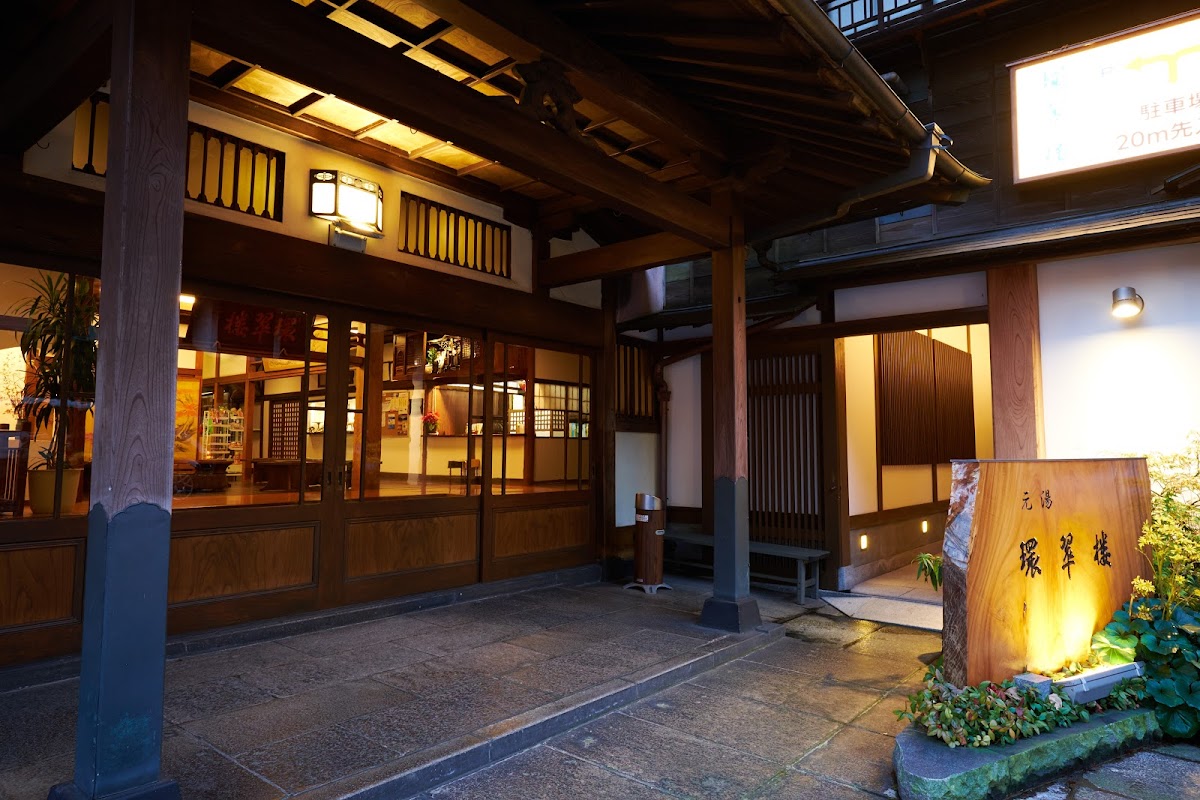
Your first ryokan stay can be the most memorable experience of a Japan trip, or it can feel confusing if you do not know what to expect. This guide walks you through every phase of a typical ryokan visit, from the moment you arrive to checkout the next morning, so you can relax and enjoy rather than worry about what comes next.
Before You Arrive: Setting Expectations
A ryokan is not a hotel with Japanese decor. It operates on a fundamentally different model. The entire stay is orchestrated around fixed mealtimes, and the staff choreograph your experience behind the scenes. Your room will be transformed multiple times: set for tea when you arrive, cleared for dinner, converted to a bedroom while you eat, and reset for breakfast the next morning.
Most ryokan rates include dinner and breakfast (a plan called 1-paku 2-shoku, meaning "one night, two meals"). Prices are quoted per person, not per room. This is the single most important thing to understand before booking.
Arrival: The First Impressions
Aim to arrive between 3:00 and 5:00 PM. Many ryokan near train stations offer shuttle pickups if you arrange them in advance. As you approach the entrance, staff may already be waiting for you; at smaller ryokan, they watch for arriving guests.
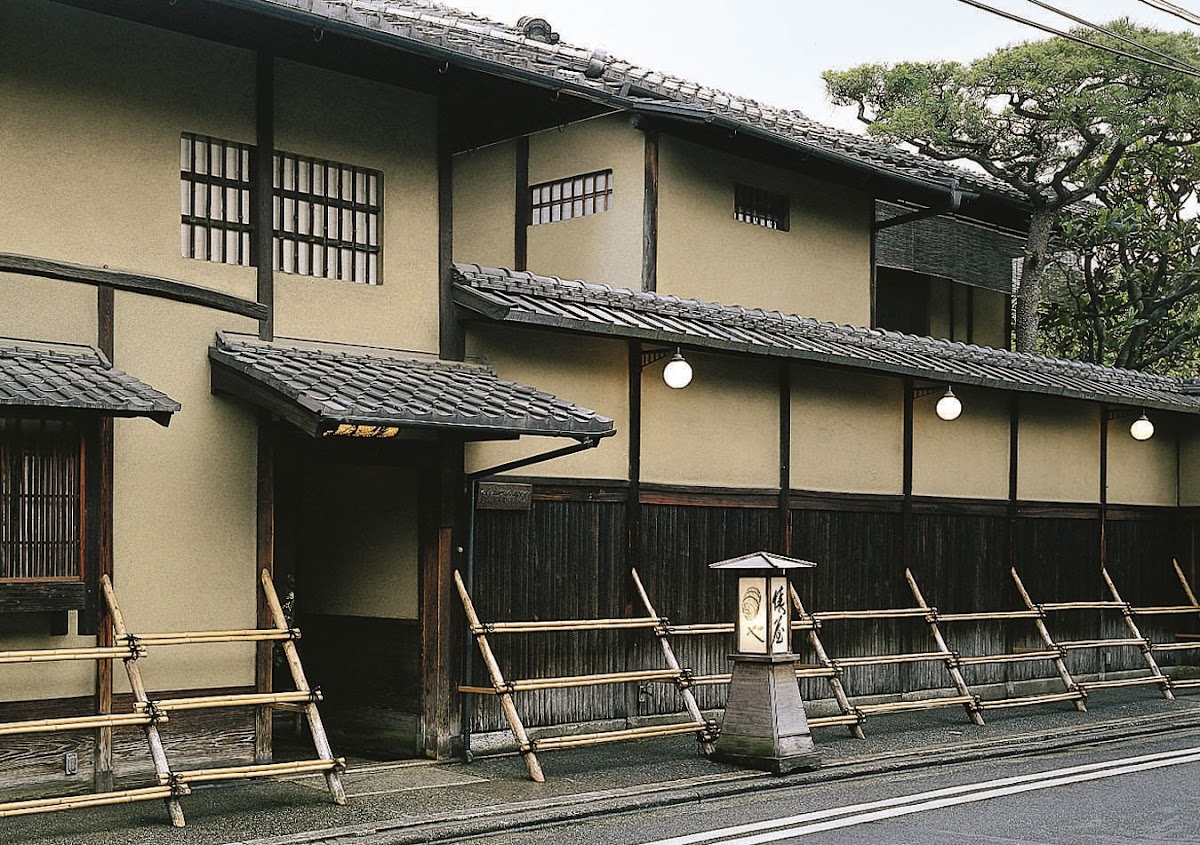
At the genkan (entrance hall), you will step out of your shoes. This is a significant threshold in Japanese culture: shoes carry the outside world, and removing them is both practical and symbolic. Slippers will be provided for indoor areas. Place your shoes neatly facing outward, or let the staff handle them.
You will be escorted to your room, often through corridors that reveal glimpses of gardens, baths, and architectural details. At properties like Hiiragiya in Kyoto, the walk to your room is itself a curated journey through nearly two centuries of design.
Your Room: Reading the Space
A ryokan room looks different from anything in Western accommodation, and every element has a purpose:
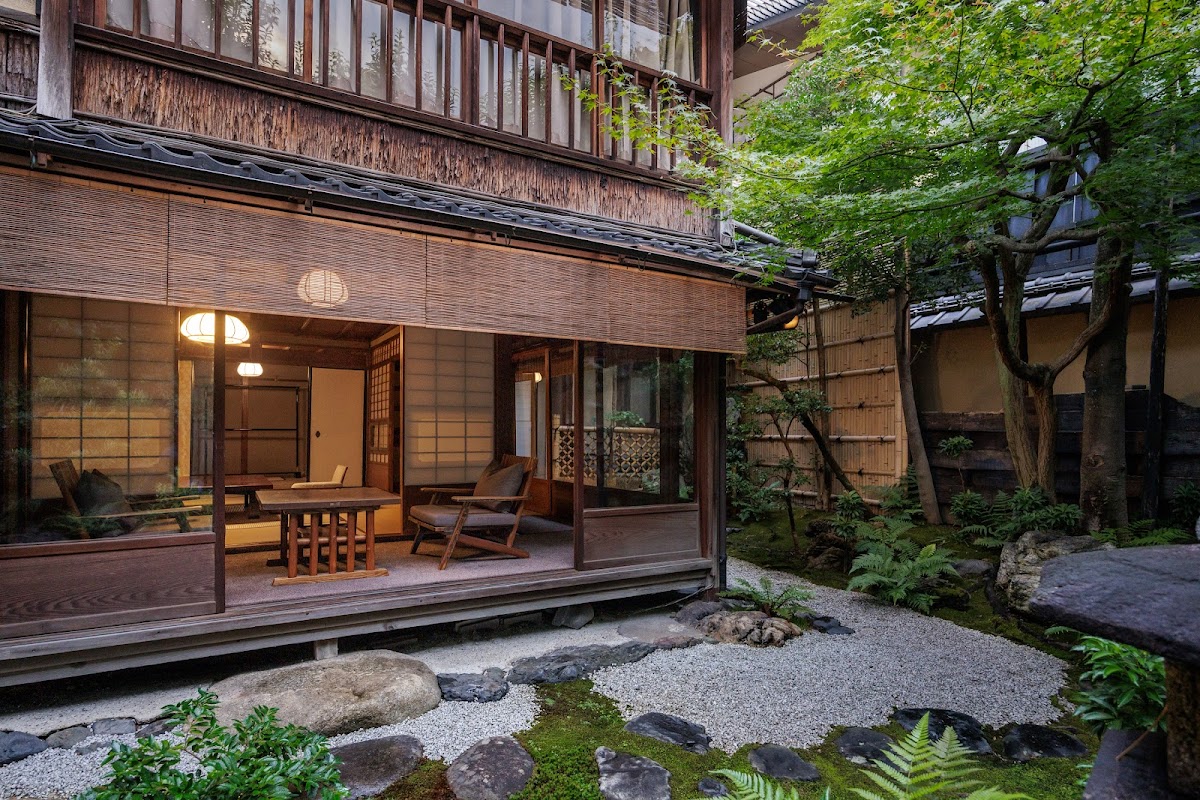
- Tatami floor: Woven rush mats that define the room. They feel firm but giving underfoot. Never wear slippers on tatami; stocking feet or bare feet only. The number of tatami mats indicates room size (a "10-jo" room has 10 mats, roughly 16 square meters).
- Low table (chabudai): The room's focal point during daytime. Tea and sweets will be set here when you arrive. You sit on zabuton cushions on the floor. If floor-sitting is difficult, most ryokan can provide a chair on request.
- Tokonoma: A recessed alcove displaying a hanging scroll (kakejiku) and a flower arrangement (ikebana) that change with the seasons. This is the room's spiritual center. Do not place bags or personal items in the tokonoma.
- Futon closet (oshiire): The large sliding-door cabinets where your bedding is stored during the day. The staff will lay out futons while you are at dinner.
- Veranda (engawa): Many rooms have a wooden veranda overlooking a garden, river, or mountain view. This liminal space between inside and outside is a defining feature of Japanese architecture.
Changing into Your Yukata
Your yukata and obi will be laid out, often in the room or on the futon closet shelf. The yukata is a lightweight cotton robe that serves as your uniform for the stay. In winter, a heavier outer robe called a tanzen or haori will also be provided.
The basic technique: put your arms through the sleeves, wrap the right side against your body first, then the left side over it (left over right, always). Tie the obi belt at your natural waist. The fit should be snug but comfortable. For a detailed step-by-step, see our yukata wearing guide.
Wearing your yukata throughout the ryokan is expected and normal. You will see other guests in theirs at dinner, in the hallways, and at the baths. At onsen towns, you may wear it outside too.
The First Bath
Before dinner, take your first bath. This is one of the great pleasures of a ryokan stay, especially if the property has natural hot spring water. Grab the small towel provided (tenugui), and head to the communal bath or your private bath.
At the communal bath: undress in the changing room, wash thoroughly at the shower stations before entering the water, and soak. The water temperature is typically 40-43 degrees Celsius (104-109 Fahrenheit). For detailed etiquette, see our onsen etiquette guide.
Properties like Zaborin in Hokkaido include two private baths per room (indoor and outdoor), eliminating any communal bathing anxiety for first-timers. At Gora Kadan, the variety of bath types lets you experience different mineral waters and settings throughout your stay.
Dinner: The Main Event
Kaiseki dinner at a ryokan is not just a meal; it is a performance of seasonal cuisine that can last 90 minutes to two hours. Courses arrive one at a time, each on distinct ceramic or lacquerware chosen to complement the food and the season. A typical progression:
- Sakizuke (appetizer): A small, elegant starter that sets the seasonal theme.
- Hassun (seasonal platter): A combination of small bites from mountain and sea.
- Mukozuke (sashimi): Fresh fish, often local species you will not find elsewhere.
- Takiawase (simmered dish): Vegetables and protein simmered in dashi broth.
- Yakimono (grilled dish): Often seasonal fish grilled over charcoal.
- Mushimono (steamed dish): Delicate custards or steamed preparations.
- Gohan (rice), miso soup, and pickles: The closing course that signals the meal's end.
- Mizumono (dessert): Seasonal fruit, wagashi (Japanese sweets), or sorbet.
Drinks are ordered separately at most ryokan. Local sake, beer, and wine are typically available. At properties like Asaba, the sake selection is curated to pair with each course.
For a complete overview of this cuisine, see our kaiseki cuisine guide.
After Dinner: Evening Rhythms
When you return to your room after dinner, it will have been transformed. The table is moved aside and thick cotton futons have been laid on the tatami. A down comforter or heavy quilt covers the futon. For tips on comfortable futon sleeping, see our tatami sleeping guide.
Many guests take an evening bath after dinner. The atmosphere is different at night: the outdoor baths are lit by subtle lanterns, and the quiet is deeper. At Aoni Onsen in Aomori, the entire property is lit only by oil lamps after dark, creating an atmosphere unlike anywhere else.
Some ryokan have lounge areas with books, tea, or sake available in the evening. Others are more private, with the expectation that guests retire to their rooms.
Morning: The Second Day
Wake early if you can. The morning bath is a ritual unto itself: the light is different, the temperature has changed, and you may have the entire bath to yourself. Many regular ryokan guests consider the morning bath superior to the evening one.
Breakfast is typically served between 7:30 and 9:00 AM. A Japanese ryokan breakfast is a substantial meal: grilled fish (often salmon or mackerel), rice, miso soup, pickled vegetables, tofu, a soft-boiled egg, nori seaweed, and small side dishes. It is intentionally nourishing and designed to sustain you through a day of travel or activity.
After breakfast, the staff will clear the futon (sometimes while you eat) and restore the room to its daytime configuration. Check-out is typically between 10:00 and 11:00 AM. At the entrance, your shoes will be waiting for you, and the staff will see you off, sometimes bowing until your car or taxi is out of sight.
Common Concerns for First-Timers
What if I cannot sit on the floor?
Request a chair or a room with Western-style seating when booking. Many modern ryokan offer rooms with tables and chairs alongside traditional elements. Properties like Gora Kadan have suites with both styles.
What if I have dietary restrictions?
Contact the ryokan at least one week before your stay. Most can accommodate vegetarian, pescatarian, and common allergy requirements. Vegan and halal options are more limited but increasingly available at internationally oriented properties.
What if I am uncomfortable with communal bathing?
Many ryokan offer private baths (kashikiri-buro) you can reserve for 45-60 minutes. Some rooms come with their own private bath. Properties like Zaborin and Beniya Mukayu include in-room onsen baths, so communal bathing is entirely optional.
What about tattoos?
Policies vary by property. Many traditional ryokan still restrict tattooed guests from communal baths, but private baths bypass this issue. Some modern ryokan have relaxed their policies entirely. Always ask when booking. See our tattoo-friendly onsen guide for specific recommendations.
Ryokan We Recommend for First-Timers
Four hundred years of continuous operation on the banks of the Sukumo River. Close to Tokyo, genuine onsen, and a warm atmosphere that puts first-time visitors at ease. The scale is intimate enough that the staff can guide you through every step.
Known for exceptional hospitality toward international guests. Riverside setting, excellent kaiseki, and staff who balance attentiveness with the space to let you discover things at your own pace.
If you want to experience the very best of ryokan culture, Tawaraya in Kyoto has been setting the standard since 1709. The in-room dining experience is among the finest in Japan, and the garden rooms are studies in refined simplicity.
Frequently Asked Questions
Most ryokan request arrival between 3:00 and 5:00 PM. Dinner preparation depends on your arrival time, so punctuality matters. If you will be late, call ahead.
A yukata cotton robe is provided and serves as your outfit for the entire stay. Wear it to baths, dinner, and bed. In winter, a heavier tanzen robe is also provided. See our yukata guide for wearing instructions.
At most traditional ryokan, dinner is included and expected. The entire evening schedule revolves around it. Some modern properties offer room-only plans, but at onsen ryokan the kaiseki dinner is integral to the experience.
Yes, with advance notice. Contact the ryokan at least one week before your stay. Vegetarian and common allergy accommodations are generally manageable. Vegan and halal options are more challenging but possible at some properties.
New to the concept? Start with our guide to what a ryokan is. For practical booking advice, see how to book a ryokan. Compare accommodation types in our Japanese inn types guide. Or explore all ryokan and nature stays on our map.