Japan has more types of accommodation than most travelers realize, and the differences go beyond price. Each type reflects a distinct philosophy about hospitality, architecture, and the relationship between guest and host. Understanding these differences will help you choose the right place for each leg of your trip, because the best choice often changes depending on where you are and what you want from the experience.
Ryokan: The Traditional Japanese Inn
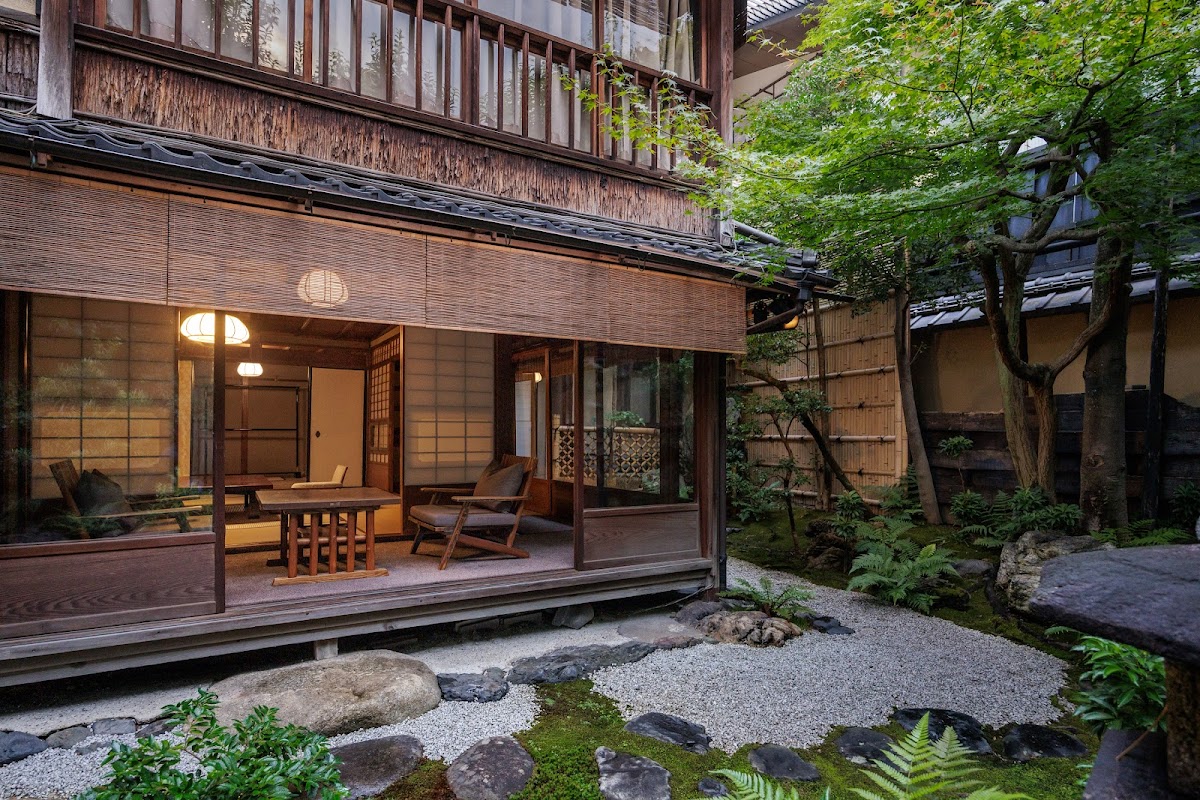
Ryokan are the most culturally rich accommodation option in Japan. They feature tatami-floored rooms, futon bedding, kaiseki cuisine (multi-course seasonal meals), and baths that are often fed by natural hot springs. Service follows the omotenashi tradition of anticipatory hospitality. Most ryokan include dinner and breakfast in the rate.
Price range: $150-1,500+ per person per night (including two meals)
Best for: Cultural immersion, special occasions, onsen experiences
Room style: Tatami floors, futon bedding, low table, tokonoma alcove
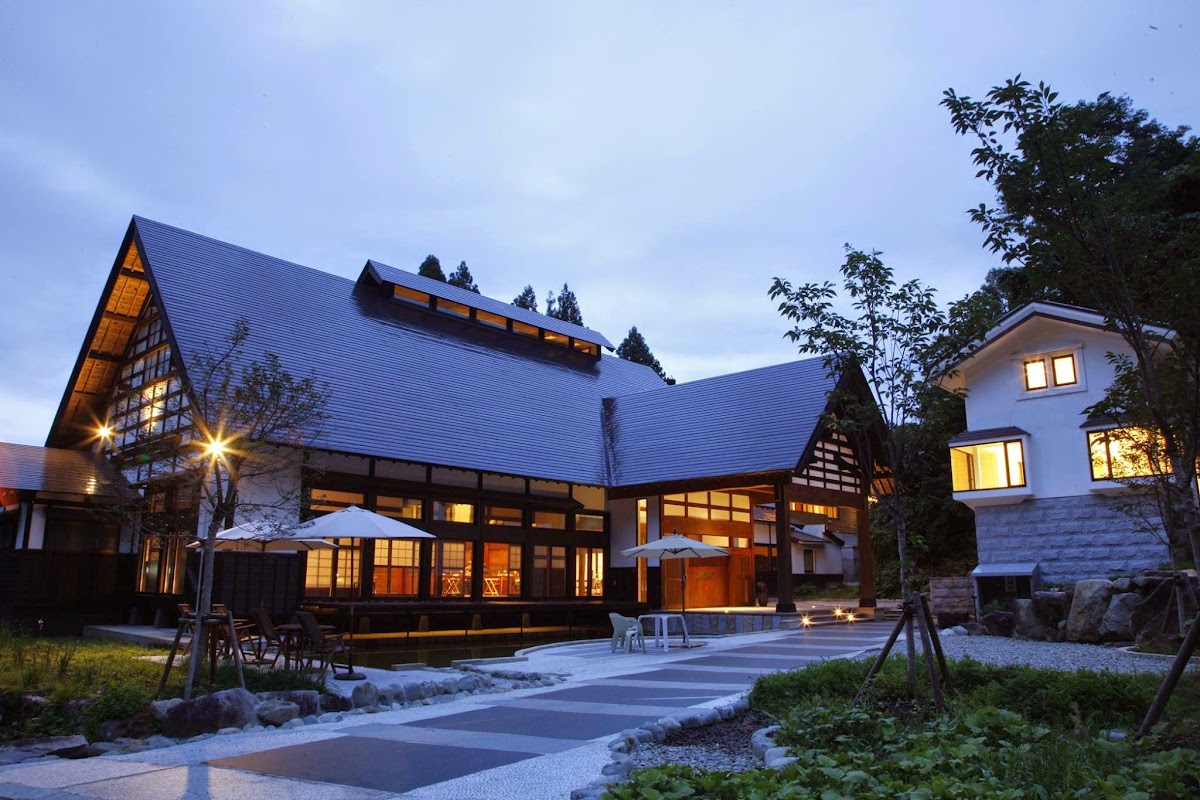
Ryokan themselves span a wide range. A centuries-old property like Asaba in Shuzenji (Michelin 3 Keys) represents the pinnacle of the form, while a modern interpretation like Satoyama Jujo in Niigata blends traditional elements with contemporary design. City ryokan like Hiiragiya in Kyoto focus on cuisine and service, while mountain ryokan emphasize onsen and natural settings.
For a complete introduction, see our guide to what a ryokan is.
Minshuku: The Japanese Family Guesthouse
A minshuku is the Japanese equivalent of a bed-and-breakfast, run by a family who lives on the premises. The rooms are Japanese-style (tatami and futon) but simpler than a ryokan's. Meals are home-cooked rather than kaiseki-caliber. You may share a bathroom and bath with other guests. The atmosphere is warm, informal, and often surprisingly intimate.
Price range: $60-150 per person per night (including two meals)
Best for: Budget travelers, rural areas, authentic local contact
Room style: Simple tatami rooms, shared facilities
Minshuku are especially valuable in rural areas where ryokan may be limited. In farming villages, fishing ports, and mountain hamlets, a minshuku stay connects you to the rhythms of local life in a way no hotel can. The host may be a fisherman who caught the fish on your dinner table, or a farmer whose vegetables fill your morning miso soup.
Key differences from ryokan: Self-service for futon setup (you lay your own bedding), no room attendant, communal dining with other guests, fewer amenities, and no tip-toeing around polished etiquette. The trade-off is cost savings, authenticity, and genuine human connection.
Hotel: Western-Style Accommodation
Japan's hotels follow the Western model: beds, room service, 24-hour front desk, en-suite bathrooms. But Japanese hotels tend to be exceptionally clean, well-maintained, and attentive to detail in ways that surprise Western travelers. Even mid-range Japanese hotels often outperform luxury hotels elsewhere on these metrics.
Price range: $80-1,000+ per room per night (meals separate)
Best for: Travelers who prefer beds, flexible schedules, room privacy
Room style: Western beds, en-suite bathroom, desk, standard amenities
Within the hotel category, Japan offers distinct sub-types:
- Luxury hotels: Properties like Amanemu in Ise-Shima merge international luxury standards with Japanese sensibility. Park Hyatt Niseko Hanazono brings premium resort amenities to a mountain setting.
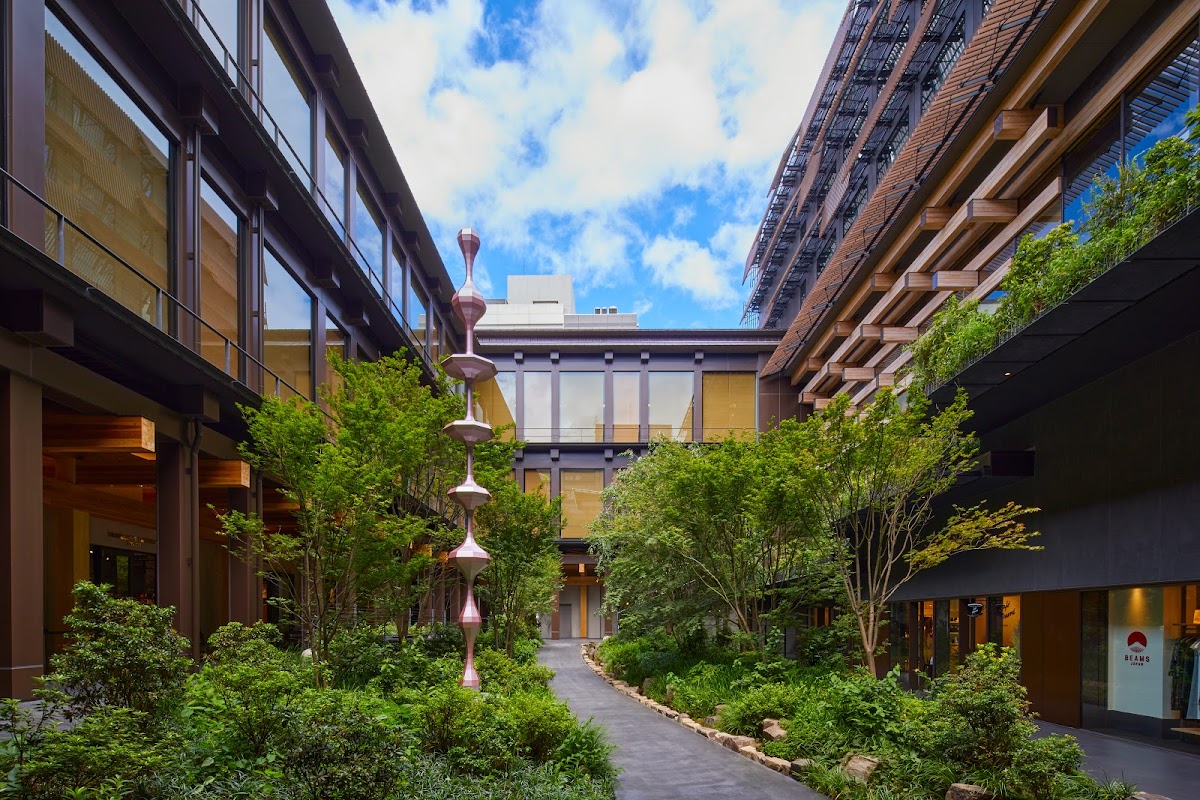
- Design hotels: Ace Hotel Kyoto and Benesse House on Naoshima represent hotels where architecture and art are central to the experience.
- Resort hotels: Properties like Halekulani Okinawa and Busena Terrace cater to beach and resort-style stays.
- Business hotels: Functional, affordable, impeccably clean. Chains like Dormy Inn, Route Inn, and Toyoko Inn. Rooms are small but everything works perfectly.
Pension: Western-Style B&B
Japan adopted the French word "pension" for small, Western-style lodges typically found in mountain and highland resort areas. They feature beds (not futons), Western or fusion cuisine, and a cozy lodge atmosphere. Pensions are common in ski areas like Hakuba and Myoko, and highland retreats like Tateshina and Karuizawa.
Price range: $80-200 per person per night (usually including two meals)
Best for: Mountain trips, ski holidays, families who prefer beds
Room style: Western beds, lodge atmosphere, often with shared common areas
Pensions often have passionate owner-operators who chose the location for their own love of the outdoors. The cooking tends to be personal, sometimes excellent, with a Western or fusion style. Properties like Happo Lodge in Hakuba represent the more refined end of this category.
Shukubo: Temple Lodging
Shukubo are overnight stays at Buddhist temples. The most famous concentration is on Koyasan (Mount Koya) in Wakayama, where over 50 temples accept overnight guests. You sleep in tatami rooms, eat shojin ryori (Buddhist vegetarian cuisine made without garlic, onion, or animal products), and may join morning prayers at 6:00 AM.
Price range: $80-200 per person per night (including vegetarian meals)
Best for: Spiritual seekers, vegetarians, cultural depth
Room style: Temple tatami rooms, futon, minimal decoration
Temple stays at places like Koyasan Fukuchiin offer something no other accommodation type can: the experience of waking in a sacred space, joining monks in chanted prayer as incense fills the hall, then eating a breakfast prepared according to Buddhist principles. It is not luxury in the material sense, but it is profound.
Kominka: Renovated Traditional Houses
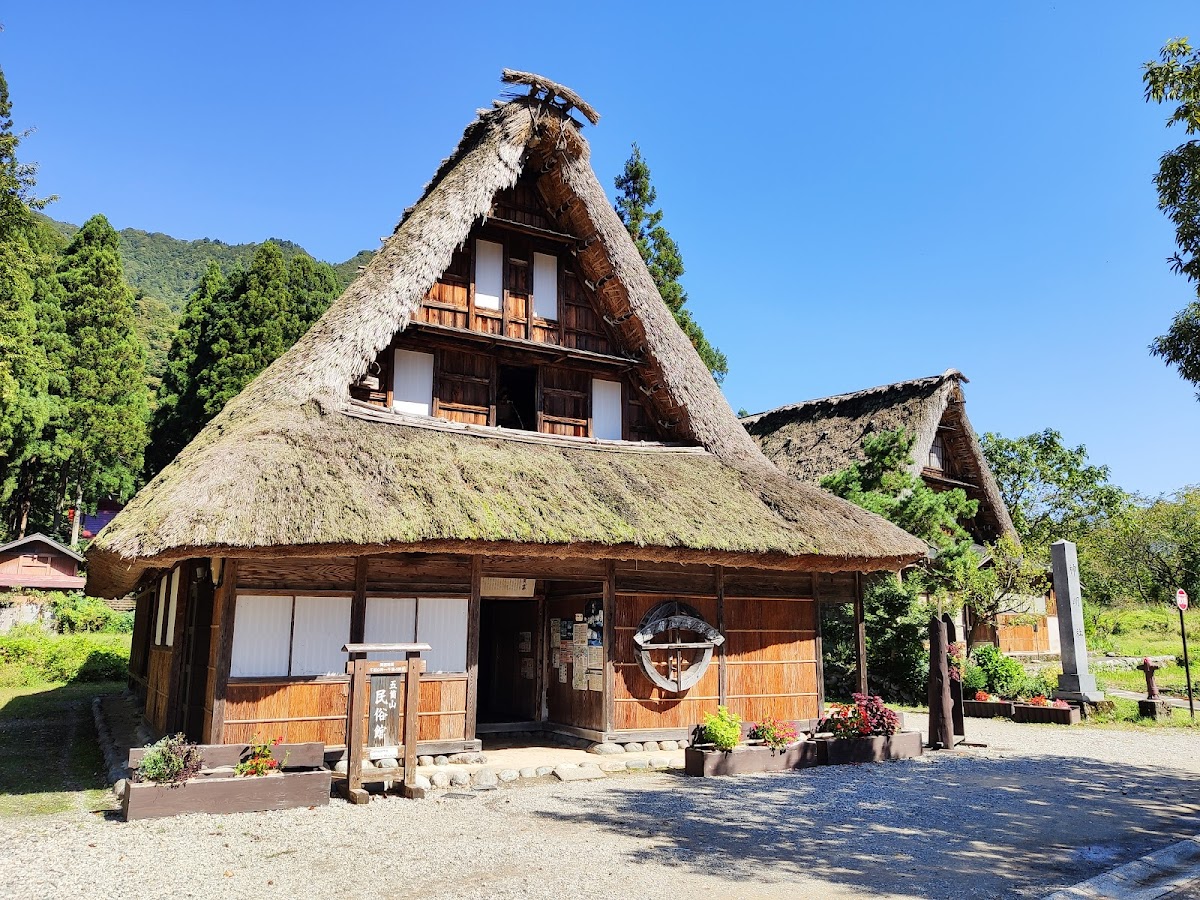
A growing category in Japanese hospitality, kominka stays involve staying in renovated traditional Japanese farmhouses, merchant houses, or townhouses. These properties preserve historic architecture while adding modern amenities like heating, plumbing, and sometimes private baths.
Price range: $100-500+ per room per night (meals vary)
Best for: Architecture enthusiasts, groups, self-catering travelers
Room style: Historic Japanese rooms with modern updates
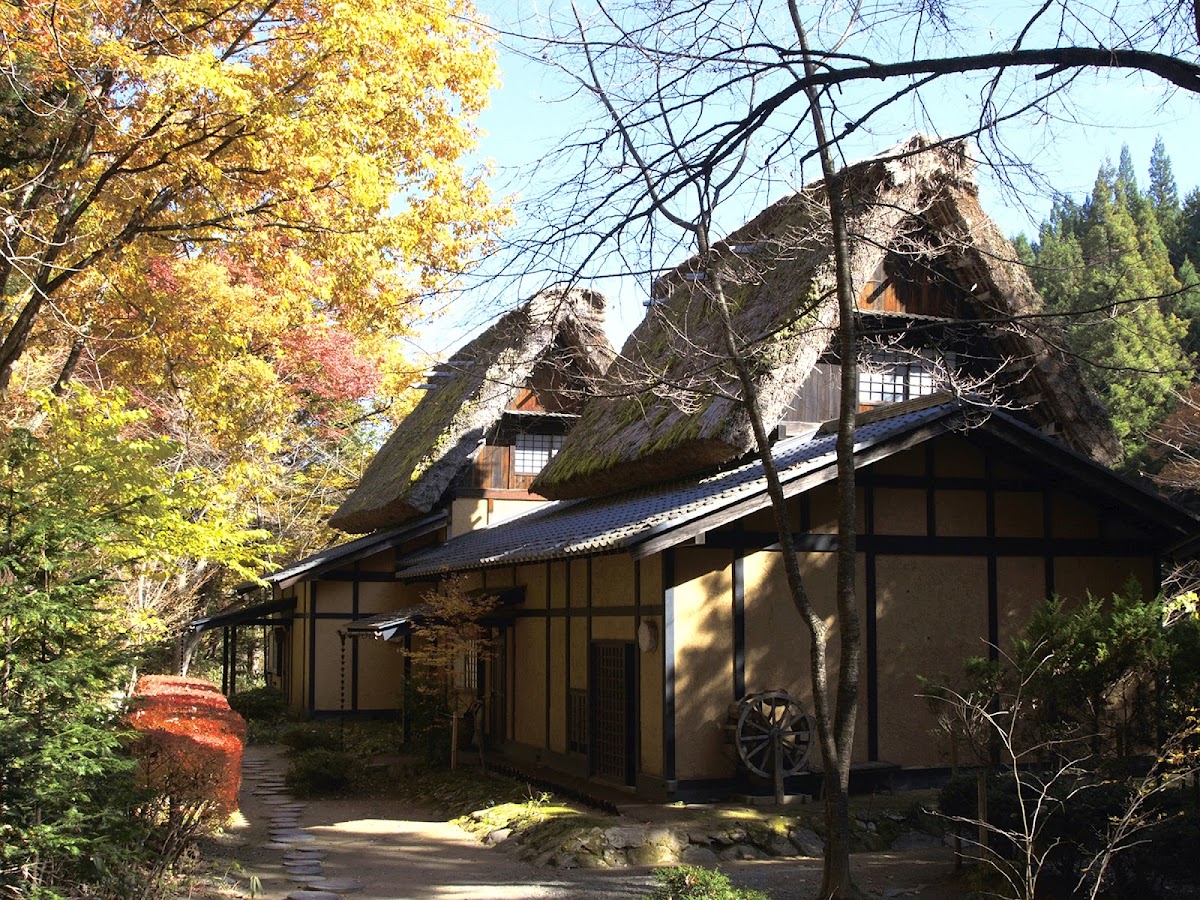
BYAKU Narai in Nagano's Narai-juku post town converts Edo-period buildings into a dispersed hotel along the old Nakasendo highway. Gassho-zukuri no Sato in Gifu offers stays in the distinctive steep-roofed farmhouses of the Shirakawa-go region. Azumi Setoda on the Shimanami Kaido transforms a historic salt merchant's estate into an elegant lodging.
Glamping and Cabin Stays
Japan's glamping scene has grown rapidly, offering luxury outdoor experiences in settings from Hokkaido forests to Okinawan coastlines. These properties provide the connection to nature that traditional camping offers, with the comfort level of a hotel.
Price range: $150-600+ per room/tent per night
Best for: Nature lovers, families, travelers who want outdoor experiences with comfort
Room style: Safari tents, dome tents, cabins, or treehouses
GLAMDAY STYLE Karuizawa offers premium glamping in the Karuizawa highlands. Treeful Treehouse in Okinawa suspends you among subtropical forest canopy. For more options, see our glamping in Japan guide and best cabin stays.
Comparison Table: At a Glance
| Type | Price (per person) | Meals | Bedding | Bath |
|---|---|---|---|---|
| Ryokan | $150-1,500+ | Kaiseki dinner & breakfast | Futon on tatami | Onsen (often) |
| Minshuku | $60-150 | Home-cooked dinner & breakfast | Futon on tatami | Shared bath |
| Hotel | $40-500+ (per room) | Separate (restaurant) | Western bed | En-suite bathroom |
| Pension | $80-200 | Western/fusion dinner & breakfast | Western bed | Shared or en-suite |
| Shukubo | $80-200 | Vegetarian dinner & breakfast | Futon on tatami | Shared bath |
| Kominka | $100-500+ (per room) | Varies (some included, some self-catering) | Futon or bed | Varies |
Which Should You Choose?
The right accommodation depends on what you want from each part of your trip:
- For cultural depth: Ryokan or shukubo. Nothing else provides the same level of immersion in Japanese traditions.
- For budget travel: Minshuku or business hotels. Both are honest, clean, and offer good value.
- For nature immersion: Ryokan with onsen, glamping, or cabin stays. The connection to landscape is built into the architecture.
- For flexibility: Hotels. No fixed mealtimes, no etiquette requirements, check in and out when you want.
- For families: Pensions, family-friendly ryokan, or glamping. All accommodate children well and offer space.
Many experienced Japan travelers mix accommodation types: a hotel in Tokyo for flexibility, a ryokan in Hakone or the countryside for cultural immersion, and perhaps a temple stay on Koyasan for spiritual reflection. The variety is one of Japan's great travel strengths.
Frequently Asked Questions
A ryokan is a professionally staffed inn with kaiseki cuisine and polished service. A minshuku is a family-run guesthouse with simpler home-cooked meals and a casual atmosphere. Ryokan cost $200-800+ per person; minshuku cost $60-150. Both feature tatami rooms and futon bedding.
A Western-style bed-and-breakfast found in mountain and ski areas. Pensions feature beds, Western meals, and a lodge atmosphere. They are common in places like Hakuba and Karuizawa, costing $80-200 per person with meals.
Yes, for value and convenience. They offer compact but immaculate rooms, reliable amenities, and excellent locations. Some chains like Dormy Inn include onsen-style baths. They work well as a base but lack cultural immersion.
Overnight lodging at a Buddhist temple. Guests sleep in tatami rooms, eat vegetarian cuisine, and may join morning prayers. Koyasan in Wakayama is the most famous destination. Prices range from $80-200 per person with meals.
Learn more about specific accommodation types: what is a ryokan, the ultimate onsen ryokan guide, or glamping in Japan. For booking advice, see how to book a ryokan. Or explore all accommodation options on our interactive map.