If you have tattoos and want to experience Japanese onsen, the situation is better than it was five years ago and continues to improve. But it still requires planning. This guide covers the current state of tattoo policies at onsen across Japan, your best options for hassle-free bathing, and specific properties that welcome tattooed guests.
The Tattoo-Onsen Issue: Context and Current State
The restriction against tattoos in communal onsen baths dates to the mid-20th century, when Japan's yakuza (organized crime groups) used full-body tattoos (irezumi) as symbols of allegiance and toughness. Onsen and public baths began prohibiting tattooed guests to prevent yakuza members from intimidating other bathers. For decades, "no tattoo" signs were nearly universal at communal bathing facilities.
The landscape has shifted significantly in recent years. The Japan Tourism Agency has actively encouraged onsen operators to accommodate international visitors with tattoos. A 2023 survey found that roughly 50% of onsen facilities had modified their policies in some way, whether by allowing small tattoos, offering cover-up patches, or opening private baths. The trend is clearly toward greater acceptance, but universal access is not yet a reality.
Your Options as a Tattooed Traveler
Option 1: Private In-Room Onsen (Best Solution)
The most reliable option is to book a ryokan where your room includes a private onsen bath. You bathe in complete privacy on your own schedule with genuine hot spring water. No communal areas, no policies to navigate, no stress.
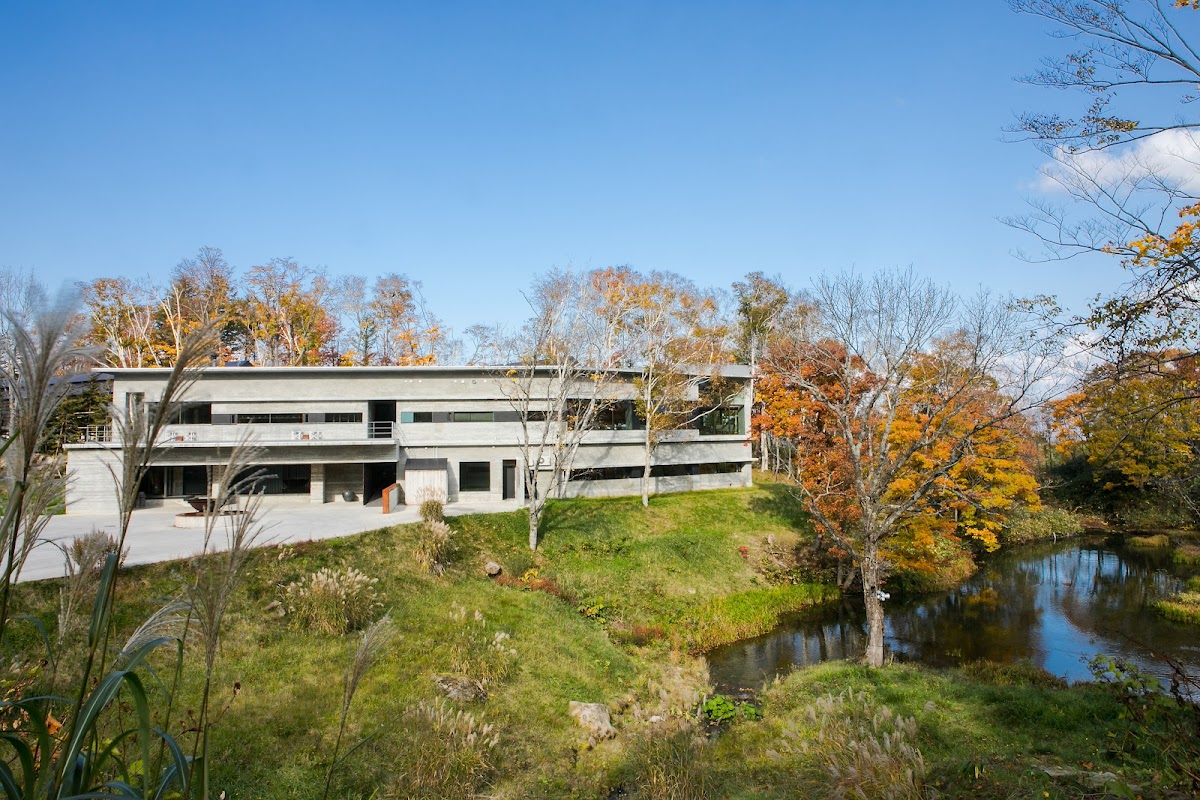
Every one of Zaborin's 15 villas has two private onsen baths: one indoor and one outdoor. The property's own hot spring source feeds each bath directly. For tattooed travelers seeking the ultimate onsen experience without restrictions, Zaborin is the benchmark.
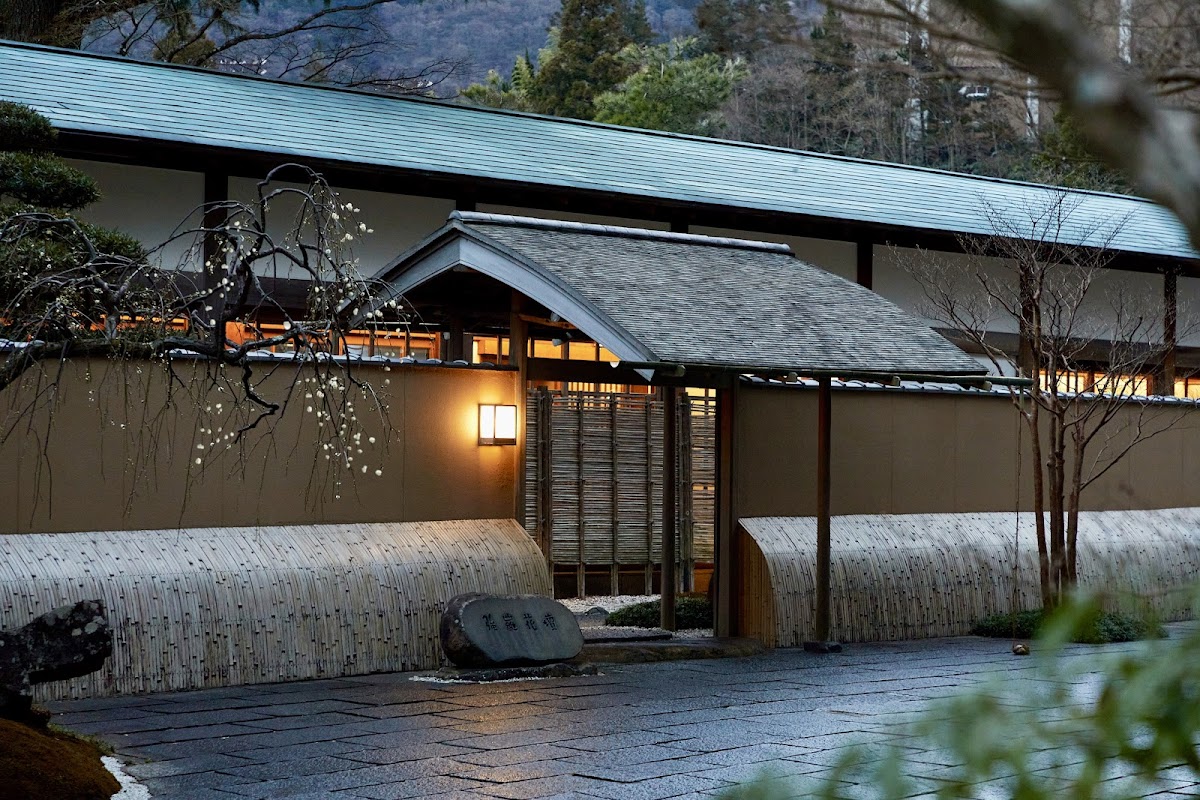
Each room at Beniya Mukayu includes a private open-air onsen bath. The Zen-minimalist design creates a contemplative bathing space that rivals the most beautiful communal baths, all in complete privacy.
Several room types at Gora Kadan include private onsen baths. The property also offers reservable private baths. Being close to Tokyo makes it accessible for a quick onsen escape without extensive travel planning.
Option 2: Reservable Private Baths (Kashikiri-buro)
Many ryokan offer private baths that can be reserved for 45-60 minutes. These are separate rooms with their own onsen baths, available to any guest regardless of tattoos. Some properties include this free; others charge a small fee (usually 2,000-5,000 yen per session). Ask at check-in about "kashikiri-buro" (貸切風呂).
Option 3: Cover-Up Solutions
For small tattoos, waterproof cover-up options work at many properties:
- Skin-colored waterproof patches: Available at pharmacies (drugstores) throughout Japan. Look for "tattoo kakushi shiru" (タトゥー隠しシール) at stores like Matsumoto Kiyoshi. They are designed to be waterproof and heat-resistant.
- Waterproof bandages: Large waterproof bandages from a pharmacy can cover small tattoos effectively. Tegaderm-style transparent film works well.
- Rash guard or swim shirt: At some onsen that allow swimwear (rare in traditional settings, more common at theme park-style facilities), a rash guard covers arm and torso tattoos.
Practical limitations: Cover-ups work for small tattoos (a wrist, ankle, or shoulder piece). Full sleeves, back pieces, or extensive tattoo coverage cannot be meaningfully concealed. In these cases, private baths are the way to go.
Option 4: Explicitly Tattoo-Friendly Onsen
A growing number of onsen have dropped tattoo restrictions entirely. While comprehensive nationwide lists are difficult to maintain (policies change), these categories tend to be more welcoming:
- International-oriented luxury properties: Properties that cater to international travelers have largely adapted. This includes high-end ryokan that host foreign guests regularly.
- Municipal public baths (some): Several cities have updated policies for public baths. Beppu, in particular, has been proactive about welcoming tattooed visitors.
- Newer/modern properties: Properties opened in the last decade tend to have more relaxed policies than century-old establishments.
- Hokkaido onsen: Hokkaido's tourism-oriented onsen tend to be more welcoming than mainland properties, partly due to the Ainu tattooing tradition.
Regional Guide: Where Policies Are Most Relaxed
Beppu, Oita
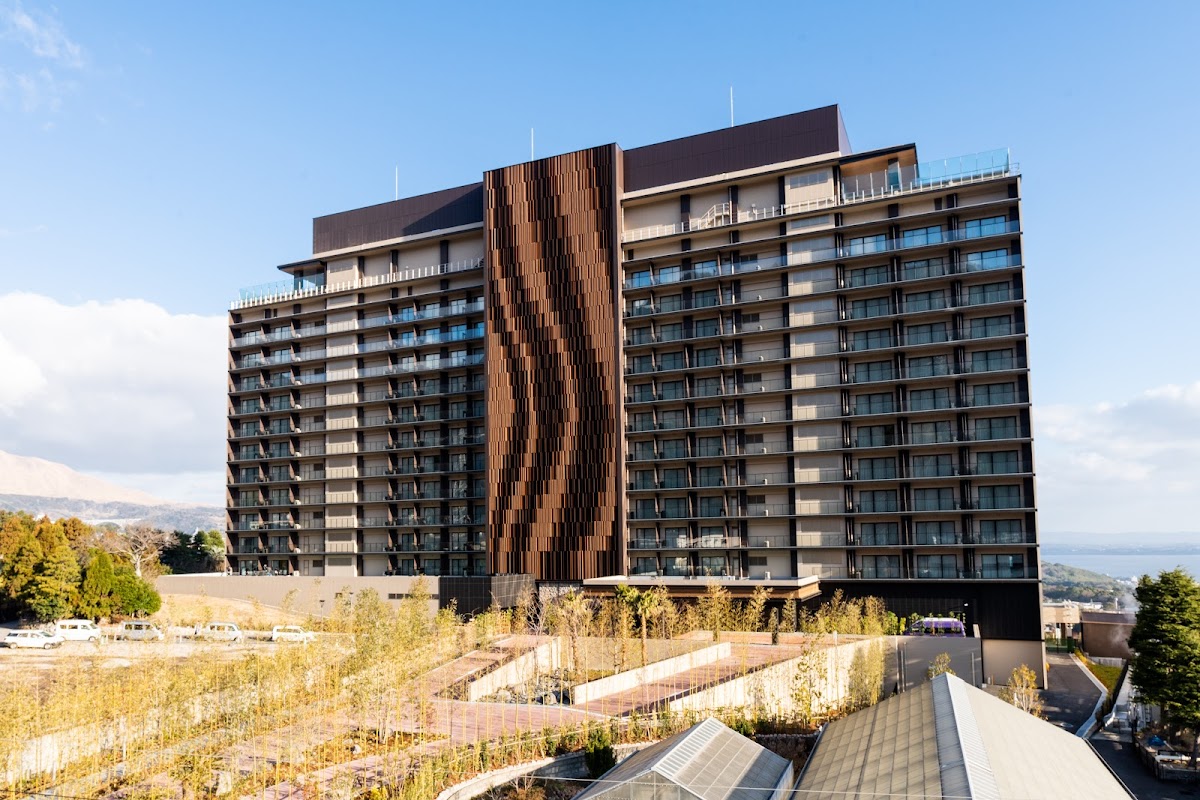
Beppu has been Japan's most progressive onsen city regarding tattoo policies. The city tourism board actively promotes itself as tattoo-friendly, and many of its 100+ public and hotel baths welcome tattooed guests. Suginoi Hotel is among the larger properties that have relaxed restrictions.
Hokkaido
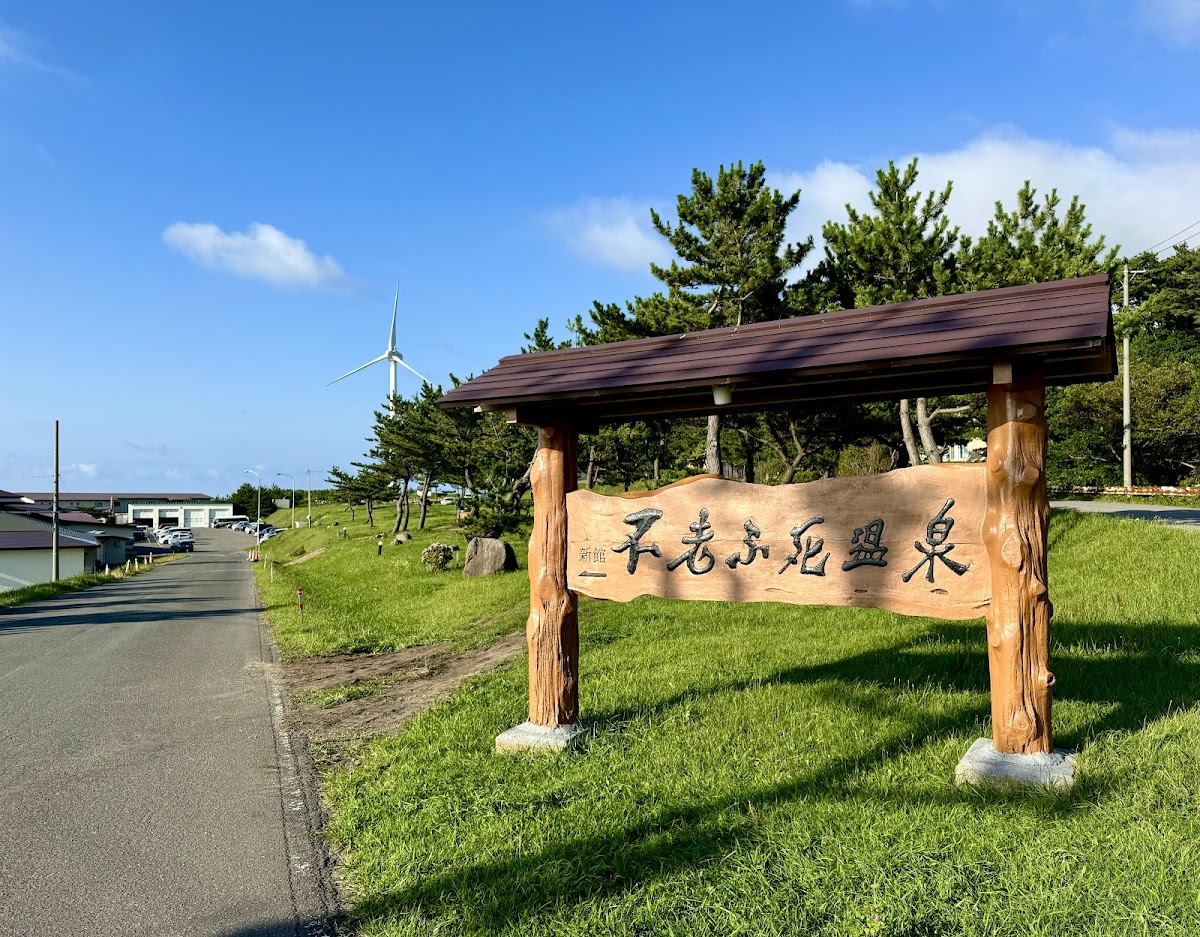
Hokkaido's onsen culture is generally more relaxed about tattoos than Honshu. The Ainu people's traditional tattoo practices have influenced attitudes. Properties like Zaborin in Niseko and Kitakobushi in Shiretoko are welcoming to international guests.
Hakone, Kanagawa
Hakone's proximity to Tokyo and heavy international tourism have pushed many properties toward accommodation. Private bath options are widely available. Hakone Kowakien Ten-yu and ARCANA IZU (nearby in Izu) are known for welcoming diverse guests.
How to Ask About Tattoo Policies
When booking, be direct. Here are useful phrases:
- In English: "I have a tattoo. Is it possible to use the communal baths? If not, do you have private baths available?"
- In Japanese: "Tattoo ga arimasu ga, daiyokujou wa riyou dekimasu ka? Kashikiri-buro wa arimasu ka?" (タトゥーがありますが、大浴場は利用できますか?貸切風呂はありますか?)
Most ryokan appreciate being asked in advance rather than having a situation at the bath. Many will proactively offer private bath times or alternative arrangements.
Properties with Private Baths: Our Top Picks
Modern design with private onsen baths overlooking the Kano River gorge. The contemporary atmosphere and international outlook make this a comfortable choice for tattooed travelers.
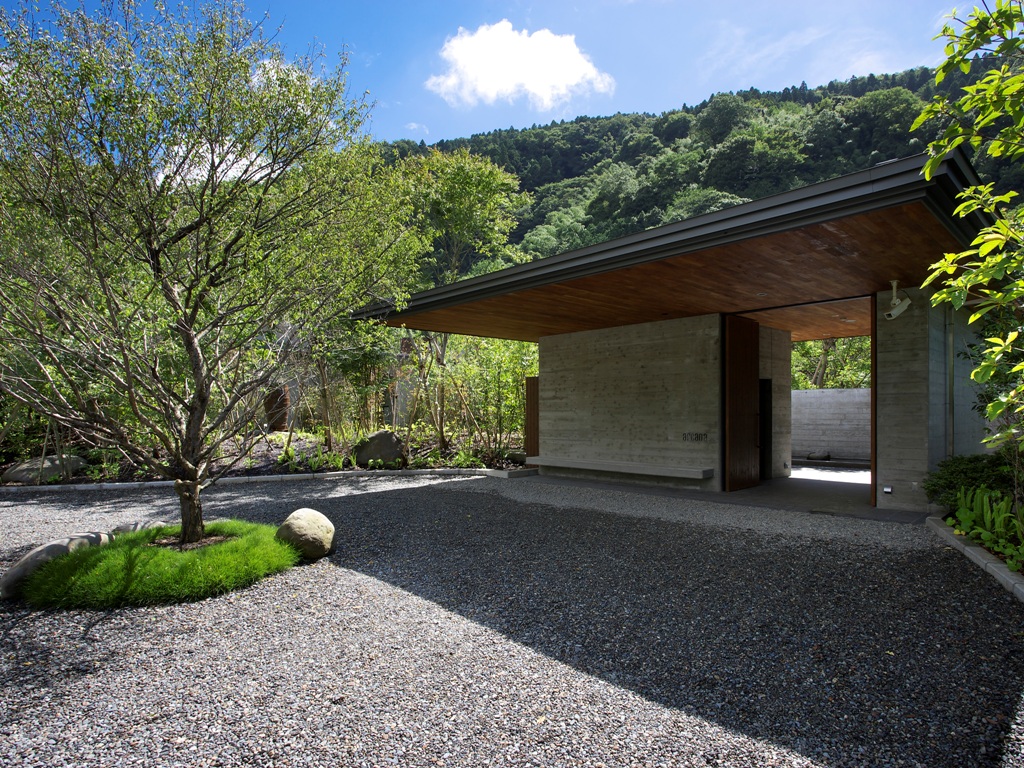
All rooms at Fufu Nikko include private onsen baths. The modern aesthetic and secluded forest setting provide an ideal tattooed-traveler-friendly onsen experience near Tokyo.
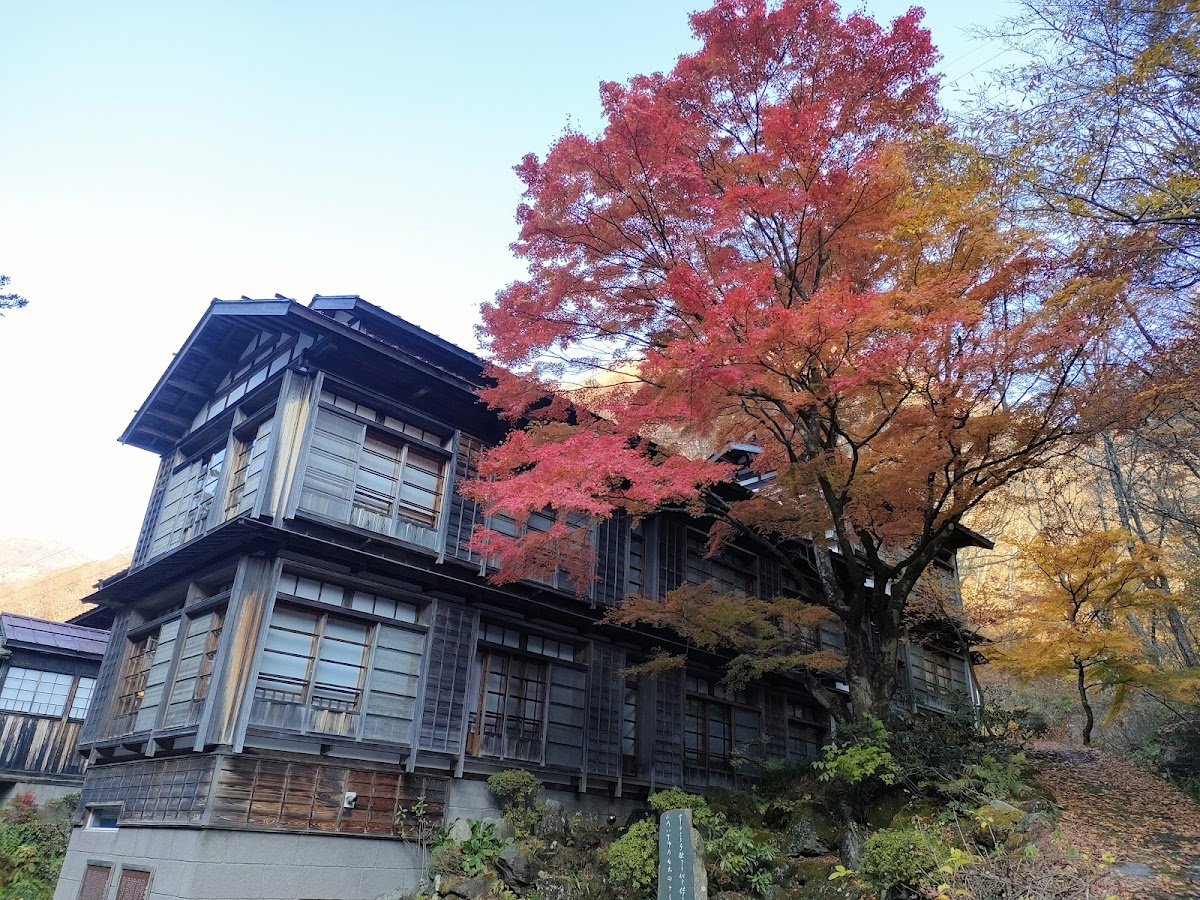
This 140-year-old national cultural property features a legendary wooden bathhouse. While communal, the bathing atmosphere is so unique that it is worth investigating their current policy directly. Private family baths are also available.
The Future of Tattoo Policies
The trend is clearly toward greater acceptance. The Japan Tourism Agency has recommended that onsen operators focus on behavior rather than appearance. International sporting events hosted in Japan have accelerated the shift. Younger Japanese people are increasingly tattooed themselves, further normalizing body art.
Within the next few years, the "no tattoo" policy will likely become the exception rather than the norm, particularly at tourist-oriented properties. Until then, the strategies above will ensure you can enjoy Japan's magnificent onsen culture without restriction.
Frequently Asked Questions
Yes. Choose ryokan with private in-room baths like Zaborin or Beniya Mukayu, book private bath sessions, use cover-up patches for small tattoos, or visit explicitly tattoo-friendly facilities like those in Beppu.
The ban originated from the association of tattoos with yakuza (organized crime). Members used full-body irezumi as identifiers, and onsen restricted tattoos to prevent intimidation of other guests. Policies are evolving as cultural attitudes change.
Small tattoos can be covered with waterproof patches (available at Japanese pharmacies). Large tattoos are difficult to conceal. For extensive tattoo coverage, private baths are the most practical solution.
Properties with private in-room baths: Zaborin (two private baths per room), Gora Kadan (suites with private baths), Beniya Mukayu (private open-air baths). Beppu's onsen district is also broadly welcoming.
For general onsen guidance, see our onsen etiquette guide and mineral spring types guide. Explore ryokan with private onsen or hidden onsen. Browse all onsen properties on our map.