The idea of sleeping on the floor makes many first-time Japan visitors nervous. Where is the mattress? Will my back survive? How do I get up in the morning? The reality is far more comfortable than the concept suggests. Japanese futon sleeping on tatami floors is a refined system that has evolved over centuries, and most travelers are pleasantly surprised by how well they sleep. Here is everything you need to know.
What Is a Tatami-and-Futon Sleep Setup?
The Japanese sleeping system consists of two layers working together:
Tatami (畳) forms the room's floor. These are woven rush (igusa) mats over a compressed straw or foam core, each roughly 90cm x 180cm. Tatami has natural resilience: firm enough to support your body weight evenly, but with enough give to prevent pressure points. It also regulates humidity, absorbing moisture in summer and releasing it in winter.
Futon (布団) is the mattress laid directly on the tatami. A quality ryokan futon consists of:
- Shikibuton (敷布団): The bottom mattress, typically 8-15cm thick, filled with cotton batting or, at premium properties, layers of cotton and wool. Luxury ryokan may use custom-made futons from specialist bedding makers.
- Sheets: A bottom sheet covers the shikibuton, and a top sheet or duvet cover is provided.
- Kakebuton (掛布団): The top comforter, ranging from a light cotton blanket in summer to a thick down duvet in winter. Most ryokan adjust the bedding weight seasonally.
- Makura (枕): The pillow, traditionally filled with buckwheat hulls (sobagara) which mold to your head shape and stay cool. Many ryokan now offer down or synthetic alternatives on request.
Why Japanese People Sleep on Futons
This is not a primitive arrangement preserved by tradition. Futon sleeping persists in Japan because it has genuine advantages:
- Space efficiency: In a country where living space is premium, folding away the bedding transforms a bedroom into a living room. This is why ryokan rooms can serve multiple functions throughout the day.
- Spinal health: The firm, flat surface keeps the spine neutral. Japanese orthopedic specialists often recommend floor sleeping for back issues.
- Air circulation: Sleeping close to the floor in a tatami room means breathing cleaner, cooler air. Tatami's natural properties filter and regulate the room's atmosphere.
- Hygiene: Futons can be aired in sunlight (a practice called futon-boshi), which kills dust mites and bacteria. At ryokan, futons are regularly sun-dried and maintained.
- Sleep quality: Many people report deeper sleep on futons once they adjust. The absence of mattress bounce means less disturbance from a sleeping partner.
Tips for a Comfortable First Night
1. Bathe Before Bed
This is not just etiquette; it is strategy. A hot bath before bed raises your core temperature, and the subsequent cooling triggers drowsiness. At an onsen ryokan, the mineral-rich water amplifies this effect. By the time you lie down on the futon, your body is primed for deep sleep.
2. Request an Extra Layer
If you are concerned about comfort, ask at check-in for an additional shikibuton. Most ryokan will happily add a second mattress layer, effectively doubling the cushioning. This is especially useful for side sleepers or anyone with hip sensitivity.
3. Try the Buckwheat Pillow
The traditional sobagara (buckwheat hull) pillow feels strange at first: heavy, crinkly, and firm. But it conforms to your head and neck shape, stays cool throughout the night, and provides excellent cervical support. Give it a chance for at least one night before requesting a soft pillow alternative.
4. Adjust the Room Temperature
Ryokan rooms have air conditioning and heating. In summer, a slightly cool room combined with a light kakebuton is ideal. In winter, set the heater to turn off after an hour; the thick futon will maintain your warmth through the night. Tatami rooms retain warmth well.
5. Sleep in Your Yukata
The yukata provided by the ryokan doubles as sleepwear. Its loose fit allows movement during sleep without binding. If it comes undone in the night (it will), do not worry; this is normal and expected.
6. Getting Up Gracefully
The most common complaint about floor sleeping is getting up in the morning. The technique: roll to your side, push up with your hands to a kneeling position, then stand. This is gentler on the back than trying to sit straight up from a flat position. After a couple of mornings, it becomes automatic.
When Futon Sleeping Might Not Be Ideal
While most travelers adapt well, consider alternatives if:
- You have severe knee or hip joint problems that make floor-level movement painful
- You require a hospital-style adjustable bed
- You are recovering from surgery that limits your mobility
In these cases, seek ryokan with bed-equipped rooms. Gora Kadan offers suites with Western beds in a tatami setting. Many modern ryokan and hotels like Zaborin feature low platform beds that split the difference between futon and Western bed.
The Futon Experience at Different Ryokan
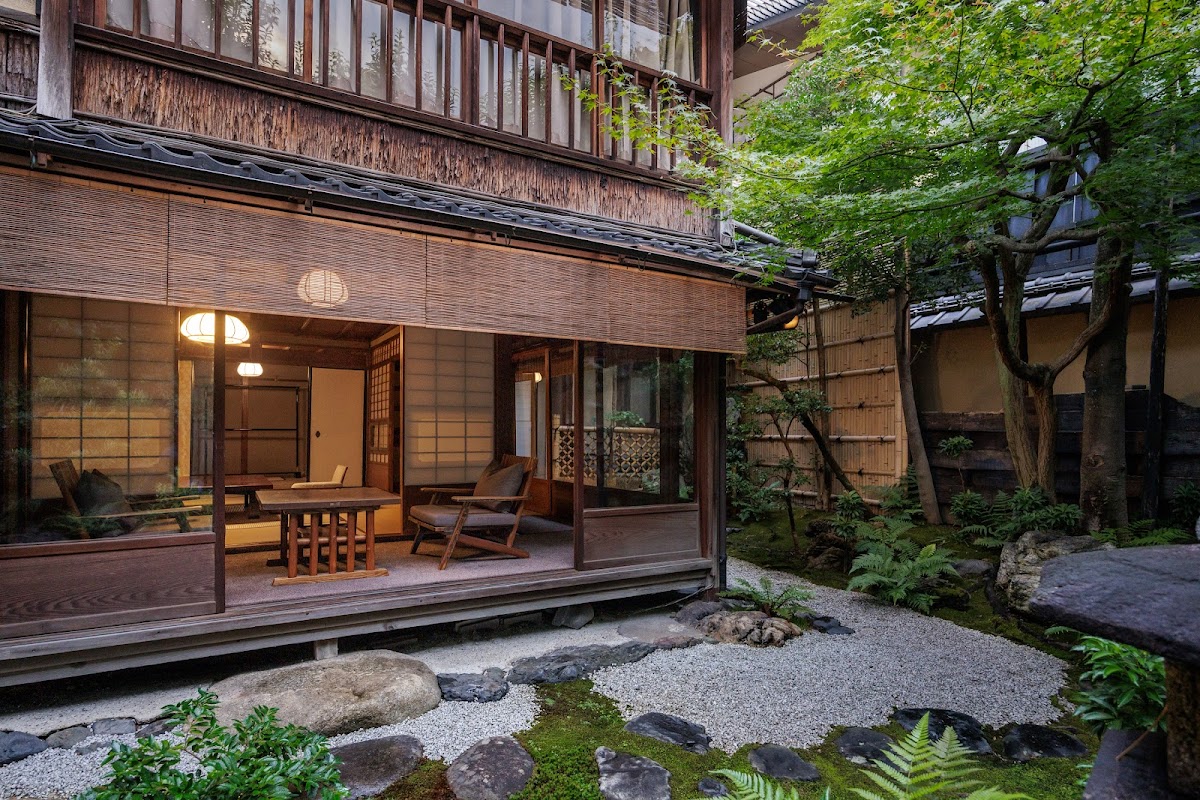
Tawaraya's futons are legendary: custom-made by specialist bedding craftsmen, they are among the most comfortable in Japan. The tatami rooms overlook private gardens, and the silence of central Kyoto at night creates conditions for truly exceptional sleep.
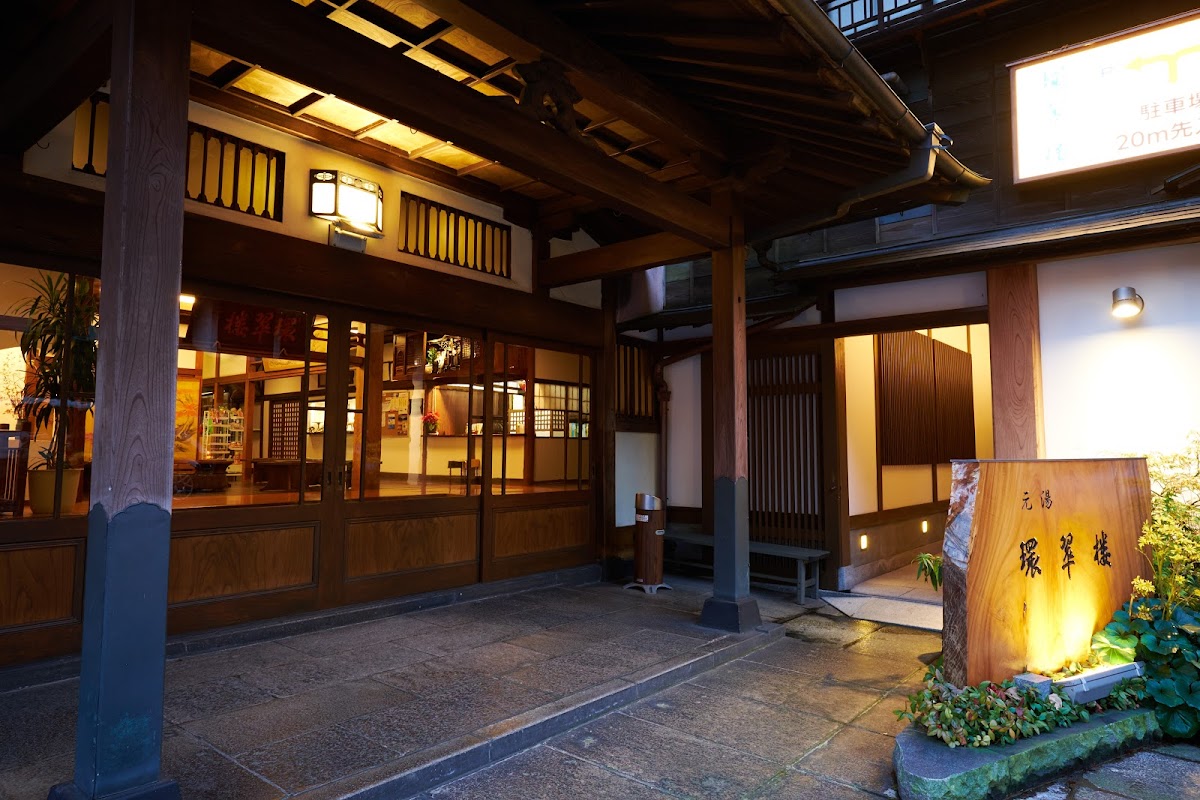
In the traditional wing, futons are laid on centuries-old tatami in rooms where literary giants and heads of state have slept. The newer wing offers a choice between traditional futon and Western bed configurations.
A renovated manor house where the heavy snowfall region's building traditions include extra-thick walls and floors. The result is deeply quiet rooms where the futon experience is enhanced by exceptional insulation and stillness.
Frequently Asked Questions
Most visitors find it more comfortable than expected. Quality ryokan futons are thick cotton mattresses on resilient tatami. Higher-end properties use premium futons 10-15cm thick. Most people adapt within one night.
Some ryokan offer bed-equipped rooms or combination rooms. Ask about "beddo tsuki" rooms when booking. Properties like Gora Kadan offer suites with both traditional and Western sleeping options.
Many people find the firm, flat surface beneficial for spinal alignment. The combination of tatami's slight give and the futon's cotton fill prevents both sagging and excessive hardness. Request an extra futon layer if you need more cushioning.
A thick cotton mattress (shikibuton) on tatami, with sheets, a duvet (kakebuton), and a buckwheat hull pillow (makura). The staff lay it out while you dine and fold it away in the morning.
For a complete ryokan experience guide, see what to expect at a ryokan. Learn about the other key elements: kaiseki cuisine, how to wear a yukata, and onsen etiquette. Browse all ryokan on our map.