For many travelers, the kaiseki dinner at a ryokan becomes the single most memorable meal of their trip to Japan. It is not just food; it is a performance of seasonality, craftsmanship, and restraint that unfolds over two hours, each course a small revelation. This guide explains what kaiseki is, how to read the progression, what each course means, and where to experience it at its best.
What Is Kaiseki?
Kaiseki (懐石) originated in the tea ceremony tradition of Kyoto, where small, refined dishes were served before the ritual preparation of tea. Over centuries, it evolved into Japan's most sophisticated culinary form: a multi-course meal designed to express the essence of the current season through taste, texture, color, and presentation.
The word itself contains the kanji for "breast" and "stone," referencing the Zen practice of monks warming stones and placing them against their bodies to stave off hunger. The original kaiseki was therefore about modest sufficiency, not excess. This philosophy persists: the best kaiseki never overwhelms. Each portion is small, each flavor distinct, and the overall effect is one of satisfaction without heaviness.
At a ryokan, kaiseki dinner is typically the day's main event. The chef designs the menu based on what is available that day, that week, that season. No two dinners are exactly alike, even at the same property. This is fundamentally different from restaurant dining where you order from a fixed menu.
The Course Structure: A Guide to Each Dish
While every chef interprets kaiseki differently, the structure follows a traditional progression. Understanding it will deepen your appreciation:
1. Sakizuke (先付) - Appetizer
A small, elegant first bite that announces the season. In spring, it might be bamboo shoot with kinome pepper. In autumn, perhaps a chestnut preparation. The sakizuke is designed to awaken the palate and set the tonal quality of the meal.
2. Hassun (八寸) - Seasonal Platter
Named after the eight-sun (approximately 24cm) tray it is traditionally served on, the hassun presents a collection of small bites from both mountain (yama) and sea (umi). This duality reflects the Japanese concept of harmony between land and water. The arrangement is always asymmetrical and artful.
3. Mukozuke (向付) - Sashimi
Raw fish selected for peak seasonal quality. At coastal ryokan, this is often the highlight: impossibly fresh fish from the morning's catch. Inland properties may source river fish or use creative alternatives. The accompaniments (wasabi, soy sauce, garnishes) are carefully chosen to complement the specific fish.
4. Takiawase (煮合わせ) - Simmered Dish
Vegetables and sometimes protein simmered separately in dashi broth, then arranged together. This course showcases the chef's ability to coax maximum flavor from simple ingredients using Japan's foundational broth. The flavors are subtle, clean, and deeply savory.
5. Futamono (蓋物) - Lidded Dish
A soup or broth served in a lidded lacquerware bowl. Lifting the lid releases an aromatic cloud of steam. Clear dashi soups with seasonal ingredients are common. The lid preserves temperature and builds anticipation.
6. Yakimono (焼物) - Grilled Dish
Typically grilled fish, this is often the most substantial course. Salt-grilled seasonal fish over charcoal is the classic preparation. In autumn, matsutake mushroom may appear alongside the fish. In regions like Hokkaido, the grilled course might feature premium lamb or beef.
7. Su-zakana (酢肴) - Vinegared Dish
A palate cleanser, often a small portion of vinegared vegetables, seafood, or a light salad. The acidity refreshes the mouth and prepares it for the remaining courses.
8. Naka-choko (中猪口) - Mid-Meal Cleanser
Not always present, but at more elaborate kaiseki meals, a small sorbet, light soup, or acidic preparation resets the palate at the midpoint.
9. Shiizakana (強肴) - Main Course
A heartier dish, sometimes a hot pot (nabe), braised meat, or a seasonal specialty. At mountain ryokan, this might be wild boar or venison. Coastal properties may offer abalone or premium crab. This is where regional character asserts itself most strongly.
10. Gohan (ご飯), Miso Soup, and Pickles
The rice course signals the meal's approaching end. The rice itself is prized: freshly cooked, often from a local varietal, and served in a wooden rice cooker. The miso soup and pickles (tsukemono) are the meal's humble conclusion, grounding everything in daily sustenance.
11. Mizumono (水物) - Dessert
Seasonal fruit, Japanese confections (wagashi), or a light sweet like matcha ice cream. Dessert in kaiseki is restrained, allowing the savory courses to remain the lasting impression.
Seasonality: The Soul of Kaiseki
Kaiseki divides the year into micro-seasons, each with its own ingredients and aesthetic:
- Spring (March-May): Bamboo shoots, cherry blossom motifs, mountain vegetables (sansai), sea bream, firefly squid. Colors: pale green and pink.
- Summer (June-August): Sweetfish (ayu), hamo (pike conger), cold tofu, edamame, eggplant. Presentations emphasize coolness: glass dishes, ice, flowing water imagery.
- Autumn (September-November): Matsutake mushroom, Pacific saury (sanma), chestnuts, persimmons, chrysanthemum. Serving vessels in warm earth tones.
- Winter (December-February): Crab, fugu (blowfish), daikon, turnips, root vegetables. Hot pots and warming preparations. Earthy, rich flavors.
The serving vessels change with the seasons too. Summer dishes appear on cool glass or celadon ceramics. Autumn brings warm-toned pottery and lacquerware. The vessel is considered as important as the food it holds.
Kaiseki Etiquette at a Ryokan
- Arrive on time. Your dinner slot is fixed, and each course is prepared to arrive in sequence. Being late disrupts the kitchen's timing.
- Eat everything if possible. Each dish is small, and leaving food can be read as dissatisfaction. If you have dietary restrictions, communicate them at booking, not at the table.
- Lift bowls to your mouth. Unlike Western dining, it is polite to pick up rice bowls and soup bowls while eating from them. Do not hover over the table.
- Chopstick basics: Never stick chopsticks upright in rice (this resembles a funeral offering). Never pass food from chopstick to chopstick. Rest chopsticks on the provided chopstick rest (hashioki) between bites.
- Pace yourself. The meal unfolds over 90 minutes to two hours. Savor each course. The staff will not rush you, but they are timing the next course to your eating pace.
- Express appreciation. A simple "oishii" (delicious) to your server or "gochisosama deshita" (thank you for the meal) at the end goes a long way.
Where to Experience the Best Kaiseki
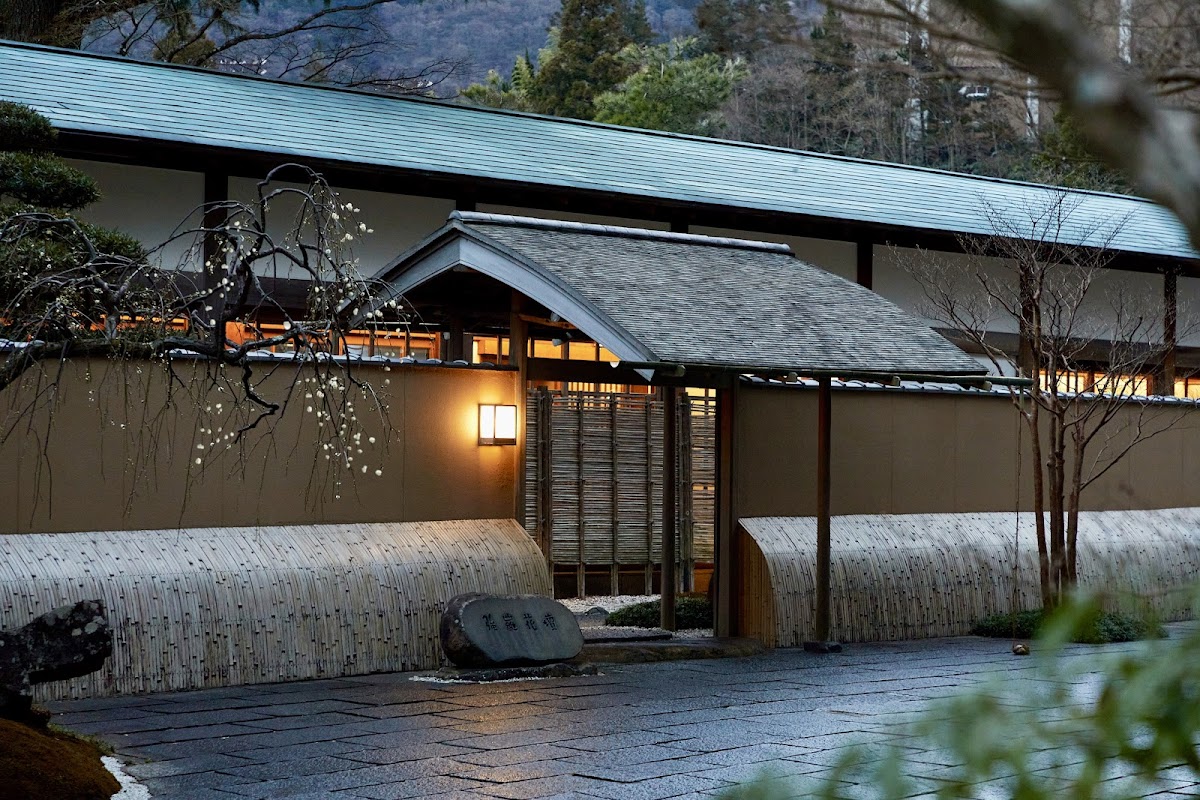
The kaiseki at Gora Kadan is a meticulous seasonal progression that draws on Hakone's mountain and sea proximity. The former imperial villa setting adds a layer of refined elegance to every meal. Michelin 3 Keys.
Five centuries of culinary evolution at Asaba have produced kaiseki that balances Izu's seafood bounty with mountain ingredients. The sake pairing is exceptional. Michelin 3 Keys.
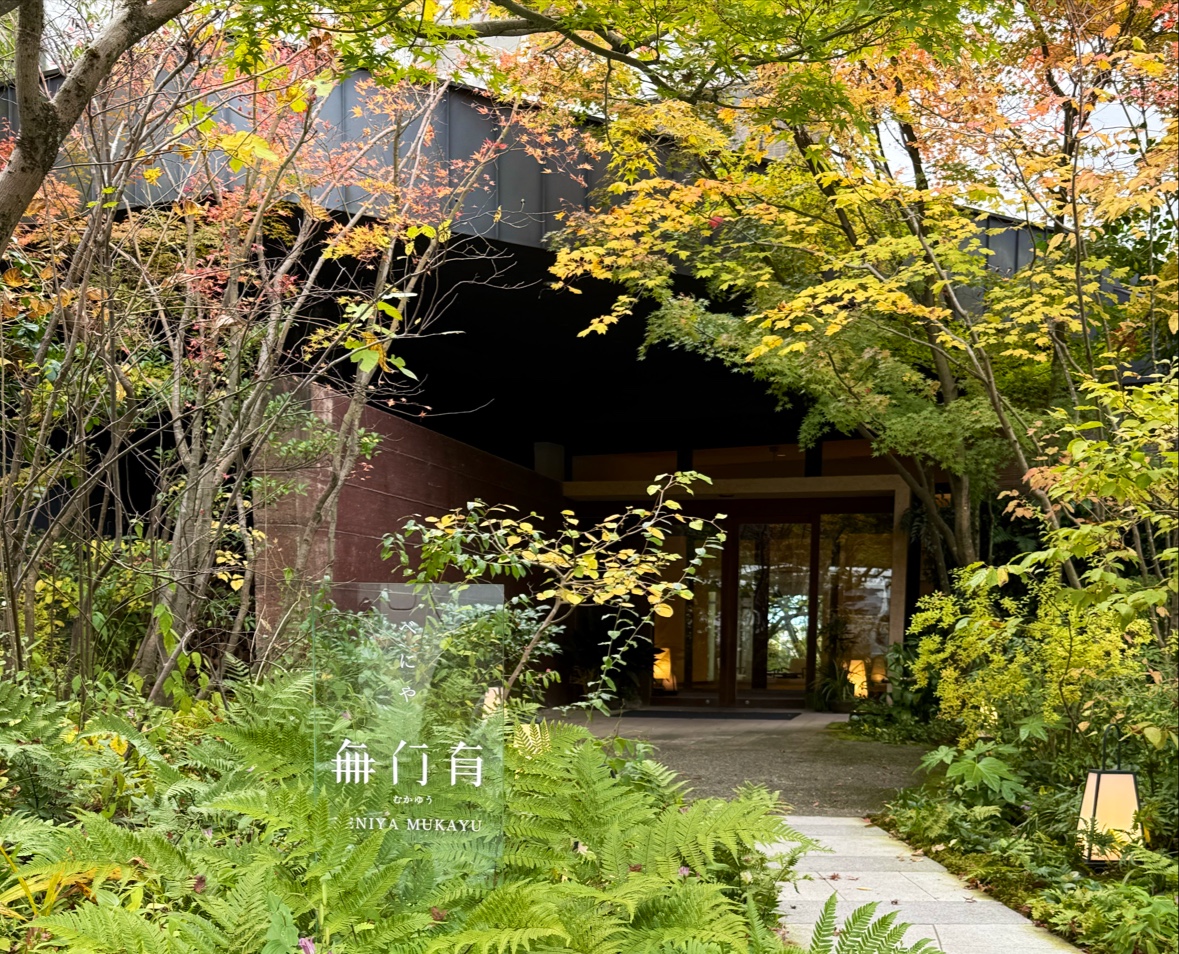
Ishikawa is one of Japan's great food regions, and Beniya Mukayu's kaiseki showcases Kaga cuisine: winter crab, mountain vegetables, and seafood from the Sea of Japan. The Zen-minimalist aesthetic extends to the plating.
For a modern take on ryokan dining, ARCANA IZU merges French technique with Japanese seasonal ingredients. The result is neither kaiseki nor French cuisine but something uniquely compelling, served above the Kano River gorge.
Drinks Pairing
Kaiseki and sake are natural partners. Most ryokan offer a curated sake list, often featuring local breweries. Here are common pairing approaches:
- Junmai daiginjo: Light, fragrant, and refined. Pairs well with sashimi and lighter courses.
- Junmai: Fuller-bodied with more rice character. Good with grilled dishes and simmered courses.
- Local sake: Ask for the "jizake" (local sake). Many ryokan carry bottles from nearby breweries that are not available elsewhere.
- Beer: Japanese craft beer is increasingly excellent and perfectly acceptable alongside kaiseki.
- Wine: Japanese wine from Yamanashi (Koshu grape) pairs surprisingly well with lighter kaiseki courses.
Frequently Asked Questions
Kaiseki is Japan's highest form of fine dining: a multi-course meal (8-14 courses) showcasing seasonal ingredients. At ryokan, it is typically included in your rate and served in your room or a private dining area.
Typically 8-14 courses over 90 minutes to two hours. The progression follows a traditional structure from appetizer through sashimi, grilled dish, simmered dish, rice, and dessert.
Many ryokan can prepare vegetarian kaiseki with at least one week's notice. Some draw on Buddhist shojin ryori traditions. Properties like Beniya Mukayu and Gora Kadan are experienced with dietary accommodations.
Kaiseki is a formal set-course meal with a predetermined progression. Kappo is counter-seated, interactive dining where the chef adapts dishes to your reactions. Both showcase seasonal Japanese cuisine at the highest level.
Planning a kaiseki-focused trip? See our guides to what a ryokan is and what to expect during your stay. For booking tips, read how to book a ryokan. Browse all properties with exceptional dining on our map.