Japan's nature changes dramatically with the seasons, and every month offers something worth traveling for. The country stretches from subarctic Hokkaido to subtropical Okinawa, meaning that at any given time, multiple climate zones are experiencing different seasonal peaks. This guide helps you understand what each month offers for nature-focused travel and how to time your visit for the experience you want most.
Month-by-Month Guide
January: Deep Winter
Highlights: Snow onsen at peak atmosphere, frozen waterfalls, wildlife on ice
Best regions: Tohoku, Hokkaido, Japanese Alps
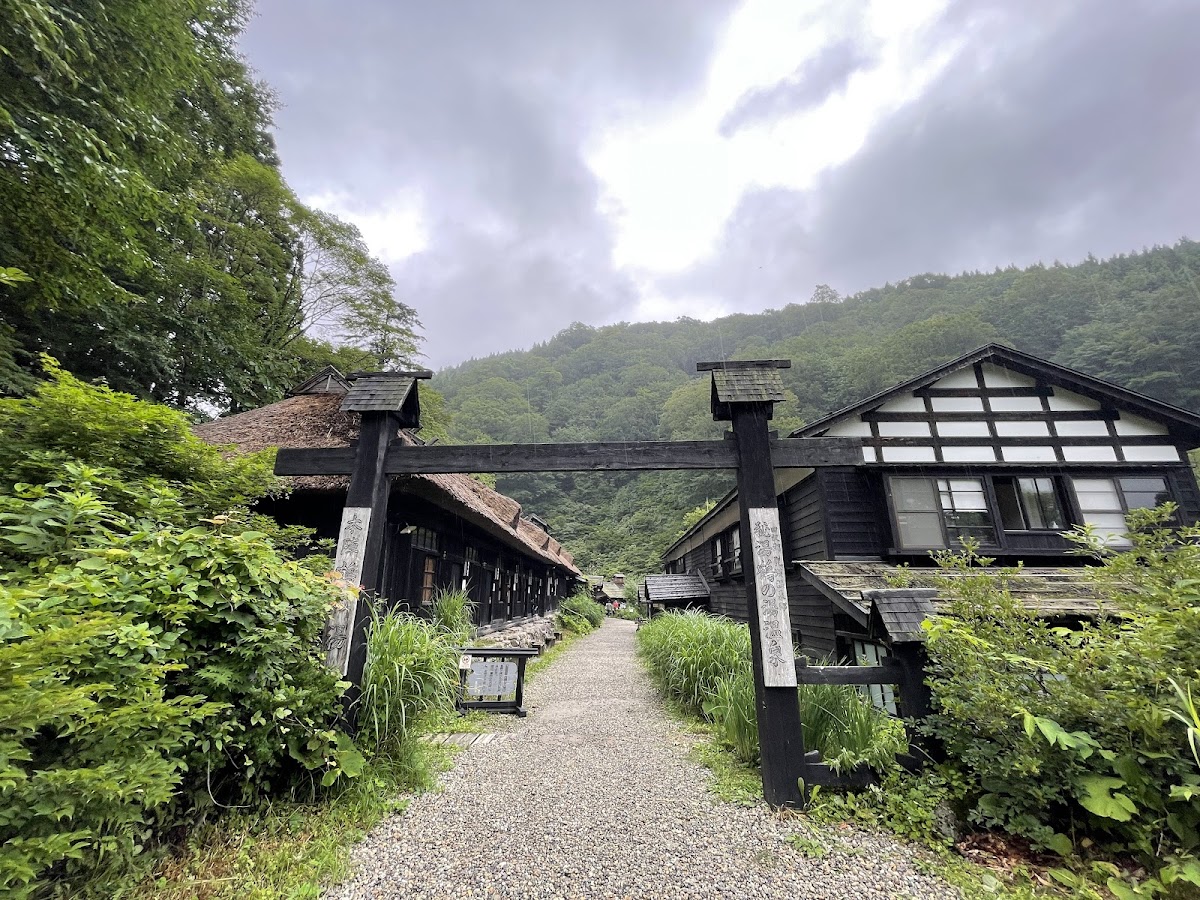
January is the coldest month and the peak of snow onsen season. The contrast between hot spring water and freezing air is at its most extreme. Properties like Tsurunoyu Onsen in Akita and Zaborin in Niseko are at their most magical, with snow piling around outdoor baths. Hokkaido offers drift ice on the Sea of Okhotsk, red-crowned cranes dancing in Kushiro, and powder snow in Niseko. Rates are moderate (outside New Year's) and crowds are thin.
February: Snow at Its Peak
Highlights: Deepest snowpack, snow festivals, early plum blossoms in the south
Best regions: Snow country (Niigata, Nagano, Tohoku, Hokkaido), southern Honshu for ume
Snow accumulation peaks in February. The snow corridor on the Tateyama Kurobe Alpine Route (opens April) is being built. Mountain ryokan are snow-bound and atmospherically perfect. In contrast, plum blossoms (ume) begin blooming in warmer regions, Dazaifu in Kyushu and Mito in Ibaraki are famous spots. Onsen ryokan in snow country offer the most dramatic rotenburo experiences of the year.
March: Transition
Highlights: Early cherry blossoms in the south, melting snow in mountains, spring light
Best regions: Kyushu, Shikoku, southern Kansai
The anticipation builds. Cherry blossom forecasts dominate the news. Southern regions see first blooms in late March. Mountain areas still have substantial snow. This transitional month offers a unique combination: you can experience late winter in the mountains and early spring in the lowlands within a single trip.
April: Cherry Blossom Peak
Highlights: Sakura across Honshu, fresh greenery, comfortable temperatures
Best regions: Everywhere (following the bloom front northward)
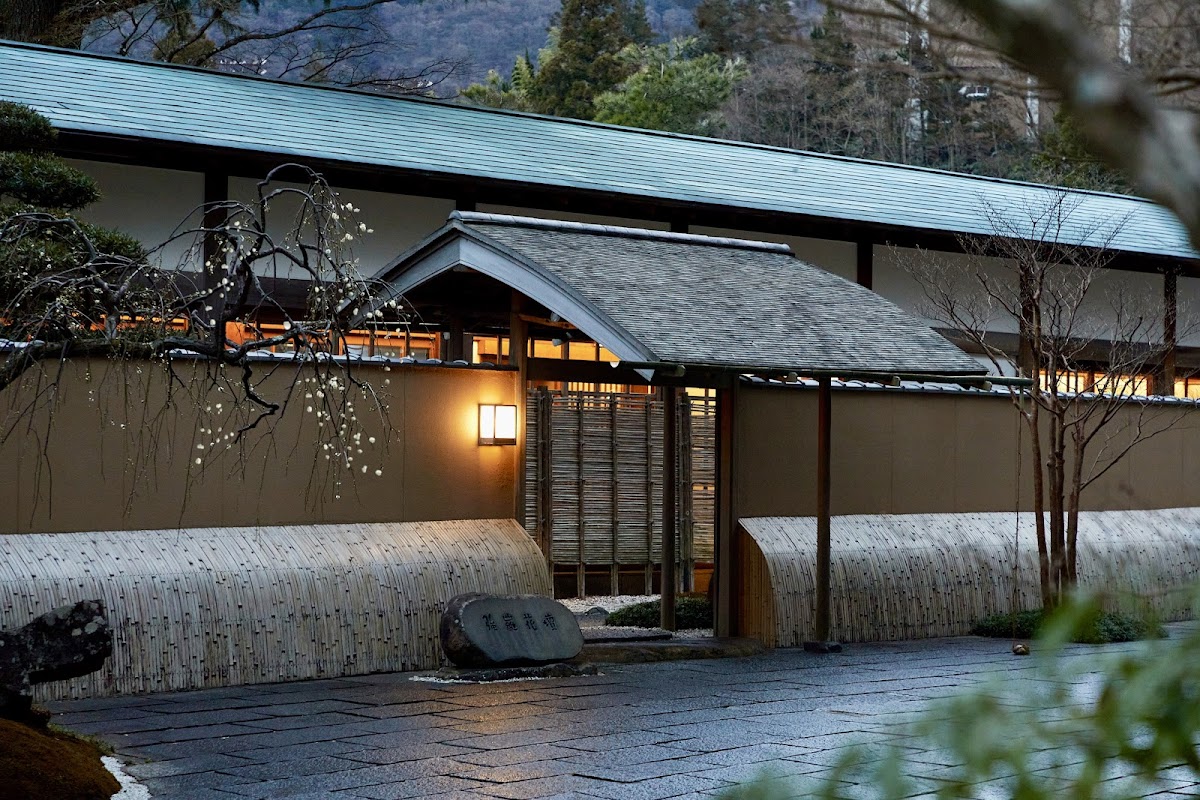
The most popular month for Japan travel. Sakura bloom sweeps from south to north: Tokyo and Kyoto typically peak in early April, Tohoku in mid-to-late April. Book ryokan months in advance for this period. Prices are at annual highs. The upside: Japan is spectacularly beautiful, temperatures are ideal (15-20 degrees), and the energy is infectious. Hiiragiya in Kyoto and Gora Kadan in Hakone are exceptional during sakura season.
May: Fresh Green
Highlights: Shinryoku (new greenery), comfortable weather, late sakura in Hokkaido
Best regions: All of Japan; Hokkaido for late cherry blossoms
May is one of Japan's best-kept secrets for nature travel. The fresh green of new leaves (shinryoku) transforms forests and gardens. Temperatures are ideal. Post-Golden Week (after May 7), prices drop and availability opens up. Mountain areas are emerging from snow, alpine flowers bloom, and the combination of warm days and cool nights is perfect for onsen bathing. Hokkaido's cherry blossoms peak in early May, offering sakura without the Honshu crowds.
June: Rainy Season (Tsuyu)
Highlights: Hydrangea, lush green forests, atmospheric mist, fireflies, lowest crowds
Best regions: Hokkaido (no tsuyu), mountain retreats
The rainy season arrives in mainland Japan from mid-June. Many travelers avoid this month, which is exactly why it rewards those who embrace it. Onsen ryokan are beautiful in rain: mist rises from outdoor baths, gardens glow in saturated greens, and the sound of rain on traditional tile roofs is deeply calming. Firefly season (hotaru) peaks in late June at many rural locations. Prices are among the lowest of the year. Hokkaido skips tsuyu entirely and has perfect early summer weather. See our tsuyu travel guide.
July: Summer Begins
Highlights: Mountain hiking season opens, beaches, festivals, alpine flowers
Best regions: Japanese Alps, Hokkaido, Okinawa
Rainy season ends in most of Japan by mid-July. Mountain hiking routes open (Fuji climbing season starts July 1). The Japanese Alps are spectacular with alpine wildflowers. Hokkaido hits its stride with lavender fields in Furano and comfortable temperatures. Okinawa is in full tropical summer. The lowlands are hot and humid, making mountain and northern retreats especially appealing.
August: Peak Summer
Highlights: Obon festivals, summer fireworks, mountain escapes
Best regions: Mountains (escape the heat), Hokkaido, Okinawa for diving
Hot and humid in the lowlands (35+ degrees), making mountain ryokan, highland retreats, and Hokkaido properties the smart choice. The Obon period (mid-August) is a national holiday when Japanese people travel to ancestral homes; bookings are extremely competitive. Outside Obon, rates are moderate. Summer evening rotenburo in mountain settings, with fireflies and cooling breezes, is a unique pleasure.
September: Early Autumn
Highlights: Early foliage in Hokkaido and high mountains, pleasant temperatures returning
Best regions: Hokkaido, Japanese Alps, high-altitude destinations
The heat begins to break. Hokkaido's mountains show the first autumn color from late September. The Japanese Alps transition from summer green to early gold. Typhoon season means occasional storms but also dramatic skies. Hotel availability is generally good, and pricing is moderate.
October: Autumn Begins
Highlights: Peak foliage in Tohoku and mountains, perfect temperatures, harvest cuisine
Best regions: Tohoku, Nikko, Japanese Alps, Hokkaido (early October)
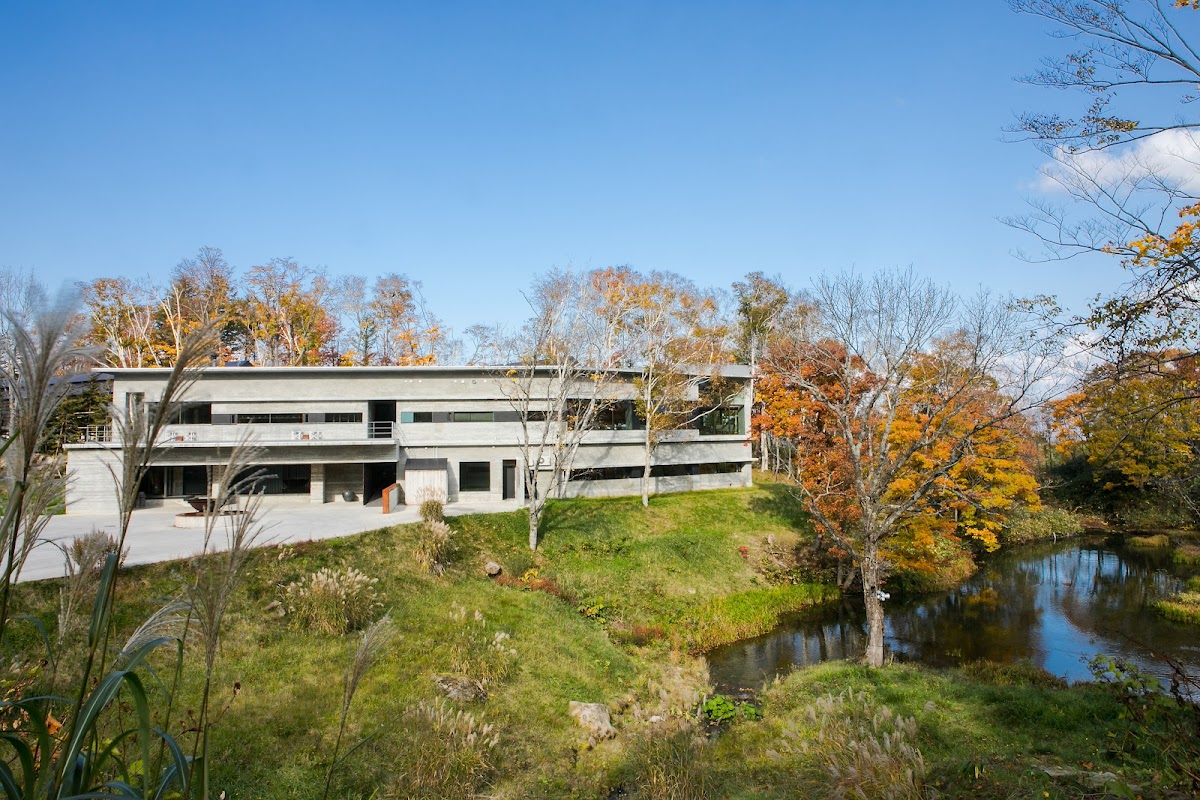
October is outstanding for nature travel. Autumn color sweeps south from Hokkaido through Tohoku and the mountains. Temperatures are ideal (15-20 degrees). Kaiseki menus feature autumn specialties: matsutake mushroom, Pacific saury, chestnuts, and persimmon. Onsen rotenburo with foliage views are at their best in the mountains.
November: Peak Autumn
Highlights: Koyo (autumn foliage) across Kansai and Kanto, stunning garden colors
Best regions: Kyoto, Hakone, Nikko, Kamakura, Nara
The most spectacular autumn foliage month for Japan's most visited regions. Kyoto's temples ablaze with red maples. Hakone's mountains in full color. Nikko's cedar-lined roads draped in gold. This is peak season alongside April: book well in advance and expect higher prices. The rewards are extraordinary. An evening rotenburo surrounded by autumn foliage is one of Japan's great experiences. Properties like Gora Kadan in Hakone and Nishimuraya in Kinosaki are exceptional in November.
December: Early Winter
Highlights: First snow in mountains, illuminations, quiet onsen, late foliage in south
Best regions: Snow country, Kansai (early December foliage), onsen everywhere
December bridges autumn and winter. Mountain areas receive first significant snowfall. Late autumn color persists in southern regions through early December. Onsen ryokan shift to winter menus featuring crab, root vegetables, and hot pots. Mid-December through New Year is a special atmosphere: quiet, cold, and introspective, perfect for onsen immersion. Christmas through New Year commands peak pricing at popular properties.
Best Months by Experience
| Experience | Best Months | Notes |
|---|---|---|
| Snow onsen | Jan-Feb | Tohoku, Hokkaido, Japanese Alps |
| Cherry blossoms | Late Mar-mid Apr | South to north progression |
| Autumn foliage | Late Oct-late Nov | North to south progression |
| Lowest crowds | Jan, Jun, Sep | Best value months |
| Best weather | May, Oct-Nov | Comfortable temperatures, low rain |
| Forest hiking | May-Jun, Sep-Oct | Avoid July-Aug heat in lowlands |
| Beach/islands | Jun-Sep | Okinawa extends to May-Oct |
Frequently Asked Questions
No single best month. November for foliage, April for cherry blossoms, January for snow onsen, and May or October for pleasant weather with fewer crowds. The best time depends on your preferred experience.
Late March to mid-April, moving northward. Kyushu in late March, Tokyo/Kyoto in early April, Tohoku mid-to-late April, Hokkaido early May. Peak bloom lasts about one week per location.
Late September through early December, moving south. Hokkaido in late September, Tohoku in late October, Kanto/Kansai mid-to-late November. Hakone and Kyoto peak around late November.
Not at all. Tsuyu (mid-June to mid-July) brings lush greenery, fewer tourists, and lower prices. Onsen ryokan are atmospheric in rain. Hokkaido has no rainy season. See our tsuyu travel guide.
Plan your specific season: Golden Week escapes, rainy season stays, snow country guide, or autumn foliage stays. For logistics, see Japan Rail Pass guide. Browse all seasonal properties on our map.