"The train came out of the long tunnel into the snow country." Kawabata's famous opening line captures the transformation that still greets travelers heading into Japan's heavy snowfall regions. On one side of the mountain spine, dry Pacific weather. On the other, a world buried in white. Japan's snow country receives some of the heaviest snowfall of any inhabited place on Earth, and the culture, architecture, cuisine, and onsen traditions that have evolved within this landscape are extraordinary.
Most international visitors associate Japanese snow with skiing. But snow country offers much more: open-air onsen baths surrounded by snow banks higher than your head, centuries-old villages where thatched roofs sag under meters of white, hot sake served beside irori hearths, and a quality of silence that only deep snow can create.
Where Is Snow Country?
Japan's heaviest snowfall zones run along the Sea of Japan side of the country, where cold Siberian air absorbs moisture over the sea and deposits it as snow when it hits Japan's mountain spine:
- Niigata: The gateway to snow country. Echigo-Yuzawa (the setting of Kawabata's novel), Tokamachi, and the mountain villages of Minami-Uonuma receive 3-4 meters of ground snow annually.
- Nagano: The Japanese Alps create massive snowfall zones. Nozawa Onsen, Hakuba Valley, and the highland plateaus receive heavy snow from December to April.
- Yamagata: Home to Zao's famous "snow monsters" (juhyo), Ginzan Onsen's romantic gas-lit streets, and Gassan's spring skiing.
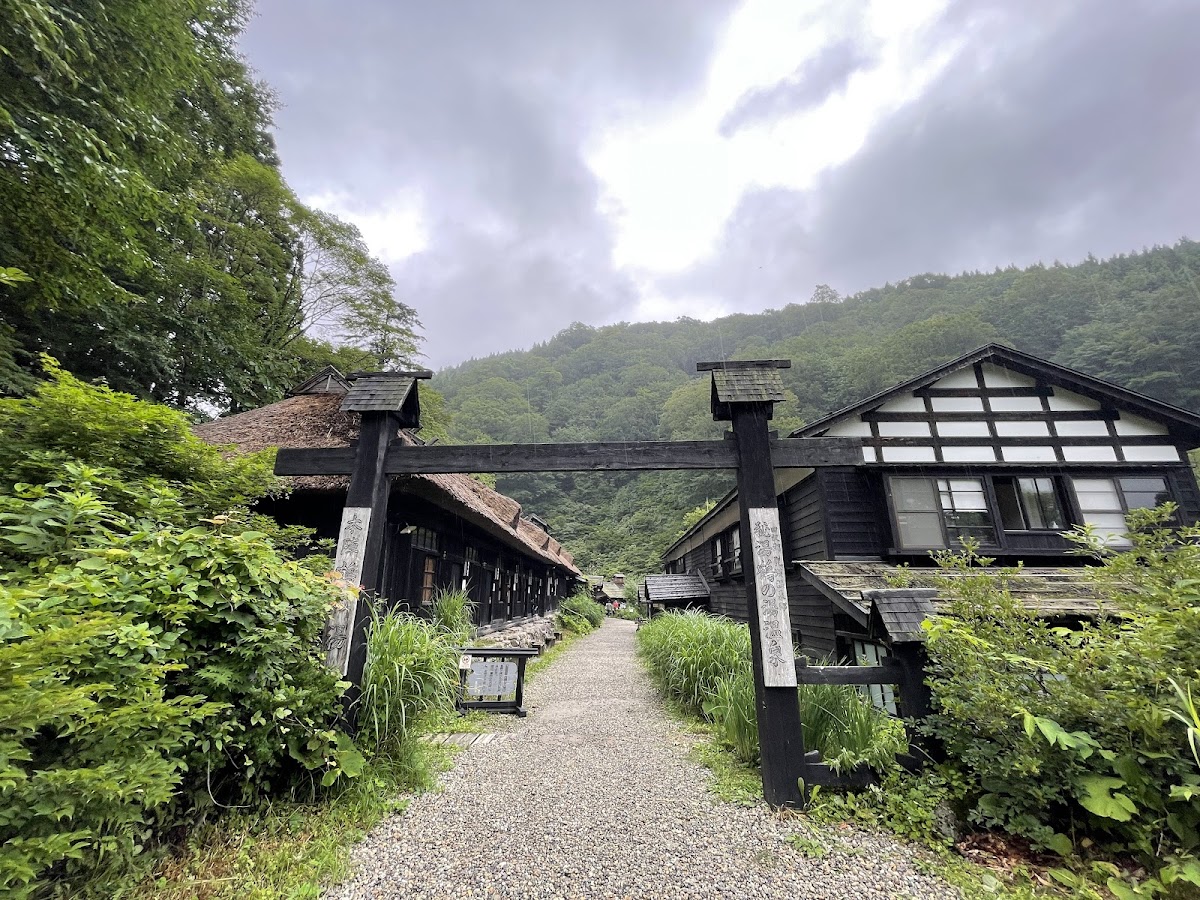
- Akita: Nyuto Onsen, including the famous Tsurunoyu, sits in one of Tohoku's heaviest snowfall zones. Yokote's kamakura festival is a winter highlight.
- Aomori: Japan's snowiest prefecture by many measures. Sukayu Onsen, Hakkoda mountains, and Aoni Onsen are buried in 4-5 meters of snow.
- Hokkaido: Niseko's powder snow is world-famous, but the entire island transforms in winter, from the drift ice of Shiretoko to the frozen lakes of Akan.
Best Snow Country Experiences (Beyond Skiing)
Snow Onsen
Soaking in a rotenburo while snow falls around you is the definitive snow country experience. The temperature contrast between 42-degree water and sub-zero air creates clouds of steam, and the visual contrast between white snow and dark water or weathered stone is unforgettable.
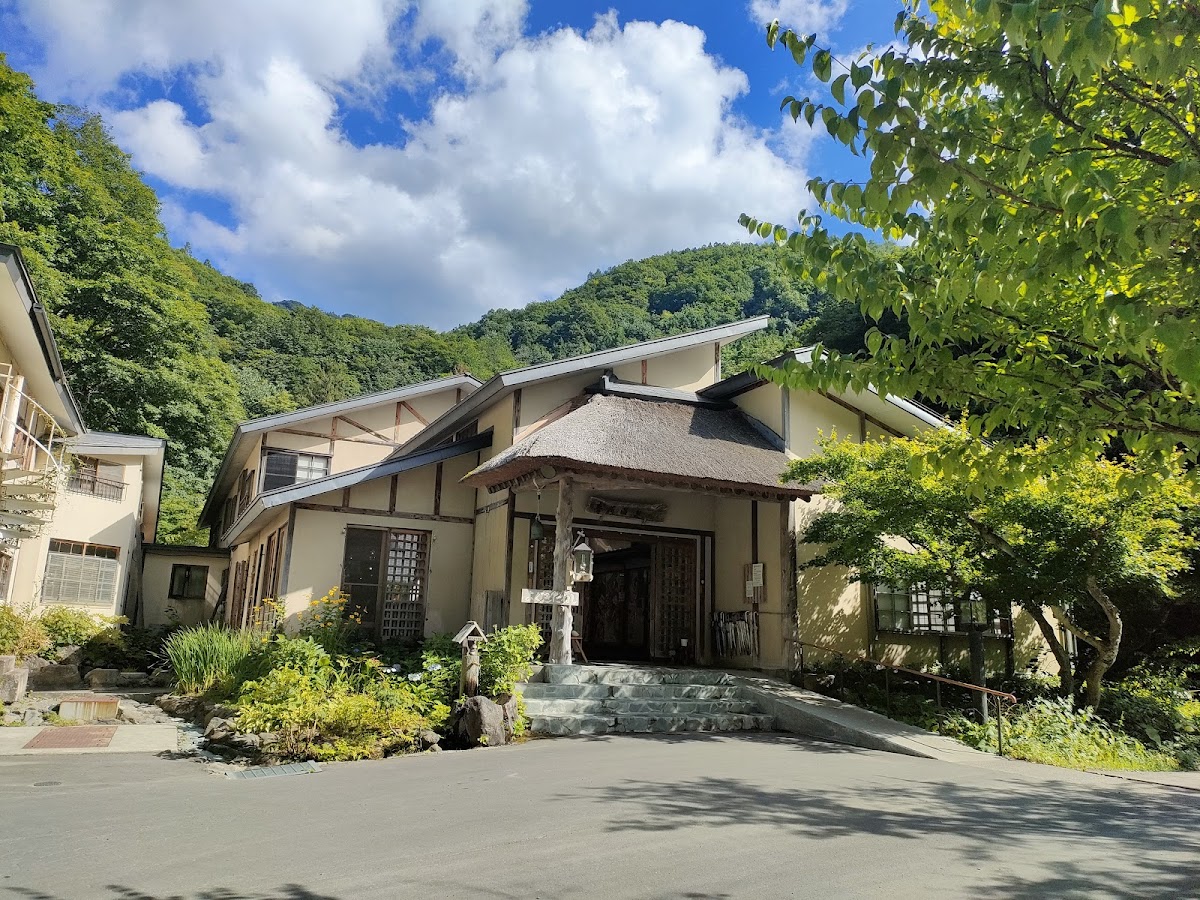
Japan's most iconic snow onsen. The milky white outdoor bath surrounded by snow-laden trees and lit by oil lamps at dusk is the image that defines winter bathing in Japan. The thatched-roof buildings date to the Edo period. Meals cooked over an irori hearth.
Private outdoor baths in each villa, surrounded by birch forest that holds the snow beautifully. Winter at Zaborin is intimate: soak in your personal rotenburo as snowflakes drift through bare branches, then retreat to your heated villa for kaiseki dinner.
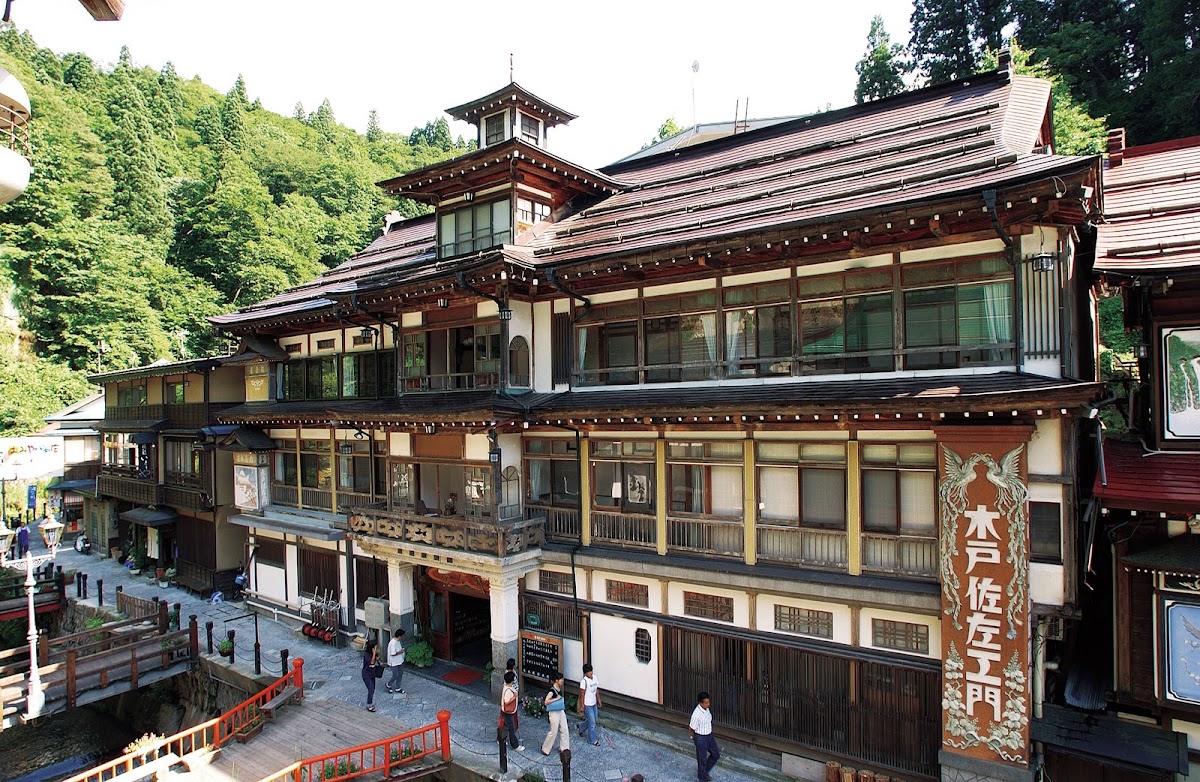
Ginzan Onsen's gas-lamp-lit streets lined with Taisho-era wooden buildings become a winter wonderland under deep snow. Walking the narrow lane in yukata while snow falls softly in the lamplight is one of Japan's most cinematic experiences.
Historic Snow Villages
Japan's heaviest snowfall regions developed distinctive architecture: steep gassho-zukuri roofs that shed snow, deep eaves, and elevated storehouses. These villages are stunning under snow.
- Shirakawa-go (Gifu): UNESCO World Heritage gassho-zukuri farmhouses illuminated against the snow during winter light-up events.
- Ainokura (Toyama): A smaller, less touristed cluster of gassho-zukuri houses equally beautiful under snow.
- Ouchi-juku (Fukushima): A preserved Edo-period post town with thatched-roof buildings along a single street. Under snow, it looks like a woodblock print.
Winter Wildlife
- Snow monkeys: Japanese macaques bathing in hot springs at Jigokudani in Nagano. Jigokudani Kourakukan is the closest accommodation to the monkey park.
- Red-crowned cranes: Dancing in the snow of Kushiro, Hokkaido, from December to March.
- Whooper swans: Wintering on lakes in Niigata and Yamagata.
- Sea eagles: Steller's sea eagles hunting on drift ice near Rausu, Hokkaido.
Winter Kaiseki
Winter kaiseki in snow country features ingredients at their peak: crab (zuwaigani) from the Sea of Japan, root vegetables slow-simmered in dashi, warming hot pots (nabe), fresh mochi, and regional specialties like kiritanpo (pounded rice sticks) in Akita or wanko soba in Iwate. The heartiness of winter cuisine matches the season perfectly.
Getting to Snow Country
- Niigata: Joetsu Shinkansen from Tokyo to Echigo-Yuzawa (1.5h). Ryugon and Satoyama Jujo are accessible from this station.
- Akita: Akita Shinkansen from Tokyo to Tazawako (3h) for Nyuto Onsen. Shuttle to Tsurunoyu takes 30 minutes.
- Yamagata: Yamagata Shinkansen to Oishida Station for Ginzan Onsen (bus connection). Or drive from Yamagata city.
- Aomori: Tohoku Shinkansen to Shin-Aomori. Aoni Onsen and Sukayu require car or limited bus service.
- Hokkaido: Fly to Sapporo or take the Hokkaido Shinkansen to Hakodate. Rent a car with winter tires for flexibility.
Important: Winter tires or chains are essential for driving in snow country. All rental cars in these regions come with winter tires from December through March. See our car rental guide for details.
Frequently Asked Questions
Heavy-snowfall regions along the Sea of Japan coast: Niigata, Nagano, Yamagata, Akita, Aomori, and Hokkaido. Some areas receive 10-20 meters of cumulative annual snowfall, among the highest of any inhabited places on Earth.
Snow onsen bathing, historic village visits, winter wildlife viewing, snowshoeing, kamakura festivals, and experiencing winter kaiseki at properties like Tsurunoyu, Zaborin, and Ginzan Onsen.
January-February for peak conditions. Mid-January offers deep snow with lower prices. Late February has festivals. December brings first heavy snow with holiday atmosphere.
Japan handles snow efficiently. Shinkansen runs reliably. Roads are cleared. Remote onsen may need 4WD. Many ryokan offer station shuttles. The JR Pass covers routes to all major snow country destinations.
For seasonal planning, see best time to visit Japan for nature. Explore winter specifically: winter nature stays and Niseko beyond skiing. For transport, see rail pass guide. Browse all properties on our map.