Golden Week (April 29 - May 5) is Japan's most intense travel period. Roughly 70 million people take to the roads, rails, and skies. Shinkansen seats sell out. Highways gridlock. Popular ryokan reach full capacity months in advance. But the weather during this period is superb: warm, dry, with fresh green foliage everywhere. If you plan strategically, you can enjoy one of Japan's best nature seasons without fighting the crowds.
Understanding Golden Week
The week contains four holidays: Showa Day (April 29), Constitution Day (May 3), Greenery Day (May 4), and Children's Day (May 5). Many workers take April 30, May 1, and May 2 off as well, creating a continuous 7-10 day vacation. The impact on travel infrastructure is enormous: trains at 200% capacity, highway traffic jams extending 50+ kilometers, and hotel rates at annual peaks.
For international travelers, the main challenge is accommodation availability and pricing. The advantage: this is genuinely one of the most beautiful times to be in Japan, with temperatures around 20-25 degrees, fresh shinryoku (new green) on every tree, and energy in the air.
Strategy 1: Book Extremely Early
The most popular nature stays sell out for Golden Week by January. If you know your dates, book 4-6 months in advance. Properties that fill fastest:
- Hakone ryokan (close to Tokyo, always in demand)
- Karuizawa lodges (Tokyo's favorite highland escape)
- Nikko ryokan (UNESCO sites plus nature)
- Kinosaki and Arima onsen (close to Kansai population centers)
Luxury properties like Gora Kadan in Hakone may sell out even earlier for this period. Set calendar reminders to book as soon as reservation windows open.
Strategy 2: Choose Off-the-Radar Destinations
The crowds concentrate where transportation is easiest from Tokyo and Osaka. Go where they do not:
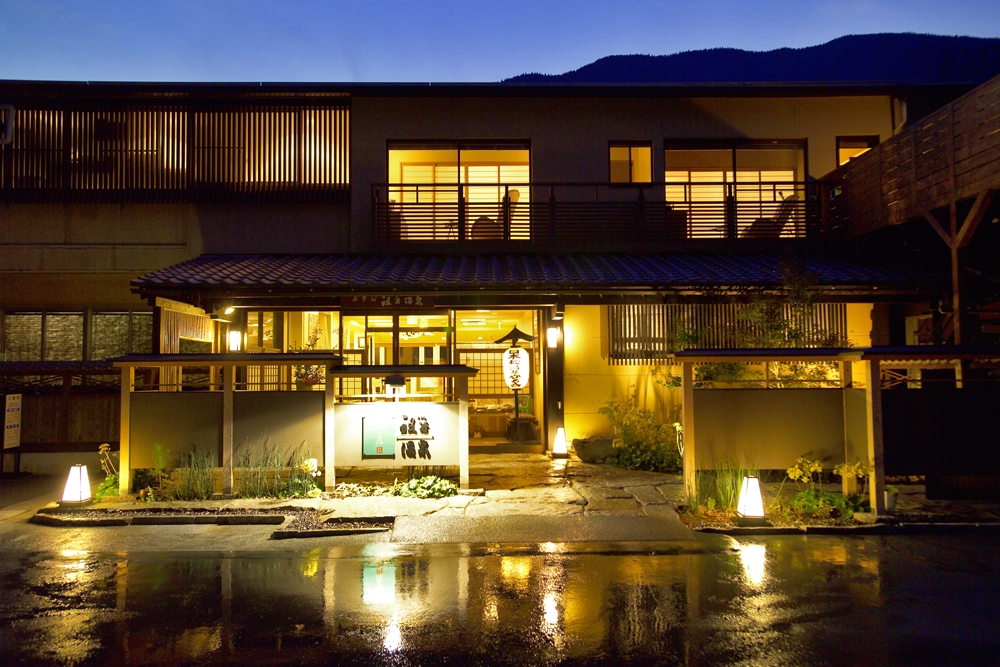
Deep in Shikoku's Iya Valley, accessible only by car or limited bus. The cable-car onsen descending to the river gorge is spectacular in spring green. The remoteness means even Golden Week has reasonable availability.
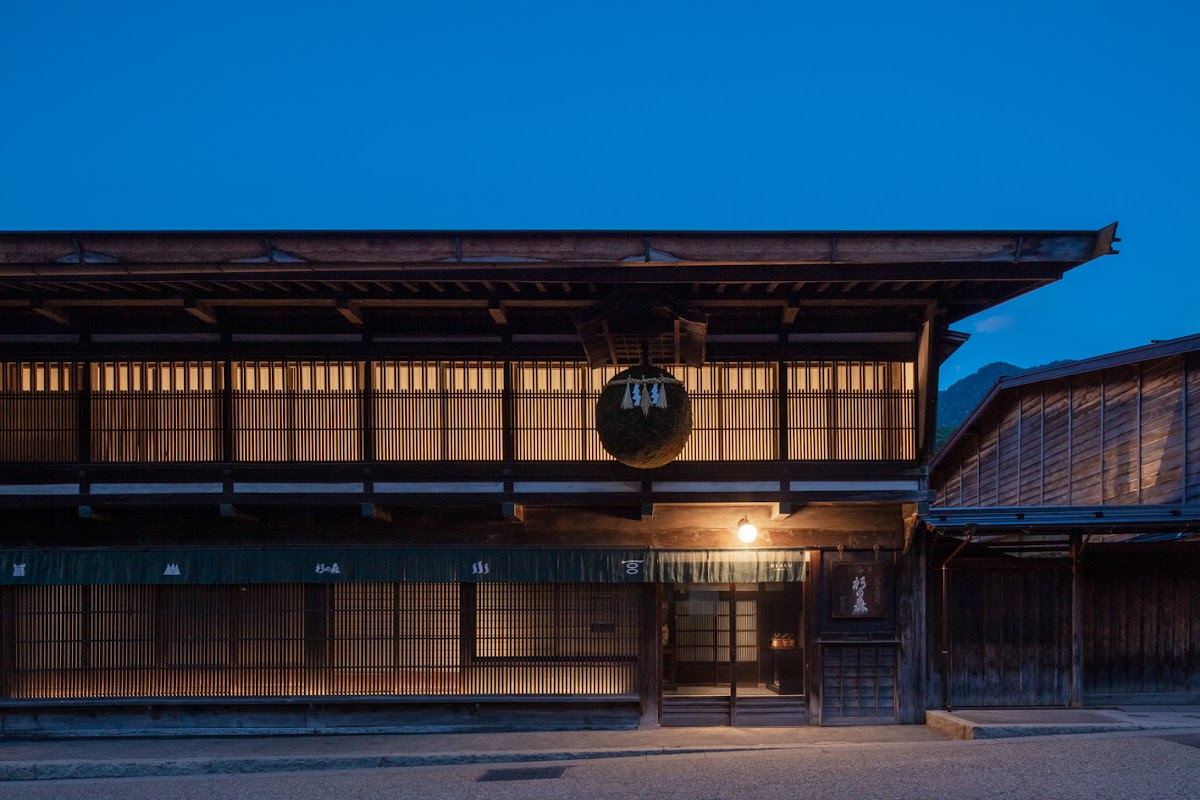
A dispersed hotel in Edo-period post town buildings along the old Nakasendo highway. Less well-known than Karuizawa, Narai-juku in May offers fresh mountain air and historical architecture without the crowds.
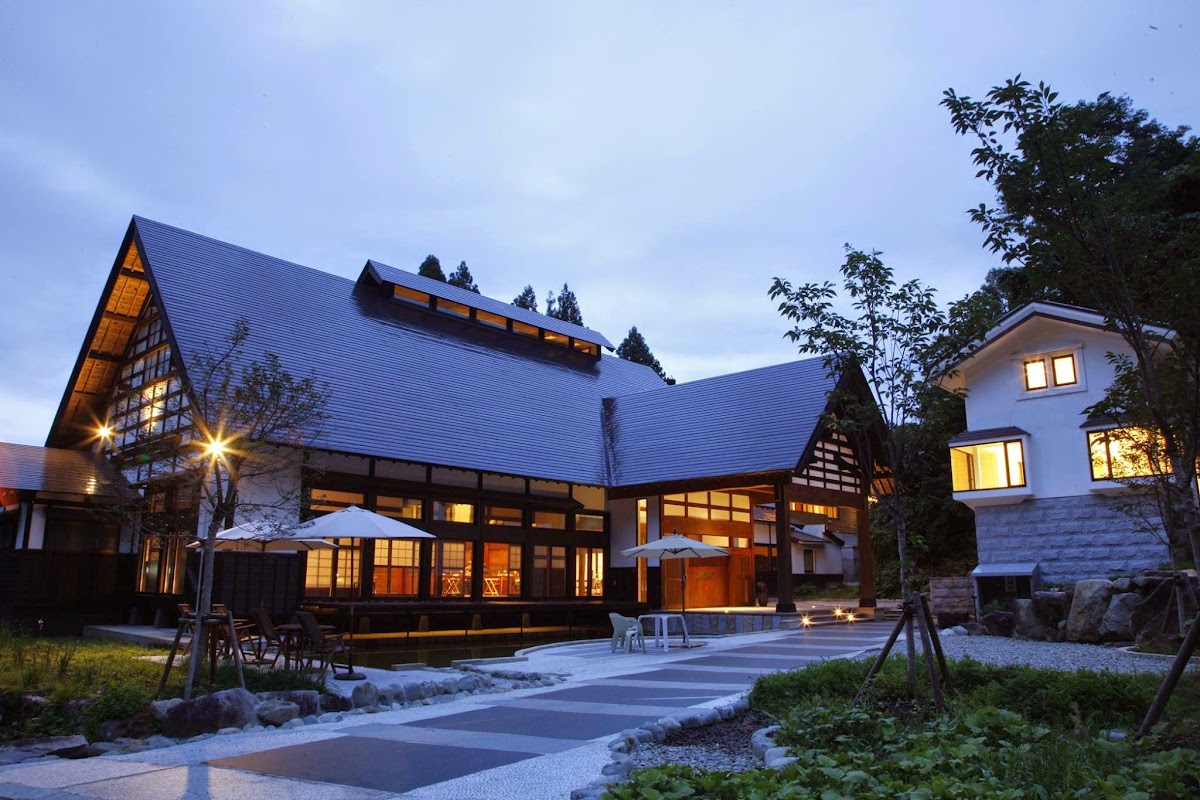
A design-forward ryokan in Niigata's rice country. May is when the rice paddies flood, creating mirror-like reflections of mountains. The contemporary design and regional cuisine make this a standout alternative to popular destinations.
Other Under-the-Radar Golden Week Destinations
- San'in Coast (Shimane/Tottori): Japan's least-visited region on the Sea of Japan coast offers onsen, temples, and dramatic coastline without crowds.
- Oki Islands: Remote islands off the coast of Shimane with unique geology and ecology. Oki Islands Ent Nest provides a base for island exploration.
- Yakushima: The ancient cedar forests are beautiful year-round, and May temperatures are ideal for hiking. Sankara Hotel & Spa is a luxury base.
- Noto Peninsula (Ishikawa): Rugged coastline, fishing villages, and onsen towns well off the main tourist circuit.
- Northern Tohoku: Aomori and Akita in early May still have remnant snow at higher elevations while valleys bloom with spring color.
Strategy 3: Travel on Off-Peak Days
Golden Week has internal peaks and valleys:
- Worst travel days: April 28-29 (outbound rush), May 5-6 (return rush). Avoid long-distance travel on these days if possible.
- Less crowded days: April 30 - May 2 are workdays for some, meaning slightly less competition. May 3-4 are midweek holidays when many people are already settled at destinations rather than traveling.
- Smart approach: Arrive at your destination before April 29 and leave after May 6. This avoids the worst transit congestion while capturing the entire holiday at your destination.
Strategy 4: Try Hokkaido
Hokkaido in early May is spectacular and less impacted by Golden Week crowds than Honshu. Cherry blossoms are just blooming (Hokkaido's sakura peaks in early May, weeks after the mainland). Snow still caps the mountains. The fresh green is emerging. And Hokkaido's vast spaces absorb visitors without feeling crowded.
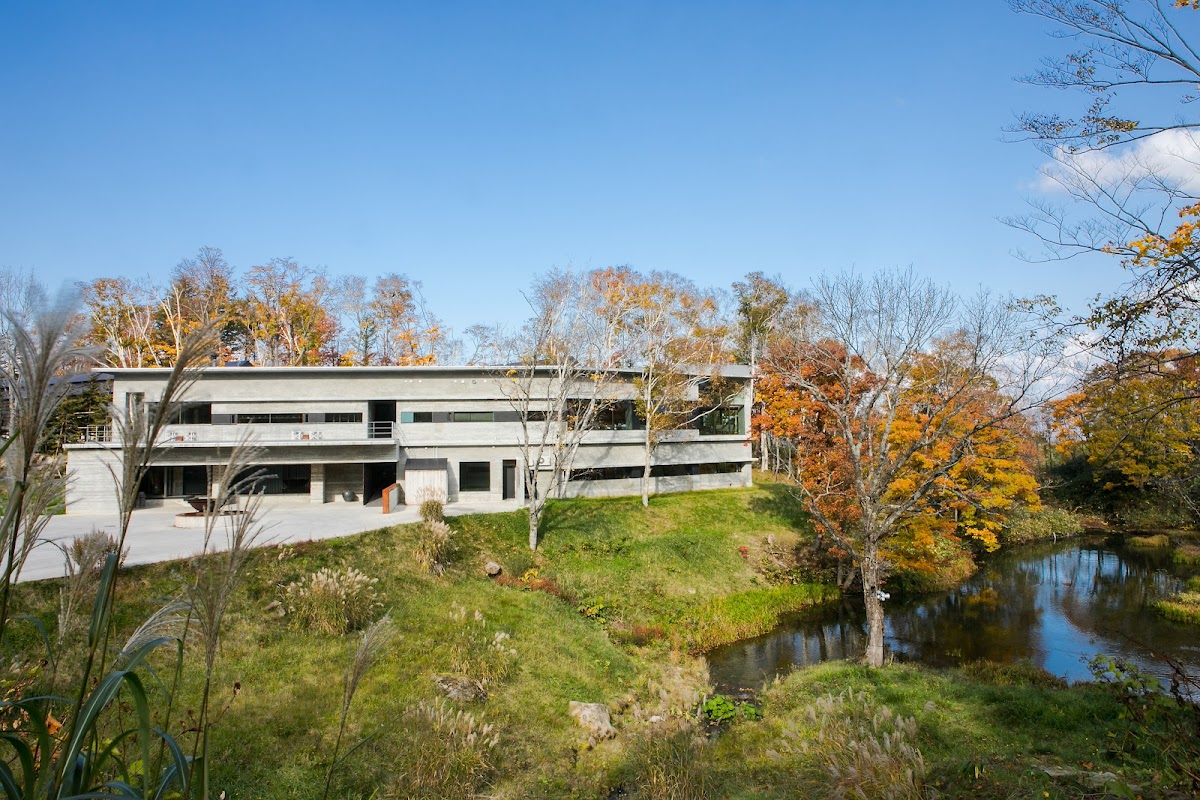
Zaborin in Niseko during Golden Week offers the unique experience of late spring in the birch forest, possibly with lingering snow at higher elevations, combined with private onsen bathing in warming temperatures.
Practical Tips for Golden Week Nature Travel
- Reserve Shinkansen seats early. Use the JR reservation system to book reserved seats as soon as they open (one month before travel). Unreserved cars can be standing-room only during Golden Week.
- Rent a car outside major cities. Pick up in a regional city (Morioka, Matsumoto, Tokushima) rather than Tokyo to avoid highway congestion.
- Consider mid-week arrival. If you can arrive on April 30 or May 1, you avoid the worst of the initial rush.
- Pack for variable weather. Late April/early May can be warm (25 degrees) in lowlands but cool (10-15 degrees) in mountains. Layer accordingly.
- Have a backup plan. If your first-choice ryokan is full, look for newer properties or those in less popular locations that may still have availability.
Frequently Asked Questions
Japan's longest holiday period, April 29 - May 5, with four national holidays. About 70 million people travel domestically. Accommodation and transport are heavily impacted.
Popular ryokan sell out 3-6 months ahead. Book by January for popular properties. Remote or newer properties may have availability 1-2 months before.
Yes, typically 20-50% above regular rates. Some properties charge their highest rates of the year. Off-the-radar destinations like Iya Valley or Narai-juku offer better value.
The weather is excellent. Choose less-crowded destinations, book early, and travel on off-peak days within the week. Hokkaido and remote regions are particularly good options.
For seasonal planning, see our month-by-month nature guide. For logistics, check Japan Rail Pass tips and car rental guide. Browse all properties on our map.