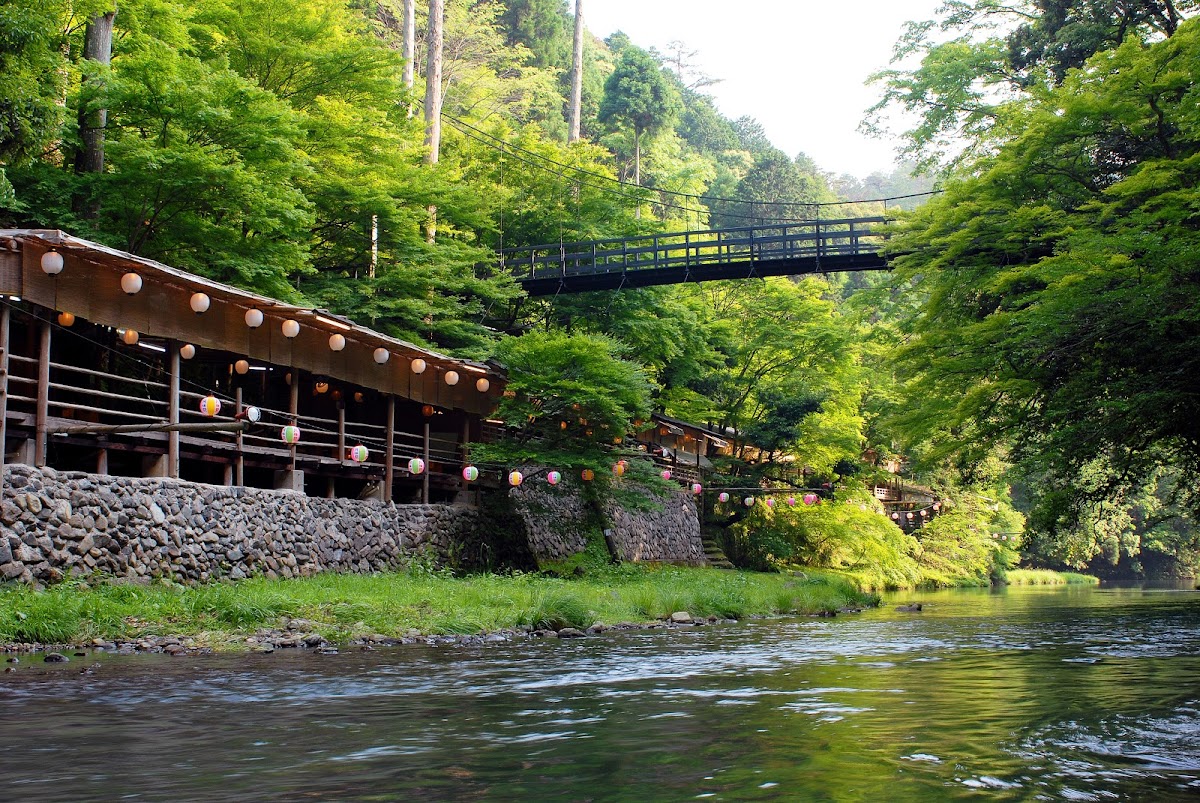
Most travel guides tell you to avoid Japan during tsuyu, the rainy season from June to mid-July. We disagree. Tsuyu is one of the most atmospheric, affordable, and genuinely beautiful times to experience Japan's nature stays. The rain transforms landscapes: moss glows electric green, gardens reach peak lushness, mist wraps mountain ryokan in mystery, and the sound of rainfall on traditional tile roofs is hypnotic. Add the lowest crowds and prices of the year, and tsuyu becomes a smart traveler's secret.
What Tsuyu Is Actually Like
Tsuyu (梅雨, literally "plum rain") corresponds to the ripening of ume plums. The season typically begins in early June and lifts in mid-July across mainland Japan. Okinawa enters and exits earlier. Hokkaido skips it entirely.
Common misconceptions:
- It does not rain all day every day. Tsuyu brings intermittent showers, high humidity, and overcast skies mixed with clear periods. Complete washout days are rare.
- Temperatures are warm. June averages 22-28 degrees, warm enough for comfortable outdoor exploration between showers.
- The rain is usually gentle. Most tsuyu rainfall is steady drizzle or moderate showers, not the dramatic typhoon-style downpours of late summer (though occasional heavy rain does occur).
Why Tsuyu Is Perfect for Nature Stays
Rain Enhances Onsen Bathing
An outdoor rotenburo in the rain is sublime. Warm mineral water envelops your body while cool raindrops land on your face and shoulders. The sound of rain on surrounding foliage creates a natural soundtrack. Mist rises from the bath's surface, obscuring and revealing the landscape. Many onsen enthusiasts consider rainy-day bathing the best bathing.
Gardens at Peak Beauty
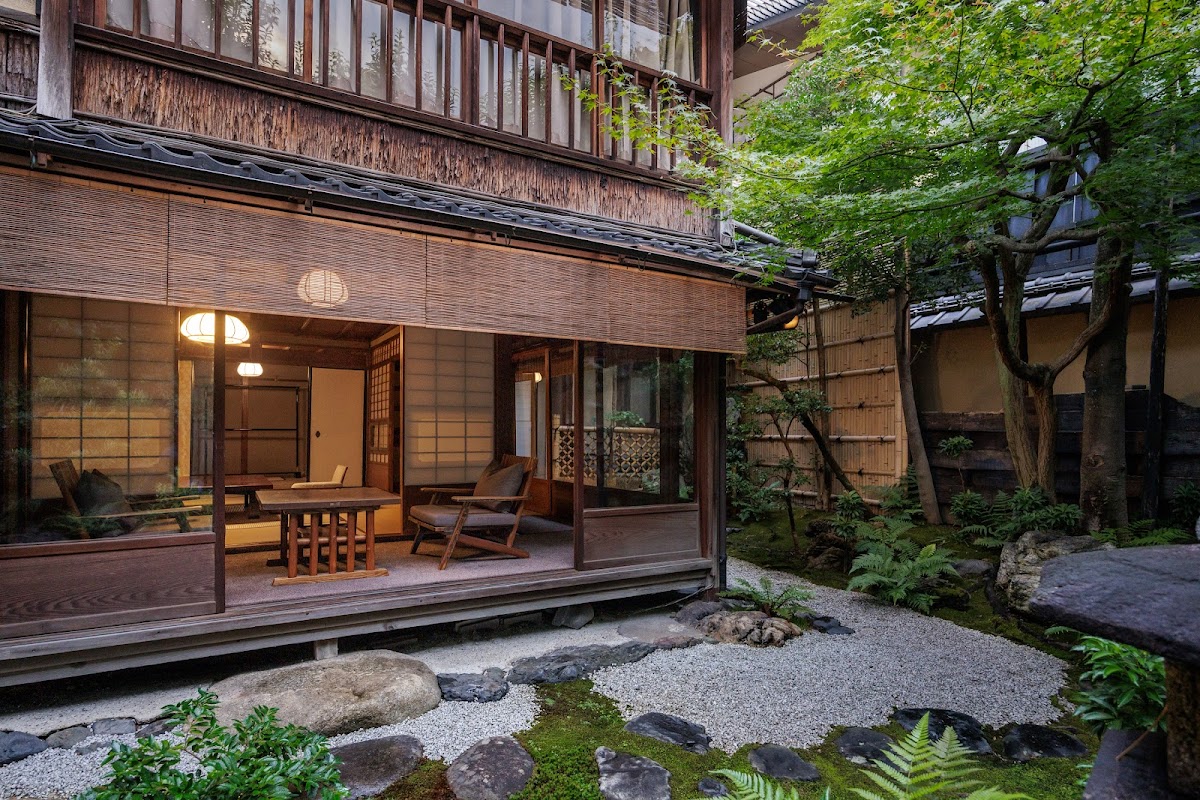
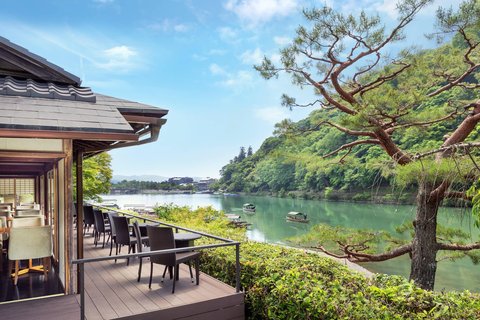
Japanese gardens are designed for rain. Moss, a central element of many garden compositions, reaches its most vibrant green during tsuyu. Stone paths glisten. Water features integrate naturally with falling rain. Ryokan like Hiiragiya in Kyoto and Suiran in Arashiyama have gardens that are arguably more beautiful in rain than in sunshine.
Hydrangea Season
Ajisai (hydrangea) bloom throughout tsuyu, and they thrive in moisture. Temple gardens, mountain paths, and ryokan grounds explode with blue, purple, pink, and white hydrangea clusters. Famous viewing spots include Meigetsuin in Kamakura, Mimurotoji in Kyoto, and countless roadside displays in rural areas.
Firefly Season
Late June is firefly (hotaru) season across rural Japan. These bioluminescent insects gather near clean rivers and rice paddies, creating magical evening displays. Many rural ryokan organize guided firefly viewing walks. Momijiya near Kyoto is set along a river known for its firefly population.
Minimal Crowds and Lower Prices
Tsuyu is Japan's lowest tourism season alongside January. Properties that are fully booked during cherry blossom and autumn foliage seasons have wide availability. Prices drop 10-30% at many ryokan. You can secure rooms at properties that are otherwise months-in-advance bookings.
Best Tsuyu Destinations
Hokkaido: No Rainy Season
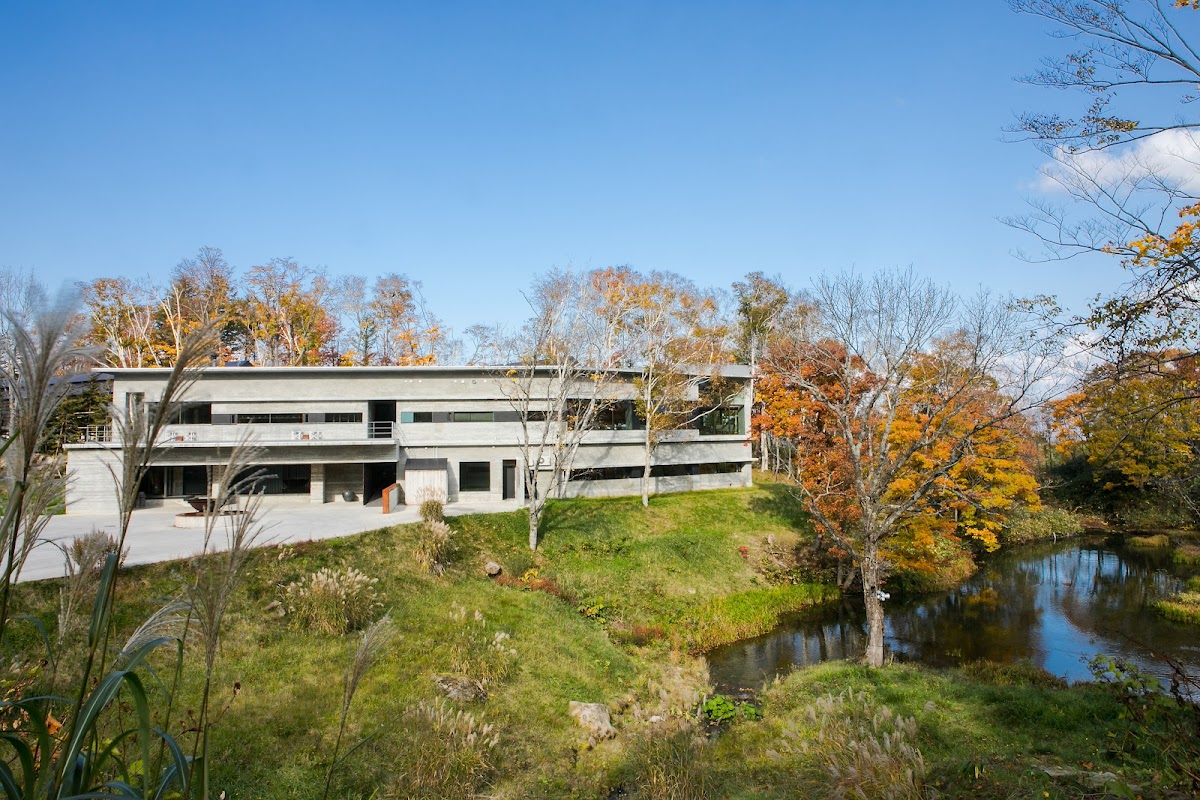
Hokkaido does not experience tsuyu. June weather is pleasant: warm days (20-25 degrees), low humidity, wildflowers blooming. Zaborin in Niseko is surrounded by fresh green birch forest. Furano's lavender fields begin their early bloom. This is Hokkaido's secret best month.
Kyoto: Rain-Enhanced Gardens
Kyoto is more beautiful in rain than most people realize. Moss gardens (Saihoji, Gioji), stone gardens (Ryoanji), and riverside settings come alive with moisture. Hiiragiya and the garden-view rooms at Suiran Luxury Collection offer front-row seats to rain-transformed landscapes.
Mountain Retreats
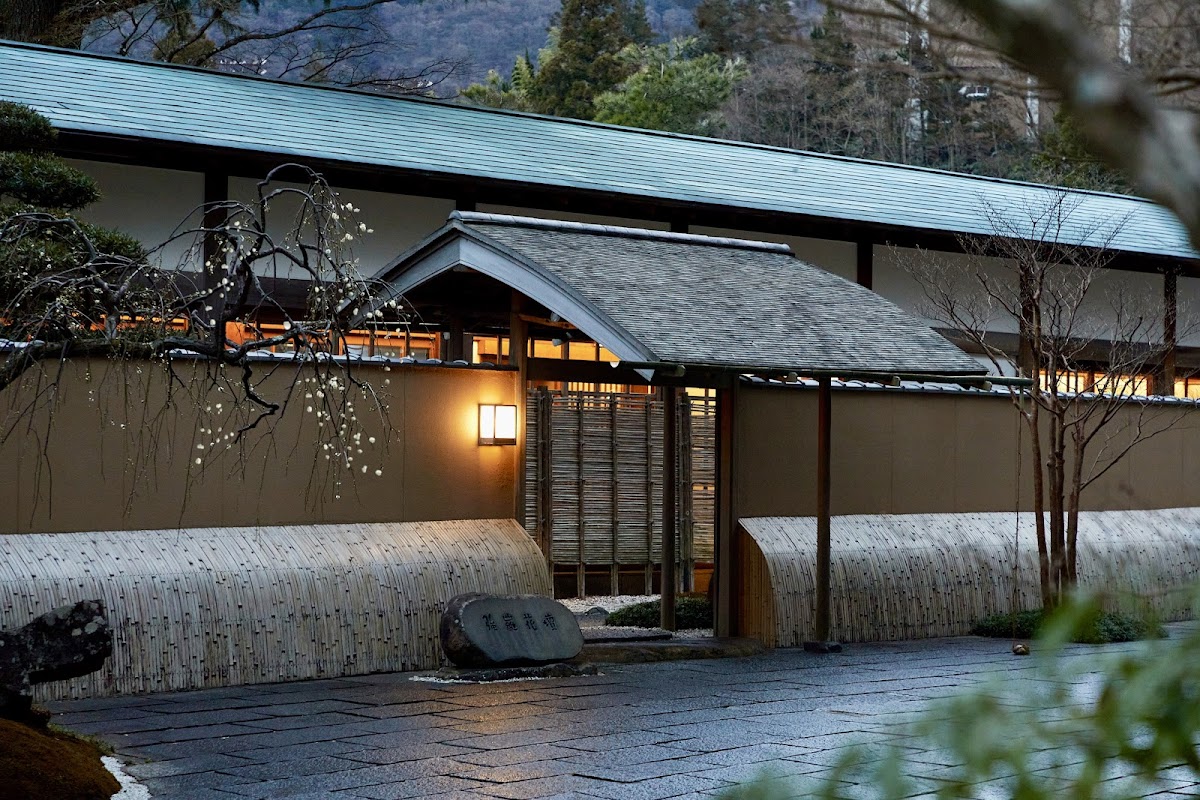
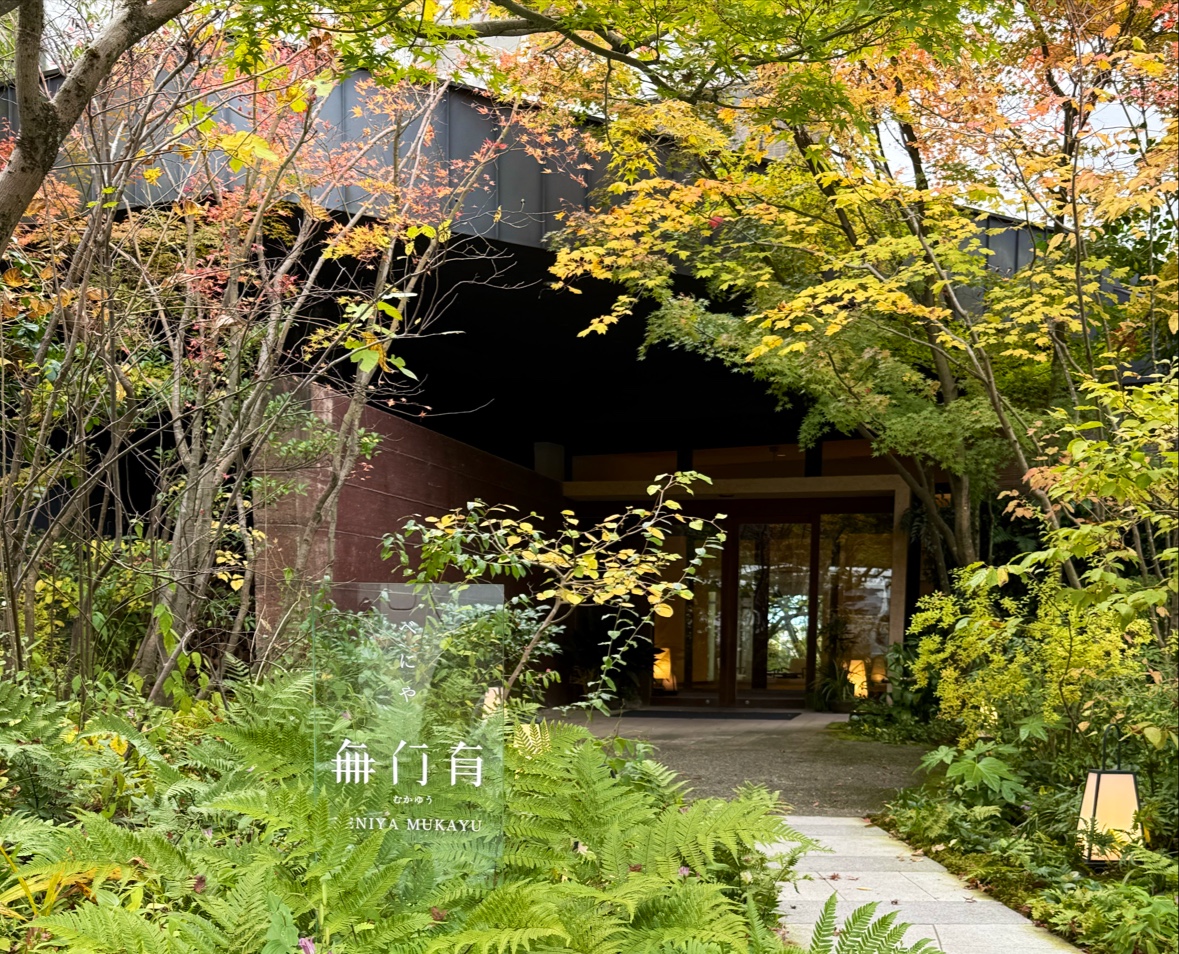
Mountain ryokan in tsuyu are wrapped in mist and the sound of rain on forest canopy. The air is fresh and cool compared to humid lowlands. Gora Kadan in Hakone and Beniya Mukayu in Yamashiro are exceptional in the rain, with the atmospheric quality amplifying the sense of retreat from the ordinary world.
Practical Tips for Tsuyu Travel
- Pack a compact umbrella and rain jacket. A folding umbrella fits easily in a day bag. Japanese convenience stores sell decent emergency umbrellas for 500-1,000 yen.
- Waterproof your footwear. Wet stone paths and garden walkways can be slippery. Shoes with grip are important. Some travelers bring waterproof hiking sandals for warm-weather tsuyu exploration.
- Embrace indoor activities. Schedule museum visits, kaiseki lunches, tea ceremony experiences, and onsen bathing on the wettest days. Save outdoor exploration for dry windows.
- Protect electronics. High humidity can affect cameras and phones. Carry a ziplock bag for your phone during outdoor walks. Silica gel packets in your camera bag help.
- Plan for indoor drying. Ryokan often have umbrella stands, shoe dryers, and well-ventilated changing rooms. Air conditioning in your room also helps dry damp clothes overnight.
- Monitor weather forecasts. Japanese weather forecasting is excellent and highly localized. Check tenki.jp or the weather app for hour-by-hour predictions at your destination.
Frequently Asked Questions
Early June to mid-July for mainland Japan. Okinawa starts mid-May. Hokkaido has no tsuyu. The Japan Meteorological Agency announces the official start and end each year.
No. Expect intermittent showers, overcast skies, and high humidity, mixed with clear periods. Complete washout days are uncommon. Many days have rain only in the morning or evening.
Excellent. Rain enhances outdoor bathing, gardens reach peak beauty, crowds are minimal, and prices are among the year's lowest. Properties like Gora Kadan and Beniya Mukayu are atmospheric in rain.
Hokkaido (no rainy season), Kyoto (gardens and hydrangea), mountain onsen ryokan, or indoor-focused cultural destinations. Avoid beach-dependent itineraries.
For seasonal planning, see our month-by-month guide. Explore other seasonal experiences: snow country Japan and autumn foliage stays. Browse all properties on our map.