Yasunari Kawabata's Nobel Prize-winning novel opens with one of the most famous lines in Japanese literature: "The train came out of the long tunnel into the snow country." That transition, from the gray Pacific side of Japan through the mountains to the white, silent Japan Sea coast, remains one of the most dramatic seasonal experiences in the country. Winter transforms Japan's mountain landscapes into monochrome scenes of extraordinary beauty, and the contrast between freezing outdoor air and steaming natural hot springs creates sensations that no other season can replicate.
This guide covers the best nature stays for experiencing Japanese winter, from legendary snow country ryokan to ski-adjacent mountain lodges and cozy highland cabins. We focus on properties where winter is not something to endure but a defining feature of the experience.
Snow Country Ryokan
Japan's "snow country" (yukiguni) runs along the Sea of Japan coast and through the mountains of central Honshu, where winter storms from Siberia dump meters of snow between December and March. The snowfall here is among the heaviest in the world for inhabited areas, and the culture that has developed around it, from snow-banked hot springs to irori hearth cooking, represents Japanese hospitality at its most elemental.
Snow country ryokan are not merely hotels that happen to be covered in snow. They are properties designed around winter, with architecture that channels heat, cuisine that warms from the inside, and onsen baths positioned to maximize the drama of hot water meeting cold air.
Zaborin (Niseko, Hokkaido)
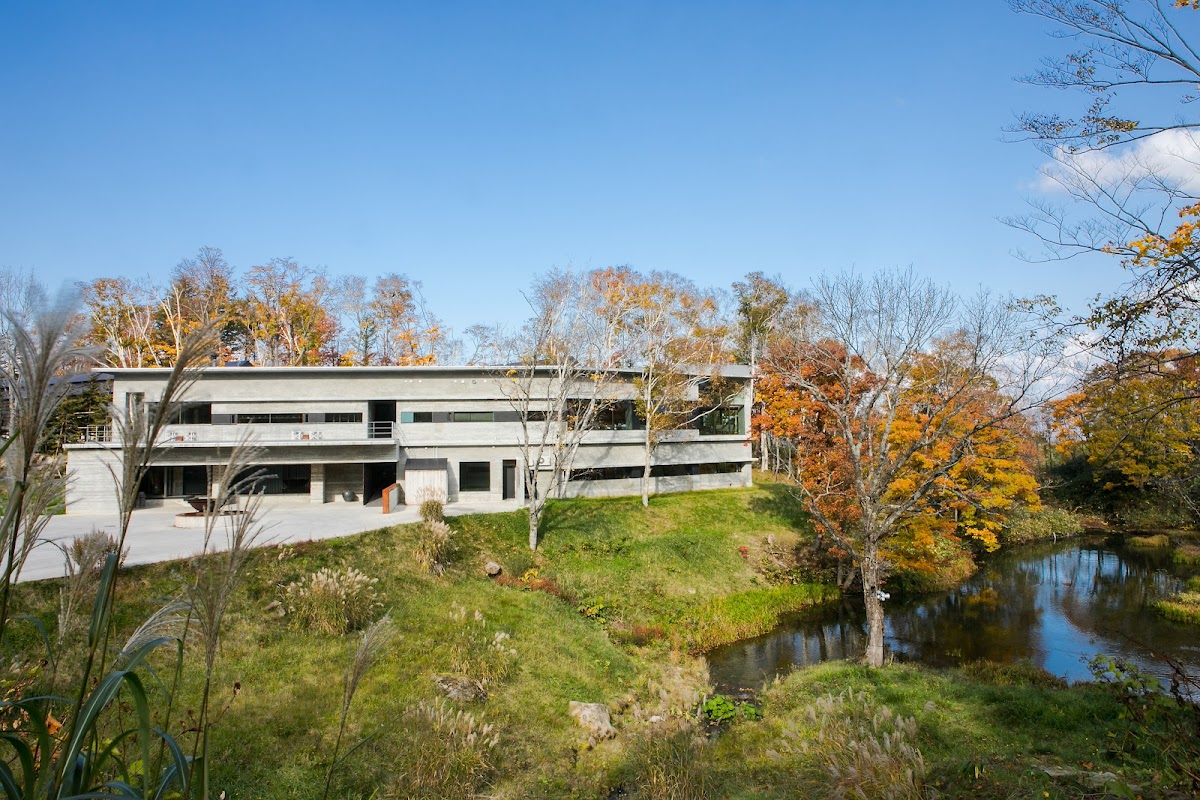
Zaborin in winter is one of Japan's supreme hospitality experiences. The 15-villa ryokan sits in a birch forest near Niseko, where annual snowfall exceeds 15 meters. Every villa has two private onsen baths, one indoor and one outdoor, fed by natural hot springs. The outdoor bath in winter is transformative: you soak in 42°C mineral water while snow accumulates on your towel, on the rocks surrounding the bath, and on the birch branches overhead. The Michelin 2 Keys dining incorporates Hokkaido winter ingredients at their peak, and the views of Mt. Yotei rising above the snow are unforgettable.
Ginzan Onsen Notoya Ryokan (Ginzan Onsen, Yamagata)
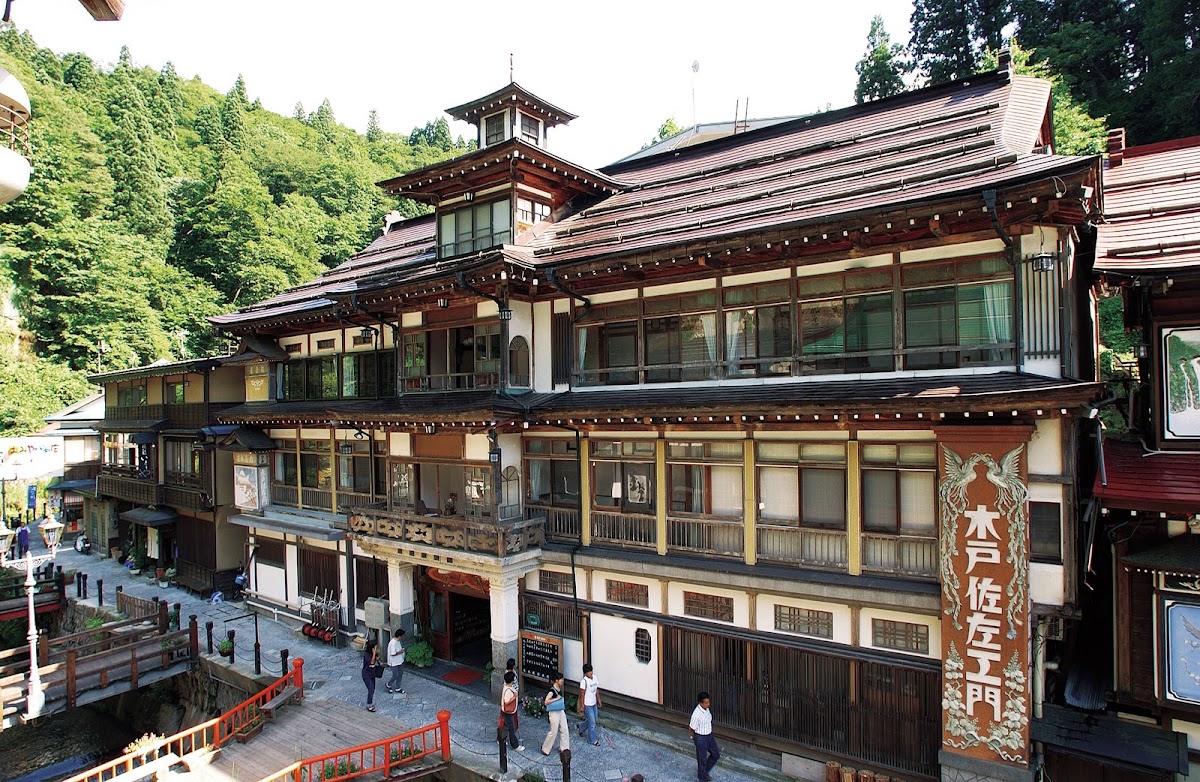
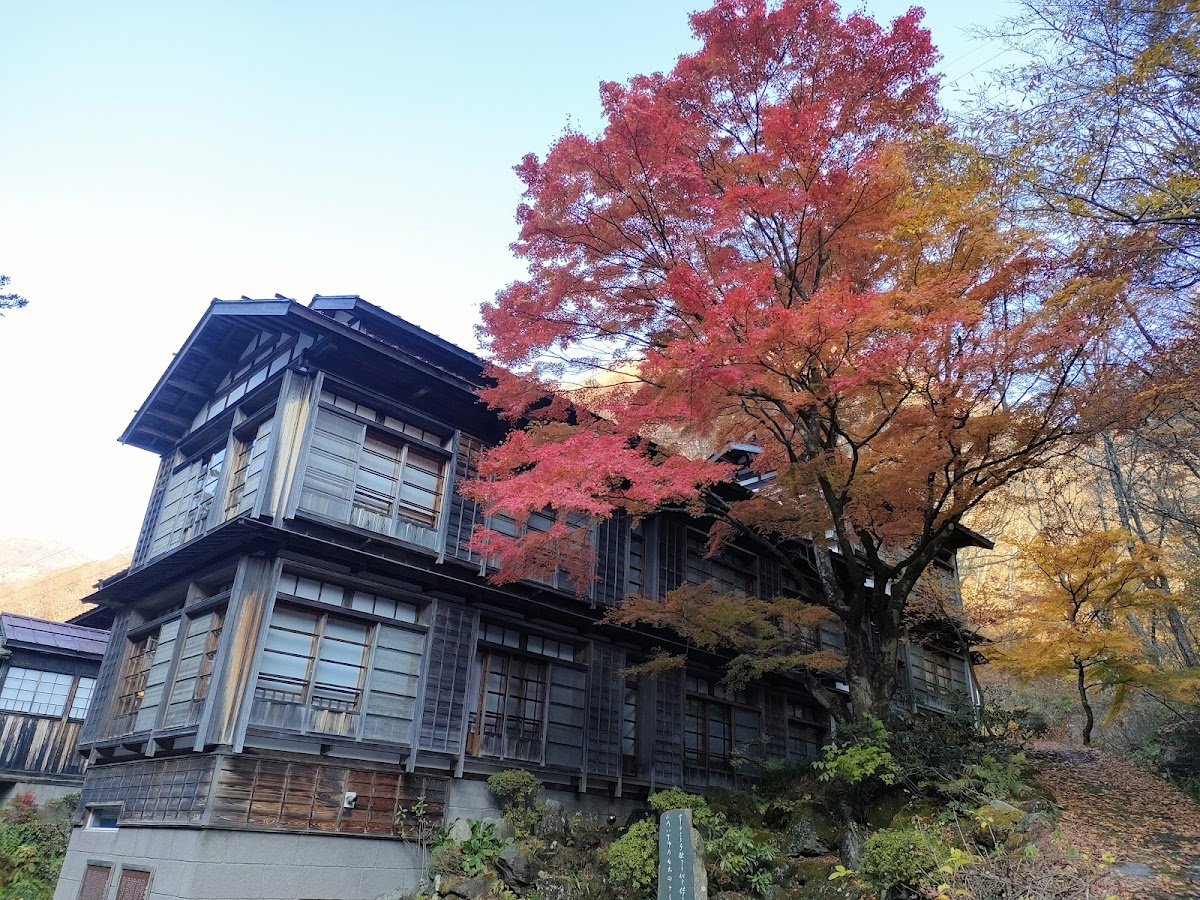
Ginzan Onsen is perhaps the most photographed winter scene in Japan. The narrow gorge lined with Taisho-era wooden ryokan buildings, lit by gas lamps as snow falls thick and silent, is said to have inspired the bathhouse in Hayao Miyazaki's Spirited Away. Notoya Ryokan is one of the original buildings in this scene, and a winter night here is like stepping into a Meiji-era woodblock print. The natural hot spring water, kaiseki using mountain ingredients, and the simple act of watching snow fall in lantern light create an evening you will not forget.
Satoyama Jujo (Minami Uonuma, Niigata)
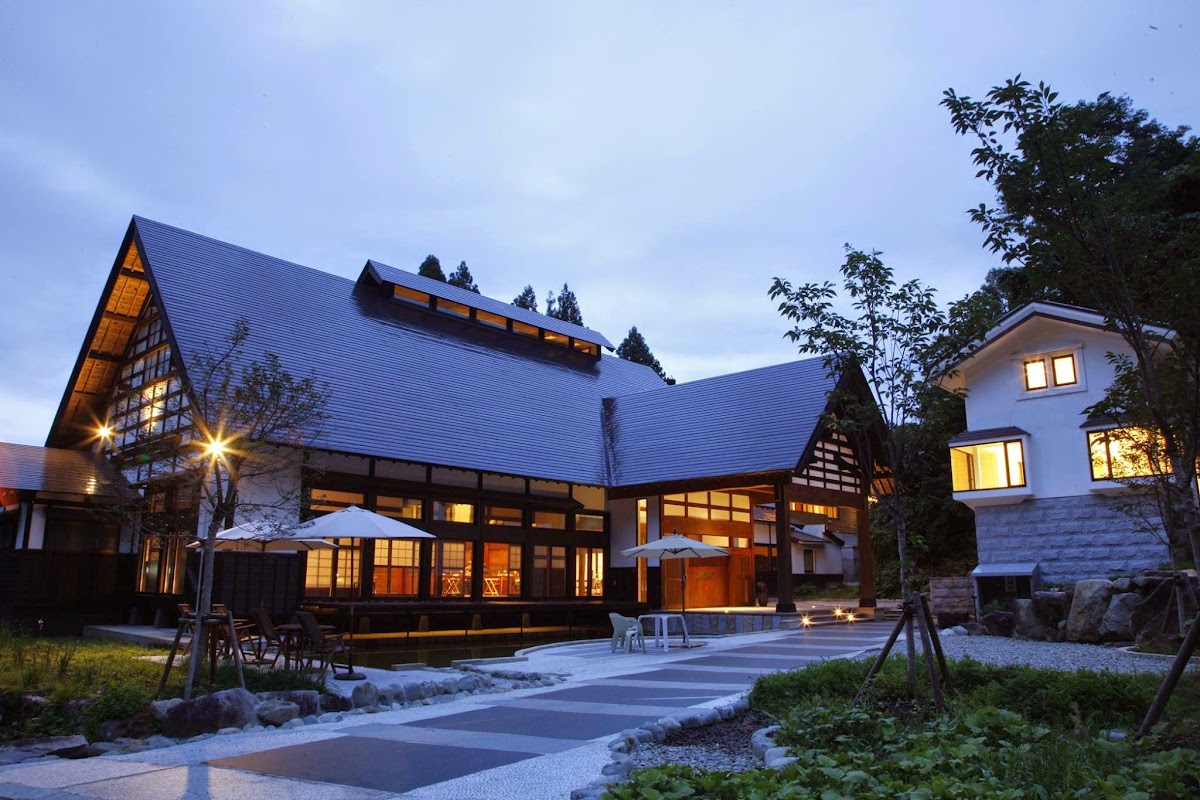
Niigata's Uonuma region receives some of the heaviest snowfall in Japan, with accumulations routinely exceeding 3 meters. Satoyama Jujo's renovated farmhouse architecture, with its massive timber beams designed to bear snow loads, comes alive in winter when the surrounding landscape turns into an unbroken white expanse. The Michelin 1 Key design hotel blends 150-year-old heritage with contemporary art and comfort, and the outdoor onsen bath surrounded by snow-laden trees is one of the most photogenic winter scenes in the Japanese Alps. Multiple ski resorts are within easy reach.
Tsurunoyu Bettei Yama no Yado (Nyuto Onsen, Akita)
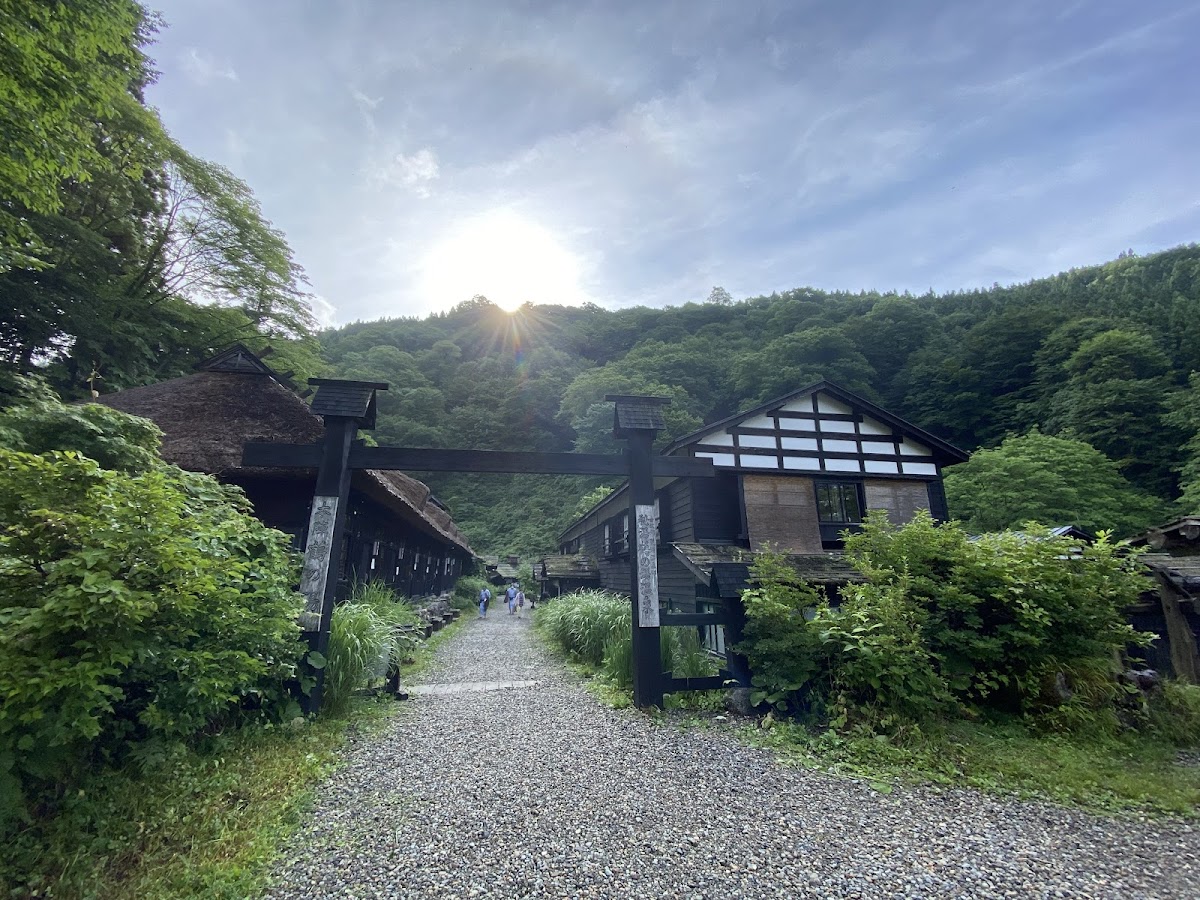
The annex to legendary Tsurunoyu, one of Japan's most famous winter onsen, offers private thatched-roof cottage rooms in the deep mountains of Akita. Nyuto Onsen's milky white outdoor baths are surrounded by beech forest buried in snow, and the experience of soaking in the mineral-rich water while snowflakes land on your hair is the essence of yukiguni winter. The thatched roofs piled high with snow, oil lamp lighting, and irori hearth cooking create an atmosphere that has barely changed in 350 years.
Aoni Onsen (Kuroishi, Aomori)
The ultimate winter digital detox. Aoni Onsen operates with no electricity at all, lit entirely by oil lamps after dark. In winter, the mountain road to the property is accessible only by the ryokan's shuttle, and the isolation is total. Snow buries the surrounding Tohoku forest in meters of white, and the oil-lamp-lit baths steaming in the cold night air create one of the most primordial experiences available in modern Japan. If you want to understand what winter meant to the Japanese before electricity, Aoni is the place.
Winter Onsen Experiences
Winter onsen bathing is fundamentally different from any other season. The greater the temperature differential between air and water, the more intense the sensation. At -5°C outside and 42°C in the bath, your body experiences a 47-degree contrast that triggers a cascade of physical responses: blood vessels dilate, muscles relax completely, and a deep warmth spreads from core to extremities. Combined with the visual drama of snow and steam, winter onsen is meditative in a way that summer bathing simply cannot match.
Takaragawa Onsen Osenkaku (Minakami, Gunma)
Takaragawa's massive riverside open-air baths are legendary year-round, but winter transforms them into something transcendent. Snow piles on the rocks surrounding the baths and on the bare branches of the riverside trees, while the Takaragawa River rushes past in its mountain gorge. The scale of these baths, some of the largest outdoor onsen in Japan, means you soak in a genuine natural setting rather than a garden. Steam rising from the water surface into freezing mountain air creates thick clouds that drift through the snow-covered forest. This is winter onsen at its most dramatic.
Hoshi Onsen Chojukan (Minakami, Gunma)
The 140-year-old wooden bathhouse at Chojukan is a national cultural property, and in winter its high windows let in diffused light through snow-laden branches outside. Hot spring water bubbles directly from the rock beneath the bath floor, a natural phenomenon unchanged for centuries. The wooden architecture creaks in the cold, the mountain stream outside runs beneath ice, and the mineral water envelops you in warmth that feels earned rather than manufactured. This is onsen bathing stripped to its essence.
Gora Kadan (Hakone, Kanagawa)
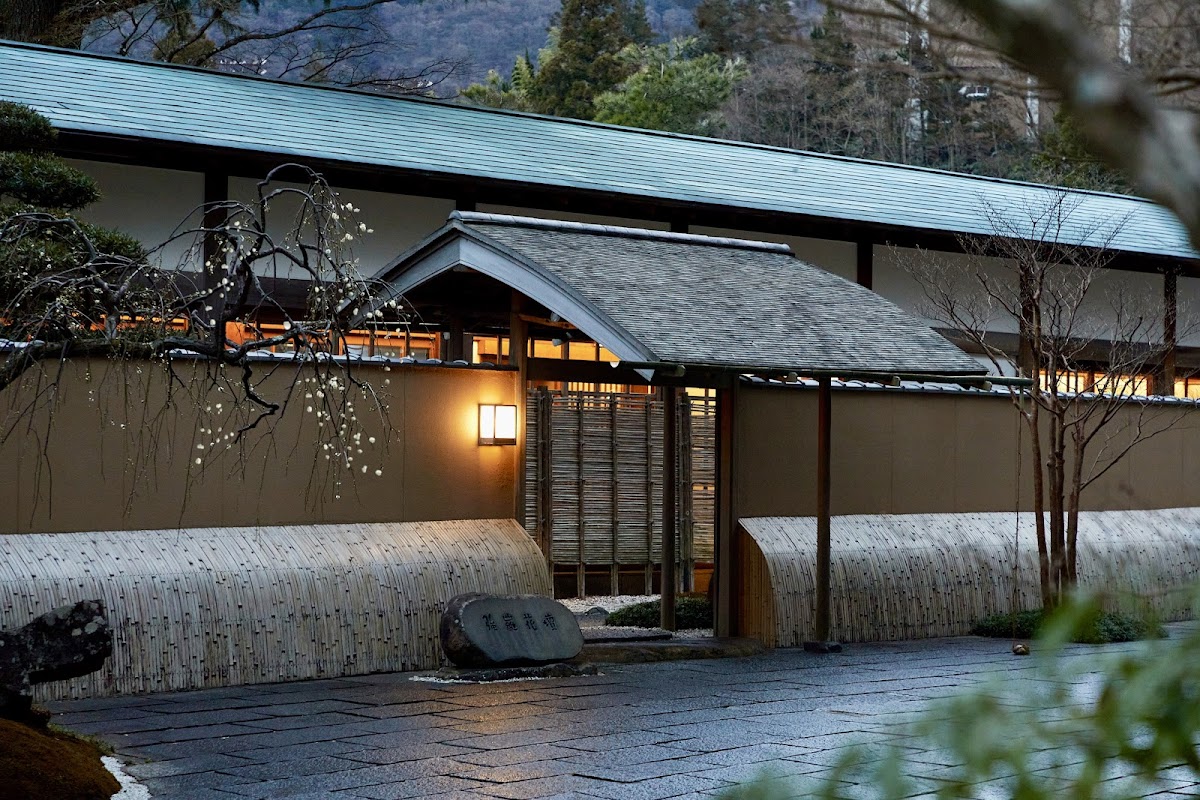
Hakone receives occasional snowfall between December and February, and on those days Gora Kadan becomes a winter wonderland just 90 minutes from Tokyo. The Michelin 3 Keys ryokan's private onsen baths look out onto snow-dusted gardens, and the kaiseki cuisine shifts to warming winter courses featuring Hakone mountain game, root vegetables, and hot pot preparations. Even without snow, Hakone's winter is brisk and atmospheric, with clear views of Mt. Fuji that are often obscured by haze in warmer months.
Ski Area Lodging (Beyond the Chains)
Japan has earned a global reputation for powder skiing, but most ski-area accommodation consists of generic pensions and chain hotels. The nature stays near ski areas listed below offer something different: the quality of a thoughtfully designed property combined with access to world-class slopes.
SANU 2nd Home Hakuba (Hakuba, Nagano)
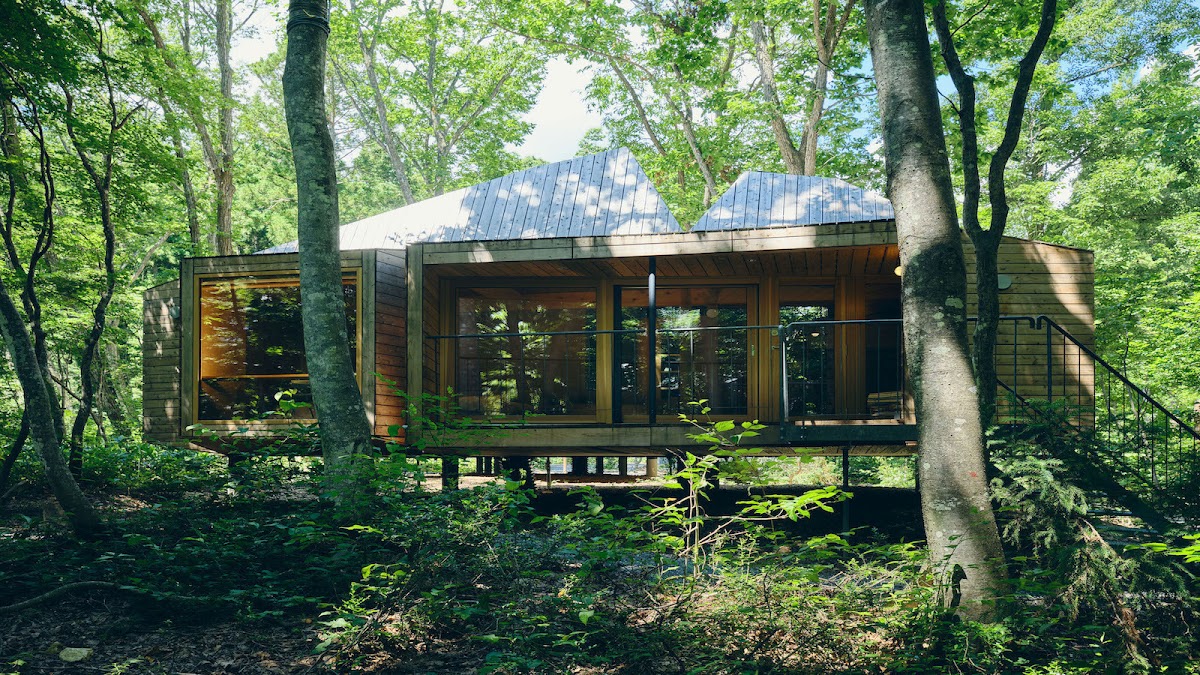
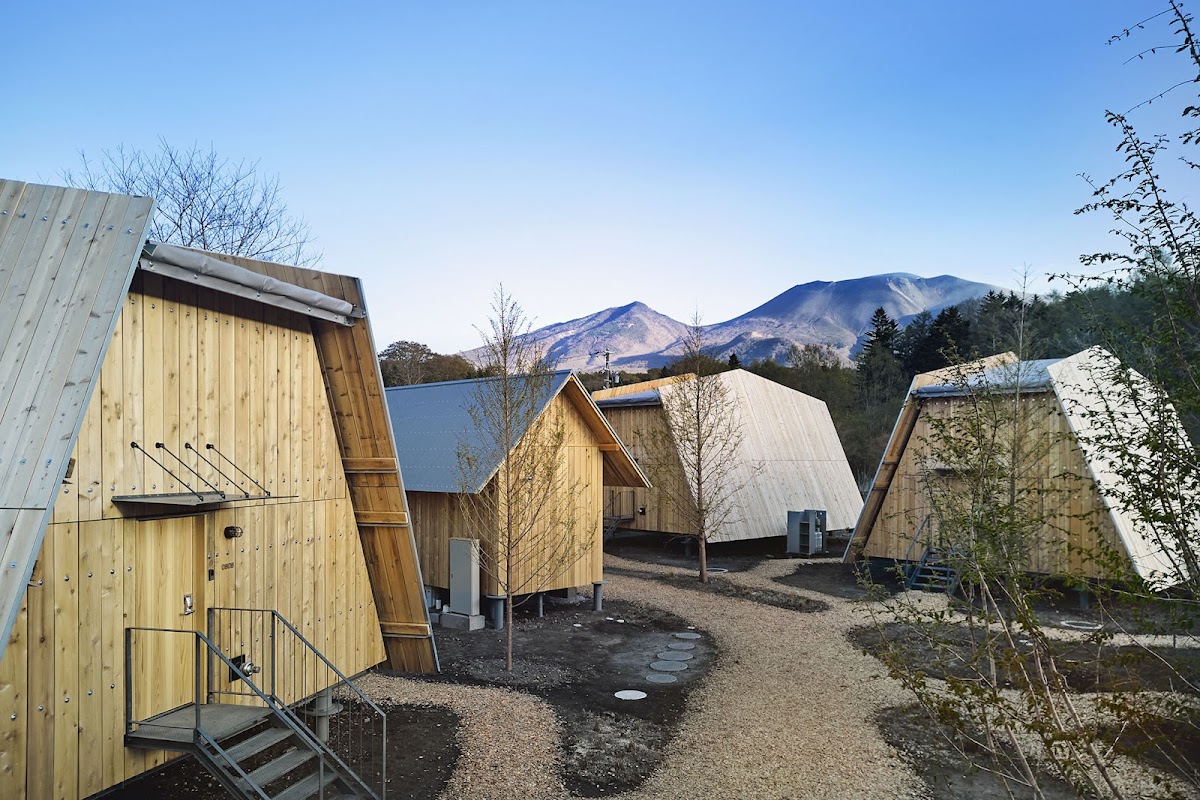
Hakuba Valley is home to 10 ski resorts and received worldwide attention as the venue for the 1998 Winter Olympics. SANU's nature cabins here offer a completely different after-ski experience from the valley's traditional lodges. The architect-designed cabins sit in the mountain landscape with views toward the Northern Alps, and returning from a day on the slopes to a minimalist, design-forward cabin surrounded by snow-covered trees is infinitely more satisfying than checking into a concrete hotel. The Hakuba area's consistent powder snow runs from December through March.
SANU 2nd Home Karuizawa (Karuizawa, Nagano)
Karuizawa Prince Hotel Ski Resort is one of the most accessible ski areas from Tokyo, and SANU's forest cabins offer a nature-immersed base just minutes from the slopes. Karuizawa's winter is drier and sunnier than the heavy snow areas on the Japan Sea side, with cold, clear days and occasional dustings of powder. The cabins' wood-burning stoves make evenings after skiing particularly atmospheric, and the surrounding birch forest takes on a stark, graphic beauty under winter frost.
Winter Planning Tips
When to Visit
Japanese winter for nature stays divides into three phases:
- December: Snow begins accumulating in the mountains and Japan Sea coast. Snow country ryokan like Ginzan Onsen and Satoyama Jujo transition to full winter mode. Ski areas open mid to late December. Rates rise sharply for New Year's week (December 28 - January 3).
- January - February: Peak winter. Snow depths are at maximum, skiing conditions are optimal, and snow country onsen experiences are at their most dramatic. Zaborin, Tsurunoyu, and Aoni Onsen are all at peak atmosphere. This is also the most reliable period for clear winter days with mountain views.
- March: Late winter brings longer days and slightly warmer temperatures while snow cover remains deep. This is an excellent shoulder period with lower rates and fewer crowds, especially at non-ski properties.
Getting There in Snow
Japan's Shinkansen bullet trains run reliably through winter, making highland Nagano (Karuizawa, Hakuba via connecting train) easily accessible. Snow country properties in Niigata and Tohoku are served by the Joetsu and Tohoku Shinkansen. Remote mountain onsen like Tsurunoyu and Aoni Onsen typically provide shuttle buses from the nearest station. Hokkaido properties like Zaborin are most easily reached by domestic flight to New Chitose Airport.
What to Pack
Serious warmth is essential for winter nature stays. Bring thermal base layers, a heavy down jacket, waterproof outer layer, warm hat and gloves, and insulated waterproof boots for walking through snow to outdoor baths. Most ryokan provide padded tanzen robes for moving between rooms and baths, and some snow country properties provide waterproof boots for guests. Hand warmers (kairo) are sold at every convenience store and are indispensable for outdoor onsen walks.
Winter Cuisine
Winter kaiseki is built around warming dishes: nabe hot pots, grilled mountain game, root vegetable preparations, and fresh seafood from the cold Japan Sea. Crab season (November-March) means snow crab kaiseki at properties like Nishimuraya Honkan in Kinosaki. Hokkaido winter brings extraordinary seafood including uni, ikura, and Hokkaido king crab. The simple pleasure of warming your hands around a bowl of handmade soba noodles in a mountain lodge after a day in the snow is one of Japan's great winter comforts.
Explore Other Seasons
Japan's nature stays transform completely with each season:
- Spring: Cherry Blossoms & Alpine Flowers - Sakura viewing stays and mountain wildflower retreats
- Summer: Mountains, Rivers & Ocean Escapes - Highland retreats and coastal properties for the warm months
- Autumn: The Ultimate Foliage Guide - Peak fall color at Japan's finest nature stays
For more guides, explore the best nature hotels in Japan, cabin stays, and onsen ryokan. Browse all properties on our map.
Frequently Asked Questions
Snow country onsen is one of Japan's most iconic winter experiences. Soaking in 40-42°C natural hot spring water while snow falls around you creates a contrast of sensations unlike anything else. Properties like Zaborin, Tsurunoyu, and Ginzan Onsen specialize in this experience, with outdoor baths positioned to maximize the drama of steam and snowfall.
Winter temperatures vary by region. Snow country in Tohoku can drop to -10°C. Hokkaido reaches -20°C. Highland Nagano averages -5 to 5°C. Pacific coast areas like Hakone are milder at 0-10°C. All quality ryokan and nature hotels have heated rooms, kotatsu heated tables, and hot baths that make the cold a pleasure rather than a hardship.
Yes. Zaborin in Niseko offers luxury ryokan near world-class powder. SANU Hakuba sits in the heart of the Hakuba Valley ski area. Satoyama Jujo in Niigata is near multiple resorts. These properties combine ski access with refined nature experiences that chain ski hotels cannot match.
Winter is arguably the most underrated season for Japan nature stays. Crowds thin dramatically outside ski areas. Rates at many premium ryokan drop from autumn peaks. The visual contrast of snow against traditional architecture is stunning. Winter cuisine features hot pot, crab, and cold-weather specialties. And the combination of freezing air with steaming onsen is unique to this season.