If spring is Japan's gentle awakening, autumn is its grand finale. The Japanese call it koyo, the changing of leaves, and they pursue it with the same passion they bring to cherry blossom viewing. But where sakura lasts a fleeting week, autumn color in Japan stretches across nearly three months, sweeping from Hokkaido's highlands in late September to Kyushu's lowlands in early December. For nature stay travelers, this extended season means opportunity: with the right timing and the right property, you can position yourself at the exact epicenter of peak color.
This guide covers the best nature hotels, ryokan, and mountain retreats for experiencing Japanese autumn. We organize by the type of experience, from dramatic mountain foliage to intimate onsen bathing under crimson maples, and include timing information so you can plan your visit for maximum color.
Understanding Japan's Autumn Color Timeline
Autumn color in Japan follows the opposite pattern of cherry blossoms: it starts in the north and moves south, starts at altitude and descends to the valleys. A single mountain can display different stages of color from peak to base, creating layered gradients that photographers call "autumn's nishiki-e," a reference to traditional brocade weaving.
- Late September - early October: Hokkaido highlands and the summits of the Japanese Alps begin to turn. Birch and larch forests glow gold against blue sky.
- Mid October: Color reaches the middle elevations, from Tohoku mountain villages to the mid-slopes of the Alps. This is when mountain ryokan are at their most spectacular.
- Late October: Nikko, highland Nagano, and mountain onsen towns reach peak. The combination of hot springs and fall color makes this the premier koyo experience.
- Early - mid November: Color descends to lower elevations. Hakone, Izu, and Kansai mountain areas peak. Kyoto's temple gardens begin their transformation.
- Late November - early December: Lowland areas and southern Japan reach peak. Kinosaki, Kurokawa, and western Japan's onsen towns display late-season color.
Best Mountain Foliage Stays
Mountain nature stays during autumn foliage season offer something no city park can match: total immersion. When you wake in a mountain lodge surrounded by forest, the color is not a view to visit but an environment to inhabit. Morning mist lifting from crimson hillsides, the smell of fallen leaves on cool air, the crunch of maple seeds underfoot on a forest trail. These sensory details make mountain autumn an experience rather than a sight.
Fufu Nikko (Nikko, Tochigi)
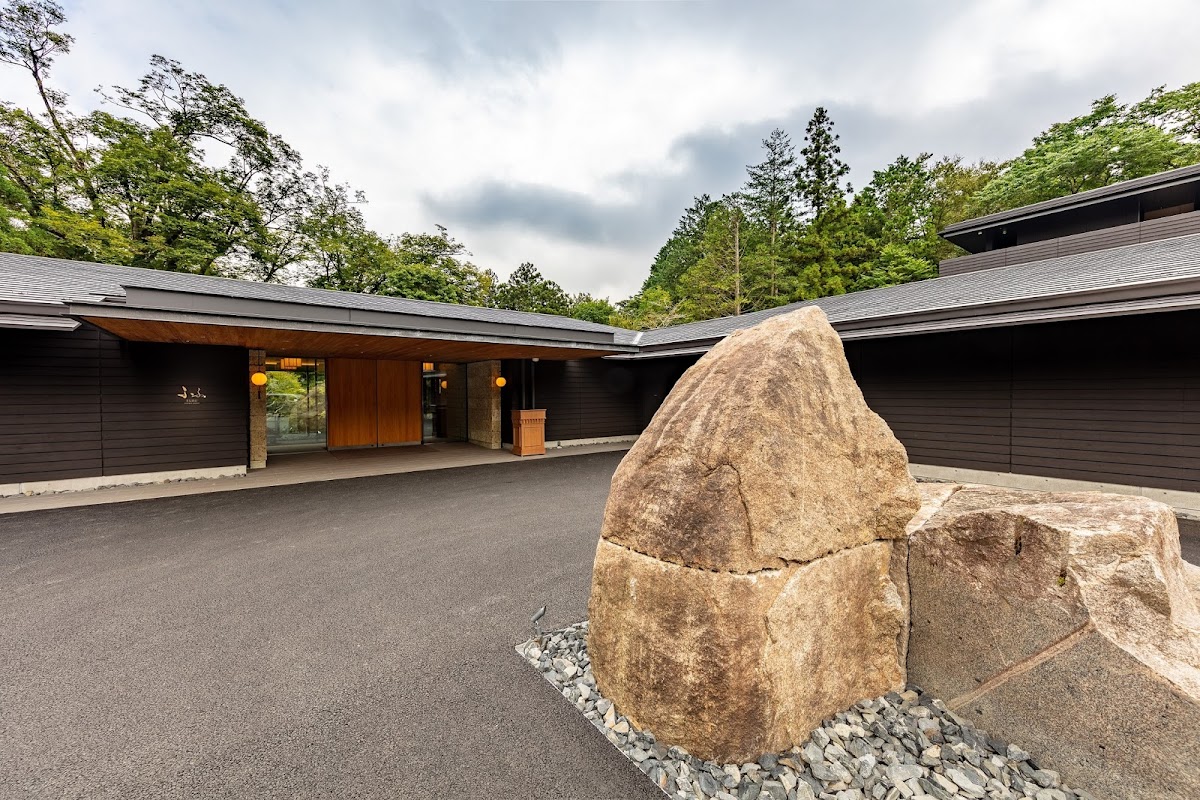
Nikko is synonymous with autumn color in Japan, and for good reason. The Irohazaka switchback road up to Lake Chuzenji passes through some of the country's most vivid foliage, and the surrounding national park forests turn crimson, gold, and orange in late October. Fufu Nikko sits within this forest with natural onsen baths that look out onto the changing canopy. Peak color typically arrives around October 20-30, making this a reliable choice for autumn planning.
SANU 2nd Home Karuizawa (Karuizawa, Nagano)
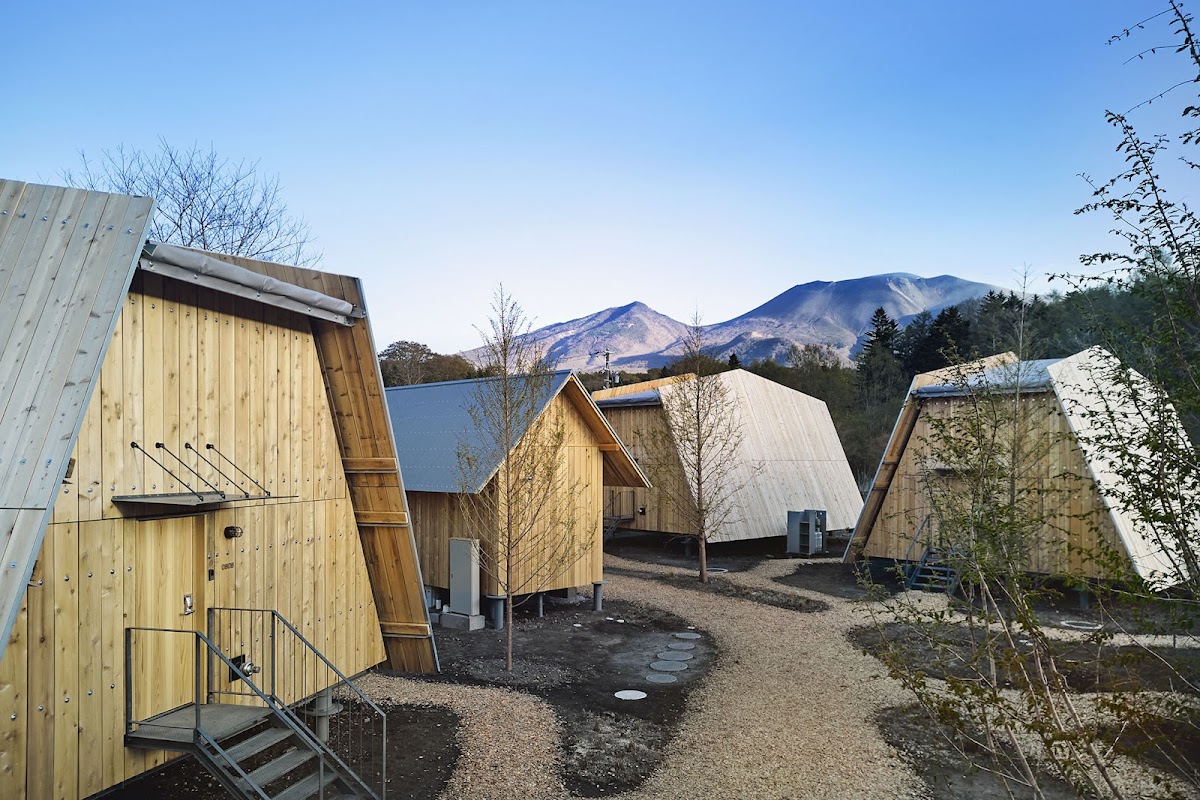
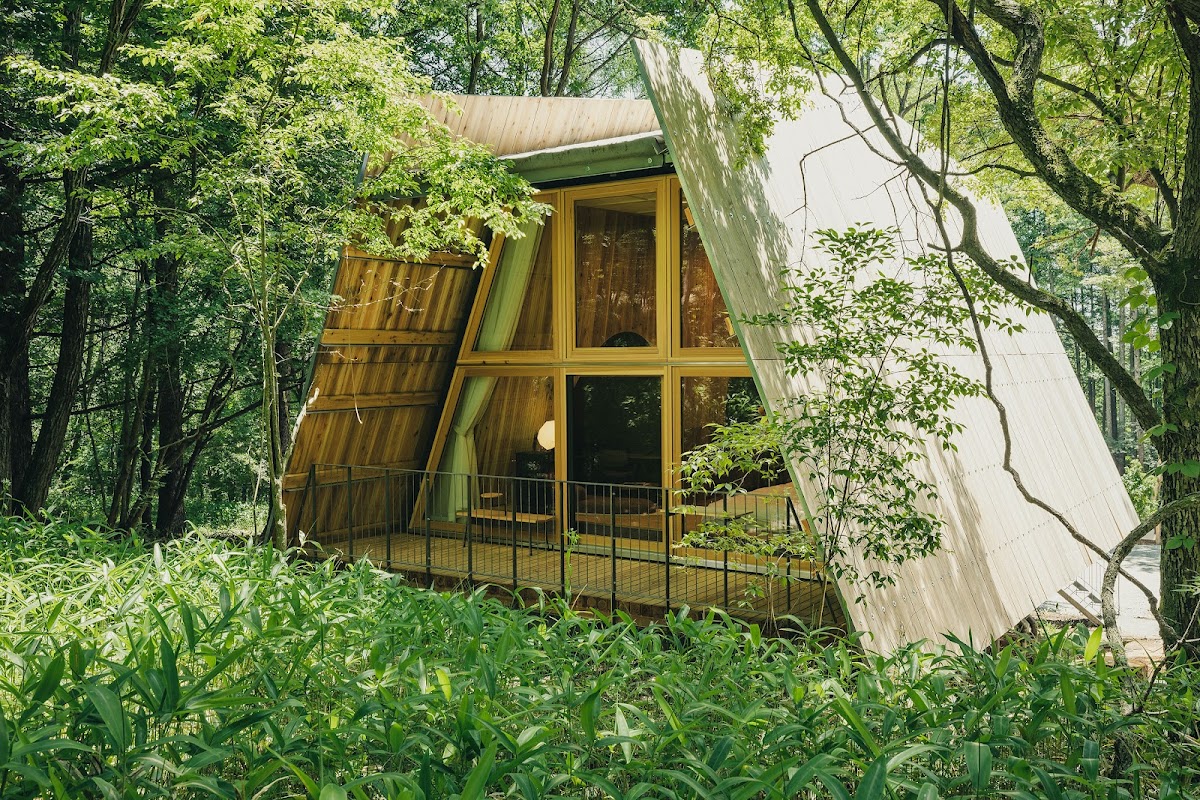
Karuizawa's deciduous forests create one of Japan's most accessible autumn color shows. The birch and maple trees surrounding SANU's cabins turn gold and red from mid-October, and the floor-to-ceiling windows transform each cabin into a private viewing gallery. The Kumoba Pond area nearby is one of Japan's most photographed autumn spots, with mirror reflections of crimson maples on still water. One hour from Tokyo by Shinkansen makes this ideal for a long weekend foliage trip.
SANU 2nd Home Yatsugatake (Yatsugatake, Yamanashi)
The Yatsugatake range provides a vertical canvas of autumn color from late September through November. The volcanic peaks are among the first in central Japan to change, with alpine larch forests turning gold at the summits while lower forests remain green. By mid-October, the entire mountainside is ablaze. SANU's cabins sit within this progression, and the clear highland air creates sharp contrasts between blue sky, golden larch, and crimson maple that make every view feel impossibly vivid.
Satoyama Jujo (Minami Uonuma, Niigata)
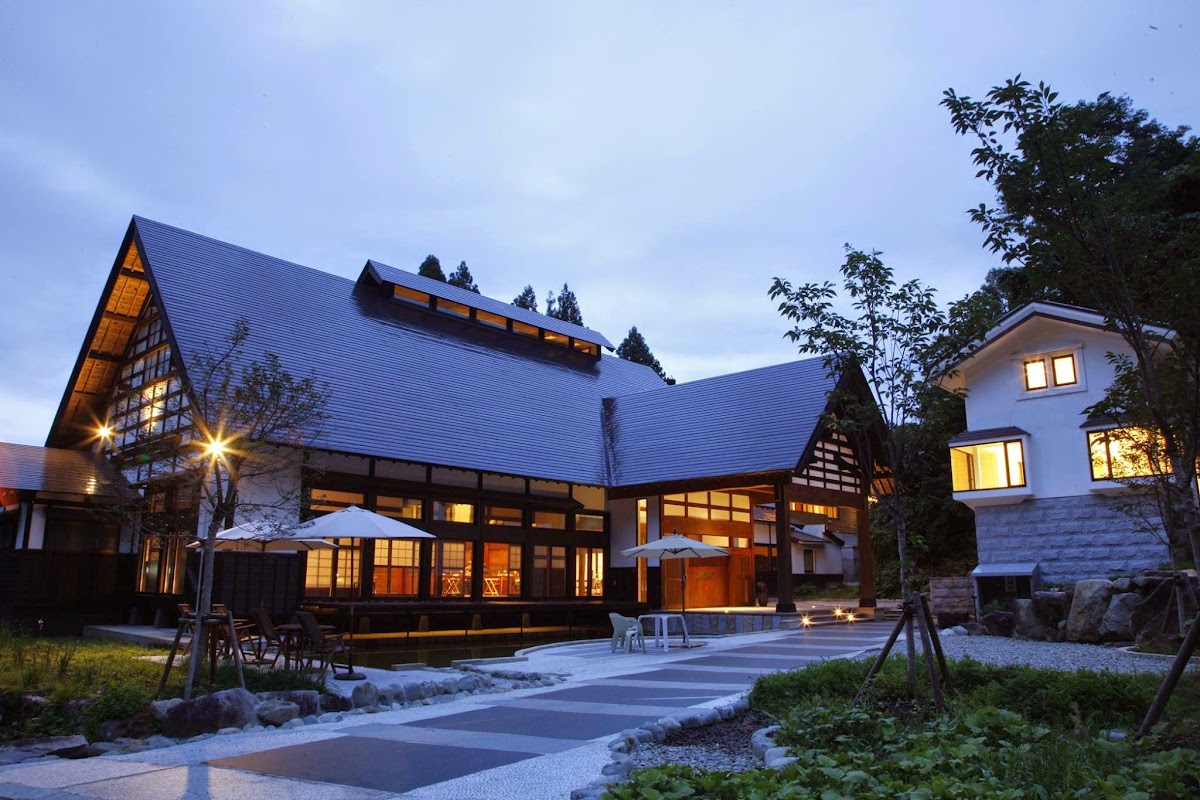
Satoyama Jujo's location in Niigata's rice country means autumn brings a dual spectacle: mountain foliage above and golden rice paddies below. The terraced landscape creates a patchwork of gold, amber, and crimson that represents the traditional Japanese satoyama landscape at its most beautiful. Late October to early November is peak season here, when the surrounding mountains are fully turned and the last rice harvest is underway. The renovated farmhouse architecture feels particularly resonant in this season of harvest and gathering.
Autumn Onsen Ryokan
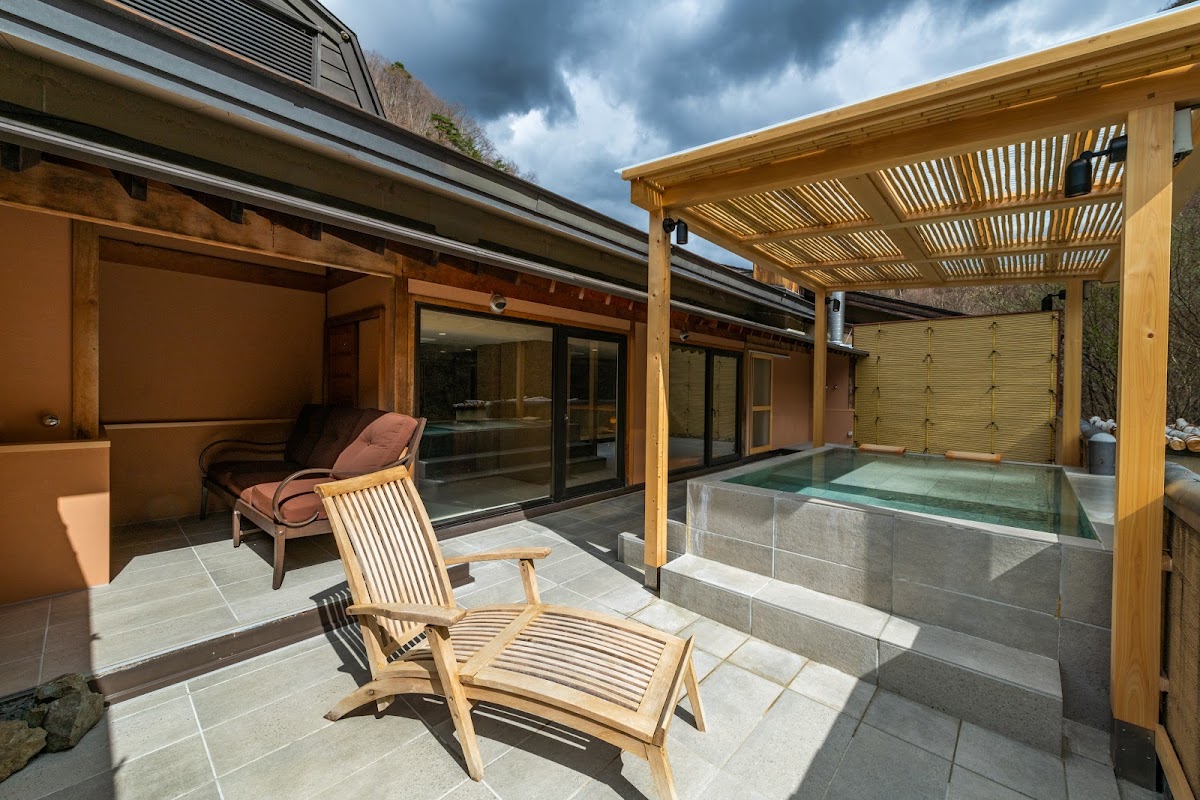
Autumn is widely considered the greatest season for onsen bathing in Japan. The air temperature drops to a comfortable 10-15°C, creating a perfect contrast with 40-42°C spring water. Mountain ryokan with outdoor baths surrounded by changing maples offer what many consider the quintessential Japanese nature experience. Steam rising through crimson leaves, hot water soothing muscles tired from autumn hiking, the smell of fallen leaves mixing with mineral water. It is multisensory immersion at its most refined.
Tobira Onsen Myojinkan (Matsumoto, Nagano)
Hidden in the mountains above Matsumoto, Myojinkan's outdoor onsen baths are surrounded by pristine forest that turns spectacular in mid to late October. The mountain stream running past the property adds a soundtrack to the visual display. The ryokan has been featured in Japanese media for decades as one of the country's finest mountain onsen, and autumn is its peak season. Combined with a visit to Matsumoto Castle, this makes an exceptional autumn itinerary.
Gora Kadan (Hakone, Kanagawa)
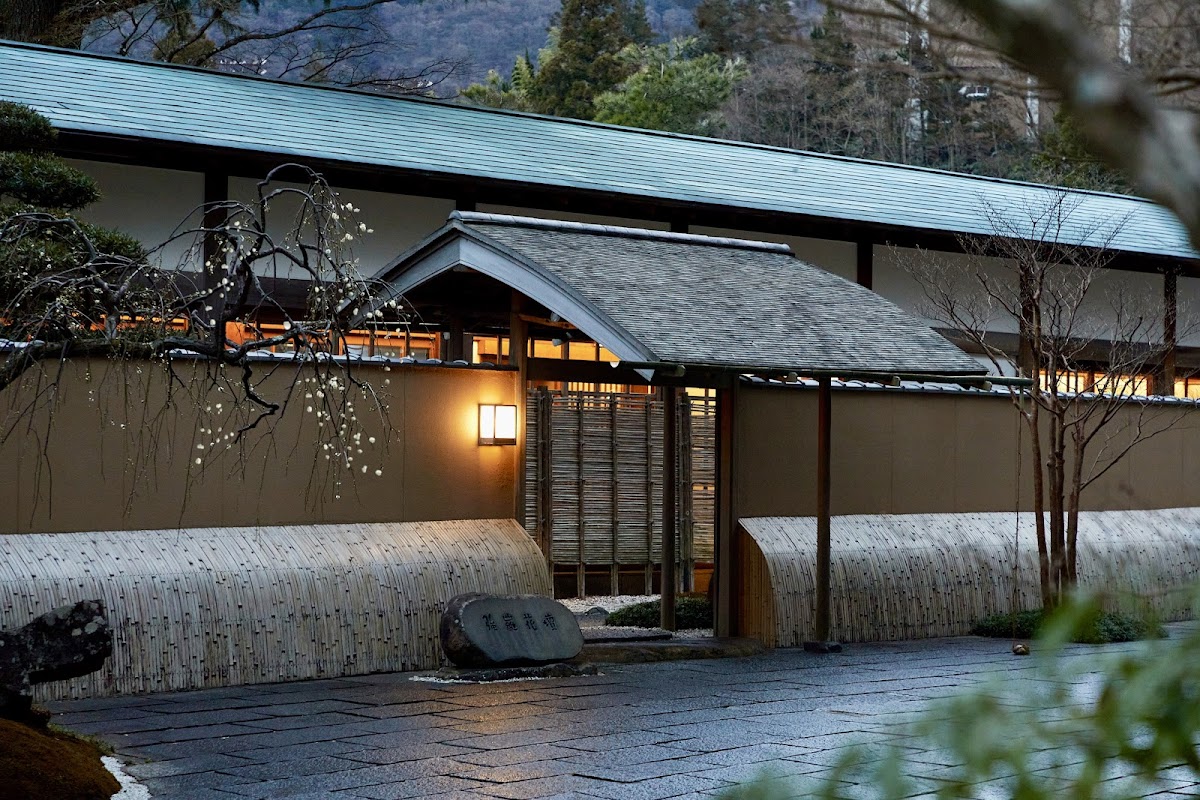
Hakone's autumn color peaks in November, later than the mountain areas, making it ideal for travelers who cannot visit in October. Gora Kadan's former imperial gardens were designed to showcase seasonal beauty, and the combination of Michelin 3 Keys kaiseki dining, private onsen, and autumn garden views creates one of Japan's most refined fall experiences. The Hakone Open Air Museum and Lake Ashi add further autumn viewing options to a stay here.
Beniya Mukayu (Yamashiro Onsen, Ishikawa)
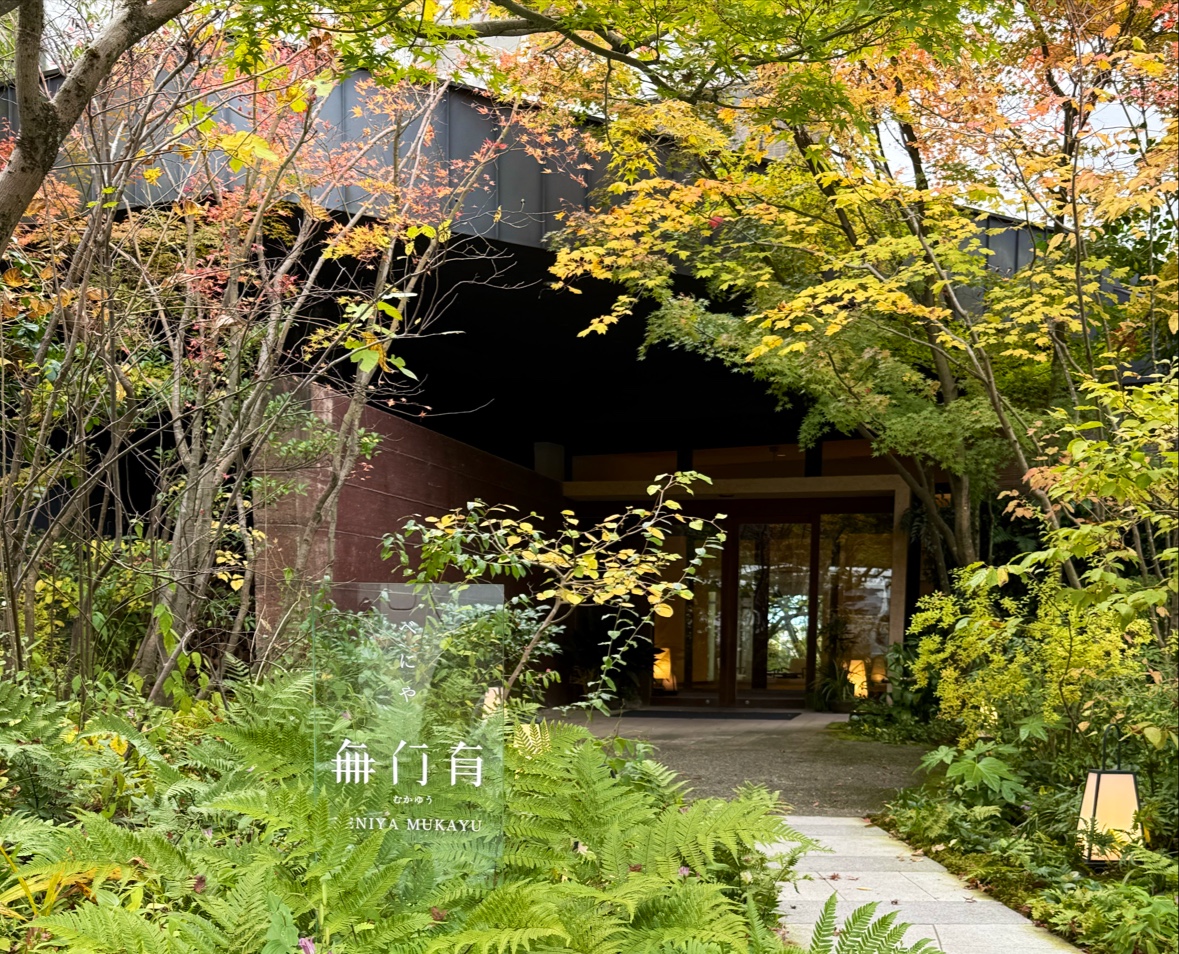
Beniya Mukayu's zen minimalist philosophy finds its perfect expression in autumn. The ryokan sits at the foothills of Mt. Hakusan, where the forests turn in early to mid November. The spare, elegant design of the rooms frames autumn views without distraction, and the kaiseki cuisine shifts to feature autumn specialties: matsutake mushrooms, chestnuts, persimmons, and the last of the season's Pacific seafood. Green Globe-certified sustainability makes this a conscientious choice for environmentally-minded autumn travelers.
Hoshi Onsen Chojukan (Minakami, Gunma)
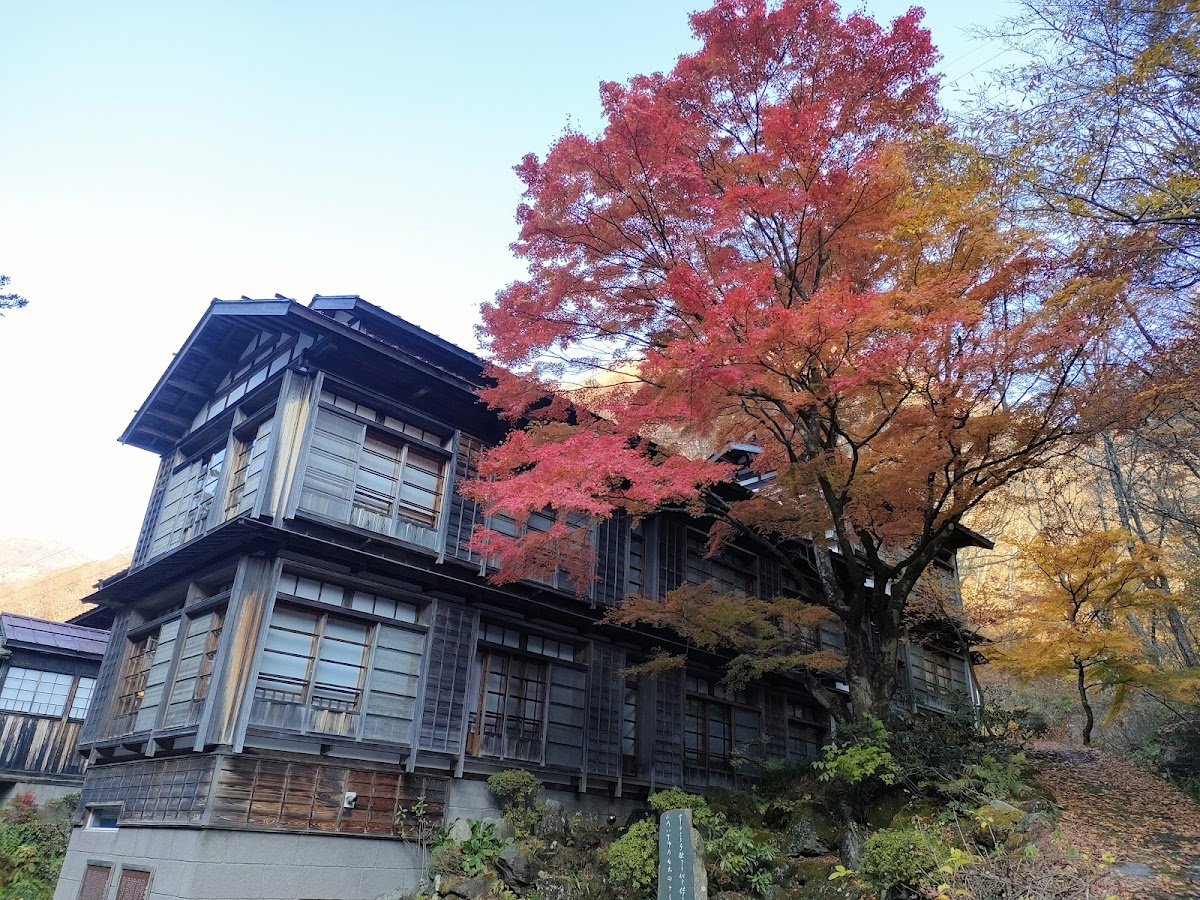
A 140-year-old national cultural property, Chojukan's legendary wooden bathhouse is one of Japan's most atmospheric onsen buildings. In autumn, the surrounding mountain forest turns crimson and gold, and the mountain stream views from the bath windows become a living painting. The natural hot spring water bubbles directly from the rock beneath the bath, a feature unchanged for over a century. Late October to early November is the optimal window for autumn color here.
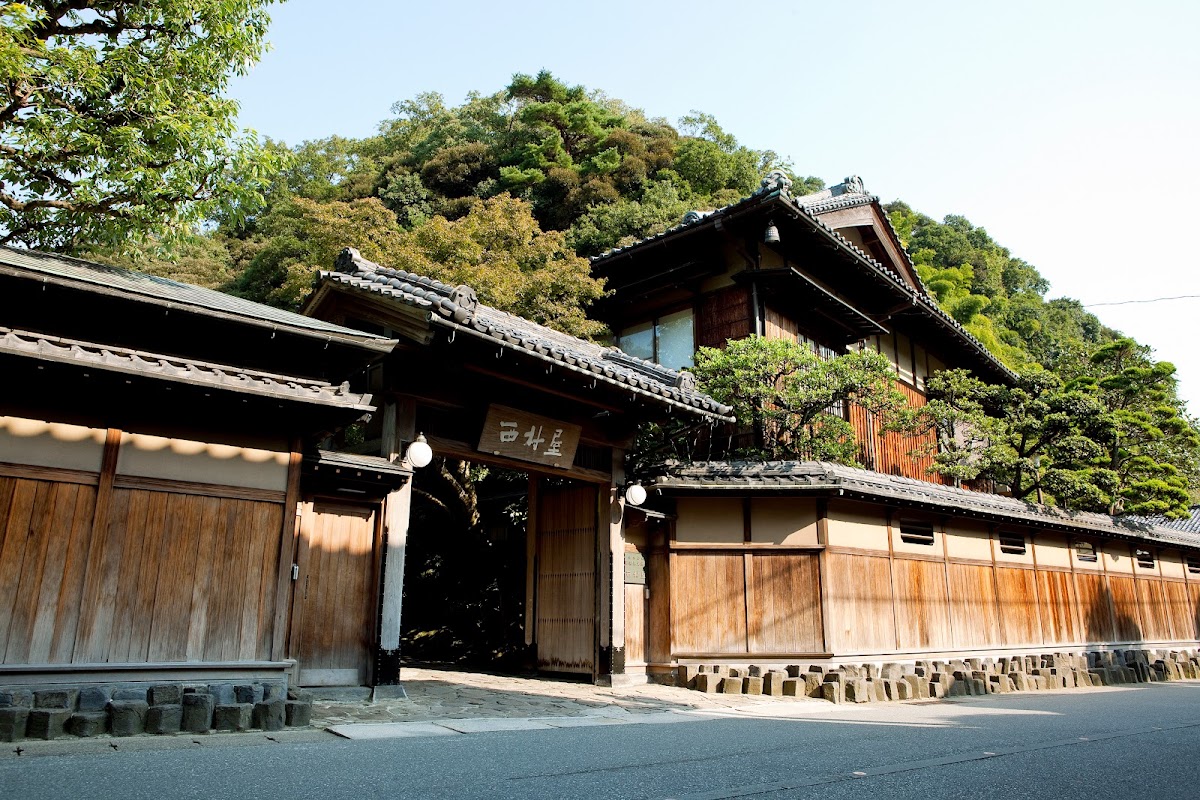
Nishimuraya Honkan (Kinosaki Onsen, Hyogo)
Kinosaki's willow-lined canals and seven public baths take on a different beauty in autumn. The surrounding hills change color in mid to late November, and the tradition of strolling between baths in your yukata and wooden geta sandals becomes contemplative as fallen leaves drift along the canal. Nishimuraya Honkan's kaiseki adds autumn matsutake mushrooms and the famous Tajima beef of the region. Kinosaki also marks the start of Japan Sea crab season in November, adding a culinary reason to visit.
Late Autumn and Early Winter Transitions
Some of Japan's most beautiful autumn moments happen at the edges of the season, when color meets first frost or the last crimson leaves cling to branches against approaching winter. Properties in southern and western Japan extend the foliage season well into December.
Arcana Izu (Izu, Shizuoka)
The Izu Peninsula's mild climate means autumn color arrives late, with the river gorge surrounding Arcana reaching peak in late November to early December. This makes Izu an excellent choice for travelers visiting Japan after the northern foliage has ended. The combination of fall color, river gorge views, and French-Japanese autumn cuisine featuring local game and mushrooms creates a refined late-autumn experience. Hot spring baths overlooking the colored gorge are most atmospheric on crisp December mornings.
Autumn Planning Tips
Timing Your Visit
The Japan Meteorological Agency publishes koyo forecasts similar to cherry blossom forecasts. For the most reliable autumn color at nature stays, target these windows:
- October 10-20: Yatsugatake, Tobira Onsen Myojinkan, and upper mountain areas
- October 20-31: Nikko, Karuizawa, Hoshi Onsen Chojukan
- November 1-15: Hakone, Beniya Mukayu, Satoyama Jujo
- November 15-December 5: Izu, Kinosaki, and southern/lowland areas
Autumn Cuisine
Autumn kaiseki at Japanese ryokan is considered the year's culinary peak. Matsutake mushrooms, chestnuts, ginkgo nuts, persimmons, Pacific saury (sanma), and new-harvest rice create menus that celebrate the season. Properties like Beniya Mukayu and Gora Kadan design entire courses around autumn ingredients, making the dining experience as seasonal as the views outside.
What to Pack
Autumn temperatures at mountain nature stays range from 5-18°C. Bring layers: a warm base, fleece mid-layer, and windproof outer layer for morning hikes. Comfortable walking shoes with some grip are essential for leaf-covered forest trails. A small backpack for day hikes and a camera for the color are equally important. Most ryokan provide warm padded jackets for outdoor onsen walks.
Explore Other Seasons
Each season offers a completely different character at Japan's nature stays:
- Spring: Cherry Blossoms & Alpine Flowers - Japan's most celebrated season at nature properties
- Summer: Mountains, Rivers & Ocean Escapes - Cool highland retreats and coastal getaways
- Winter: Snow, Onsen & Cozy Mountain Retreats - The magic of snow country ryokan and winter onsen
For more curated guides, explore the best nature hotels in Japan, onsen ryokan, and countryside retreats. Browse all properties on our map.
Frequently Asked Questions
Autumn color in Japan moves from north to south and high to low. Hokkaido peaks in late September to early October. Mountain areas in the Japanese Alps peak in mid-October. Nikko and highland Kanto reach peak in late October. Tokyo, Kyoto, and lowland areas peak from mid-November to early December. Nature stays at different elevations let you chase the color across weeks.
Autumn is widely considered the best season for outdoor onsen in Japan. The air temperature drops to a comfortable cool while the water remains hot, creating an ideal contrast. Mountain ryokan like Tobira Onsen Myojinkan and Hoshi Onsen Chojukan surrounded by changing maples offer the most photogenic onsen experience.
Autumn is Japan's second most popular travel season. Premium ryokan like Gora Kadan in popular foliage areas should be booked 4-6 months ahead for October-November dates. Mountain cabins and less well-known properties may have availability 2-3 months out. Weekday stays are significantly easier to book than weekends during peak foliage.
Japanese maple (momiji) is the iconic autumn tree, turning brilliant red and crimson. Japanese beech creates golden hillsides. Ginkgo trees produce vivid yellow. Larch turns golden in mountain areas. The variety means autumn color is not a single peak but a progression extending across weeks, which is why nature stays at different elevations can extend the experience.