Spring in Japan is not simply a season. It is an event. The entire country tracks the sakura zensen, the cherry blossom front, as it sweeps north from Kyushu to Hokkaido between late March and mid-May. But for travelers who look beyond the city parks and famous temple grounds, spring reveals itself most profoundly in Japan's nature stays: mountain ryokan where cherry trees bloom against snow-capped peaks, forest cabins surrounded by fresh green canopy, and riverside retreats where plum and cherry blossoms frame every window.
This guide covers the best nature hotels, ryokan, and cabins for experiencing Japanese spring in its fullest expression. We focus on properties where the season is not just scenery but the entire reason to visit.
Why Spring Is Special for Nature Stays in Japan
Japan's spring unfolds in layers. In March, plum blossoms (ume) open first, their sharp fragrance filling mountain valleys. Cherry blossoms follow in April, transforming hillsides and river banks into clouds of pale pink. By May, fresh green leaves emerge, a phenomenon the Japanese call shinryoku, which is considered by many to be even more beautiful than the blossoms themselves.
The key advantage of staying at a nature property during spring is altitude. While Tokyo's cherry blossoms last barely a week, mountain areas bloom later and longer. A highland ryokan at 800 meters might see peak cherry blossoms two to three weeks after the lowland cities. This means that even if you miss the famous dates, nature stays give you a second chance at spring.
Spring weather also makes onsen bathing particularly appealing. Cool mountain mornings give way to mild afternoons, and an outdoor bath surrounded by cherry petals falling on the water surface is one of Japan's most iconic experiences.
Cherry Blossom Viewing Stays
The best cherry blossom stays in Japan are not in the cities. They are in the places where sakura grows naturally, along mountain rivers, in temple forests, and on hillsides where the trees have stood for centuries. These properties let you experience hanami (blossom viewing) without the crowds, often from the privacy of your own room or onsen bath.
Gora Kadan (Hakone, Kanagawa)
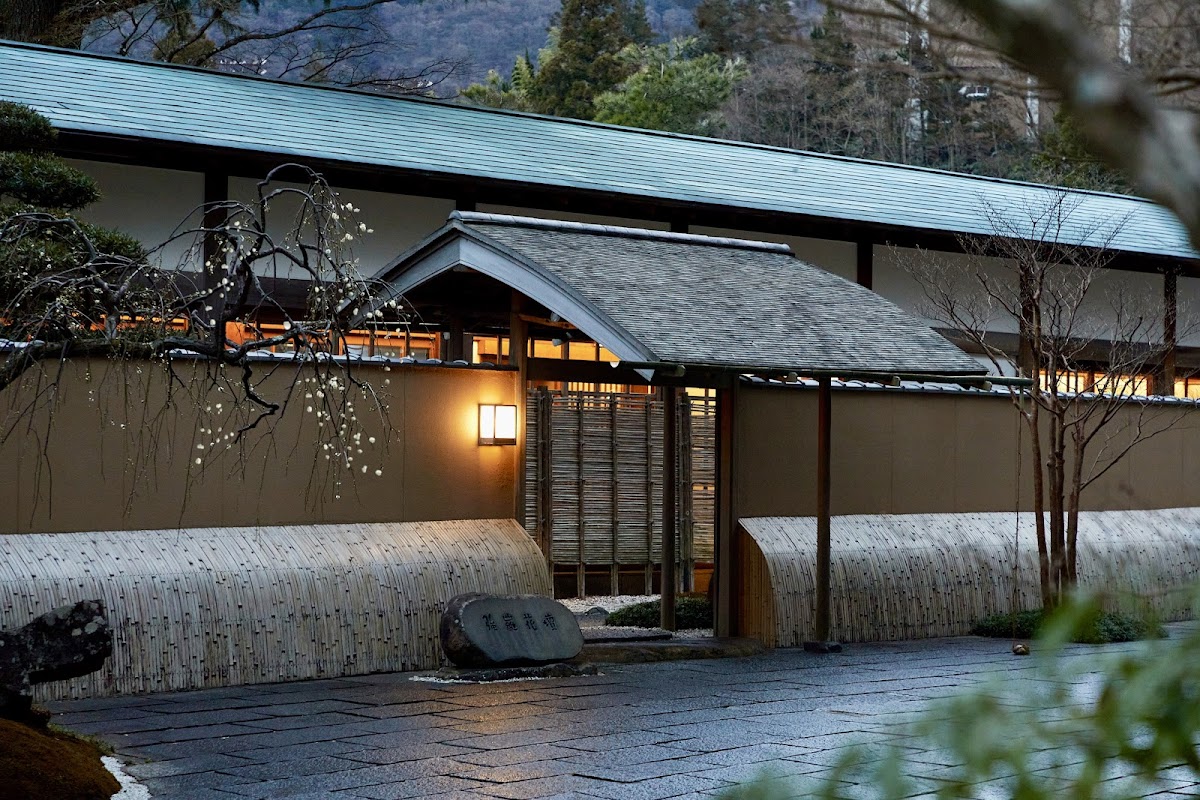
This former imperial summer villa, now a Michelin 3 Keys ryokan, sits in Hakone's forested mountains where cherry blossoms peak in mid-April. The property's garden was designed for seasonal beauty, and spring kaiseki courses feature mountain vegetables, bamboo shoots, and sakura-themed presentations. Hakone's cherry season runs slightly later than Tokyo's, making it ideal for extending your blossom window.
Arcana Izu (Izu, Shizuoka)
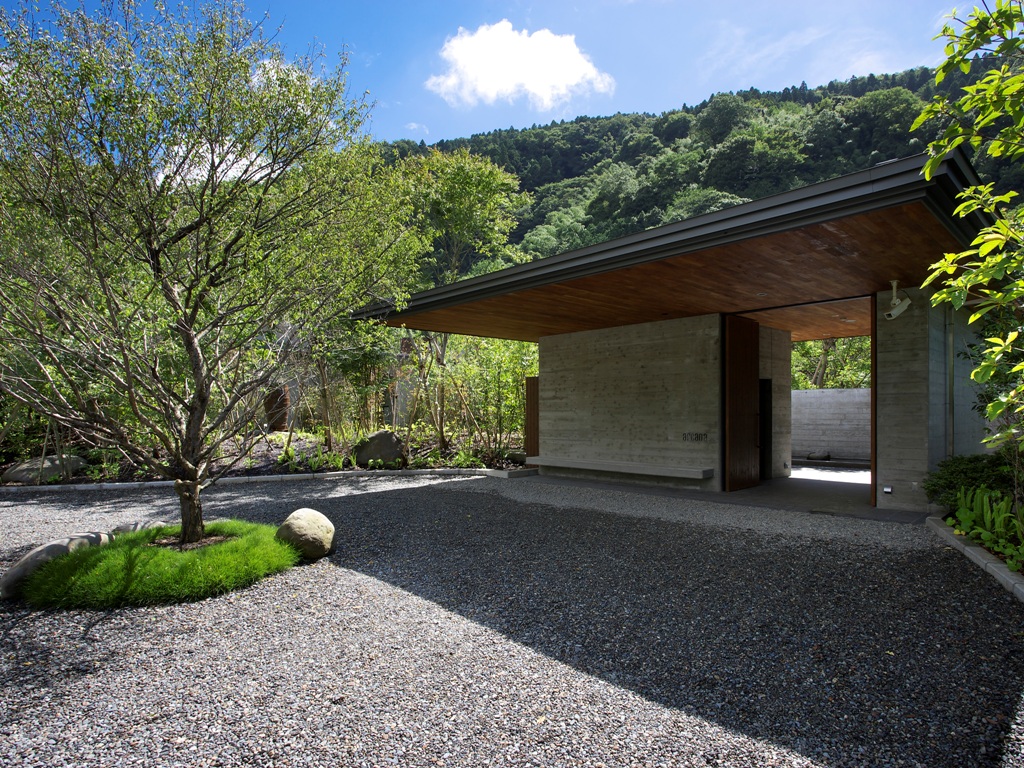
The Kawazu area of Izu is famous for some of Japan's earliest cherry blossoms, with the Kawazu-zakura variety blooming as early as February. Arcana Izu sits along the river gorge where blossoms line both banks. By March and April, the surrounding mountains add layers of color. The property's French-Japanese cuisine shifts to celebrate spring ingredients: wild herbs, river fish, and tender mountain greens.
Asaba (Shuzenji, Shizuoka)
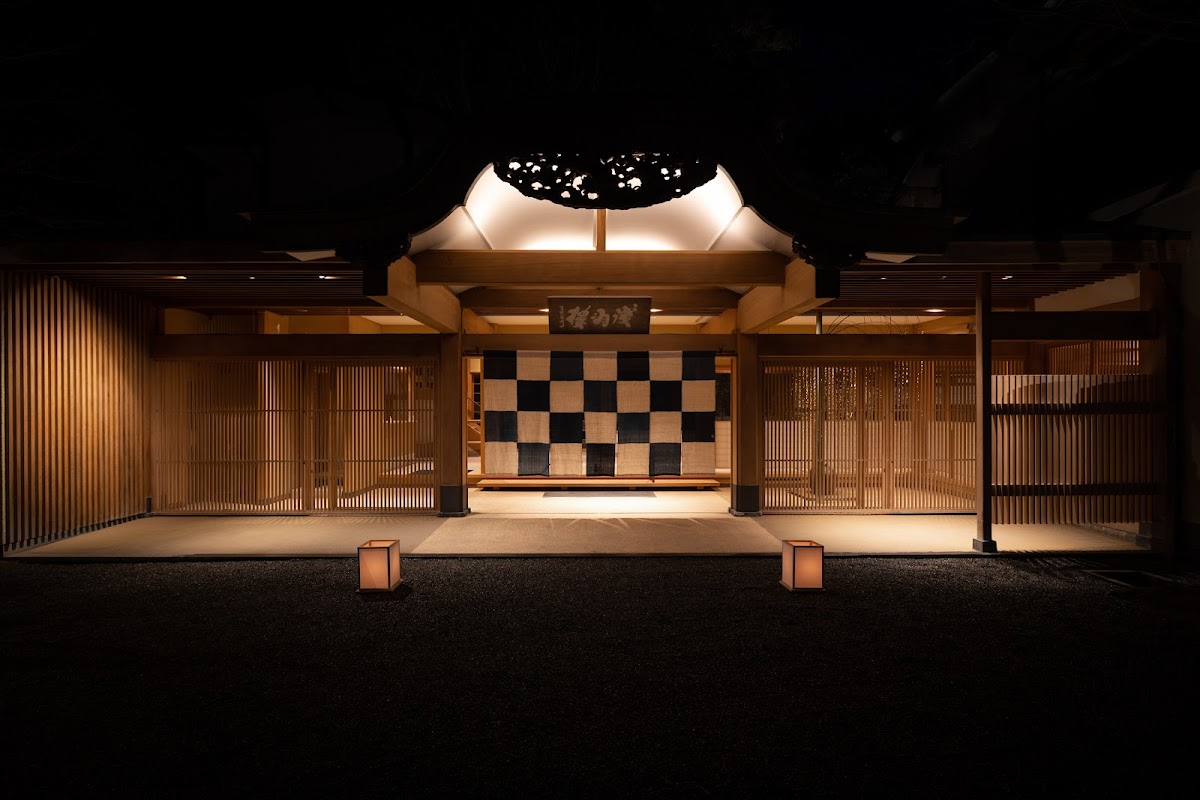
This 500-year-old Michelin 3 Keys ryokan features a Noh stage built over a reflective pond. In spring, cherry blossoms frame the stage, creating what may be Japan's most beautiful intersection of nature and traditional performing arts. Shuzenji's hot spring town sits in a valley that channels spring warmth, bringing early blossoms and the scent of plum and cherry through the narrow streets.
Kurokawa Onsen Oyado Noshiyu (Kurokawa, Kumamoto)
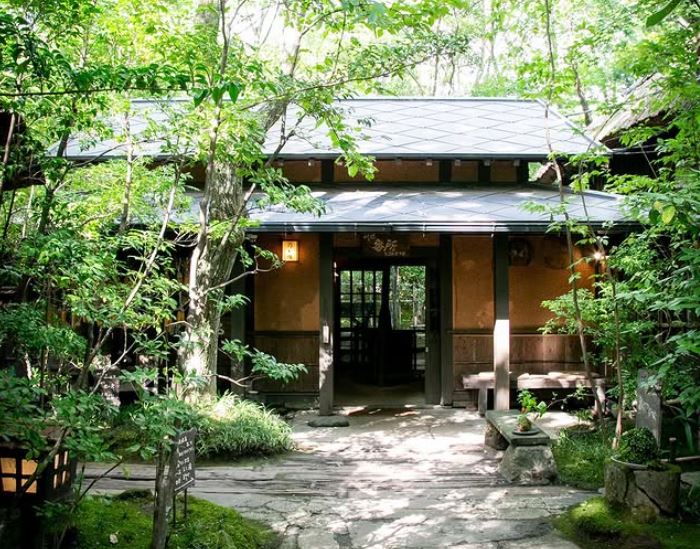
Kurokawa's thatched-roof onsen village sits in a forested ravine in Kyushu, where cherry blossoms arrive in late March. Noshiyu's intimate forest baths are surrounded by cherry and maple trees that create a natural canopy of pink above the steaming water. The village's onsen-hopping tradition is especially pleasant in spring's mild temperatures.
Mountain Flower Properties
Spring in Japan's mountains is not just about cherry blossoms. From late April through May, highland areas erupt with wildflowers, alpine plants, and the vivid fresh green of new leaf growth. Mountain properties offer a cooler, quieter spring experience that extends the season well into early summer.
Kamikochi Imperial Hotel (Kamikochi, Nagano)
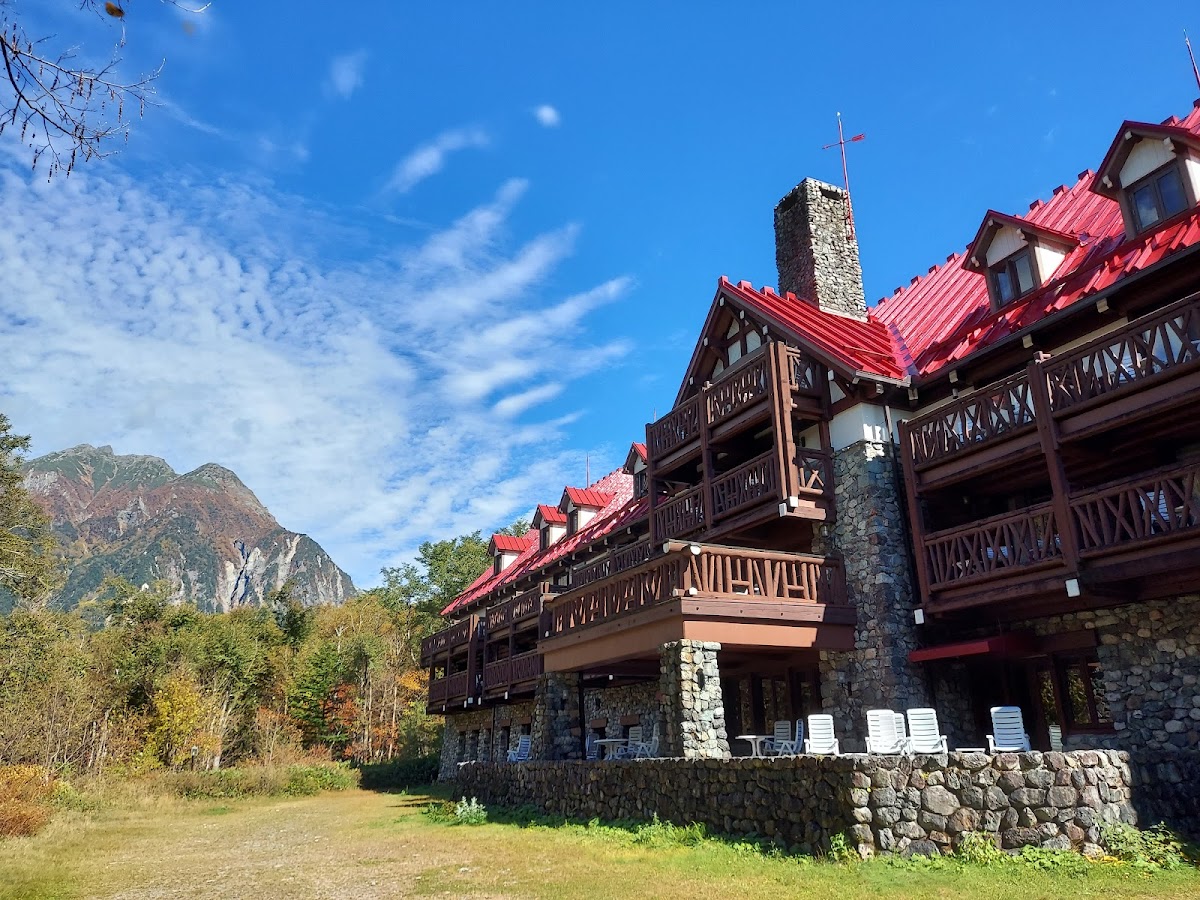
When Kamikochi's mountain road opens in late April, the alpine valley awakens from winter. The classic 1933 mountain lodge sits beneath the 3,000-meter peaks of the Northern Alps, still capped with snow as the valley floor blooms with marsh marigolds, violets, and wild azaleas. The Azusa River runs crystal clear, and the surrounding birch forests glow with new green. Spring at Kamikochi is raw and elemental in ways lowland cherry viewing cannot match.
SANU 2nd Home Karuizawa (Karuizawa, Nagano)
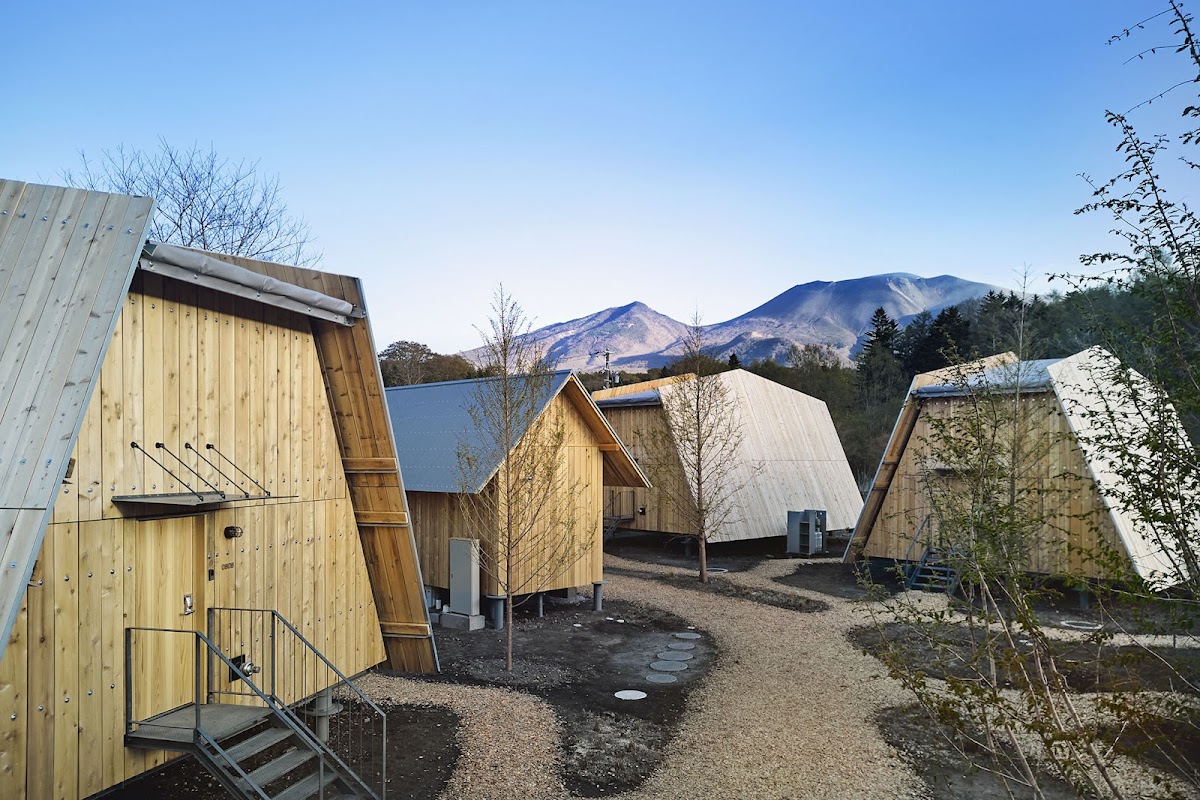
Karuizawa's highland forests bloom two to three weeks after Tokyo. The architect-designed SANU cabins, with their floor-to-ceiling windows, frame the transformation as birch and larch trees leaf out in brilliant greens. Cherry blossoms in Karuizawa peak around late April, and the forest floor fills with woodland wildflowers through May. At just one hour from Tokyo by Shinkansen, this is the most accessible mountain spring experience available.
Fufu Nikko (Nikko, Tochigi)
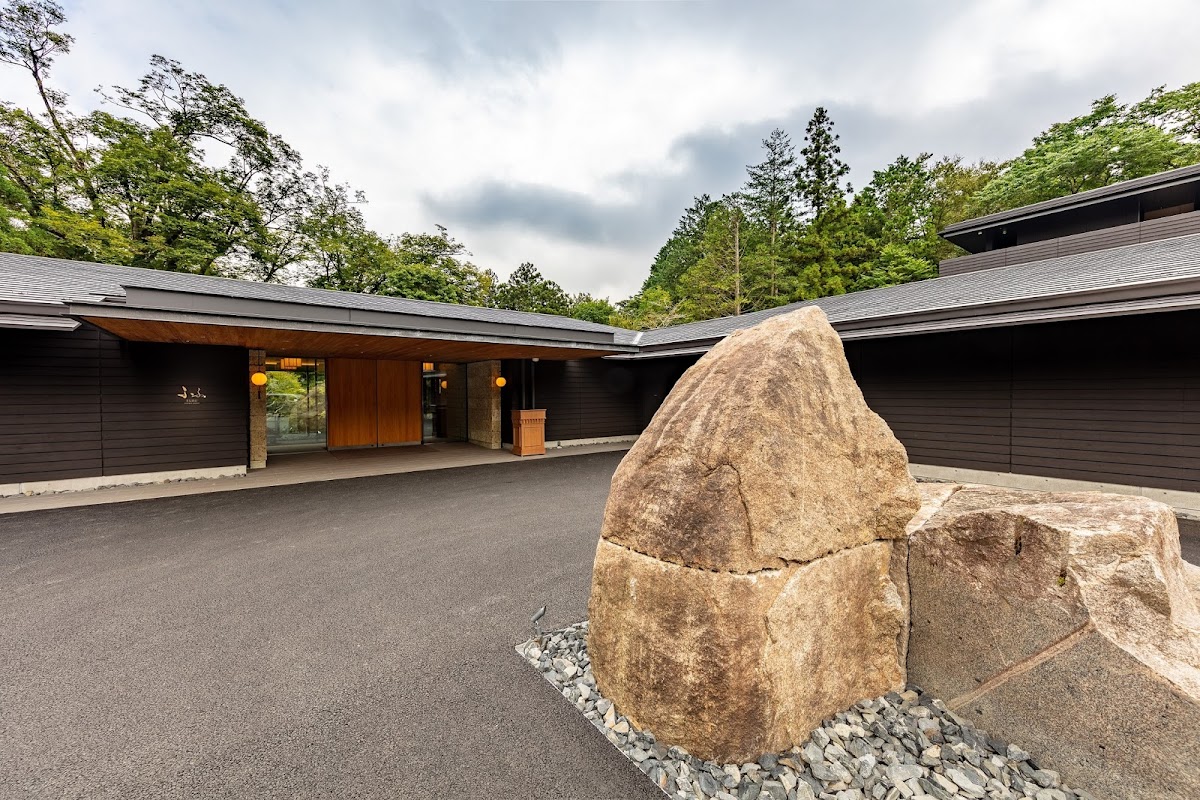
Nikko's UNESCO World Heritage shrines are spectacular in spring, but the surrounding national park forests are even more compelling. Fufu Nikko sits in this forest setting with natural onsen baths surrounded by trees that transition from cherry blossom to fresh green between April and May. The Irohazaka switchback road up to Lake Chuzenji passes through elevation-dependent layers of spring color, a vertical timeline of the season.
Spring Onsen Recommendations
There is a particular pleasure in soaking in an outdoor hot spring while spring unfolds around you. The air is cool enough that the contrast between mountain breeze and hot mineral water feels perfect. Cherry petals drifting onto the water surface. Steam rising into the blue spring sky. These moments define what spring onsen bathing means in Japan.
Nishimuraya Honkan (Kinosaki Onsen, Hyogo)
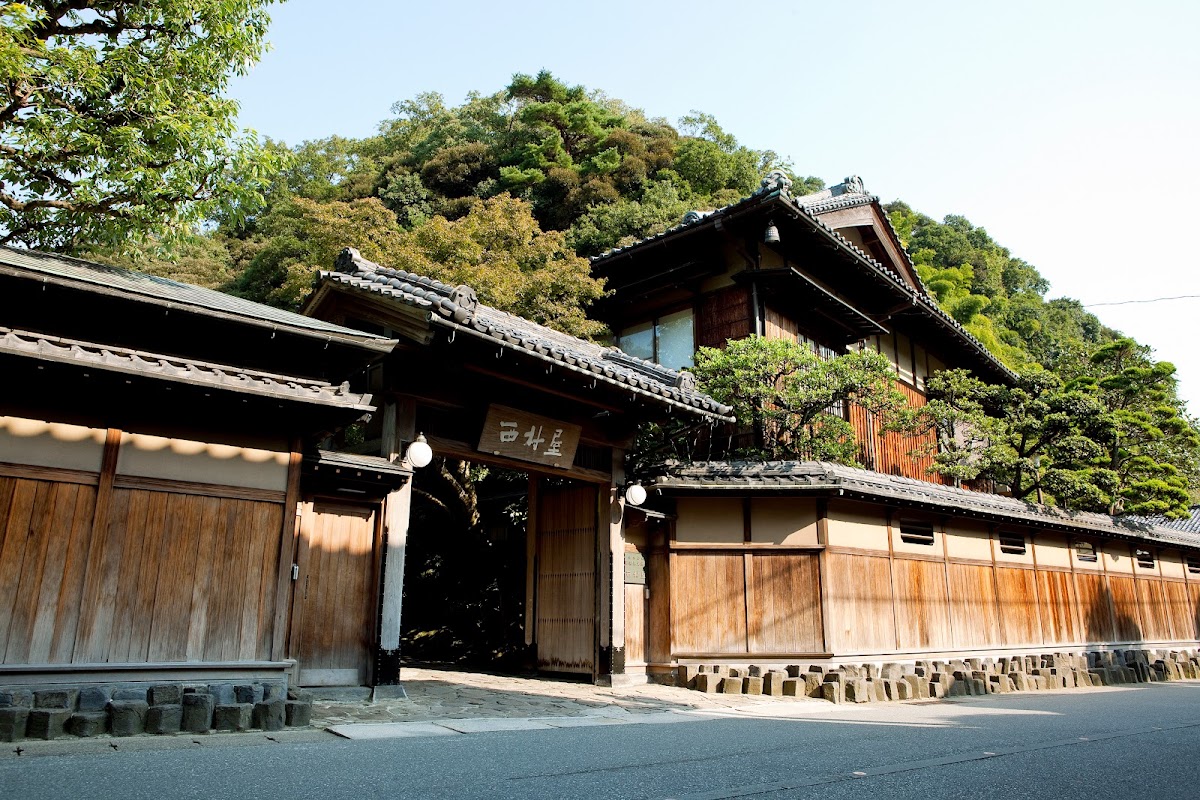
Kinosaki is one of Japan's most beautiful onsen towns, and spring is arguably its finest hour. The willow-lined canal that runs through town is bordered by cherry trees, and the tradition of strolling between seven public baths in your yukata takes on a magical quality when the trees are in bloom. Nishimuraya Honkan has served guests in this setting for generations, with kaiseki featuring local Tajima beef and spring mountain vegetables.
Amanemu (Ise-Shima, Mie)
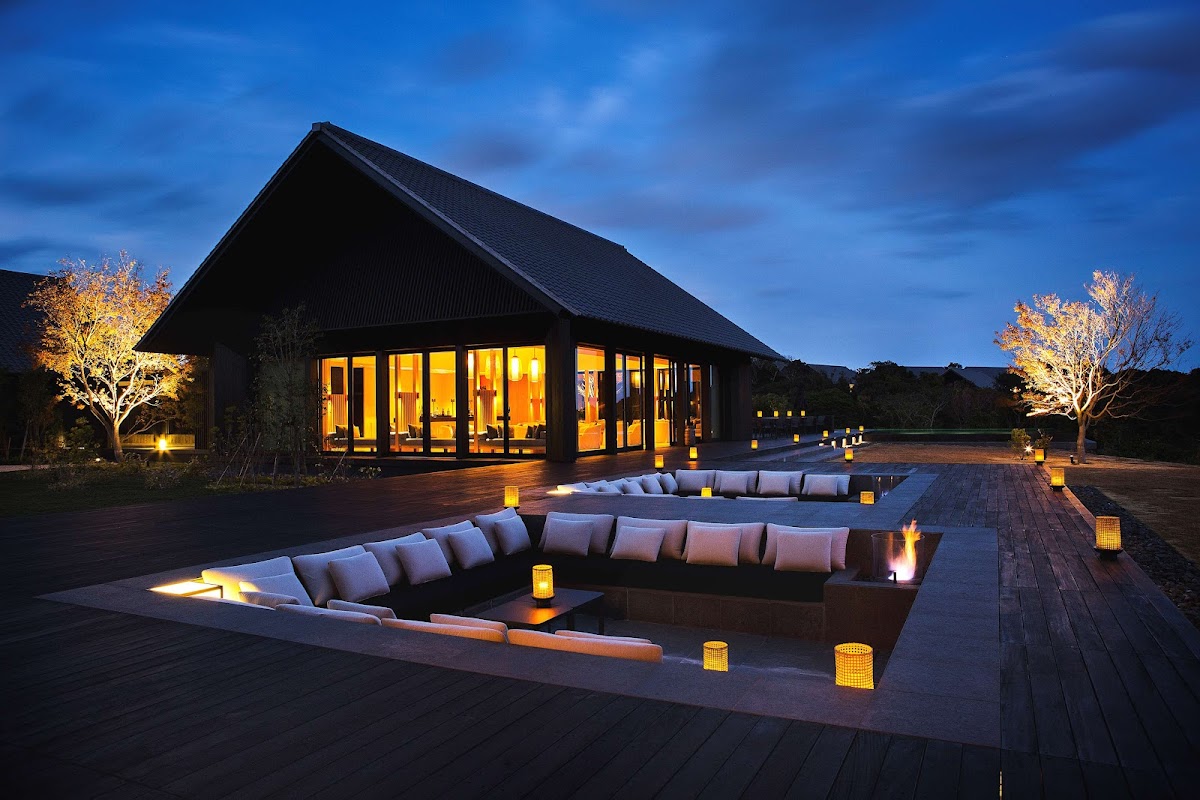
Aman's only onsen resort in the world occupies a spectacular position overlooking Ago Bay in Ise-Shima National Park. Spring brings mild coastal weather, clear skies over the bay's pearl-farming waters, and the chance to combine onsen bathing with visits to Ise Grand Shrine, Japan's most sacred Shinto site. The minimalist suites and natural hot spring water create a sense of refinement that matches spring's delicate beauty.
Gora Hanaougi (Hakone, Kanagawa)
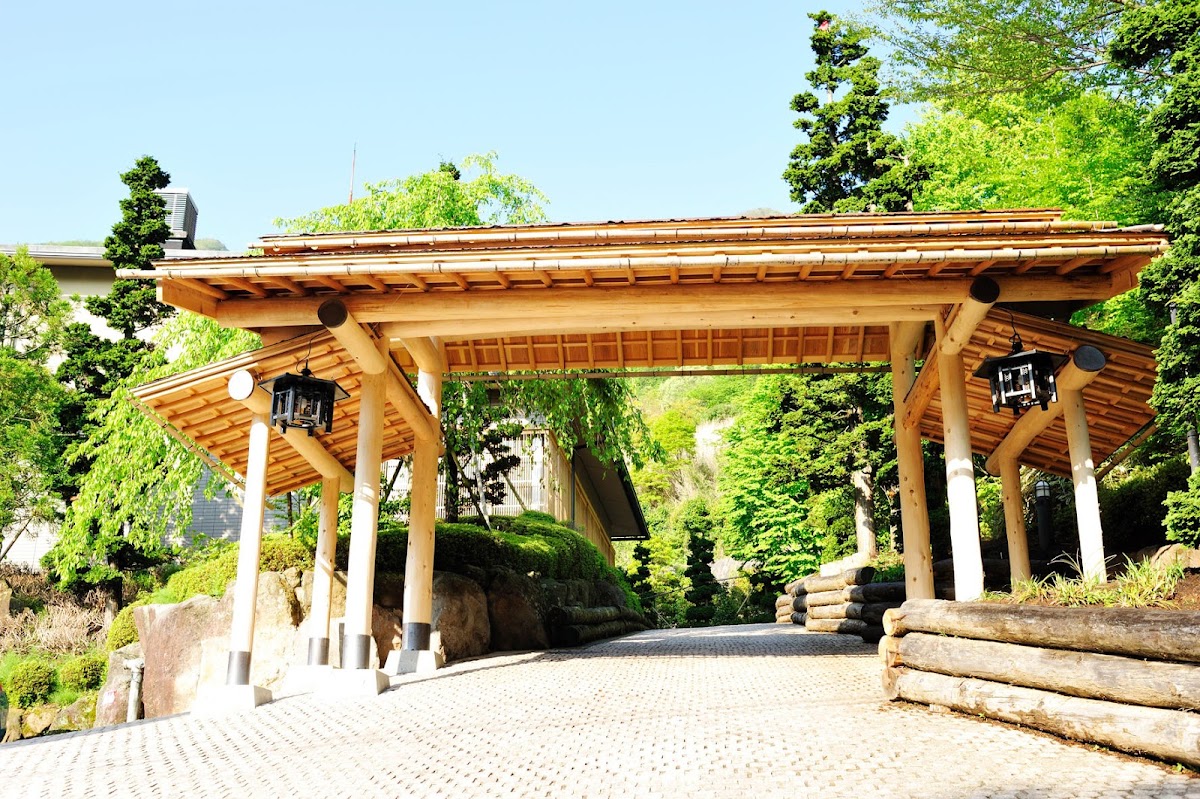
Every room at Gora Hanaougi comes with a private open-air bath fed by natural hot springs. In spring, these baths look out onto Hakone's forested mountainside as cherry blossoms give way to fresh green maples and mountain azaleas. The temple-like architecture, built with native wood beams, creates a contemplative atmosphere that makes each soak feel like a meditation on the changing season.
Planning Your Spring Nature Stay
Timing by Region
Getting the timing right is essential for a spring nature stay in Japan. The cherry blossom front moves north at roughly the pace of walking, and altitude adds further variation:
- Late February - March: Kawazu (Izu Peninsula) sees Japan's earliest cherry blossoms. Plum blossoms peak across western Japan. Arcana Izu is perfectly positioned.
- Late March - early April: Kyushu and western Honshu reach peak bloom. Kurokawa Onsen and Nishimuraya Honkan in Kinosaki are ideal.
- Mid April: Tokyo area peaks, then highland areas follow. Gora Kadan and Gora Hanaougi in Hakone bloom slightly later.
- Late April - May: Mountain areas come alive. SANU Karuizawa, Kamikochi Imperial Hotel, and Fufu Nikko offer highland spring.
- May: Fresh green season (shinryoku) blankets the entire country. Alpine wildflowers begin in higher elevations.
What to Pack
Spring in Japan's nature areas requires layering. Mornings and evenings at mountain properties can be cold (5-10°C), while midday might reach 15-20°C. Bring a light waterproof jacket for spring showers, comfortable walking shoes for forest paths, and something warm for outdoor onsen sessions after dark. Most ryokan provide yukata robes and towels.
Booking Strategy
Spring is Japan's most popular travel season, rivaled only by autumn foliage. Book premium ryokan like Gora Kadan and Asaba at least four to six months ahead. Golden Week (April 29 - May 5) is especially competitive. For better availability and lower rates, target mid-March or mid-May, when the season is beautiful but the crowds have not yet peaked.
Combining Spring Stays with Cultural Experiences
Spring nature stays pair naturally with Japan's cultural calendar. Many shrines and temples hold spring festivals during cherry blossom season, and the opening of mountain trails creates hiking opportunities that don't exist in other seasons.
From Amanemu, you can visit Ise Grand Shrine for spring purification rituals. From Fufu Nikko, the Toshogu Shrine spring festival features elaborate processions through the cedar forests. And from any Hakone property, the famous Hakone Open Air Museum displays sculpture against a backdrop of spring mountains that changes daily.
The combination of natural beauty and cultural depth is what makes spring in Japan unlike spring anywhere else. At the right nature stay, you experience both simultaneously.
Explore Other Seasons
Each season transforms Japan's nature stays into a different experience. Explore our seasonal guides:
- Summer: Mountains, Rivers & Ocean Escapes - Highland retreats and coastal getaways for the warmer months
- Autumn: The Ultimate Foliage Guide - The best stays for fall color viewing
- Winter: Snow, Onsen & Cozy Mountain Retreats - Snow country ryokan and winter onsen
For more curated guides, see our articles on the best nature hotels in Japan, ryokan near Tokyo, and onsen ryokan. Or browse all properties on our map.
Frequently Asked Questions
Cherry blossom season varies by latitude and altitude. In southern Kyushu and Shikoku, blooms appear in late March. Tokyo and Kansai peak in early April. Mountain areas like Karuizawa and Hakone bloom in mid to late April. Northern Tohoku and Hokkaido see cherry blossoms in May. Nature stays in highland or northern areas extend your sakura window.
Spring temperatures range from 8-20°C depending on region and altitude. Coastal and lowland areas are mild by April, while mountain ryokan can still be cool into May. Rain is possible, especially in late spring. An onsen ryokan is ideal for unpredictable spring weather, as hot spring bathing is enjoyable regardless of conditions.
Yes. Spring is peak season for Japanese tourism, especially during cherry blossom weeks and Golden Week (late April to early May). Premium ryokan and popular nature hotels should be booked 3-6 months in advance. Properties in less obvious locations, like mountain cabins or rural onsen towns, may have shorter booking windows.
Japan's spring flowers extend far beyond sakura. March brings plum blossoms and early camellias. April sees wisteria, azaleas, and dogwood. May brings iris, alpine wildflowers, and fresh green maple leaves (shinryoku). Mountain meadows in areas like Kamikochi and Yatsugatake burst with wildflowers from late May onward.