Japanese summer has a reputation problem. The heat and humidity of lowland cities between June and August can be genuinely oppressive, driving temperatures above 35°C with humidity that makes the air feel like a warm towel. But this is precisely why Japan's nature stays come into their own during summer. The Japanese have practiced "summer retreat" (hinanchi) for centuries, escaping to highland plateaus, mountain valleys, and island coastlines where the air is cool, the rivers run clear, and the forests provide shade that no air-conditioned hotel lobby can match.
This guide covers the best nature properties for summer in Japan, organized by the type of escape you are looking for: highland retreats for cool mountain air, coastal and island properties for ocean breezes, and river valley stays where the sound of water is your natural air conditioning.
Highland Retreats: Escaping the Heat
For every 100 meters of elevation gain, the temperature drops by roughly 0.6°C. At 1,000 meters, a highland nature stay is typically 6-8 degrees cooler than the nearest city. This simple fact has driven Japanese summer culture for centuries. Karuizawa became a resort town because missionaries discovered its cool summers in the 1880s. Kamikochi's mountain lodges exist because the alpine valley is comfortable when the lowlands are sweltering.
Today, modern nature cabins and mountain hotels continue this tradition with contemporary comfort. These are not rustic escapes from luxury. They are sophisticated properties that happen to sit where the weather is pleasant.
SANU 2nd Home Karuizawa (Karuizawa, Nagano)
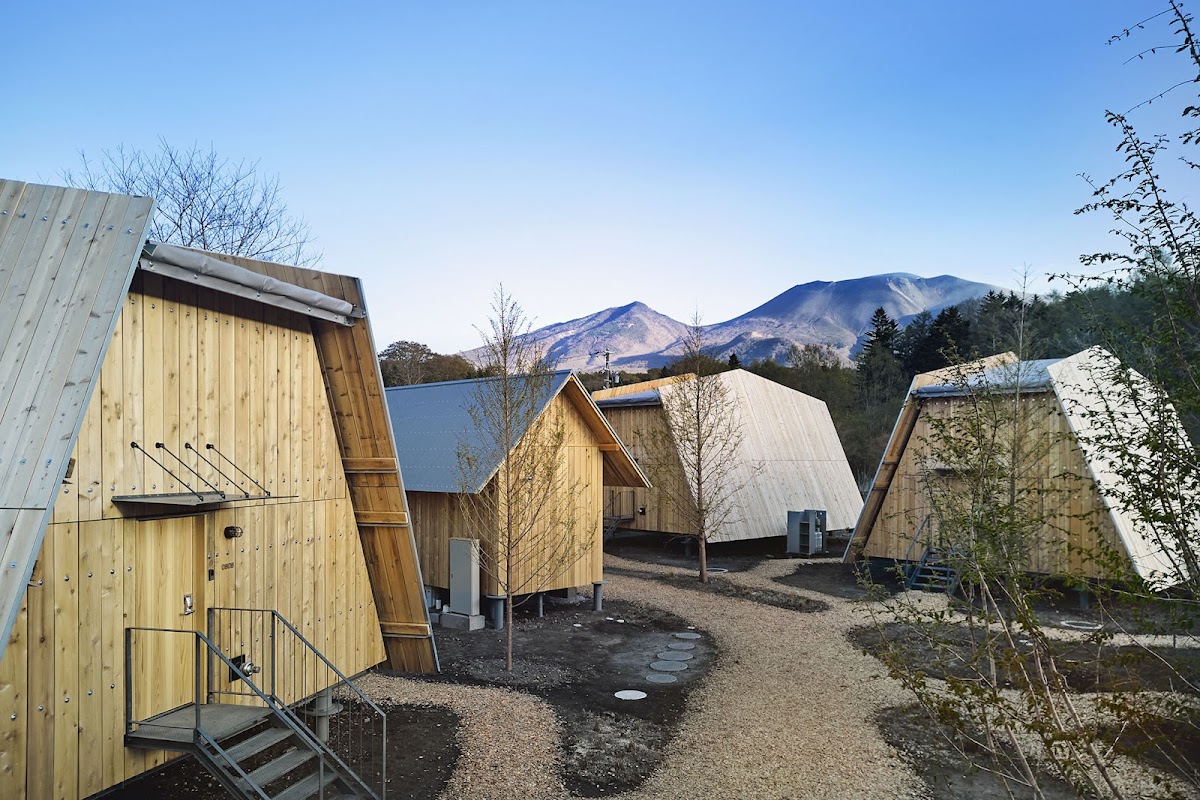
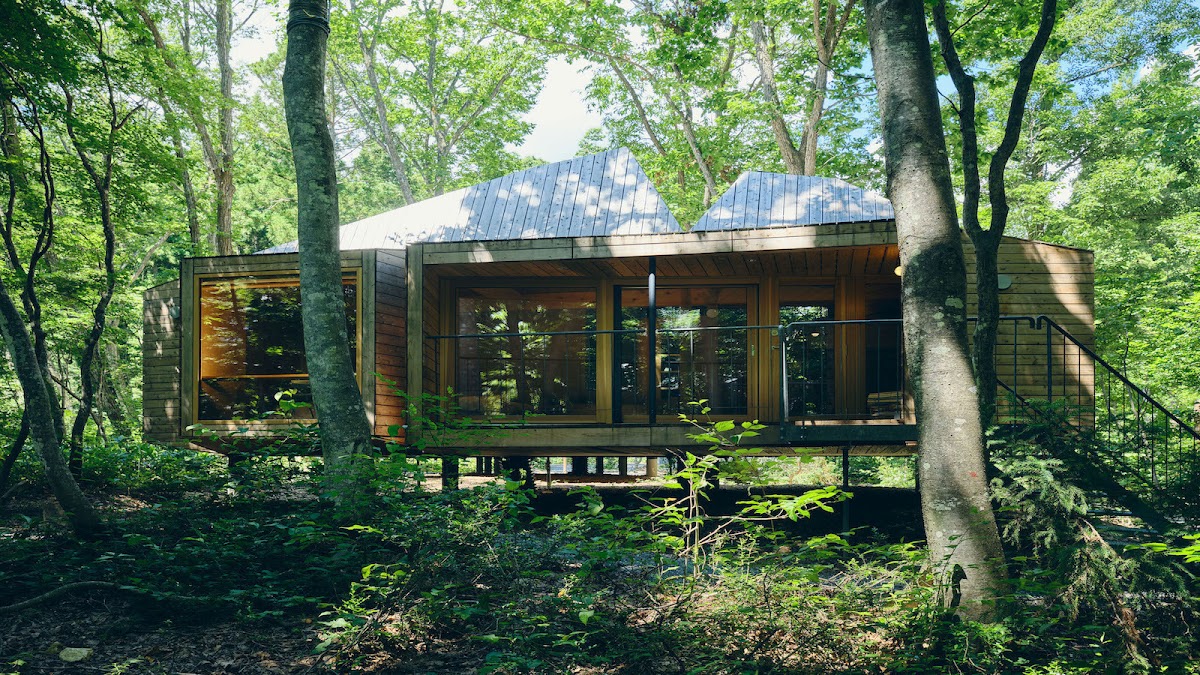
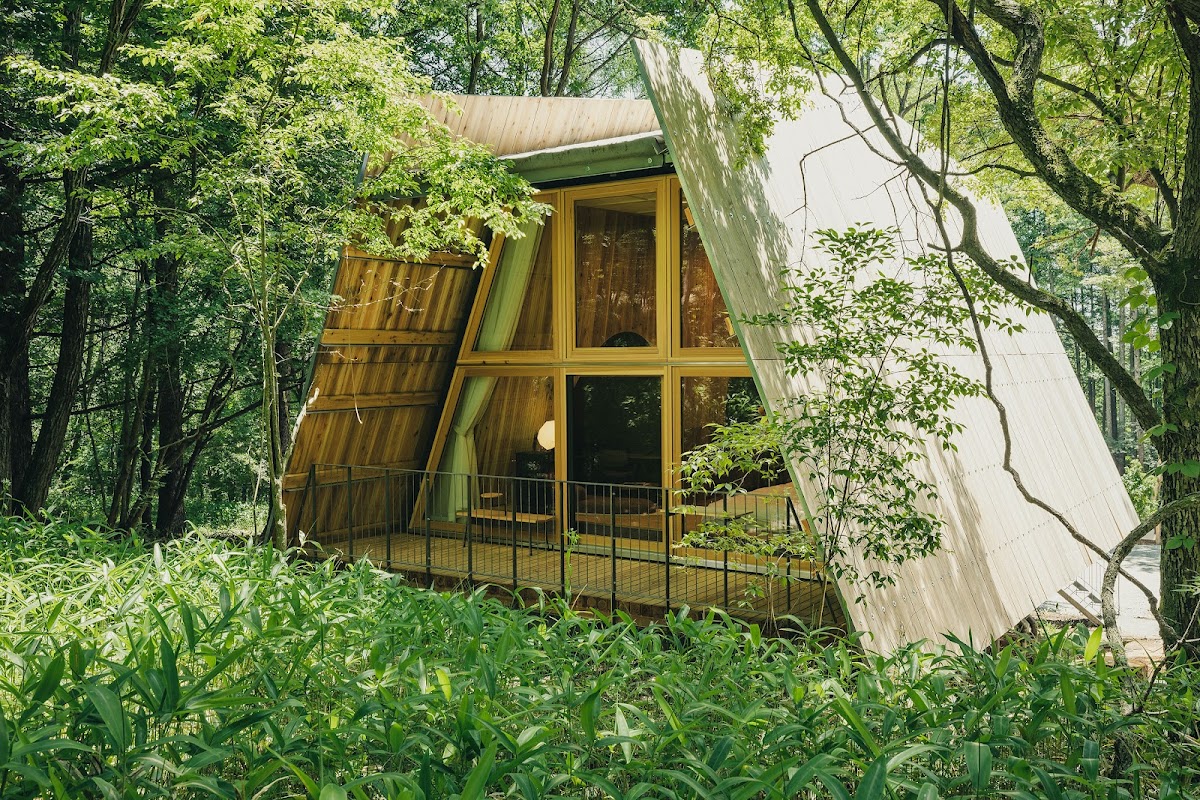
At 1,000 meters elevation, Karuizawa averages a comfortable 25°C in August when Tokyo broils at 35°C. SANU's architect-designed cabins sit in forests where the canopy filters sunlight and mountain breezes flow through the trees. Floor-to-ceiling windows bring the cool forest inside without needing heavy air conditioning. One hour from Tokyo by Shinkansen makes this the most practical highland escape available. Summer evenings are cool enough for a wood-burning stove.
SANU 2nd Home Hakuba (Hakuba, Nagano)
Hakuba is famous for winter skiing, but summer reveals a different mountain landscape entirely. The Northern Alps provide a dramatic backdrop of 3,000-meter peaks, and the valley floor stays cool even in August. SANU's Hakuba cabins serve as a base for alpine hiking, mountain biking, and river activities. The Hakuba area's network of gondolas operates in summer, lifting hikers above the treeline to alpine meadows carpeted with wildflowers.
SANU 2nd Home Yatsugatake (Yatsugatake, Yamanashi)
The Yatsugatake range sits between Nagano and Yamanashi prefectures, its volcanic peaks creating a highland plateau famous for clear air and starry summer nights. SANU's cabins here blend Scandinavian-Japanese minimalism with mountain views. Summer brings wildflower meadows, forest mushroom foraging, and some of Japan's best stargazing conditions. The area's natural spring water feeds the forests and keeps the air fresh even in the warmest months.
Kamikochi Imperial Hotel (Kamikochi, Nagano)
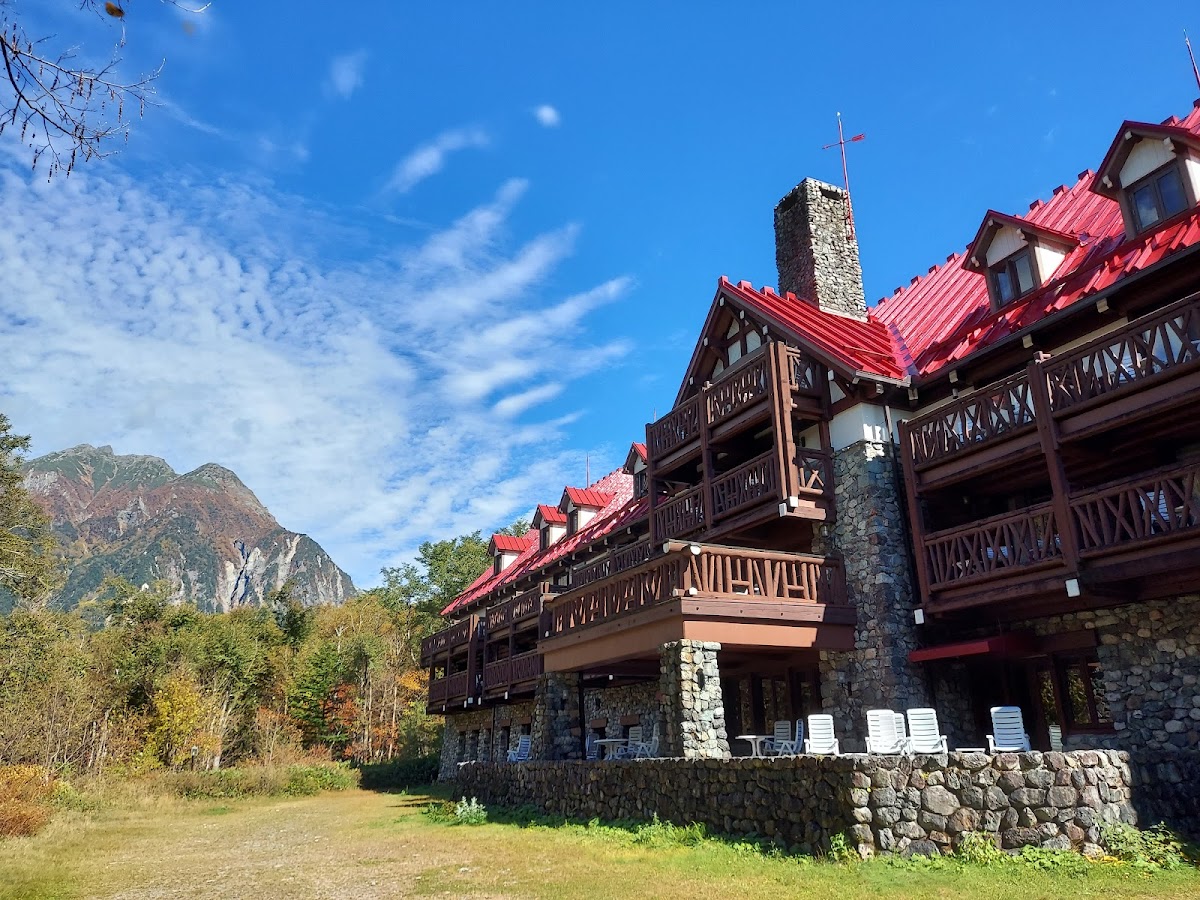
At 1,500 meters in the heart of the Northern Alps, Kamikochi is one of Japan's most spectacular alpine destinations. The classic 1933 mountain lodge provides comfortable rooms with Hotaka Range panoramas. Summer temperatures rarely exceed 22°C. The car-free valley offers hiking trails along the crystal-clear Azusa River, through primeval forest, and up toward the high peaks. This is Japan's mountain summer at its finest, and the Imperial Hotel provides the refined base to enjoy it.
Coastal and Island Properties
Japan is an archipelago, and its coastline offers a fundamentally different summer experience from the mountains. Ocean breezes, coral reefs, subtropical forests, and the endless rhythm of waves create natural cooling that feels nothing like altitude-based relief. Coastal and island nature stays in Japan range from tropical treehouses to refined Inland Sea retreats.
Treeful Treehouse (Yanbaru, Okinawa)
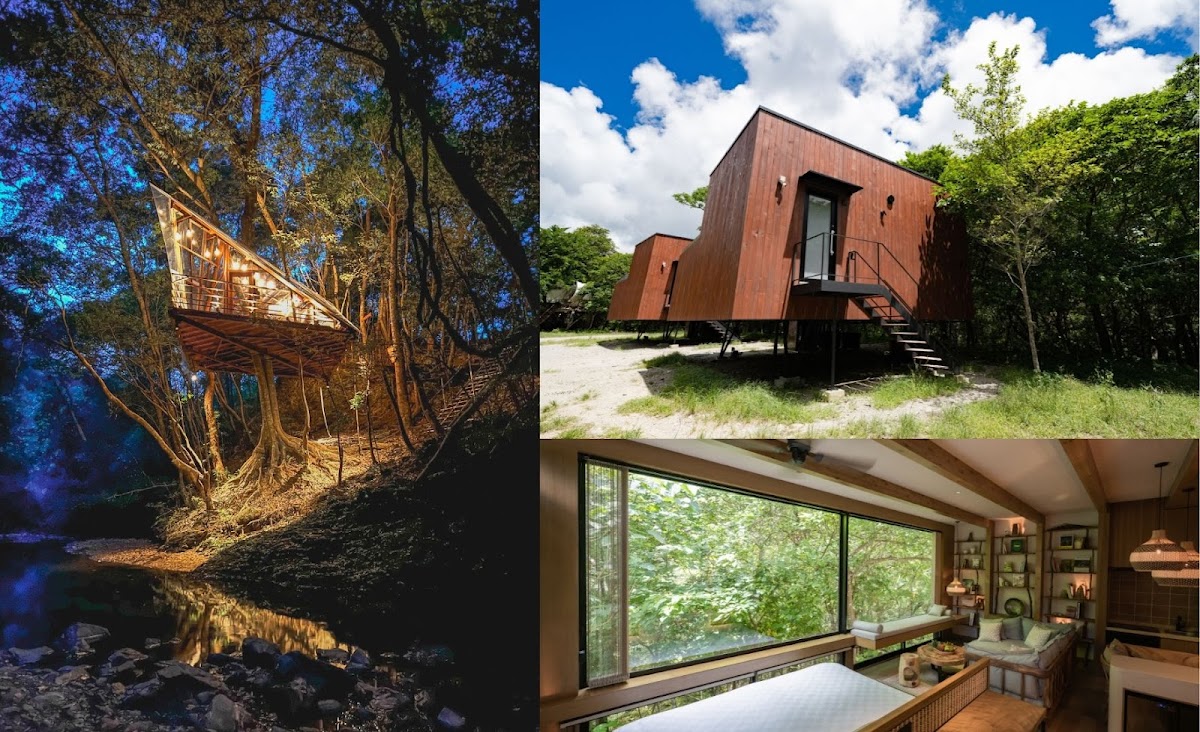
Suspended in the canopy of Okinawa's UNESCO-listed Yanbaru rainforest, these carbon-negative treehouses offer a summer experience found nowhere else in Japan. The subtropical forest canopy provides natural shade and ventilation, while the surrounding national park teems with endemic wildlife. Summer in Okinawa means warm ocean swimming, snorkeling over coral reefs, and forest exploration under a dense green canopy. The Yanbaru area is cooler and quieter than southern Okinawa's resort strip.
Sankara Hotel & Spa Yakushima (Yakushima, Kagoshima)
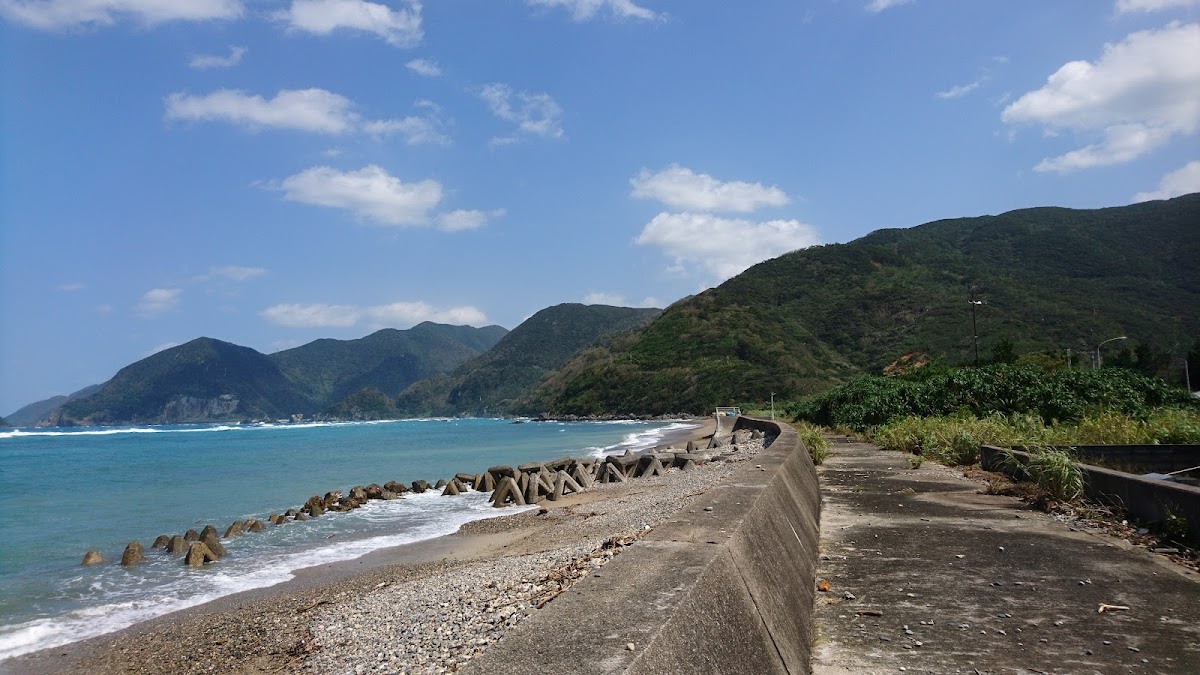
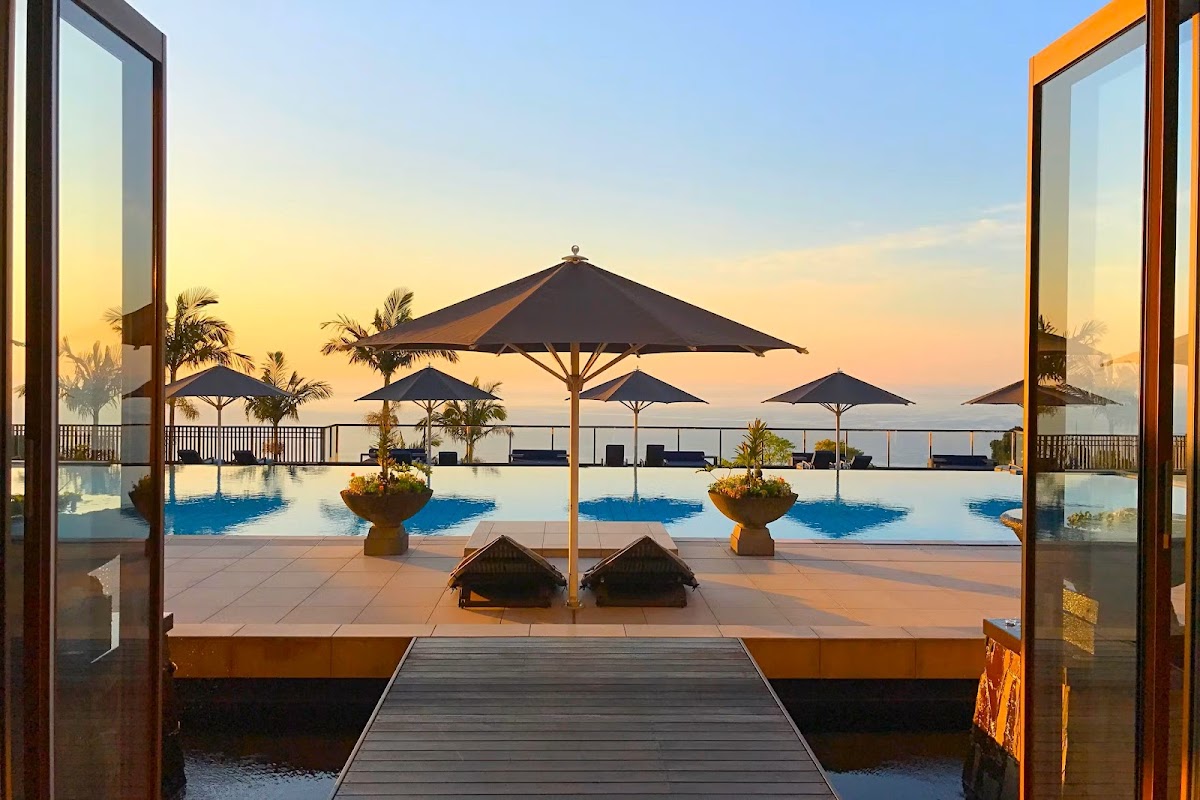
Yakushima's ancient cedar forests, the inspiration for Studio Ghibli's Princess Mononoke, receive extraordinary rainfall that keeps the island lush and green even in summer heat. Sankara provides a luxury base for trekking to the Jomon Sugi, a cedar tree over 2,000 years old. Summer is actually one of the best times to visit, as the forest canopy provides shade and the island's rivers and waterfalls are at their most powerful. Ocean swimming and sea turtle watching add to the island experience.
Awami (Amami Oshima, Kagoshima)
Amami Oshima sits between Kyushu and Okinawa, a subtropical island with UNESCO World Heritage forests, coral reefs, and mangrove rivers. Awami is a beachfront boutique hotel where mornings mean waking to ocean views and days unfold between snorkeling, kayaking through mangrove forests, and exploring rainforest trails. The island's relative obscurity compared to Okinawa means fewer crowds and a more genuine natural experience.
SANU 2nd Home Awaji (Awaji Island, Hyogo)
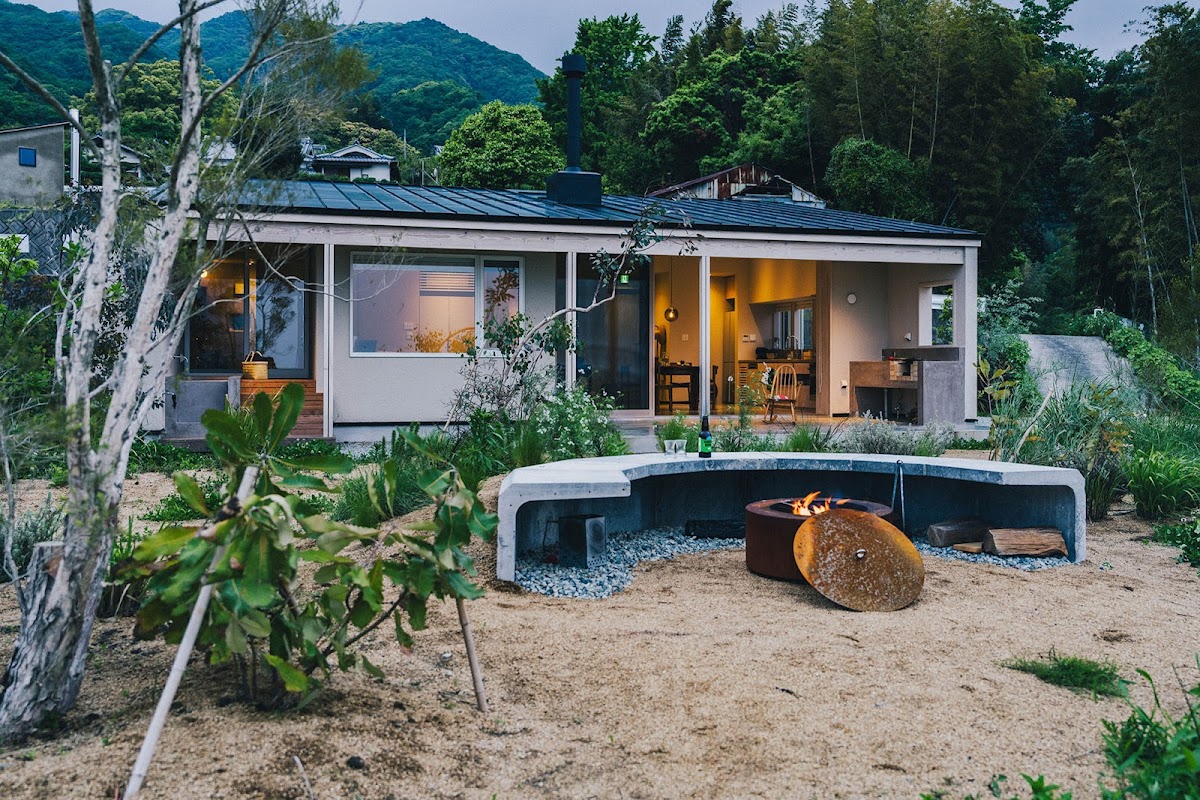
Awaji Island sits in the Seto Inland Sea between Honshu and Shikoku, easily accessible from Osaka and Kobe. SANU's seaside cabins here offer ocean views and island nature immersion without the long journey to tropical islands. Summer brings calm seas for swimming and kayaking, and the island's western coast delivers spectacular sunsets over the Inland Sea. The gentle ocean breezes make coastal Awaji noticeably more comfortable than mainland cities.
Azumi Setoda (Ikuchijima, Hiroshima)
Created by the founder of Aman Resorts in a 140-year-old merchant residence, Azumi Setoda sits on a small island along the Shimanami Kaido cycling route. Summer is perfect for cycling between islands, swimming in the calm Inland Sea, and enjoying the gentle pace of island life. The property's refined Seto Inland Sea cuisine features summer fish at its peak, and the Mediterranean-like climate of the Inland Sea coast makes this area one of Japan's most pleasant summer regions.
River Valley Stays
Japan's river valleys create natural air corridors where cool mountain water channels breezes through forested gorges. The sound of running water has a psychological cooling effect that the Japanese have long understood, and several of Japan's finest nature properties capitalize on riverside settings.
Arcana Izu (Izu, Shizuoka)
The Kano River gorge where Arcana Izu sits acts as a natural wind tunnel, pulling cool air down from the Amagi Mountains. Every room faces the forested river gorge, and the sound of the current is constant. Summer brings river swimming spots upstream, firefly viewing in June, and open-air dining above the water. The French-Japanese cuisine shifts to celebrate summer ingredients: sweetfish (ayu) from the river, local wasabi, and mountain herbs.
Takaragawa Onsen Osenkaku (Minakami, Gunma)
Takaragawa's massive riverside open-air baths are legendary in Japan. In summer, the mountain setting keeps the river valley cool, and the contrast between the hot spring water and cool mountain air is invigorating rather than oppressive. The surrounding Gunma mountain forest provides hiking trails and the Tone River upstream offers rafting and canyoning adventures. This is summer onsen bathing at its most spectacular.
Summer Planning Tips
Navigating Rainy Season
Japan's tsuyu rainy season runs from early June to mid-July in most regions (Hokkaido is largely exempt). Rather than avoiding it, consider embracing it. Onsen bathing in the rain at Takaragawa Onsen is atmospheric. Forest walks in mist at Yakushima are ethereal. Rates are lower and crowds thinner during tsuyu. From late July through August, Japan is generally dry and sunny.
Summer Festivals and Events
Summer is festival season across Japan. Highland areas like Karuizawa host fireworks festivals and outdoor concerts. Island destinations have Obon celebrations with traditional dance. Mountain areas offer guided night walks for firefly viewing in June and stargazing through July and August. Ask your property about local summer events when booking.
What to Bring
For highland stays: light layers for cool evenings, hiking shoes, insect repellent for forest walks. For coastal stays: swimwear, reef-safe sunscreen, a lightweight rain jacket. For all summer stays: a reusable water bottle, as Japan's mountain properties often have excellent natural spring water available.
Explore Other Seasons
Japan transforms completely with each season. Explore our other seasonal guides:
- Spring: Cherry Blossoms & Alpine Flowers - Sakura viewing stays and mountain wildflower retreats
- Autumn: The Ultimate Foliage Guide - Peak fall color at Japan's finest nature properties
- Winter: Snow, Onsen & Cozy Mountain Retreats - Snow country ryokan and powder-season cabins
For more guides, read about the best cabin stays in Japan, nature hotels across Japan, and nature stays near Tokyo. Browse all properties on our map.
Frequently Asked Questions
Lowland Japan reaches 30-38°C with high humidity in July-August. However, highland nature stays at 800+ meters elevation are significantly cooler, typically 20-28°C. Karuizawa averages 25°C in August. Hokkaido stays are even cooler. Coastal and island properties benefit from ocean breezes. Choosing the right location makes Japanese summer entirely comfortable.
Japan's rainy season (tsuyu) runs roughly from early June to mid-July in most regions. Hokkaido largely escapes it. While rain can be heavy, many nature stays are designed to embrace wet weather: onsen bathing in the rain is atmospheric, forest walks in mist are beautiful, and mountain ryokan are cozy retreats. July 20 onward is generally dry and sunny.
Summer opens up Japan's full range of outdoor activities: alpine hiking at Kamikochi and Hakuba, river kayaking and canyoning in Gunma and Nagano, snorkeling and diving in Okinawa and the southern islands, stargazing at highland properties, and forest bathing at any mountain retreat.
Yes, especially at highland locations. Mountain onsen in places like Hakone, Nikko, and Nagano are pleasant year-round. The key is choosing properties at elevation where summer evenings are cool enough to enjoy outdoor bathing. Some mountain ryokan also offer cool river baths as a summer alternative to hot springs.