Quick Answer
A kominka (古民家) is a traditional Japanese house—typically a farmhouse, merchant house, or samurai residence over 50 years old—that has been restored as accommodation. The best kominka stays include Byaku Narai in Nagano's Narai-juku post town, Gassho-zukuri no Sato in Gokayama's UNESCO village, Wanosato in Hida-Takayama, and Satoyama Jujo in Niigata's snow country. These properties combine centuries-old architecture with modern comfort.
Across rural Japan, a quiet revolution is underway. Thousands of traditional houses that were abandoned as younger generations moved to cities are being rescued, restored, and transformed into some of the most atmospheric places to stay in the country. These are kominka (古民家): old houses built with techniques that modern construction has largely abandoned—massive hand-hewn timber frames, walls of earth and bamboo, floors of tatami laid over cypress, roofs of thatch or heavy tile.
Staying in a kominka is not a museum experience. These buildings have been carefully updated with modern heating, plumbing, and insulation while preserving their original character. The result is a form of accommodation that exists nowhere else in the world: centuries of architectural heritage wrapped around the comforts a modern traveler expects, set in landscapes that have changed little since the buildings were first raised.
What is a Kominka?
The word kominka (古民家) literally translates to "old people's house" or more naturally, "old folk house." In practice, it refers to any traditional Japanese residential building constructed using pre-modern methods. The Japanese government generally defines kominka as houses built before 1950, though many preserved examples date to the Edo period (1603-1868) or earlier.
Several distinct types of kominka exist:
- Noka (農家): Farmhouses, often with massive interior spaces designed to accommodate both living quarters and agricultural work. The gassho-zukuri (prayer-hands) style of Shirakawa-go and Gokayama, with steep thatched roofs for snow shedding and silkworm cultivation in the upper floors, are the most famous examples.
- Machiya (町家): Merchant townhouses, narrow-fronted and deep, built along commercial streets. Kyoto's machiya are the most celebrated, but post-towns along historic highways like the Nakasendo also preserve excellent examples.
- Buke-yashiki (武家屋敷): Samurai residences, often with more formal layouts including entrance halls, reception rooms, and garden views designed for ceremony and status display.
- Minka (民家): General folk houses that do not fit neatly into the above categories, including fishing villages, mountain huts, and regional variations unique to specific areas.
The Kominka Revival Movement
Japan loses an estimated 50,000 traditional houses per year to demolition, decay, and abandonment. The rural depopulation crisis—young people leaving villages for cities—has left entire communities of beautiful old buildings standing empty. By some estimates, over eight million houses in Japan are currently vacant, and a significant portion of these are kominka.
The kominka revival movement pushes back against this loss. Architects, entrepreneurs, and local governments have developed approaches to restoring these buildings for contemporary use while preserving their architectural integrity. The result has been a growing network of kominka accommodation, restaurants, cafes, and cultural spaces that breathe economic life back into depopulating rural areas while saving irreplaceable heritage.
For travelers, this movement means access to extraordinary buildings that were previously invisible: farmhouses in mountain valleys, merchant houses along forgotten highways, village homes in landscapes of rice terraces and cedar forests. A kominka stay is not just accommodation—it is participation in the preservation of a culture.
Best Kominka Stays in Japan
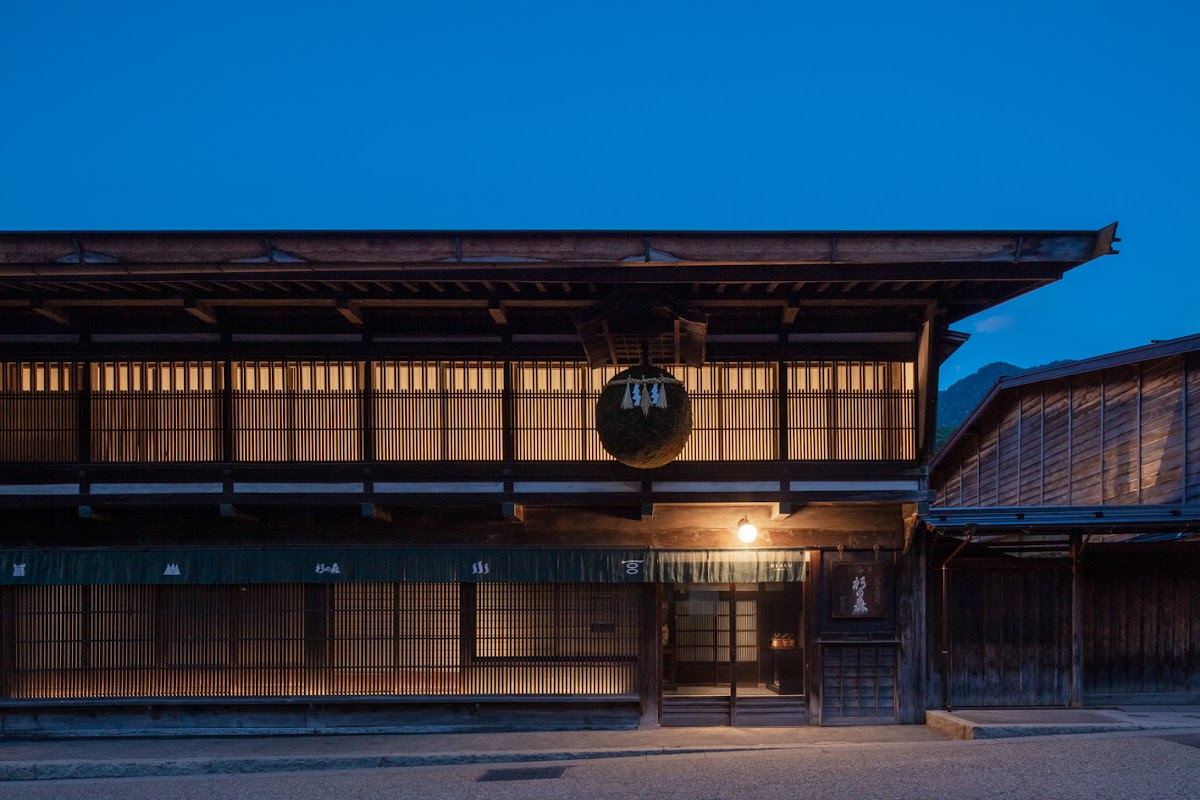
Byaku Narai (Nagano) — Nakasendo Post Town Heritage
Narai-juku was the longest post town on the Nakasendo highway connecting Kyoto and Tokyo. Byaku Narai occupies a collection of restored Edo-period buildings along this historic mile-long street. The rooms preserve original timber frames and architectural details while adding contemporary design elements. The restaurant sources ingredients from the surrounding Kiso Valley. Walking the quiet main street at night, lanterns glowing in the darkness, is like stepping through a portal to the 18th century.
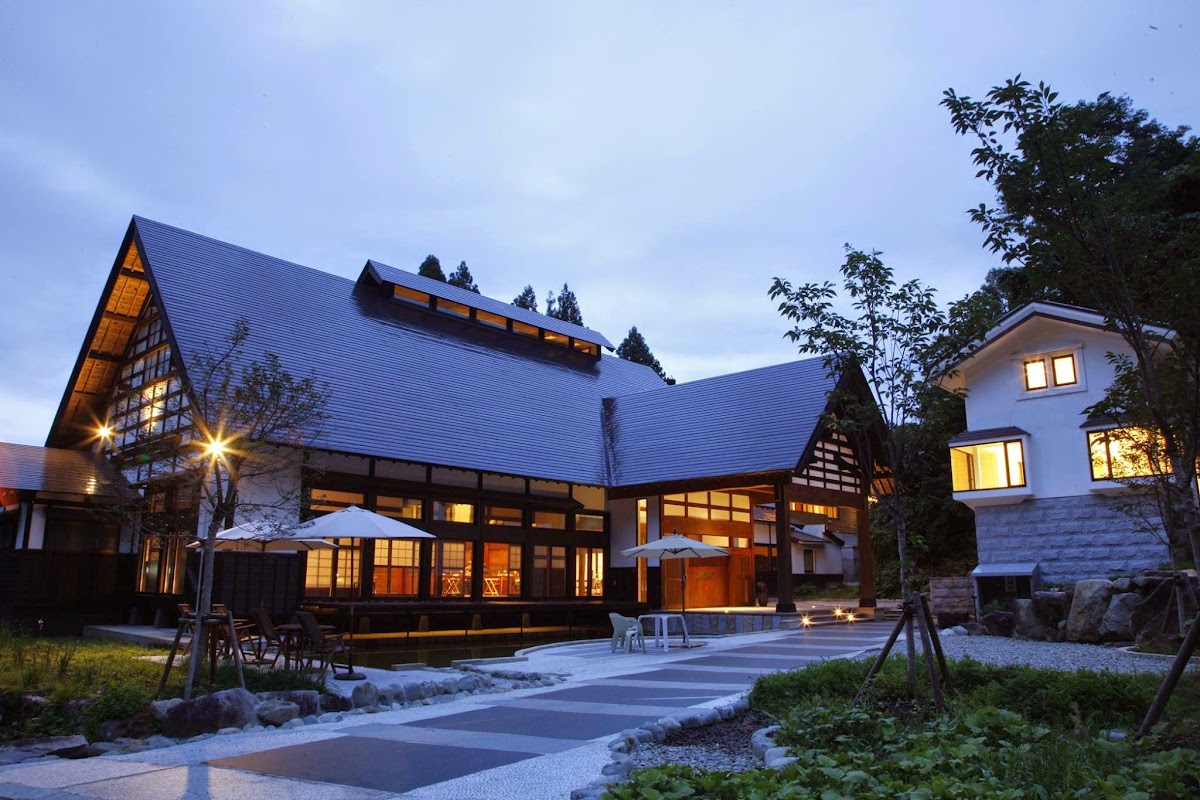
Satoyama Jujo (Niigata) — Snow Country Farmhouse Luxury
A 150-year-old farmhouse in Japan's snow country, transformed into a boutique hotel that has become a benchmark for the kominka renovation movement. The massive timber frame of the original building anchors the public spaces, while guest rooms blend traditional and modern design. The surrounding rice terrace landscape is among the most beautiful agricultural scenery in Japan. In winter, snow buries the village in white, and the contrast between the warm interior and frozen landscape is unforgettable.
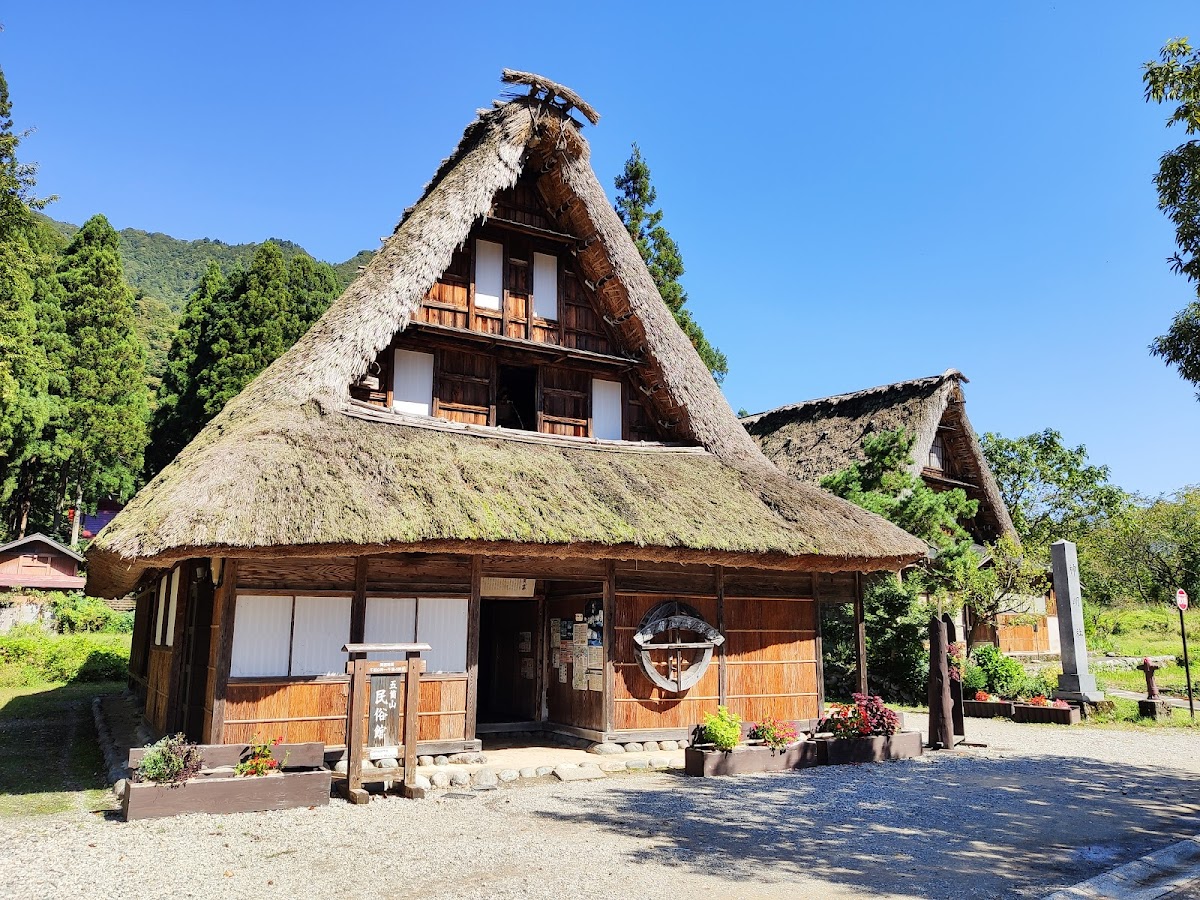
Gassho-zukuri no Sato (Toyama) — UNESCO World Heritage Village
The gassho-zukuri farmhouses of Gokayama are UNESCO World Heritage sites: massive thatched-roof structures built without nails, their steep roofs shaped like praying hands to shed the region's heavy snowfall. Staying overnight in one of these buildings—after the day-trippers have left—is among the most powerful cultural experiences in Japan. The creaking timbers, the hearth fire, the absolute silence of the mountain valley at night: this is kominka at its most authentic.
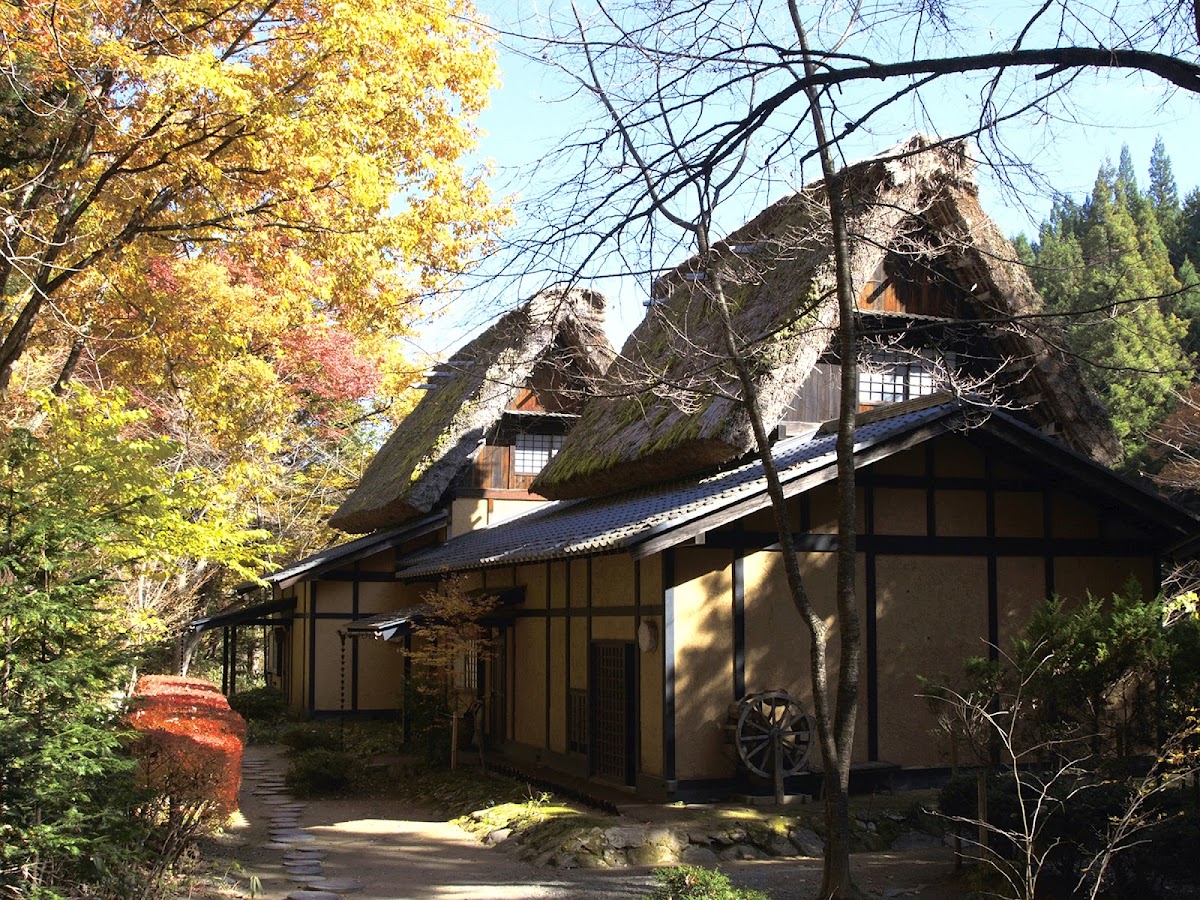
Wanosato (Gifu) — Hida Mountain Farmhouse
A cluster of relocated and restored Hida-region farmhouses in the mountains outside Takayama, rated an exceptional 4.7 stars. The buildings feature the heavy timber construction characteristic of Hida carpentry, a tradition recognized as among Japan's finest. Meals are served around an irori hearth using mountain ingredients: wild vegetables, river fish, and Hida beef. The isolation—you are deep in the mountains, far from any town—is the point.
Kayabuki no Sato Stay (Kyoto) — Thatched Roof Village
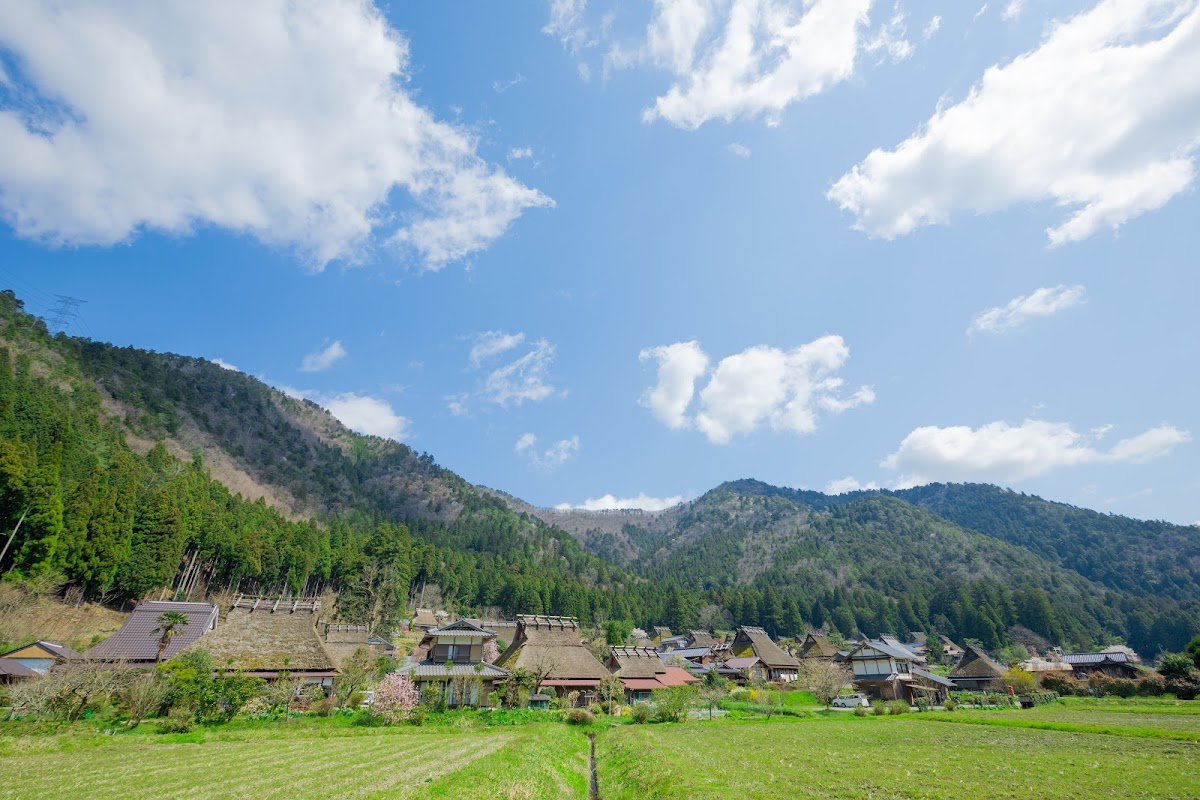
The Miyama district in northern Kyoto prefecture preserves a complete village of thatched-roof farmhouses in a mountain valley. Staying here puts you inside a living landscape that looks unchanged from centuries ago. The surrounding forest and river provide a tranquil setting completely different from Kyoto city. As a village stay, you experience the daily rhythm of a farming community, not just a hotel.
Nipponia Sasayama Castle Town (Hyogo) — Merchant Town Revival
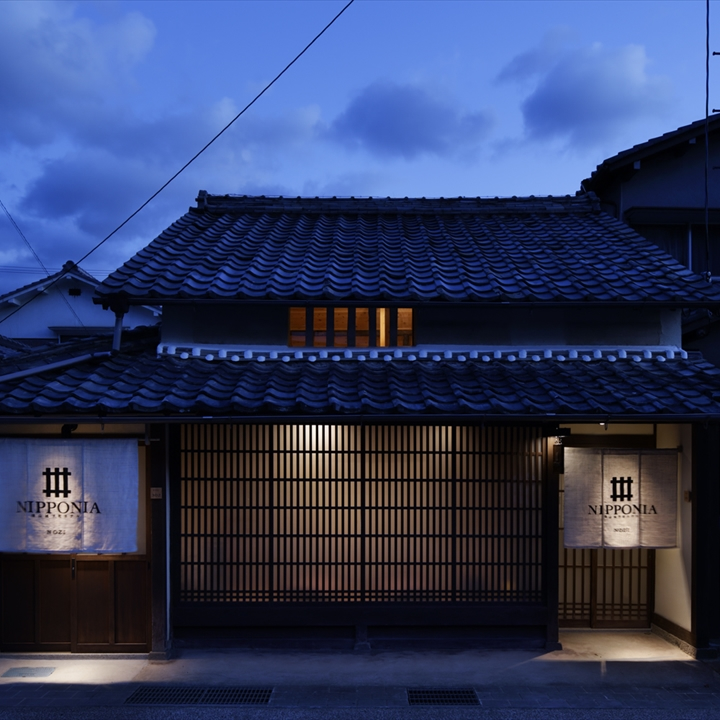
The Nipponia concept distributes hotel rooms across multiple restored buildings throughout a historic town, turning the entire community into a single dispersed hotel. In Sasayama, a former castle town, guest rooms occupy renovated merchant houses, samurai residences, and storehouses. Meals are served in a separate converted building. The effect is staying not in a hotel but in the town itself, with the town as your hotel. Rated 4.6 stars.
Azumi Setoda (Hiroshima) — Shimanami Kaido Island Kominka
On the island of Ikuchijima along the Shimanami Kaido cycling route, Azumi Setoda occupies a magnificently restored merchant villa originally built by a prominent local family. The renovation by Nigo (founder of A Bathing Ape) and architect Shigenori Uoya preserved the building's original grandeur while creating an intimate ryokan experience. Cycling the Shimanami Kaido and returning to this kominka is one of the great travel combinations in Japan.
Bessho Onsen Kashiwaya (Nagano) — Hot Spring Heritage
A registered cultural property ryokan in one of Nagano's oldest onsen towns. The building itself is a kominka treasure, with original Taisho-era architecture and a history spanning generations. The onsen baths draw from the town's ancient hot spring source, and the kaiseki cuisine reflects Shinshu mountain cooking traditions. At 4.6 stars, it exemplifies how kominka preservation and onsen culture can enhance each other.
What to Expect at a Kominka Stay
The Building
Expect low doorways (Japanese people were shorter when these houses were built), exposed timber beams darkened by centuries of hearth smoke, tatami floors that give slightly underfoot, and shoji paper screens that let diffused light into rooms. The buildings have a distinctive smell—old wood, tatami, and something earthy that comes from walls made of clay and straw. In winter, many kominka feature an irori, a sunken hearth where charcoal glows and meals are sometimes cooked.
Sleeping
Most kominka accommodation uses traditional futon bedding laid on tatami floors. The futon is thicker than you might expect, and the tatami provides a slight cushion beneath. Some renovated kominka have added Western-style beds for guests who prefer them, but the futon experience is part of the appeal. Rooms are typically warm thanks to modern heating systems, even though the buildings predate central heating.
Bathing
Kominka in onsen areas often have hot spring baths. Others may have deep wooden soaking tubs (ofuro) or modern bathrooms fitted into the traditional structure. The bathing experience varies widely by property—from full onsen ryokan facilities at places like Kashiwaya to simple but atmospheric wooden tubs.
Dining
Food at kominka stays tends toward hyper-local cuisine. Mountain kominka serve wild vegetables (sansai), river fish, and foraged mushrooms. Coastal kominka feature local seafood. The cooking is often traditional—hearth-grilled, slow-simmered, or preserved using techniques specific to the region. Many properties grow their own vegetables or source from immediate neighbors.
Regions with the Best Kominka Stays
Nagano and the Japanese Alps
The mountainous interior of central Japan preserves excellent kominka, particularly along the historic Nakasendo highway. Byaku Narai in Narai-juku and Kashiwaya in Bessho Onsen are standouts. The Kiso Valley, Hakuba, and Matsumoto areas also have scattered kominka stays.
Gifu and Toyama (UNESCO Villages)
The gassho-zukuri villages of Shirakawa-go and Gokayama are the most famous kominka destinations in Japan. Gassho-zukuri no Sato in Gokayama offers overnight stays in these UNESCO-listed buildings. Hida-Takayama's Wanosato represents Hida carpentry tradition at its finest.
Niigata Snow Country
The heavy snowfall region of Niigata produced distinctive thick-walled, steep-roofed farmhouses. Satoyama Jujo is the standard-bearer, but the Echigo-Tsumari region and surrounding villages also offer kominka experiences amid rice terraces and snow country landscapes.
Kyoto Countryside
Beyond the city's famous machiya, northern Kyoto prefecture hides the thatched-roof village of Miyama, while Miyamaso offers a different mountain kominka experience. The rural Kyoto countryside is dramatically different from the tourist-heavy city.
Frequently Asked Questions
A kominka (古民家) is a traditional Japanese house over 50 years old, built using pre-modern construction techniques. These include farmhouses, merchant houses, and samurai residences with heavy timber frames, earthen walls, and tatami rooms. Many have been restored as atmospheric accommodation.
You sleep in tatami rooms on futon bedding, surrounded by centuries-old timber and traditional architecture. Modern renovations add heating, plumbing, and comfort while preserving the original character. Meals often feature hyper-local cuisine, and the rural settings provide tranquility that city hotels cannot match.
Top destinations include Byaku Narai in Nagano, Gassho-zukuri no Sato in Toyama, Wanosato in Gifu, Satoyama Jujo in Niigata, and Nipponia Sasayama in Hyogo.
Yes. Renovated kominka have modern amenities including heating, updated bathrooms, and comfortable bedding. Properties like Byaku Narai and Satoyama Jujo offer boutique hotel-level comfort within historic buildings.
Budget kominka start around $80-120 per person per night. Mid-range renovated properties with meals cost $150-300. Luxury kominka like Wanosato range from $300-600+ per person per night.
For more traditional Japanese accommodation, see our onsen ryokan guide and best ryokan in Japan. Interested in countryside stays beyond kominka? Read our countryside accommodation guide and Japan farmstay guide. Or browse all properties on our map.