Quick Answer
Japan's farmstays (農泊, nohaku) let you experience rural life firsthand—rice planting, vegetable harvesting, foraging, and traditional cooking in beautiful agricultural landscapes. Top destinations include Satoyama Jujo in Niigata's rice country, Wanosato in Gifu's mountain farmland, and Kayabuki no Sato in Kyoto's thatched-roof village. The best seasons are spring for rice planting and autumn for golden harvest landscapes.
Beyond the bullet trains and neon cities, 65% of Japan's land is forested mountain terrain interspersed with valleys of rice paddies, orchards, and small farms. For centuries, Japanese agriculture has shaped some of the most beautiful landscapes on earth: terraced rice paddies cascading down mountainsides, thatched-roof villages surrounded by cedar forests, river valleys where wasabi grows in crystal-clear streams.
A farmstay in Japan gives you access to this world. You eat what the land produces. You learn techniques passed through generations. You sleep in buildings designed around the rhythm of agricultural life. And you leave with an understanding of Japan that no city visit can provide.
What to Expect at a Japanese Farmstay
The Japanese term for farmstay is nohaku (農泊), literally "agricultural stay." The government has actively promoted nohaku since 2017 as a way to revitalize rural economies and provide international visitors with authentic cultural experiences. The range is broad: from basic homestays with farming families to luxury properties set within agricultural landscapes.
Daily Rhythm
Farm life starts early. Expect to rise around 6:00-6:30 for morning activities—feeding animals, checking fields, or harvesting vegetables for breakfast. Midday might bring rice paddy work, foraging walks, or craft activities like straw weaving. Evenings center on cooking and eating together, often around an irori hearth. The pace is slow and deliberate. There is no check-out time pressure; the day unfolds according to the season and the weather.
Food
This is perhaps the greatest revelation of a Japanese farmstay. The food is extraordinary—not because it is fancy, but because every ingredient is either grown on the property or sourced from immediate neighbors. Rice harvested from the paddy you see from your window. Vegetables pulled from the garden that morning. Pickles made from recipes older than anyone can remember. Mountain herbs foraged from the forest. The meals are simple in technique but profound in freshness and flavor.
Activities
Activities vary by season and region but commonly include:
- Rice planting (May-June) and harvesting (September-October)
- Vegetable gardening and picking
- Fruit harvesting (apples, persimmons, grapes, depending on region)
- Foraging for mountain vegetables (sansai) and mushrooms
- Making traditional foods: miso, tofu, soba noodles, mochi
- Tending to animals (chickens, goats, sometimes cows in Hokkaido)
- Nature walks, river fishing, and forest bathing
Best Farmstay Properties and Regions
Niigata: Rice Country
Niigata produces Japan's most prized rice, Koshihikari, in a landscape of terraced paddies and snow-country villages. The heavy winter snowfall melts into mineral-rich water that feeds the paddies in spring, creating a natural cycle that has been refined over centuries.
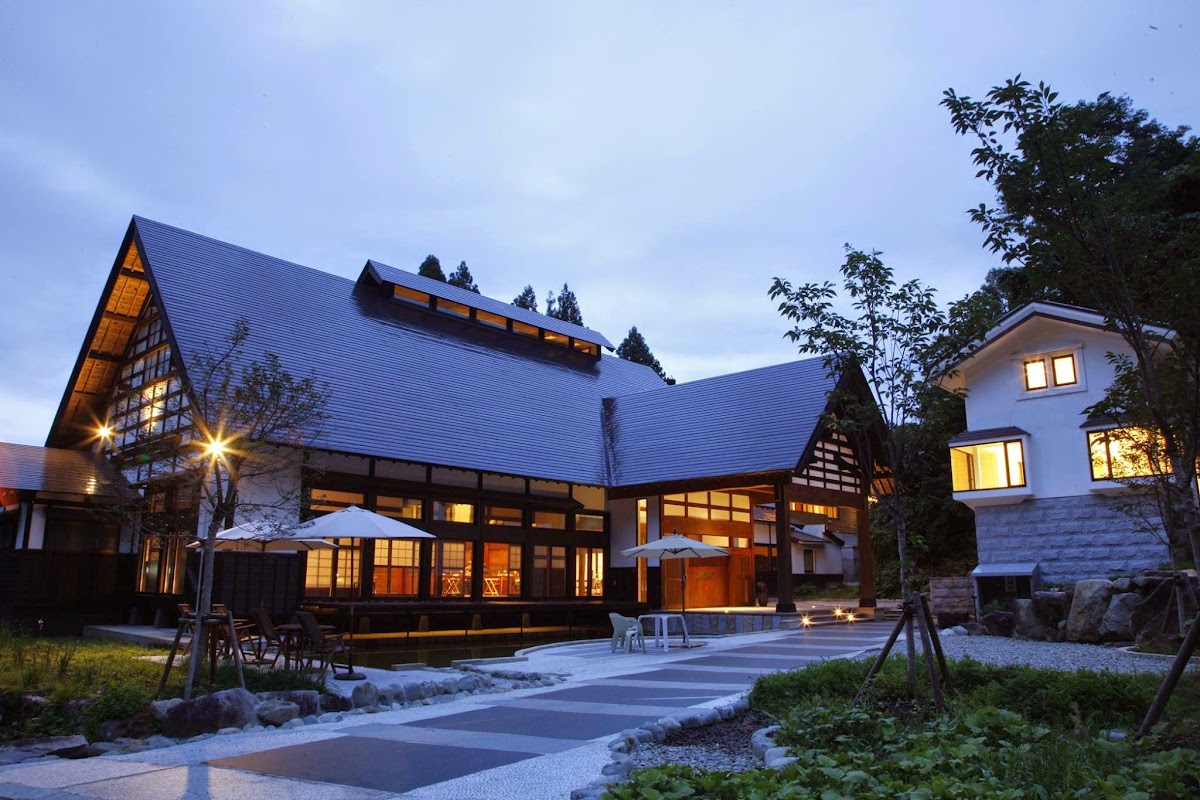
The flagship of Japan's farm-adjacent luxury accommodation. A 150-year-old farmhouse restored to boutique hotel standards, surrounded by rice terraces that change dramatically through the seasons—flooded mirrors in spring, vivid green in summer, golden waves in autumn, deep snow in winter. The kitchen works directly with local farmers and foragers. Rice cooking workshops and farm visits can be arranged. This is where Tokyo chefs and designers come to reconnect with rural Japan.
A ryokan in the Echigo Yuzawa area, the region Kawabata Yasunari immortalized in Snow Country. The surrounding agricultural landscape offers rice farming experiences and sake brewery visits (Niigata is Japan's sake capital). The property connects guests with local producers and seasonal farm activities.
Gifu: Mountain Farming Heritage
The mountainous Hida region of Gifu prefecture has preserved farming traditions that predate mechanization. Steep terrain makes large-scale agriculture impossible, so small-plot farming, foraging, and river fishing remain the foundation of the food culture.
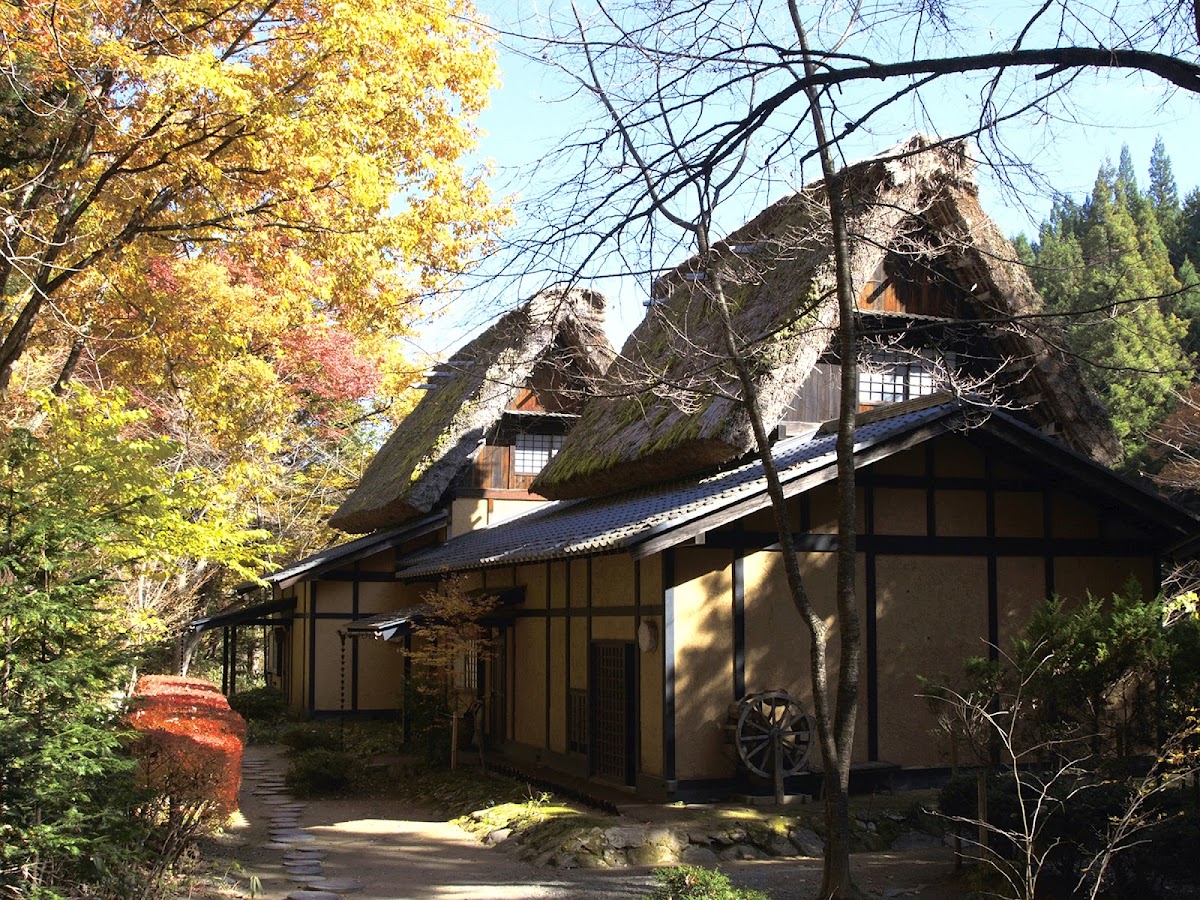
Relocated Hida farmhouses in a mountain setting where the food is genuinely farm-to-table: wild vegetables from the surrounding mountains, river fish from nearby streams, Hida beef from local ranches, and rice from the valley. Meals are cooked over an irori hearth in the traditional manner. The property operates as a working farm as much as an inn, and guests are welcome to participate in seasonal activities.
In the heart of Takayama's preserved old town, this 4.6-star ryokan connects guests with the agricultural rhythms of Hida. The morning markets in Takayama—among the oldest in Japan—showcase the region's farm products daily. The kaiseki here draws deeply on mountain farming ingredients, and the property can arrange visits to nearby farms.
Kyoto Countryside: Thatched Village Life
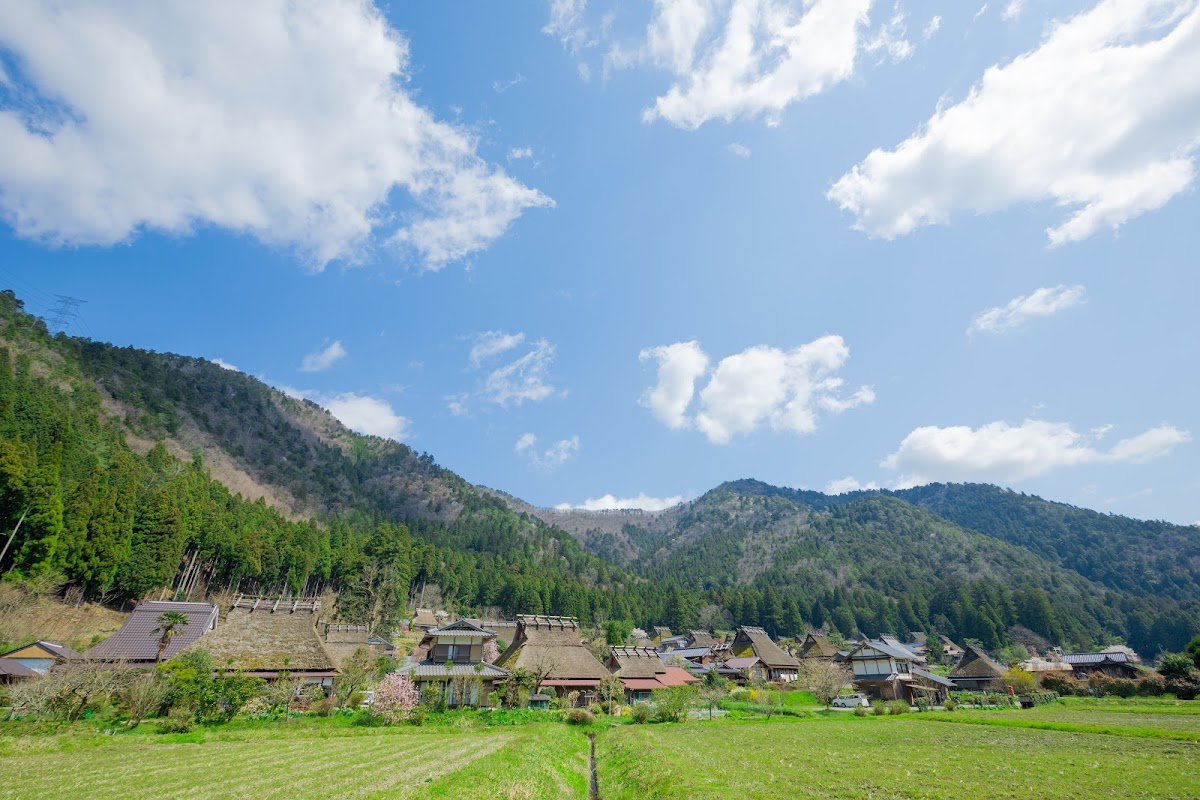
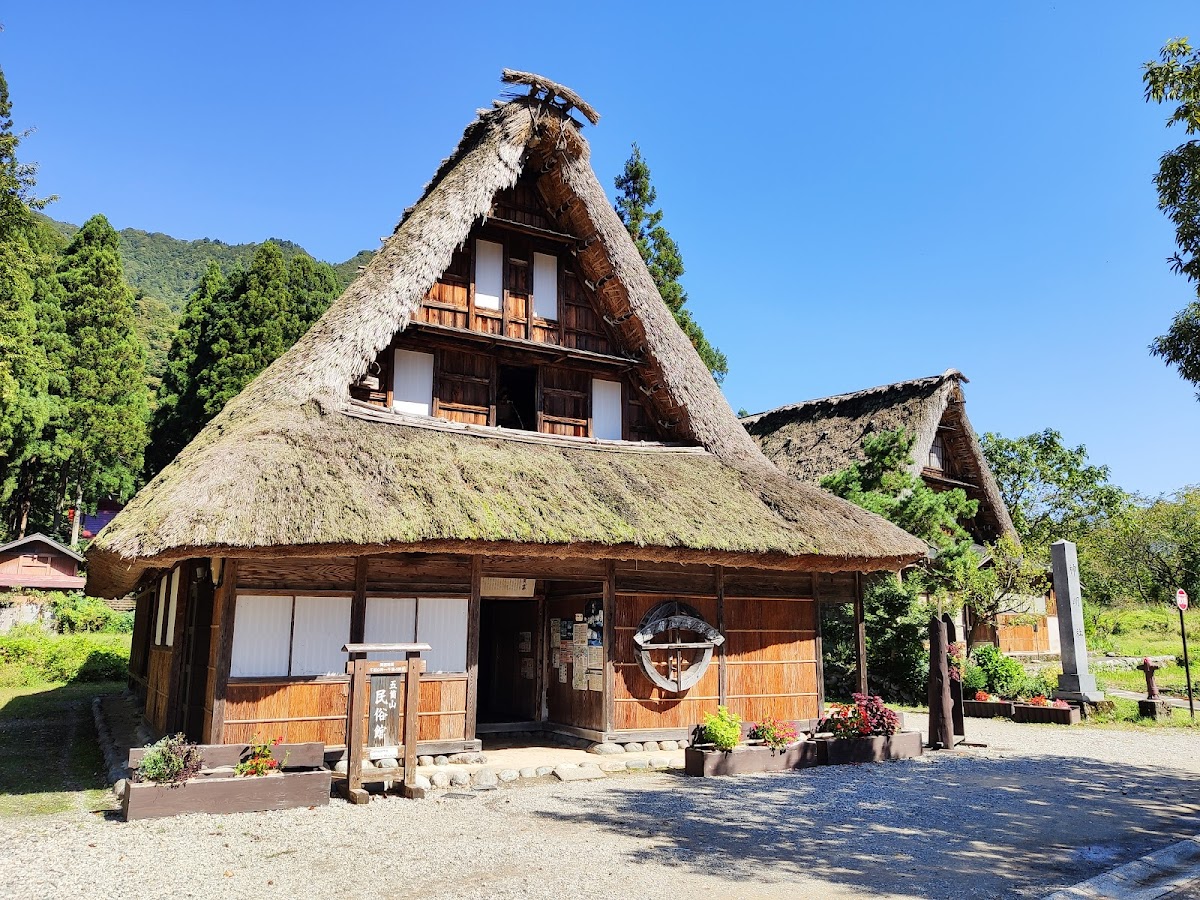
A complete thatched-roof farming village in northern Kyoto where the agricultural calendar still dictates the rhythm of life. Guests stay in a farmhouse within the village and experience daily rural routines: tending gardens, walking forest paths, and eating meals prepared from village-grown ingredients. The visual impact of the thatched village against mountain and forest scenery is extraordinary in every season.
Yamagata: Shonai Plain Agriculture
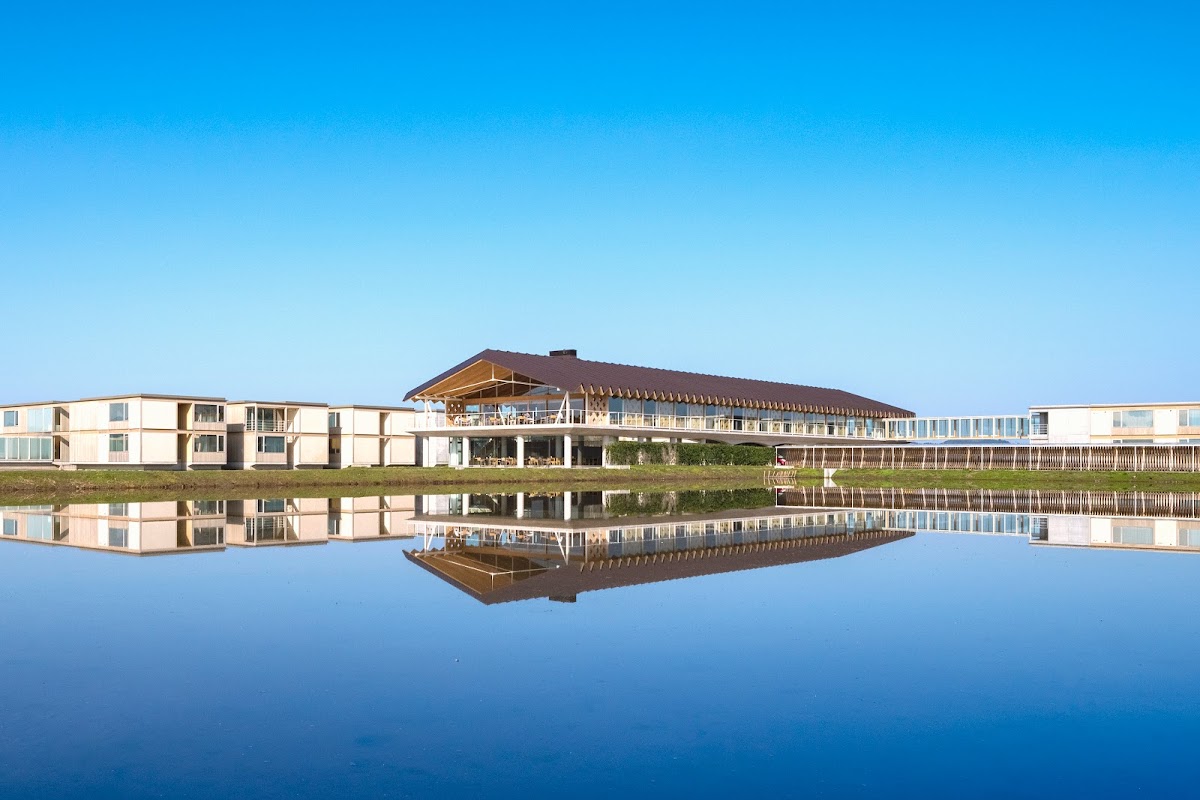
Architect Shigeru Ban designed this hotel to float above the rice paddies of the Shonai Plain, one of Japan's great agricultural landscapes. The building reflects in the flooded paddies in spring and stands above golden fields in autumn. The concept explicitly connects hotel guests with the surrounding agricultural community through farm tours, cooking workshops, and seasonal harvest experiences.
At the base of Mt. Chokai, near the Shonai Plain, this property connects mountain agriculture with Sea of Japan coastal culture. The area produces excellent rice, mountain vegetables, and seafood, creating a culinary intersection that reflects the diversity of Yamagata's farming and fishing traditions.
Hokkaido: Large-Scale Agriculture
Hokkaido's farming is different from the rest of Japan: larger scale, influenced by Western agricultural methods introduced in the Meiji era, and centered on dairy, wheat, potatoes, corn, and livestock alongside rice. The landscape feels more like rural Scandinavia or New Zealand than typical Japanese countryside.
In the Ainu heartland of Biratori, this cottage property sits within a landscape of forest and small-scale farming where indigenous Ainu agricultural traditions—gathering, fishing, and forest cultivation—coexist with Japanese farming methods. The area produces exceptional tomatoes, herbs, and wild plants used in local cuisine.
Kumamoto: Volcanic Grassland Farming
The Aso region of Kumamoto is a vast volcanic caldera with grasslands used for cattle farming and mountain agriculture. Kurokawa Onsen sits at the edge of this landscape, and the ryokan here source ingredients from the surrounding farms—Aso red beef, volcanic-soil vegetables, and mountain herbs. The combination of onsen bathing and agricultural landscape makes this a uniquely Kyushu farmstay experience.
Seasonal Farm Activities Calendar
Spring (March-May)
Rice seedling preparation and planting dominate spring farm work. Cherry blossoms frame the fields in late March and April. Mountain vegetables (sansai) emerge: fiddlehead ferns, wild garlic, bamboo shoots, and dozens of foraged plants that appear on every farmstay table. Tea harvesting begins in southern regions. It is the season of renewal, and the energy in farming communities is palpable.
Summer (June-August)
Rice paddies fill with vivid green. Vegetable gardens peak with tomatoes, cucumbers, eggplant, and edamame. Fruit orchards produce cherries (Yamagata is the cherry capital), peaches, and blueberries. The rainy season (tsuyu) in June-July is actually important for rice cultivation, so do not avoid it entirely. August brings festivals, bon-odori dancing, and the height of summer vegetable abundance.
Autumn (September-November)
The most visually spectacular season for farmstays. Rice harvesting turns paddies golden, and the hanging rice drying racks (hazakake) create iconic landscapes. Apple and persimmon harvests follow. Mushroom foraging in the mountains reaches its peak. Autumn foliage frames the entire scene. This is peak season for many farmstays, so book well in advance.
Winter (December-February)
Snow country farmstays reveal a different world: villages buried in white, indoor activities like mochi pounding, miso making, and preserved food preparation. This is when rural communities gather around irori hearths and eat heartily against the cold. Nozawa Onsen's Sakaya ryokan combines snow country farming culture with hot spring bathing. In Hokkaido, dairy farm visits and cheese-making workshops continue through winter.
Practical Tips for Farmstay Visitors
- Book directly or through regional tourism offices. Many farmstays are not listed on major booking platforms. Local tourism associations often maintain farmstay registries with English support.
- Bring work-appropriate clothing. Old shoes, long pants, and a hat for field activities. Mud is inevitable. Many properties provide rubber boots and gloves.
- Communicate dietary needs in advance. Farm meals are designed around what the land produces. Vegetarian and vegan options are possible but require advance notice, as the default includes fish and sometimes meat.
- Embrace the pace. Farm time is not tourist time. Activities happen when conditions allow. Rain may change plans. Flexibility is part of the experience.
- Learn basic food-related Japanese. Words like oishii (delicious), itadakimasu (before eating), and gochisousama (after eating) go a long way in farming communities.
- Ask about the food. Farmers love explaining what they grow and how they grow it. Even through a language barrier, the passion comes through.
Frequently Asked Questions
A farmstay (農泊, nohaku) provides accommodation at or near a working farm where guests participate in agricultural activities—rice planting, vegetable harvesting, foraging, and traditional food preparation. Stays range from basic family homestays to luxury properties like Satoyama Jujo in agricultural landscapes.
Spring for rice planting, summer for vegetable harvests, autumn for the spectacular golden rice terrace landscape and rice harvesting, and winter for preserved food traditions and snow country culture. Each season offers a completely different experience.
Niigata for rice country (Satoyama Jujo), Hida-Takayama in Gifu for mountain farming (Wanosato), Miyama in Kyoto for thatched village life (Kayabuki no Sato), and Shonai Plain in Yamagata (Suiden Terrasse) for rice farming culture.
Basic Japanese helps but is not essential at established properties. Higher-end farmstay properties are experienced with international guests. Translation apps bridge most gaps at smaller family operations. Some regions organize farmstays specifically for international visitors.
Basic family farmstays cost $60-100 per person per night with meals. Mid-range rural accommodation with farm experiences ranges $100-250. Luxury farm properties like Satoyama Jujo cost $300-600+ per person per night.
For more on traditional rural accommodation, see our kominka stays guide and countryside accommodation guide. Looking for other nature experiences? Check our hiking accommodation guide and eco lodge guide. Or browse all properties on our map.