Quick Answer
The best ryokan in Japan for 2026 include Hiiragiya in Kyoto (4.8 stars, operating since 1818), Zaborin in Hokkaido (private onsen in every room), Wanosato in Gifu (4.7, mountain farmhouse luxury), and Gora Kadan in Hakone (former imperial retreat). This guide covers our top 50 curated picks organized by region, with ratings and what makes each one special.
A great ryokan is more than a place to sleep. It is architecture, cuisine, bathing, service, and atmosphere unified into a single coherent experience. The best ryokan in Japan have been refining this art for generations—some for centuries—and the result is a form of hospitality that has no equivalent anywhere in the world.
This list is curated from our database of properties across Japan, prioritizing guest ratings, the quality of the onsen or bathing experience, the caliber of the kaiseki cuisine, the distinctiveness of the architecture or setting, and the overall sense of place. These are not the 50 most expensive or the 50 most famous—they are the 50 we would recommend to a trusted friend.
Hokkaido
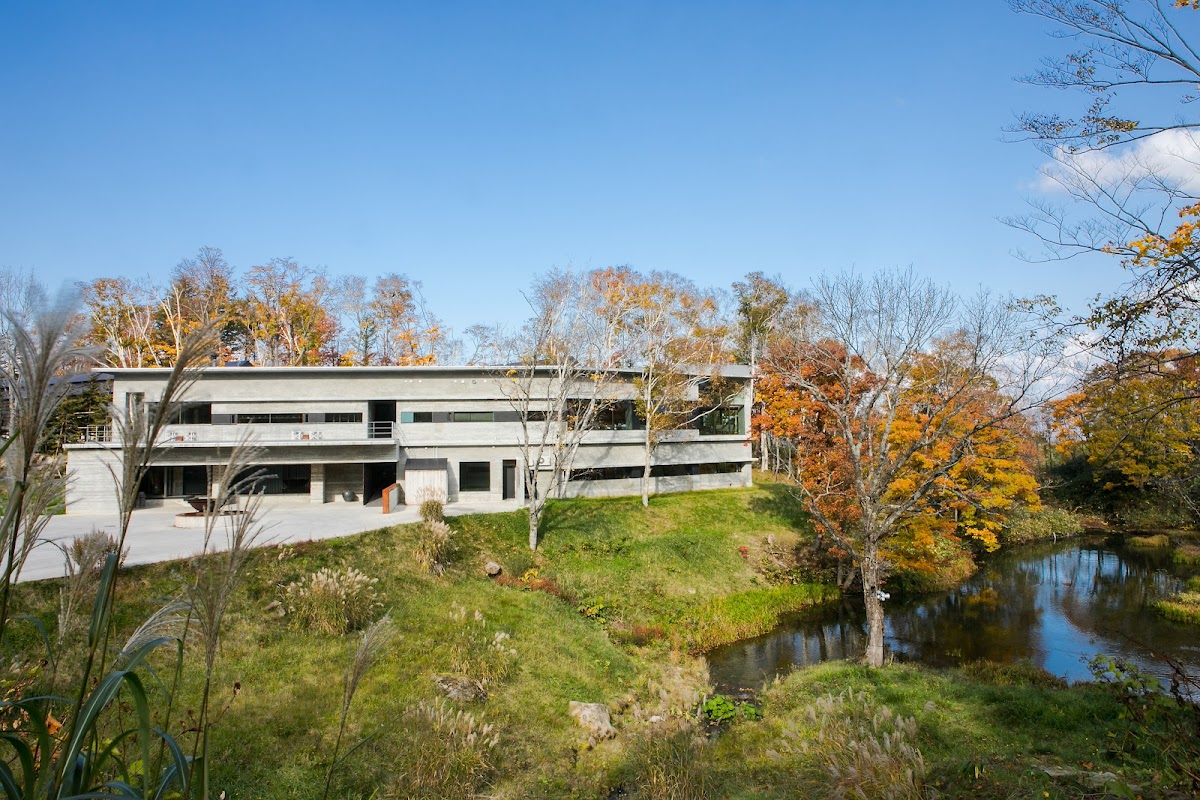
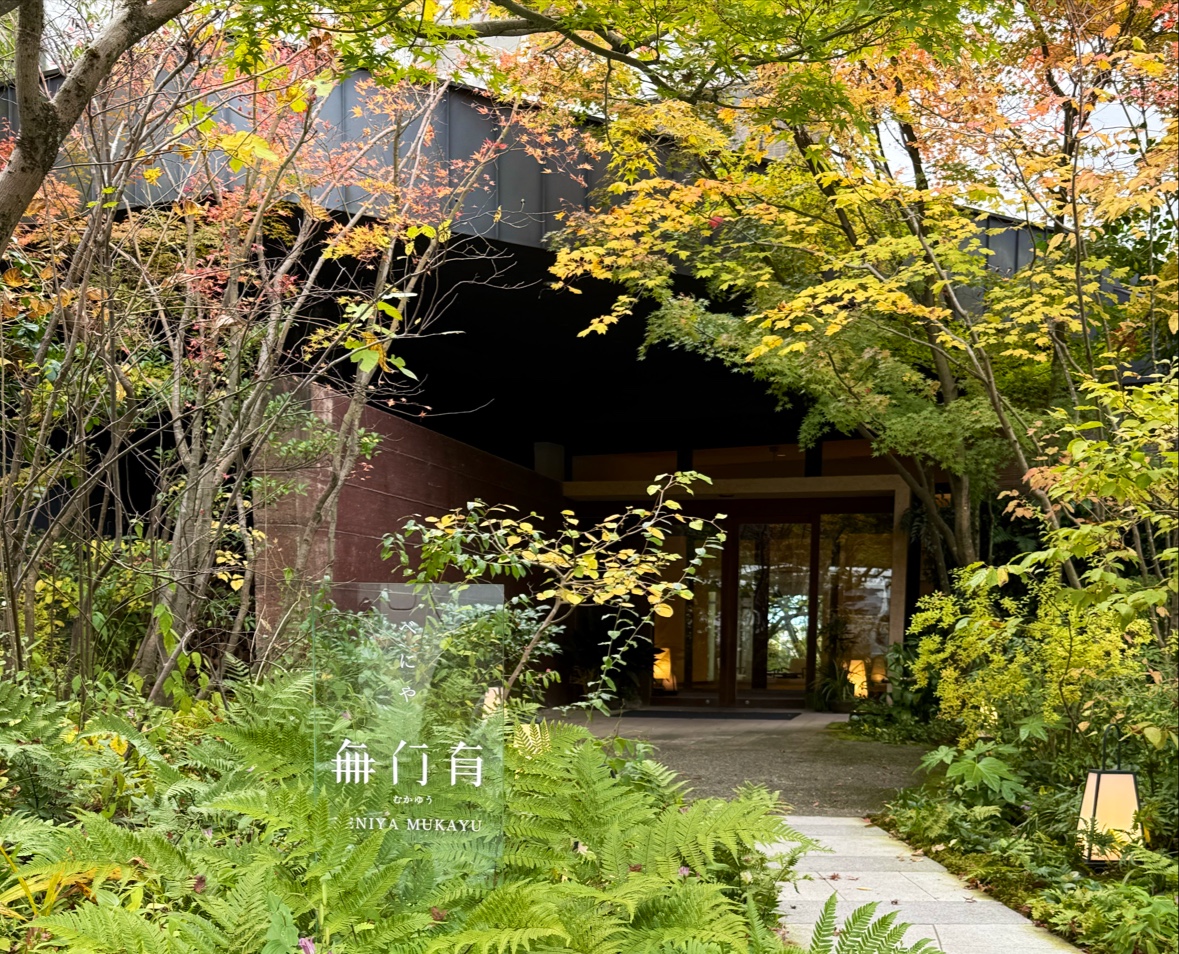
Two private onsen baths in every room—one indoor, one outdoor—fed by the property's own hot spring source. Nakayama Architects designed the buildings to integrate with the surrounding birch forest. The kaiseki uses Hokkaido's legendary ingredients: uni, lamb, seasonal vegetables. The benchmark for modern luxury ryokan in Japan.
Lakeside luxury in Akan-Mashu National Park with Ainu cultural experiences and exceptional lake views. The kaiseki here incorporates indigenous Ainu ingredients and techniques alongside Japanese traditions.
A restored century-old farmhouse in Niseko reimagined as an intimate ryokan. The architecture preserves the original timber frame while adding contemporary comfort. The food connects to Hokkaido's agricultural heritage. An alternative to Zaborin for travelers who prefer intimate, heritage-focused stays.
Tohoku
Operating for 350 years in the mountains of Akita. The milky white outdoor bath surrounded by thatched-roof buildings and oil lamps is one of the most iconic onsen scenes in Japan. Winter here, with two meters of snow around the bath, is transcendent.
In the fairy-tale town of Ginzan Onsen, where gas lamps illuminate wooden ryokan buildings reflected in the river. The town, said to have inspired Spirited Away, is at its most magical in winter when snow blankets the narrow valley.
Private onsen in every room in the historic Kaminoyama onsen town. The property combines Yamagata's exceptional food culture—mountain vegetables, sake, locally raised beef—with private bathing luxury.
A large-scale ryokan with private onsen baths in a beautiful garden setting. The Hanamaki area is the homeland of Kenji Miyazawa, and the surrounding landscape of forests and rivers inspired his most famous works.
Kanto (Near Tokyo)
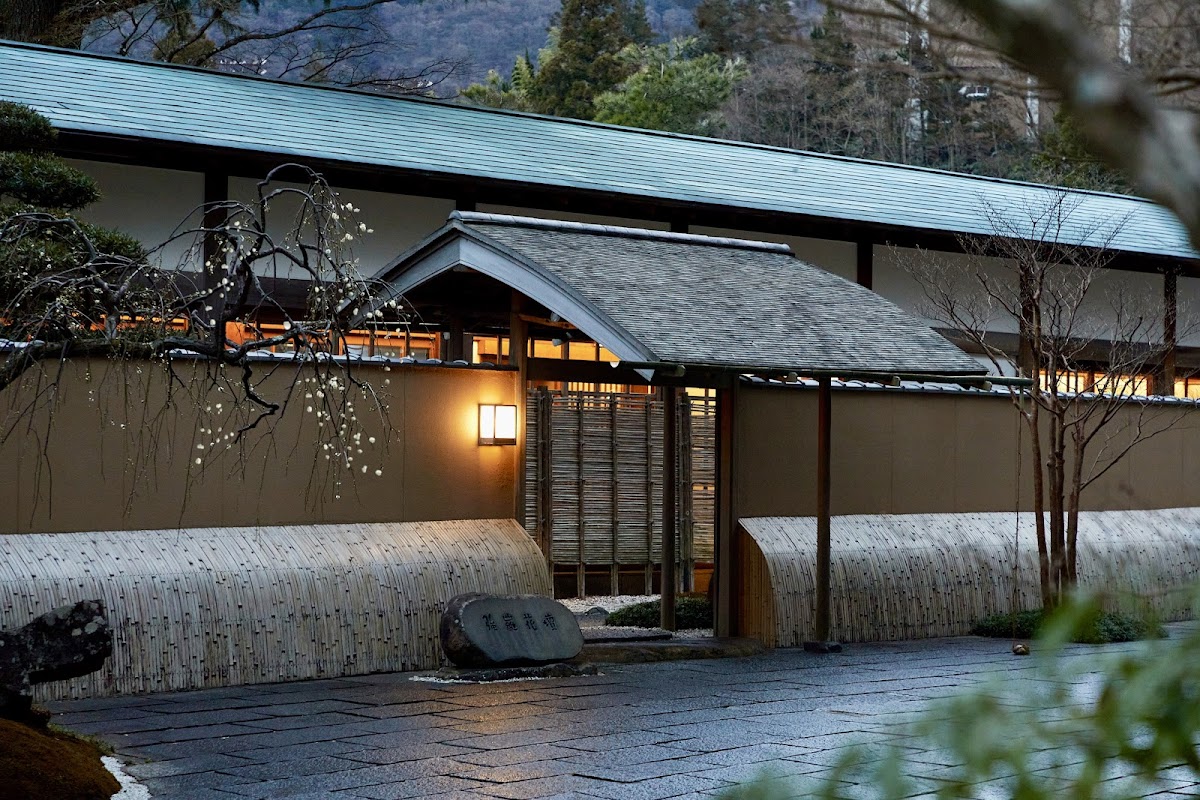
Former imperial summer retreat, now the standard-bearer for luxury ryokan near Tokyo. Multiple hot spring sources, meticulously crafted kaiseki, and the refined atmosphere of a property that once hosted royalty. Only 1.5 hours from Tokyo.
Private open-air onsen in every room with mountain forest views. One of Hakone's highest-rated properties. The intimacy and privacy make it ideal for couples or travelers who prefer not to use communal baths.
Riverside ryokan in Hakone's historic Tonosawa district. Exceptional hospitality and a serene setting along the mountain river. The 4.7-star rating reflects consistently outstanding guest experiences.
In the often-overlooked onsen town of Yugawara between Hakone and Atami. Sekitei offers the quality of a top Hakone ryokan with fewer crowds and a more intimate atmosphere. The hot spring water has been prized since the Man'yoshu poetry anthology mentioned it 1,300 years ago.
Mt. Fuji views from the onsen baths across Lake Kawaguchi. The visual combination of Japan's most iconic mountain with hot spring bathing is uniquely powerful. One of the highest-rated ryokan in the Fuji area.
In the atmospheric Shima Onsen town with its striking cobalt-blue spring water. The retro mountain-town atmosphere and exceptional mineral water make this a destination for onsen purists. Said to have inspired Spirited Away's bathhouse.
Private onsen in every room overlooking the Tonegawa River gorge. The dramatic canyon setting provides scenery that rivals any ryokan in the country. Minakami is also an adventure sports hub, adding a dimension beyond the typical ryokan experience.
Chubu (Central Japan)
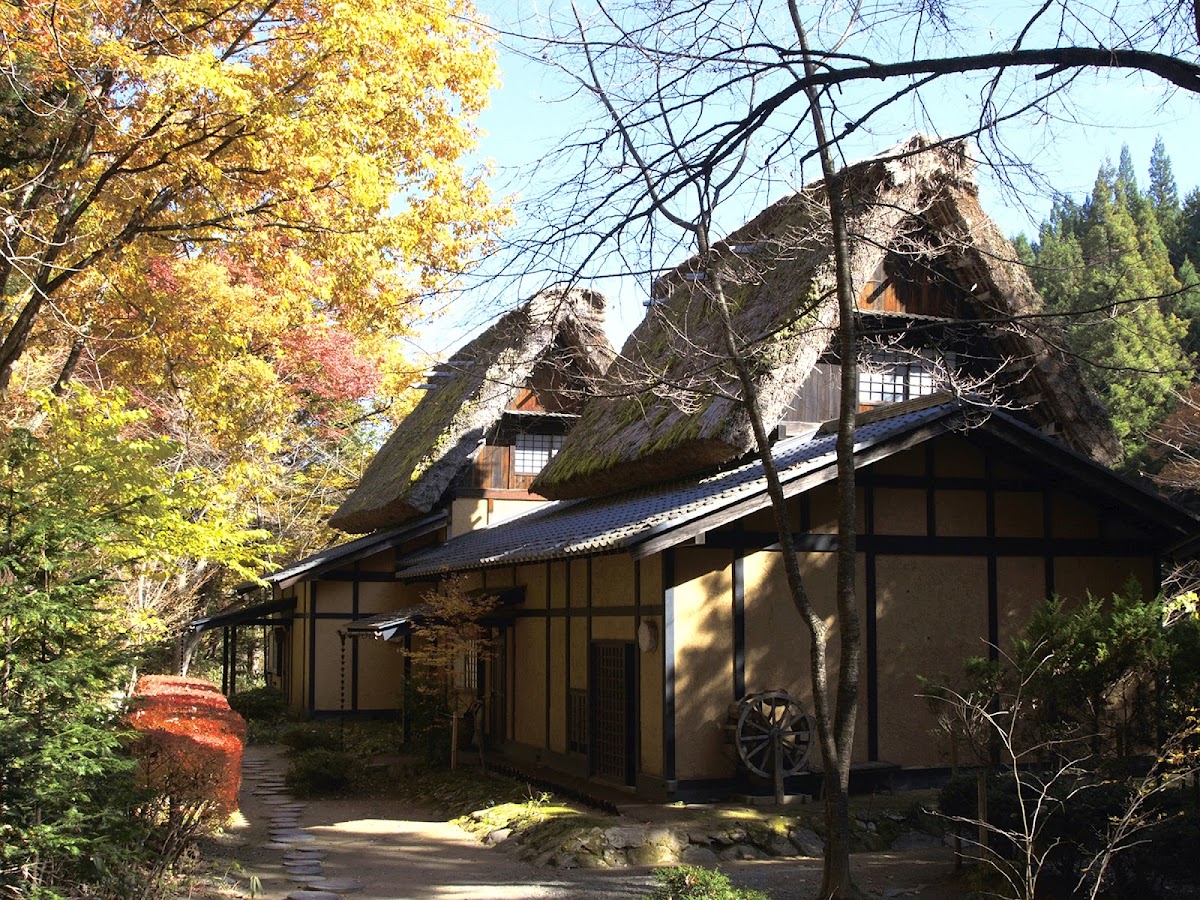
Relocated Hida mountain farmhouses serving as one of Japan's most atmospheric ryokan. Meals over an irori hearth using wild mountain ingredients. The isolation and authenticity are unmatched.
In the heart of Takayama's preserved Edo-period district. The kaiseki draws deeply on Hida's mountain food culture, and the morning market outside the door showcases regional ingredients daily.
A highly rated small ryokan in Takayama specializing in Hida beef and mountain cuisine. The intimate scale and exceptional food make it a favorite among repeat visitors to the Takayama area.
A registered cultural property in one of Nagano's oldest onsen towns. The building itself is a heritage treasure, and the onsen draws from ancient springs. Shinshu mountain cuisine at its finest.
Near the famous snow monkey park in Yudanaka. The ryokan combines traditional hot spring bathing with easy access to one of Japan's most unique wildlife experiences—macaques bathing in their own onsen.
Zen-influenced ryokan with private onsen near Eiheiji temple. The Fukui region's deep connection to Soto Zen Buddhism infuses the atmosphere. Exceptional crab cuisine in winter season.
Overnight stay in a UNESCO World Heritage gassho-zukuri farmhouse. The steep thatched roof, the hearth fire, and the mountain valley silence create one of Japan's most powerful cultural accommodation experiences.
Kansai (Kyoto, Osaka, Kii Peninsula)
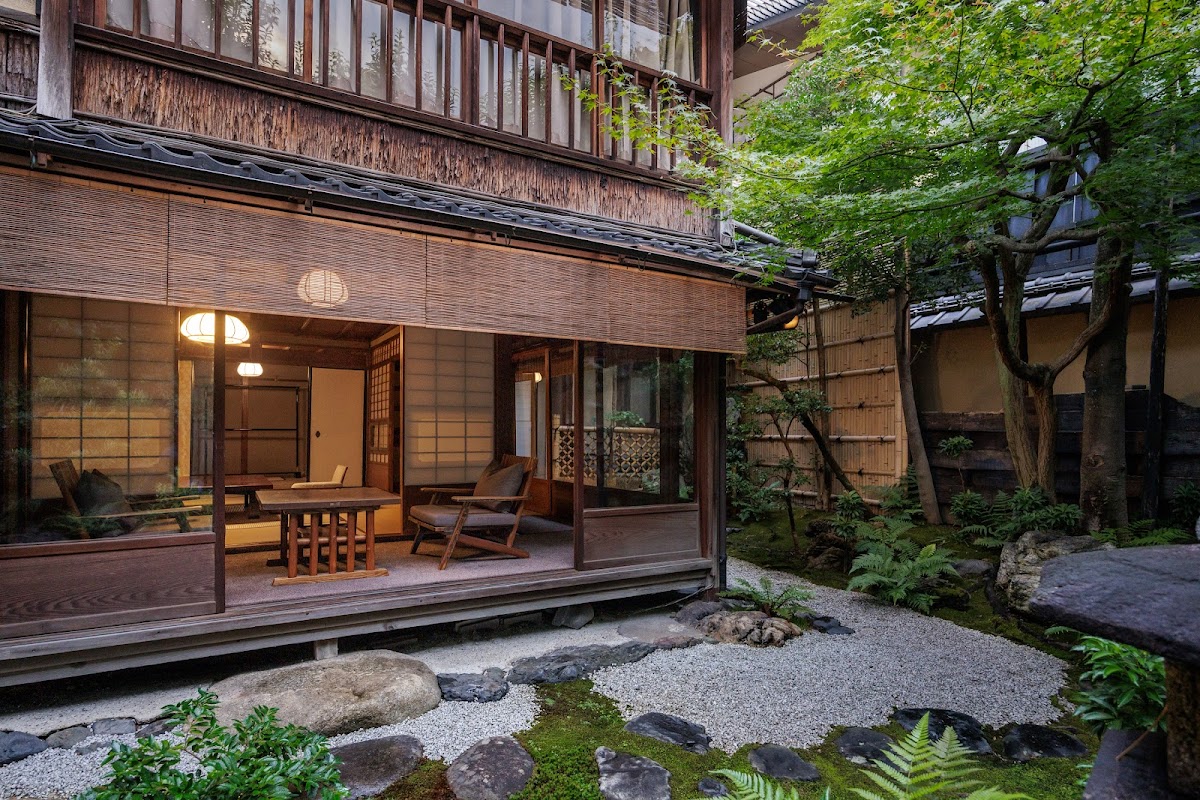
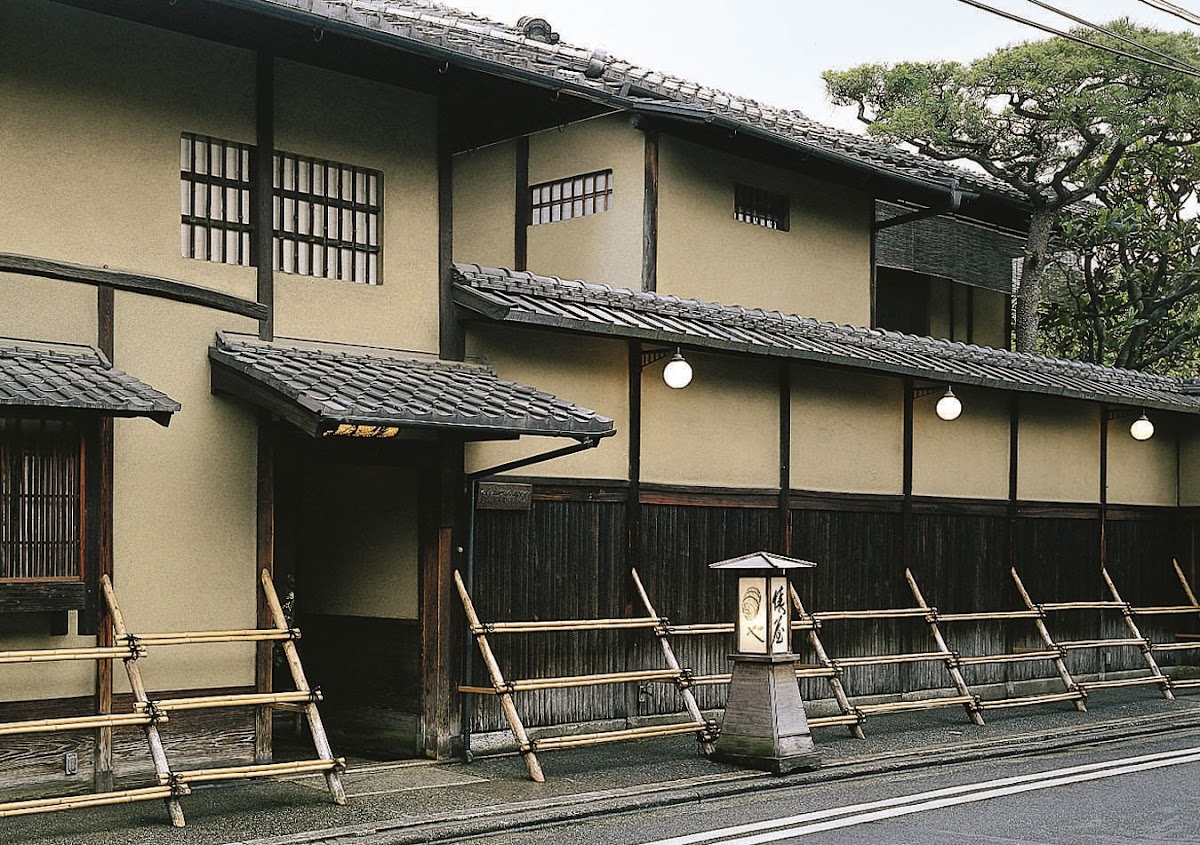
Operating since 1818 in central Kyoto, Hiiragiya defines Japanese hospitality refinement. Guests have included Charlie Chaplin, the Imperial family, and countless literary figures. Every detail—the garden, the lacquerware, the timing of service—reflects two centuries of accumulated knowledge about how to make a guest feel cared for.
Over 300 years of continuous operation. Tawaraya is widely considered one of the finest ryokan in the world. The architecture, gardens, and service represent the pinnacle of Kyoto's hospitality tradition. Steve Jobs was a regular guest.
The annex of Hiiragiya, offering a slightly more modern interpretation of the main property's legendary hospitality. Equally rated at 4.8 stars, with the same commitment to service excellence in a slightly different architectural setting.
A boutique ryokan in central Kyoto known for extraordinary kaiseki cuisine. The kitchen here is among the best in the city, and the intimate scale (just a few rooms) means personalized attention to every guest.
Restored machiya townhouses near the Imperial Palace with private onsen baths. A newer property that has quickly risen to the top of Kyoto's accommodation rankings. The private townhouse format provides a different Kyoto experience than traditional ryokan.
In the atmospheric Higashiyama district, near key temples and the Philosopher's Path. A contemplative property with garden views from tatami rooms and proximity to Kyoto's most important cultural sites.
Overlooking Amanohashidate, one of Japan's three most celebrated scenic views. The waterfront position and the pine-bar sandbar view from the rooms create a distinctive coastal ryokan experience in the Kyoto prefecture countryside.
Near Ise Grand Shrine, Japan's most sacred Shinto site. The auberge format combines French-influenced cuisine with Japanese ryokan hospitality, using Ise-Shima's exceptional seafood—Ise lobster, abalone, pearl oysters—as the foundation.
Island ryokan in Katsuura Bay with dramatic coastal onsen baths accessible only by boat. The isolation and the ocean-view hot springs make this one of the most scenically dramatic ryokan stays in Japan. Private onsen available.
San'in and Shikoku
The grand dame of Kinosaki, one of Japan's most atmospheric onsen towns. The town's seven public bathhouses are connected by willow-lined streets where guests stroll in yukata. Nishimuraya has been the town's premier ryokan for over 150 years.
Another excellent Kinosaki ryokan, known for matsuba crab in winter season—some of the finest crab cuisine in Japan. The combination of onsen town atmosphere, exceptional seafood, and traditional hospitality makes Kinosaki a destination in its own right.
A dispersed hotel in a former castle town, with guest rooms in restored merchant houses and samurai residences throughout the community. The concept turns an entire town into your accommodation. Black-bean cuisine and botan nabe (wild boar hotpot) are local specialties.
In the ancient Tamatsukuri Onsen, mentioned in Japan's oldest texts. Private onsen baths and exceptional San'in seafood. The Shimane region is one of Japan's least-visited but most culturally rich areas.
Near Izumo Taisha, one of Japan's oldest shrines. The ryokan's spiritual atmosphere reflects the mythological weight of the Izumo region. Onsen bathing in this landscape feels charged with ancient significance.
In Japan's oldest hot spring town, with a 3,000-year bathing history. The iconic Dogo Onsen Honkan bathhouse (inspiration for Spirited Away) is steps away. Funaya offers premium ryokan hospitality in this legendary setting.
On Naoshima, the art island, combining ryokan hospitality with access to the Benesse Art Site, Chichu Art Museum, and island-wide art installations. Private onsen baths and a unique intersection of traditional hospitality and contemporary art.
Chugoku
On sacred Miyajima island, in the maple-forested park behind Itsukushima Shrine. Operating since 1854, Iwaso provides the rare experience of sleeping on the island after the day-trippers depart—seeing the floating torii gate at night, with deer wandering the empty shrine grounds.
Another excellent Miyajima ryokan, rated 4.7. The storehouse (kura) architecture and attention to detail have earned it a devoted following. Miyajima's oyster cuisine in winter is exceptional.
A magnificently restored merchant villa on the Shimanami Kaido cycling route. The renovation by Nigo and architect Shigenori Uoya preserved the original grandeur while creating an intimate ryokan. Cycling the Shimanami Kaido to this door is one of Japan's great travel combinations.
In the revitalized Nagato Yumoto onsen town, redesigned by star architect Kengo Kuma. The entire town is being reimagined as a model onsen destination, and Bettei Otozure leads the charge with refined design, excellent baths, and innovative kaiseki.
Kyushu
The most celebrated ryokan in Yufuin, Kyushu's most popular onsen town. Separate cottage-style rooms surrounded by a meticulously maintained garden create an intimate village atmosphere. The kaiseki cuisine is extraordinary, featuring Oita's rich local ingredients.
A bamboo-forest ryokan in the volcanic Waita onsen area. The architecture uses bamboo extensively, and the onsen draws from powerful geothermal sources. The remote mountain setting and distinctive material palette make Takefue unlike any other ryokan in Japan.
Private onsen in every room in the mountain village of Kurokawa. The town's winding paths, outdoor onsen hopping, and mountain forest setting create one of Japan's most atmospheric onsen village experiences.
Another Kurokawa gem, known for its intimate atmosphere and connection to the surrounding agricultural landscape. The food reflects Aso volcanic grassland farming traditions.
Sustainability-focused ryokan in volcanic Kagoshima. The geothermal energy of the region powers the bathing experience, and the surrounding forest and river ecosystem is actively protected. Green credentials without compromising luxury.
In the samurai district of Chiran, with views of the Satsuma landscape. The samurai gardens of Chiran are a national treasure, and the ryokan's setting among these historic residences provides deep cultural context.
One of the highest-rated ryokan in all of Japan at 4.8 stars. In the historic Takeo Onsen town, which has been used for bathing for 1,300 years. The combination of historic atmosphere, excellent onsen, and outstanding hospitality has earned a devoted following.
Coastal ryokan in the pottery town of Karatsu, where the kaiseki is served on locally crafted Karatsu-ware ceramics. The food-vessel connection here is unique—the plates are as important as what is on them. Sea of Japan seafood is the kitchen's foundation.
In the mountain onsen town of Yunoyama near the dramatic Gozaisho peak. The ryokan's mountain setting provides access to ropeway-assisted hiking with spectacular views, and the onsen water is known for its beneficial mineral content. A hidden gem that few international visitors discover.
How to Choose Your Ryokan
By Priority
- Best kaiseki cuisine: Hiiragiya (Kyoto), Kanamean Nishitomiya (Kyoto), Sansou Murata (Yufuin)
- Best onsen baths: Zaborin (Niseko), Tsurunoyu (Akita), Hoshi Onsen Chojukan (Gunma)
- Best for couples: Gora Hanaougi (Hakone), Nazuna Kyoto Gosho (Kyoto), Oyado Nonohana (Kurokawa)
- Best cultural immersion: Wanosato (Takayama), Gassho-zukuri no Sato (Gokayama), Iwaso (Miyajima)
- Best value: Shima Onsen Kashiwaya (Gunma), Daikokuya (Tochigi), Nakamura-ya (Nagano)
- Easiest from Tokyo: Gora Kadan, Gora Hanaougi, Fufu Atami
First Ryokan Stay Tips
- Book with meals included. The kaiseki dinner is often the highlight. Room-only rates miss the point.
- Arrive by 3-4 PM. The ryokan rhythm assumes early arrival: bath, then dinner at 6-7 PM, then sleep. Arriving late compresses the experience.
- Wear the yukata. Change into the provided robe at check-in and wear it for the duration of your stay, including to dinner and the bath.
- Bathe before dinner. The pre-dinner onsen soak sets the tone for the evening meal. Bathe again in the morning before breakfast.
- One night is enough, two is better. A single night delivers the core experience. Two nights allow you to fully relax into the rhythm.
Frequently Asked Questions
Top-rated include Hiiragiya in Kyoto (4.8 stars, since 1818), Zaborin in Hokkaido (private onsen in every room), and Wanosato in Gifu (4.7, mountain farmhouse). The best choice depends on your priorities—cuisine, onsen, architecture, or atmosphere.
Top ryokan cost $300-1,500+ per person per night, typically including kaiseki dinner and breakfast. Mid-range quality ryokan cost $150-300. The price includes meals, bathing, yukata, and service.
Tatami room, futon bedding, kaiseki dinner, Japanese breakfast, onsen or bathing facilities, yukata robe, tea and sweets on arrival, and personal service. Premium ryokan add private onsen, enhanced kaiseki, and additional amenities.
Kyoto leads for refinement (Hiiragiya, Tawaraya), Hakone for Tokyo access (Gora Kadan), Gifu for mountain atmosphere (Wanosato), and Kyushu for hidden onsen gems (Takefue, Sansou Murata).
A ryokan is worth at least one night for the cultural immersion, kaiseki, and onsen experience. Split your trip: ryokan for memorable nights, hotels for flexibility. Many travelers find one or two ryokan nights to be the highlight of their Japan trip.
For more detailed guides by area, see best ryokan in Hakone, ryokan near Tokyo, and ryokan with private onsen. For onsen knowledge, read our onsen ryokan guide and onsen near Tokyo guide. Or browse all properties on our map.