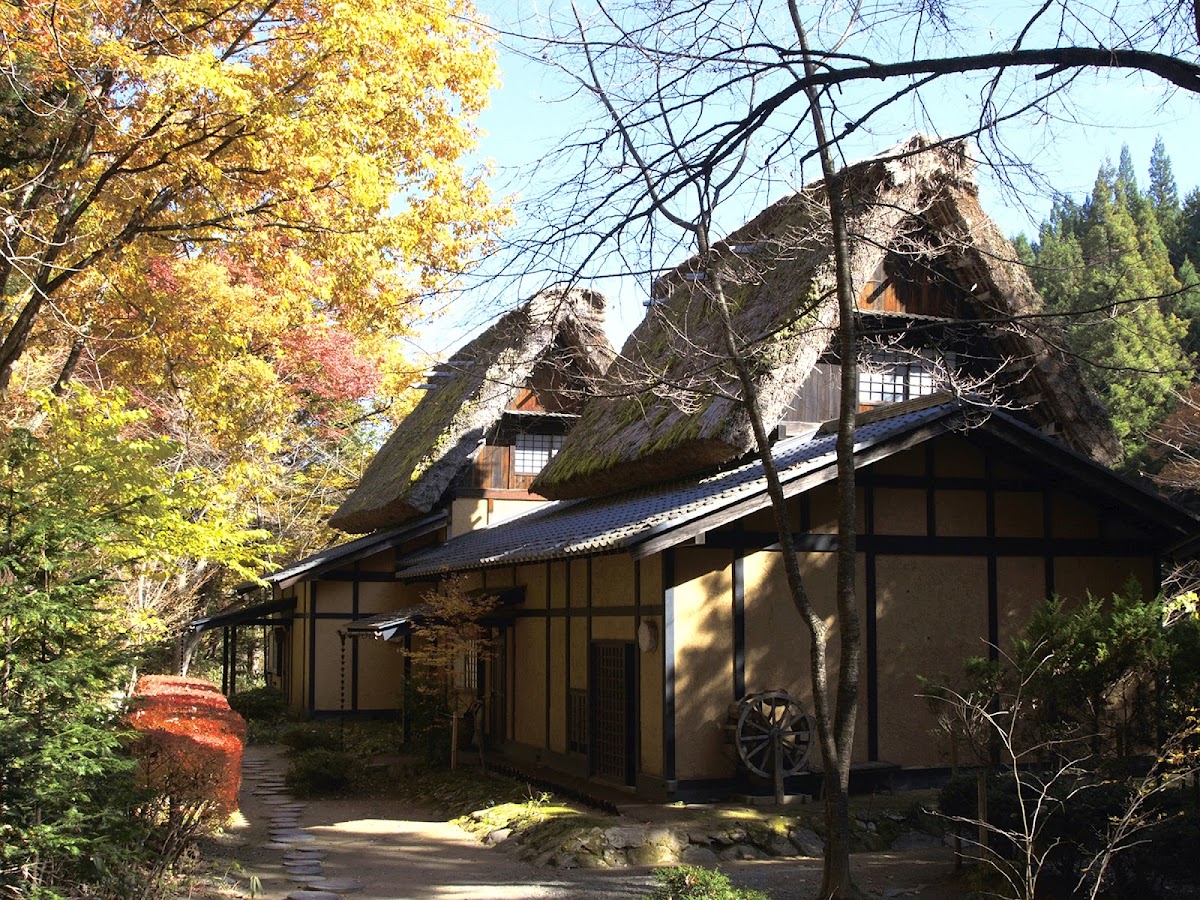
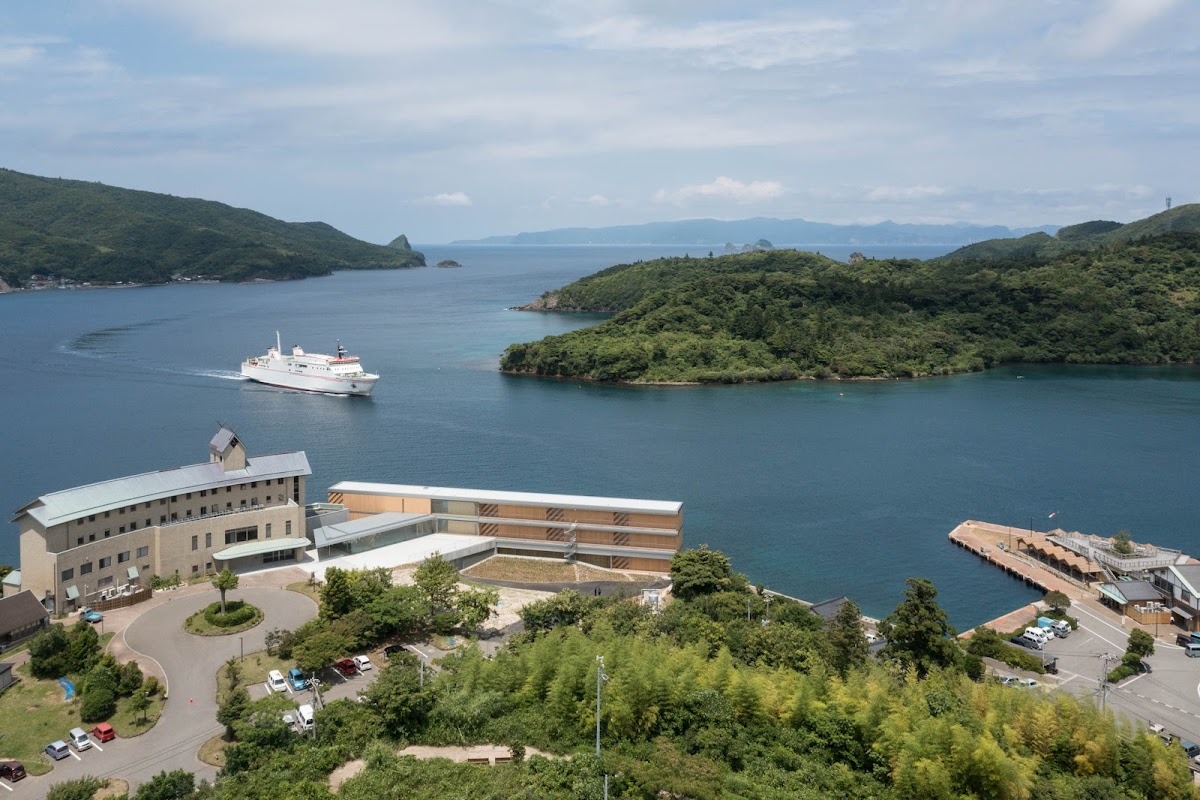
Some of Japan's most extraordinary nature stays are in places trains do not reach. A ryokan at the end of a mountain road in Iya Valley. A forest onsen in the Tohoku backcountry. A coastal retreat on a remote island. For these destinations, renting a car opens up a Japan that most tourists never see, and the driving itself becomes part of the experience: winding through cedar forests, crossing mountain passes, stopping at roadside onsen and unmanned vegetable stands.
Before You Go: License Requirements
Japan requires foreign drivers to have either:
- An International Driving Permit (IDP): Based on the 1949 Geneva Convention. Available from your home country's automobile association (AAA in the US, AA in the UK, CAA in Canada). Must be obtained before you leave for Japan. Valid for one year. Costs $15-30.
- A Japanese translation of your license: Available for citizens of countries with bilateral agreements (France, Germany, Belgium, Switzerland, Italy, and others). Obtained from JAF (Japan Automobile Federation) offices in Japan.
Important: You must carry both your IDP and your original home country license. The IDP alone is not valid. Japan does not accept licenses from countries that signed only the 1968 Vienna Convention, so check your eligibility before planning a driving itinerary.
Renting the Car: Practical Steps
Major Rental Companies
- Toyota Rent a Car: Largest network, reliable vehicles, good English support
- Times Car Rental: Competitive prices, many station-adjacent locations
- Nippon Rent-A-Car: Wide network, multiple vehicle types
- Budget/Orix: International brands with Japan locations
- ToCoo!: Aggregator popular with international travelers, English-language booking
Vehicle Types
- Kei car (660cc): Smallest and cheapest. Fine for solo or couple travel on rural roads. Tight on mountain highways.
- Compact (1000-1500cc): Best value for most trips. Enough power for mountain roads, fits in narrow rural streets.
- SUV/4WD: Recommended for winter driving in snow country (Tohoku, Hokkaido, Japanese Alps). Essential if visiting remote mountain areas in winter.
Insurance
Basic insurance (CDW - Collision Damage Waiver) is included in most rental rates. We strongly recommend adding the NOC (Non-Operation Charge) waiver for an additional 1,000-2,000 yen per day. Without it, you may be charged 20,000-50,000 yen if the car is damaged and cannot be rented during repairs, even for minor scratches.
Driving in Japan: What to Know
Left-Side Driving
Japan drives on the left. The steering wheel is on the right side of the car. This is the biggest adjustment for visitors from right-driving countries. Tips: pay extra attention at intersections and when turning. The biggest mistake is drifting to the right on empty rural roads where there are no other cars to orient you.
Speed Limits and Traffic Rules
- Urban areas: 30-40 km/h
- Rural roads: 50-60 km/h
- Expressways: 80-100 km/h (some sections allow 120 km/h)
- Zero alcohol tolerance: Any amount of alcohol is illegal while driving
- Seat belts: Required for all passengers, front and back
- Phones: Handheld use is illegal; hands-free is permitted
Navigation
Rental cars include GPS navigation with English-language options. The most reliable way to input a destination: use the phone number of your ryokan. Japanese car GPS systems can search by phone number and will route you directly. Alternatively, use the mapcode (a numerical code for Japanese GPS). Google Maps works well on your smartphone as a backup.
Toll Roads
Japan's expressways are toll roads, and costs add up. The Tohoku Expressway Pass (TEP) and Hokkaido Expressway Pass (HEP) offer unlimited toll road use for fixed periods at a fraction of the regular cost. These are available to foreign visitors and can be arranged through the rental company. An ETC (electronic toll collection) card in the rental car automates payment.
Fuel
Gas stations (gasorin sutando) are common even in rural areas. Most offer both full-service (staff fills the tank) and self-service options. Regular gasoline is "regular" (レギュラー); premium is "high-oku" (ハイオク). Payment by credit card is widely accepted. As of 2026, expect to pay roughly 170-190 yen per liter.
Best Driving Routes for Nature Stays
Hokkaido Road Trip
Hokkaido is Japan's best driving destination. Wide roads, light traffic, dramatic landscapes, and distances that make a car essential. Pick up at New Chitose Airport and explore at will.
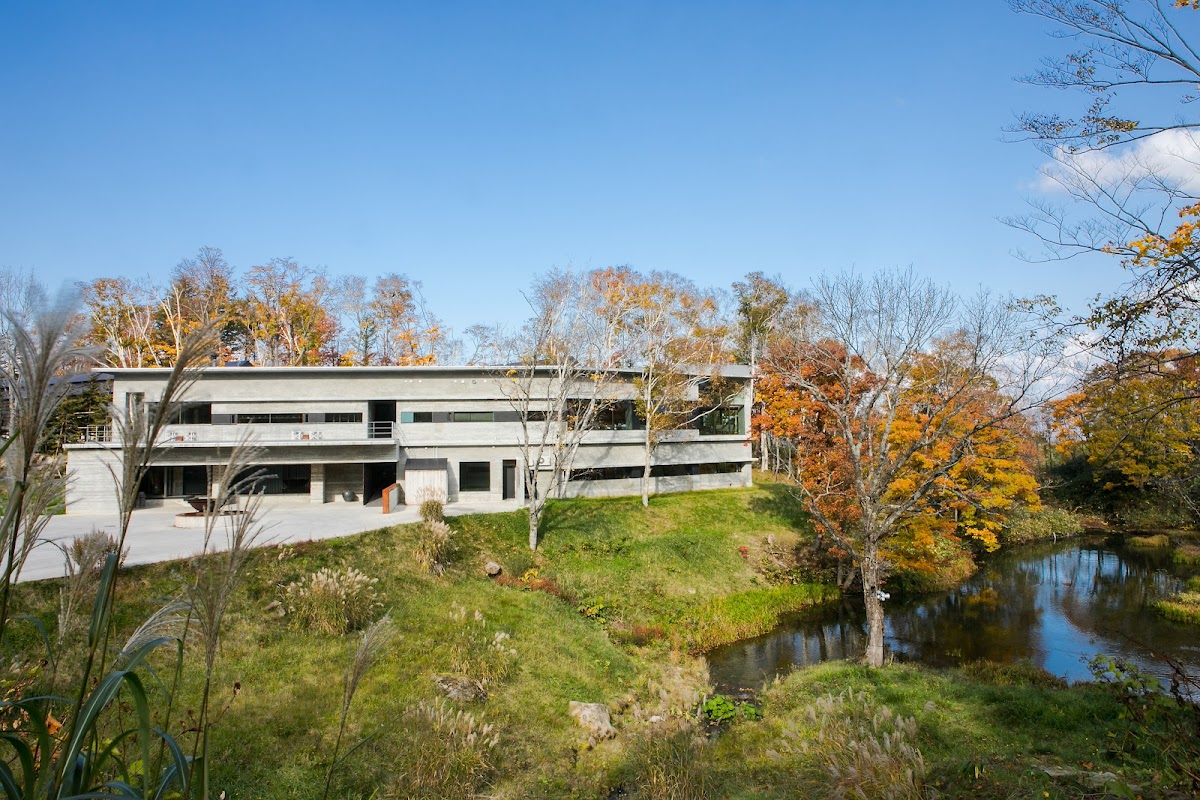
Suggested route: Chitose → Zaborin in Niseko (2h) → Otaru coast (1.5h) → Kitakobushi in Shiretoko (5h with stops) → Akan Tsuruga Besso Hinanoza (2.5h) → Return to Chitose.
Tohoku Onsen Road
Pick up at Morioka or Akita Station and access Tohoku's remote mountain onsen.
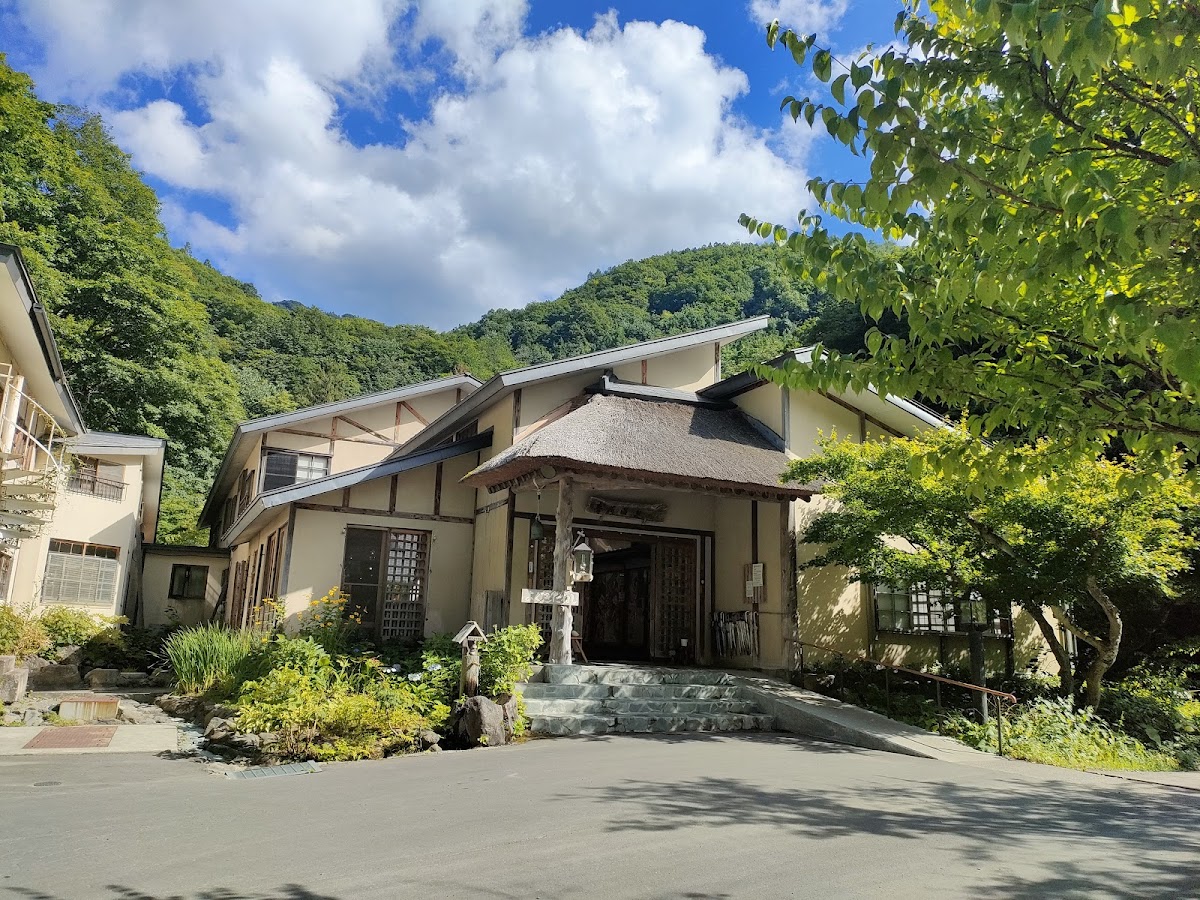
Suggested route: Morioka → Tsurunoyu Onsen in Nyuto (1.5h) → Aoni Onsen (3h) → Furofushi Onsen on the Sea of Japan coast (2h) → Return to Aomori.
Iya Valley and Shikoku Interior
Shikoku's mountainous interior is car-dependent territory with spectacular rewards.
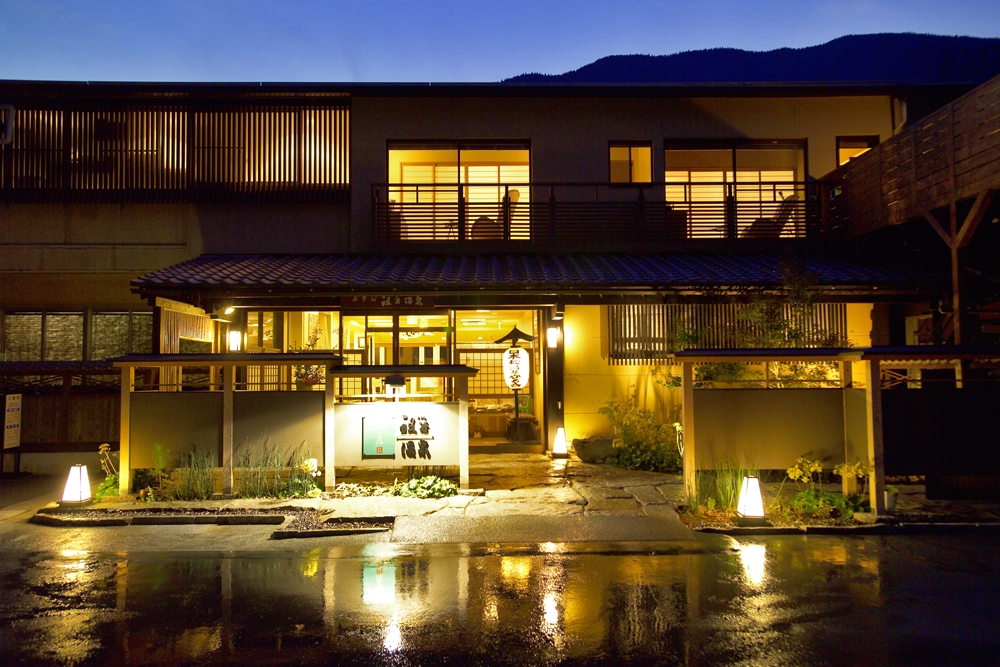
Suggested route: Tokushima or Takamatsu → Hotel Iya Onsen (2h from Tokushima) → vine bridges and gorges → Shimanto River area → return via coast.
Yakushima
The ancient cedar forests of this UNESCO island are best explored with a car. Rent at the port or airport. Roads circle the island (roughly 130km), with the interior accessible only on foot.
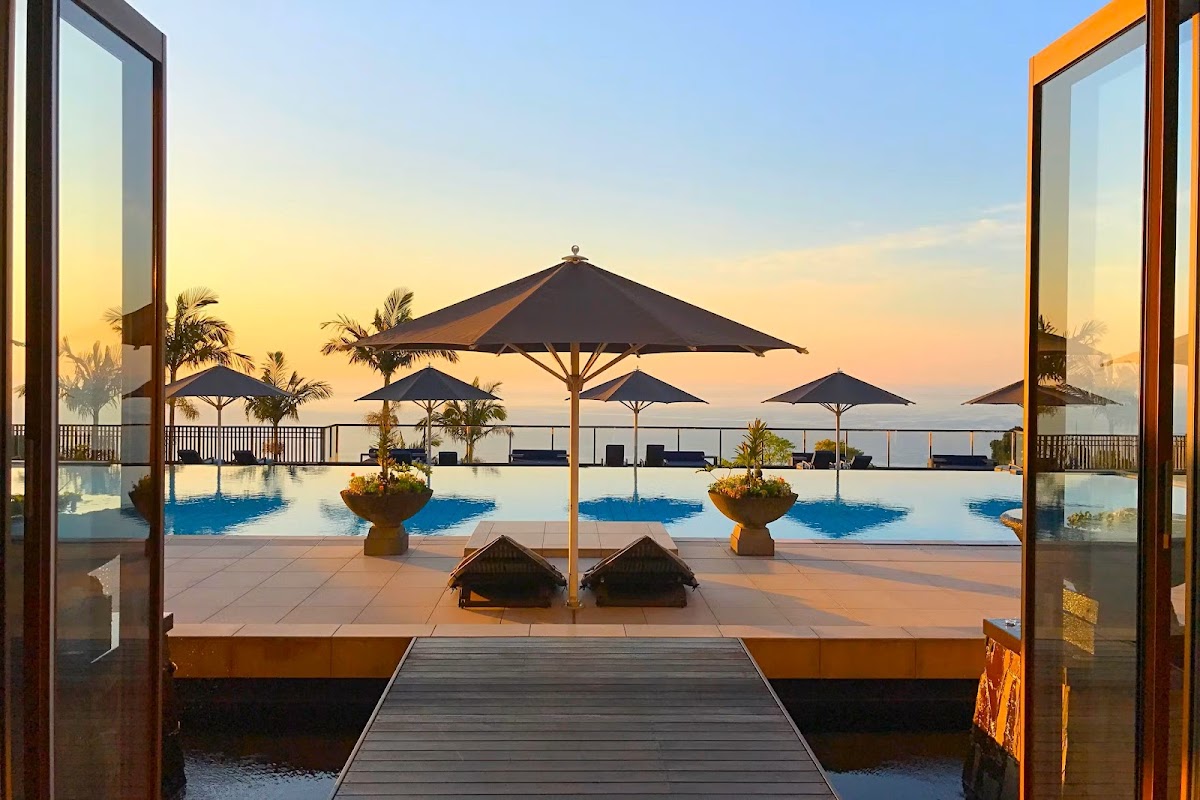
Base: Sankara Hotel & Spa Yakushima for luxury, or local guesthouses for a simpler experience.
Practical Tips
- Return with a full tank. Rental companies charge a premium for refueling. Fill up near the return location before drop-off.
- Watch for wildlife. Deer on rural roads, especially at dusk in mountain areas. Hokkaido also has foxes and occasionally bears near roadways.
- Park at your ryokan. Most rural ryokan include free parking. City and resort-area properties may charge 500-2,000 yen per night.
- Respect narrow roads. Mountain and village roads can be barely one lane wide. Pull into designated passing spots when meeting oncoming traffic. Bow or wave when the other driver yields.
- Convenience stores are your friend. 7-Eleven, Lawson, and FamilyMart are everywhere in rural Japan. They sell snacks, hot meals, coffee, toiletries, and have clean restrooms and ATMs.
Frequently Asked Questions
Yes, most foreign visitors need an IDP based on the 1949 Geneva Convention. Obtain it before traveling. Some countries have bilateral agreements allowing a Japanese translation instead.
Generally easy and pleasant. Roads are well-maintained, signage includes English, and traffic is light. Main adjustments: left-side driving, narrow mountain roads, and toll road systems. GPS with English is standard.
Compact cars from 5,000-7,000 yen/day. Add 1,000-2,000 yen for insurance. Tolls vary; expressway passes offer good value. Gas is roughly 170-190 yen/liter.
Trains for major destinations and long distances. Cars for remote onsen, island exploration, and multi-stop countryside routes. Many travelers combine both.
For rail-based travel, see our Japan Rail Pass guide. Plan your timing with best time to visit Japan for nature. Explore remote destinations: island hopping and snow country Japan. Browse all properties on our map.