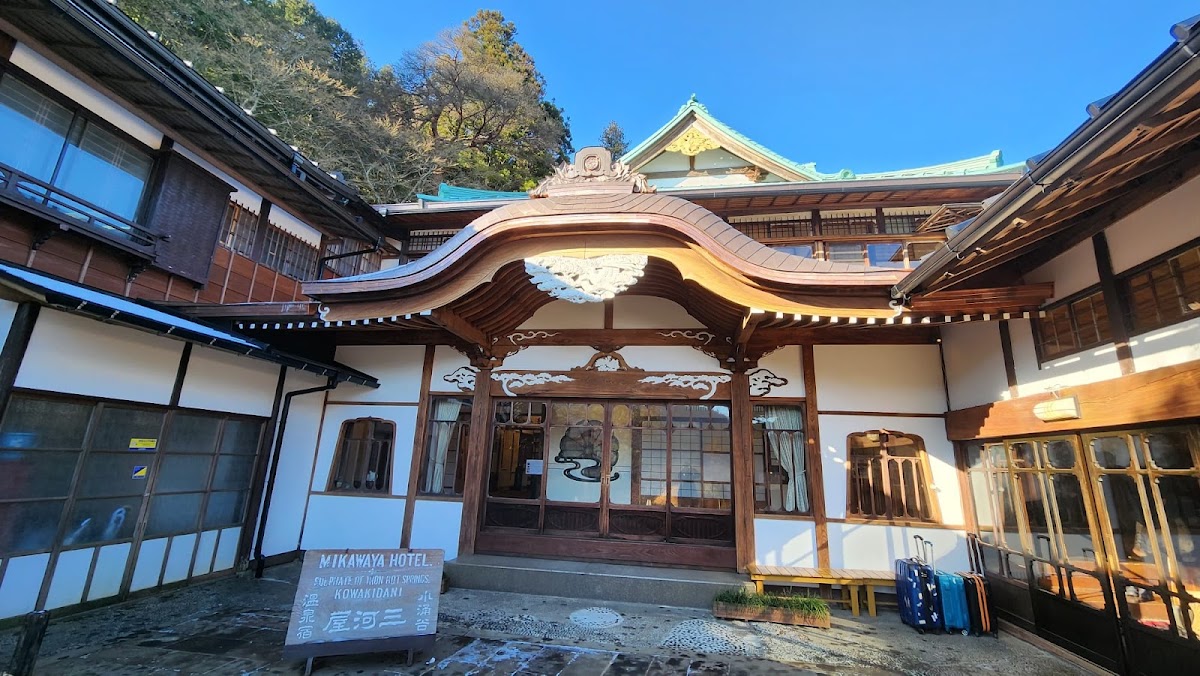
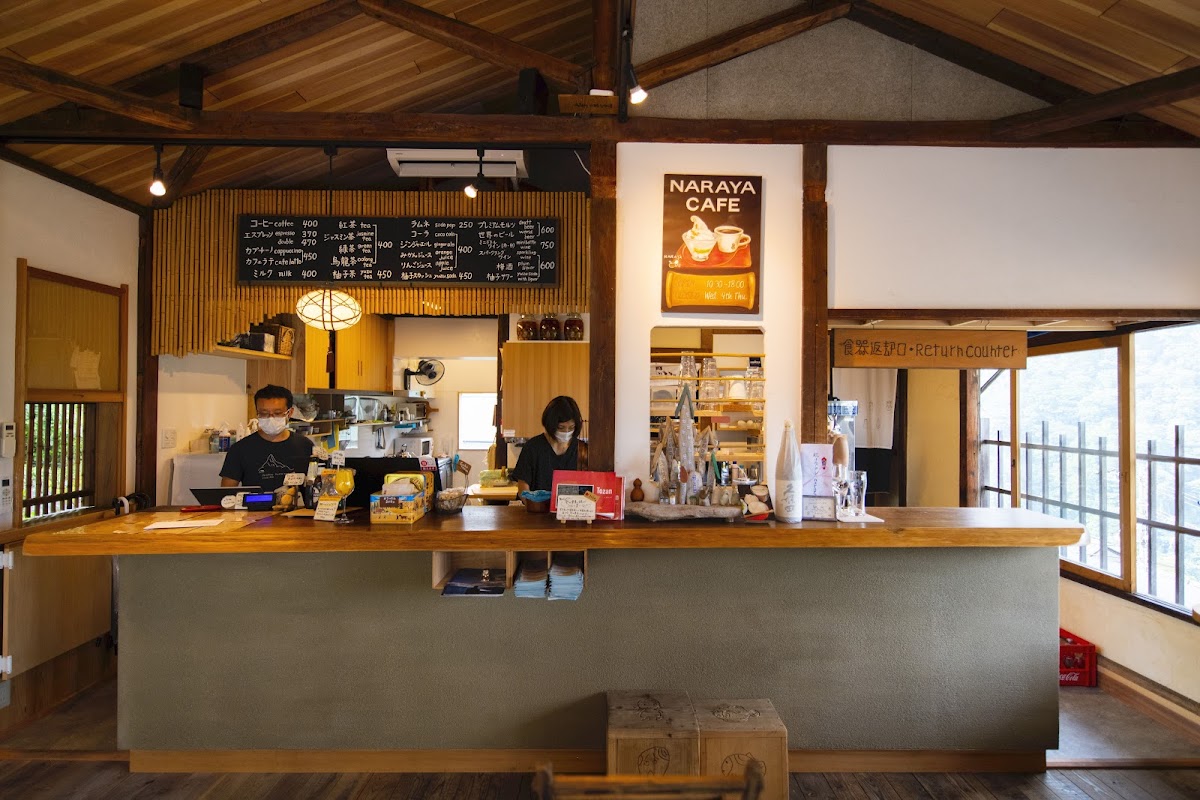
Hakone is Tokyo's nearest mountain onsen resort, and during cherry blossom season it offers something that the capital cannot: sakura combined with hot spring bathing, mountain scenery, and the quiet of a traditional ryokan. Because Hakone sits at varying elevations — from 100 meters at Hakone-Yumoto to over 800 meters at Lake Ashi — cherry blossoms arrive at different times across the region, creating an extended season that can last three weeks from late March through mid-April.
For travelers who find Tokyo and Kyoto's cherry blossom crowds overwhelming, Hakone provides an alternative: the same blossoms, but viewed from an outdoor onsen or a ryokan garden rather than a packed park.
Cherry Blossom Timing in Hakone
Hakone's elevation gradient creates a natural sakura calendar:
- Late March - Early April: Hakone-Yumoto and Tonosawa (lowest elevation). Blooms roughly a few days after Tokyo.
- Early - Mid April: Miyanoshita, Gora, and Kowakidani. The core ryokan zone.
- Mid - Late April: Sengokuhara plateau, Lake Ashi shoreline, and Kojiri. The last blossoms in the region.
Strategy: If you are visiting in late March, stay in lower Hakone (Yumoto/Tonosawa). For early-to-mid April, Gora offers the best combination of peak bloom and ryokan density. For late April, the highlands provide a final sakura opportunity after the rest of the Kanto region has finished.
Gora & Highland Hakone
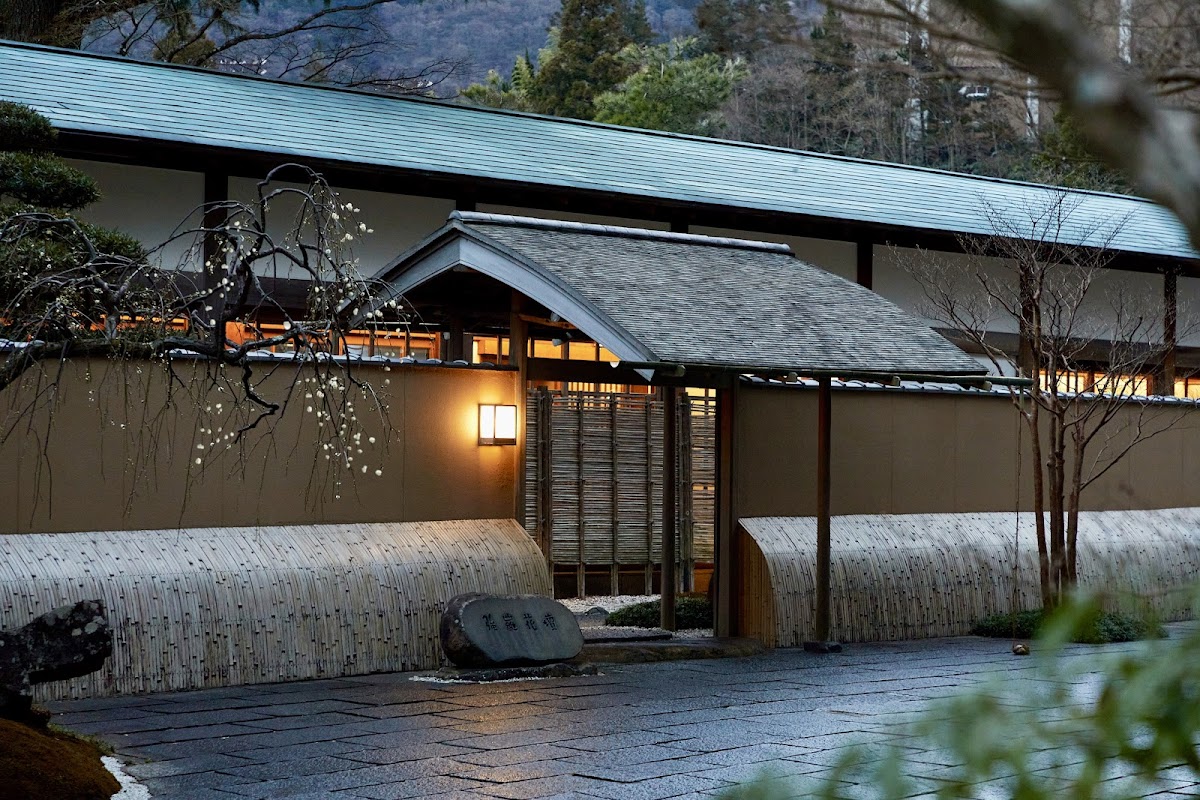
Former imperial summer retreat with a historic garden featuring cherry trees, camellias, and azaleas in sequence through spring. The kaiseki menu shifts to celebrate spring with sakura-pickled ingredients, young bamboo, and mountain vegetables. The garden's cherry trees are particularly well-maintained, and viewing from the private onsen villas during early April is a defining Hakone experience.
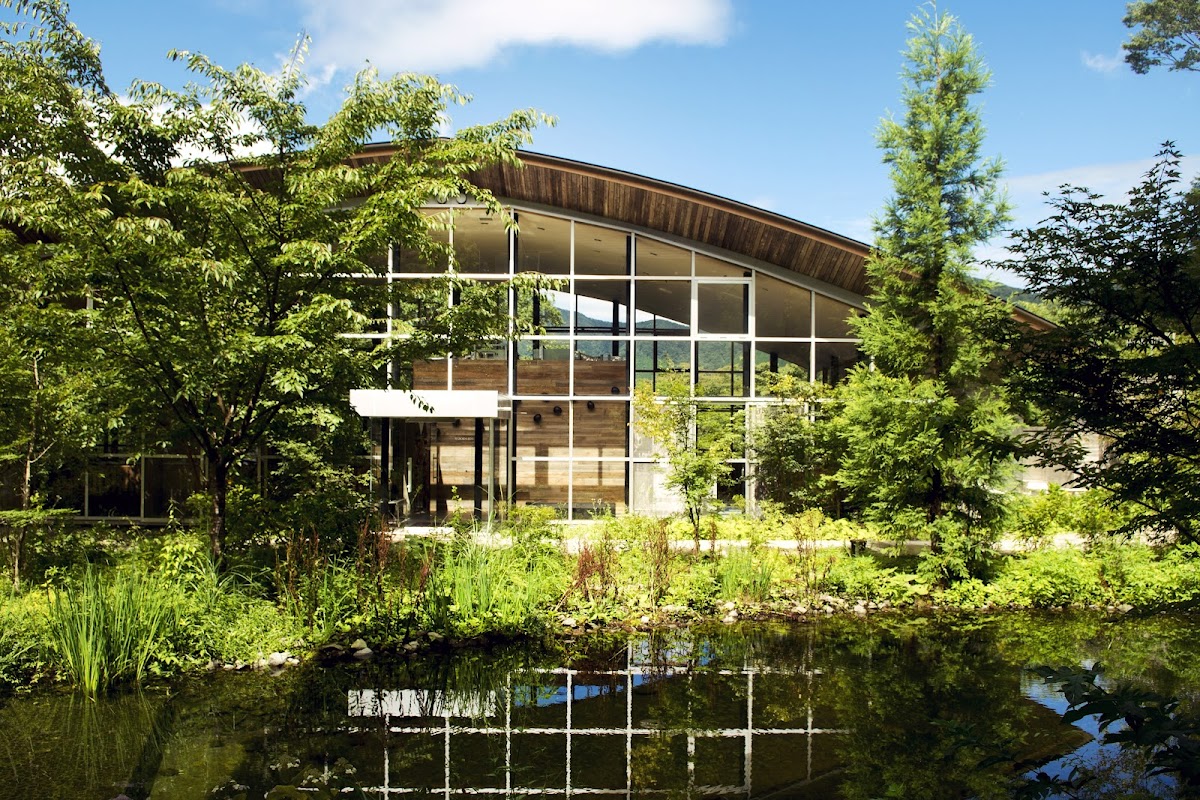
Modern mountain ryokan with traditional kaiseki dining. Set in the forested hills above Gora, the property's surrounding deciduous forest bursts with spring green as cherry blossoms scatter their petals. The combination of fresh mountain air, hot spring baths, and spring scenery makes Fufu an atmospheric choice for early April.
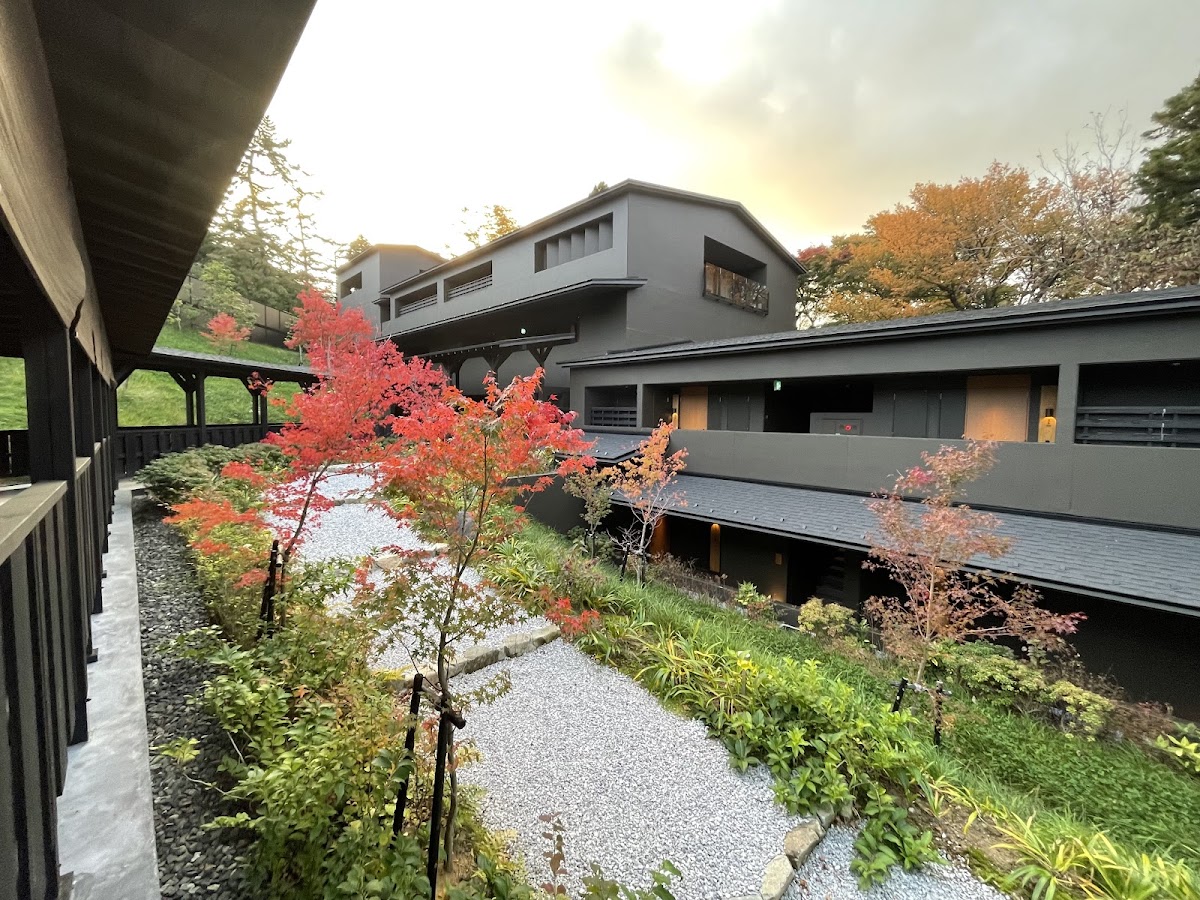
All-suite ryokan with private outdoor onsen in every room. The mountain setting means spring arrives with both cherry blossoms and the bright green of fresh leaves, visible from the in-room baths. Ideal for travelers who want complete privacy during sakura viewing — no shared spaces, no crowds.
Sengokuhara & Forest Hakone
Forest retreat on the Sengokuhara plateau with art installations and forest-walk onsen paths. Spring transforms the forest with cherry blossoms among the mixed woodland, and the outdoor bath experiences shift from winter starkness to spring color. The Pola Museum of Art nearby has its own cherry blossom garden. Sengokuhara's elevation means blossoms arrive in mid-April, after Gora's have peaked.
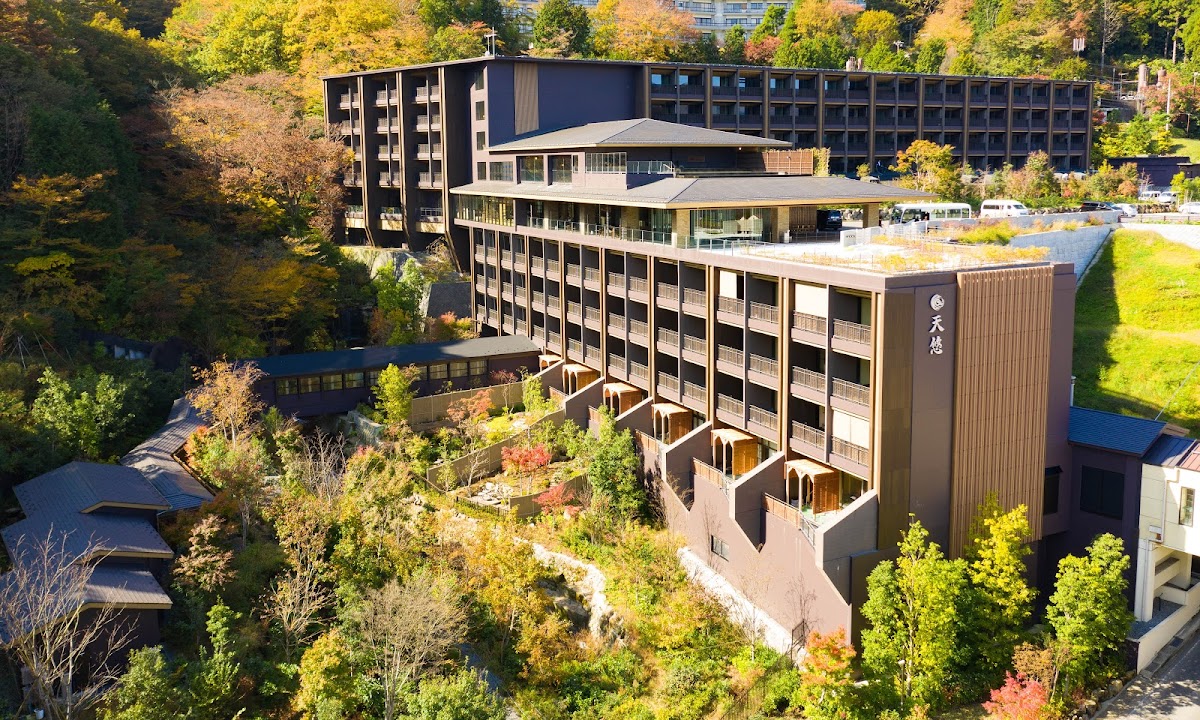
Modern onsen hotel with terraced private open-air baths on higher floors overlooking the Hakone mountains. During cherry blossom season, the mountainscape below the baths is dotted with pink, and the elevated perspective lets you see the entire mountain valley in bloom. The former Kowakien garden below the hotel features over 600 cherry trees.
Historic Hakone: Tonosawa & Miyanoshita
One of Hakone's oldest ryokan (founded 1614), set along the Hayakawa River in the Tonosawa gorge. Cherry trees line the river, and the gorge creates a natural frame for the blossoms. The lower elevation means Tonosawa is among the first Hakone areas to bloom, usually matching Tokyo's timing in late March to early April.
Historic mountain ryokan in Miyanoshita, a neighborhood popular with foreign visitors since the Meiji era. The surrounding hillsides bloom with cherry trees in early April, and the ryokan's elevated position provides views across the blossoming valley. The art collection inside complements the natural beauty outside.
Riverside ryokan with private onsen overlooking the Hayakawa River. The river valley in spring combines rushing water with cherry blossoms and fresh greenery — a sensory experience enhanced by the sound of the river from the outdoor bath.
Hakone Old Road & Mountain Path
A unique mountain stay along the historic Tokaido highway. The forested mountain setting offers wild cherry trees (yamazakura) that bloom later than cultivated varieties, providing an authentic mountain spring experience. The combination of historic road walking and mountain sakura feels like stepping back centuries.
Getting to Hakone for Cherry Blossom Season
From Tokyo (Shinjuku): Odakyu Romance Car express train to Hakone-Yumoto in 85 minutes. During sakura weekends, the Romance Car sells out — reserve seats in advance or take the regular Odakyu express (about 2 hours).
From Tokyo Station: Shinkansen to Odawara (35 minutes), then Hakone Tozan Railway to Hakone-Yumoto (15 minutes) or Gora (55 minutes).
From Kyoto/Osaka: Shinkansen to Odawara, then local transit into Hakone.
Within Hakone: The Hakone Tozan Railway climbs from Yumoto through Miyanoshita to Gora, with switchbacks that offer seasonal views. The Hakone Freepass covers most transport within the region. The Tozan Railway is itself a cherry blossom attraction — the train passes directly through blossoming trees on its mountain climb.
Booking Tips for Spring Hakone
- Book 3-6 months ahead: Hakone is Tokyo's primary weekend escape, and spring weekends sell out quickly. Gora Kadan and other top ryokan require earlier booking.
- Weekday advantage: A Tuesday or Wednesday night in Hakone during sakura season is a fundamentally different experience from Saturday — fewer visitors, lower prices, and a more contemplative atmosphere.
- Pricing: Top ryokan range ¥50,000-¥120,000 per person per night during spring. Prices typically include kaiseki dinner and breakfast. Mid-range hotels and newer properties offer ¥20,000-¥50,000 options.
- Day-trip alternative: If accommodation is fully booked, Hakone works as a day trip from Tokyo, but you lose the evening and morning hours when the blossoms are most beautiful and the crowds thinnest.
Spring Activities Beyond Sakura
- Hakone Open-Air Museum: Sculpture garden surrounded by spring greenery and blossoms. The combination of modern art and natural beauty is at its best in April.
- Lake Ashi sightseeing boats: Cherry trees along the lakeshore provide a different perspective on Hakone's spring. Clear spring days offer Mt. Fuji views across the lake.
- Hakone Botanical Garden: Early spring wildflowers and alpine plants complement the cherry blossoms.
- Odawara Castle: En route to Hakone, Odawara Castle's moat is lined with 300 cherry trees — a worthwhile stop before entering the mountains.
Frequently Asked Questions
Late March to late April depending on elevation. Lower areas (Yumoto, Tonosawa) bloom in late March to early April. Gora and the mid-mountain zone peak in early to mid-April. Highland areas (Sengokuhara, Lake Ashi) bloom mid to late April.
Yes. Gora Kadan, Hakone Kowakien Ten Yu, Gora Hanaougi, and Yoshimatsu all have outdoor baths with spring blossom views. The experience of soaking in hot spring water while cherry petals fall is distinctly Hakone.
For more Hakone recommendations, see our best ryokan in Hakone guide and autumn in Hakone. For other spring destinations, explore cherry blossoms in Kyoto and spring in Yoshino. Browse all seasonal stays on our spring page.