Mount Yoshino in Nara Prefecture is Japan's most famous cherry blossom site, and it is not close. While Kyoto and Tokyo have iconic sakura spots measured in hundreds of trees, Yoshino has approximately 30,000 cherry trees cascading down a mountain in four distinct zones. The sight of an entire mountainside in bloom — white and pink waves flowing down the slopes — is unlike any other sakura experience in Japan. The trees are predominantly Shiro-Yamazakura (white mountain cherry), a variety with a more subtle, ethereal beauty than the bold pink Somei Yoshino found in cities.
This guide covers accommodation on and near Mount Yoshino, as well as in nearby Nara city, which offers its own distinctive spring experience with deer wandering beneath cherry blossoms in the ancient capital's parks.
Yoshino Cherry Blossom Timing
Mount Yoshino's four zones bloom sequentially from bottom to top, creating an extended season:
- Shimo Senbon (Lower Thousand): Early April. The entrance area around Yoshino Station and the ropeway. Accessible and relatively crowded.
- Naka Senbon (Middle Thousand): Early to mid-April. The most famous viewing zone, with panoramic mountainside views from the Yoshimizu Shrine area. The classic "mountain of cherry blossoms" photographs are taken here.
- Kami Senbon (Upper Thousand): Mid to late April. More remote, with views down onto the lower zones in bloom. The temple Kinpusenji and surrounding area provide elevated perspectives.
- Oku Senbon (Inner Thousand): Late April. The most remote section, requiring a longer hike. Few visitors reach this level, and the mountain cherry trees here have a wild, untamed character.
Best strategy: Visit during the Naka Senbon peak (typically April 8-15) for the most spectacular views. Staying overnight on the mountain means experiencing dawn light on the blossoms and evening illumination — both far superior to the midday view that day-trippers see.
Staying on Mount Yoshino
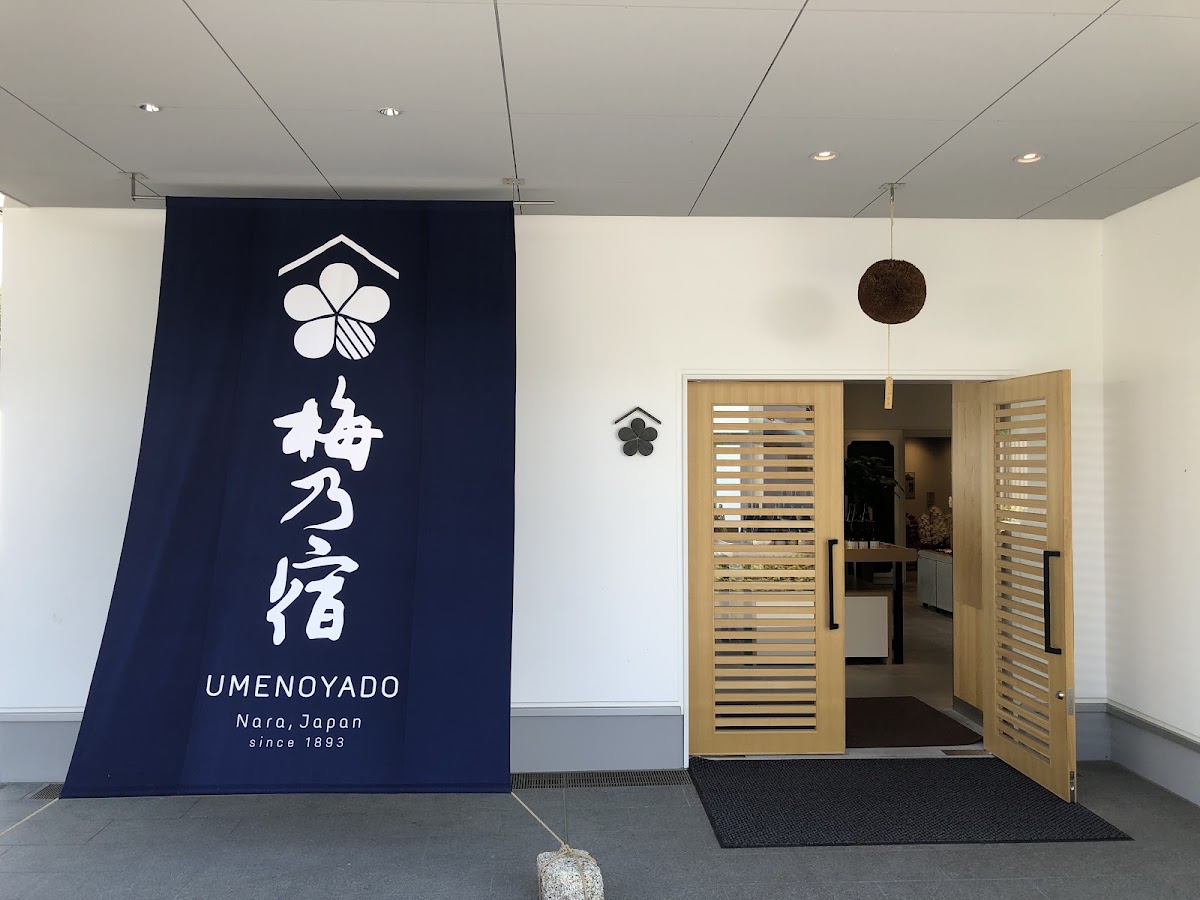
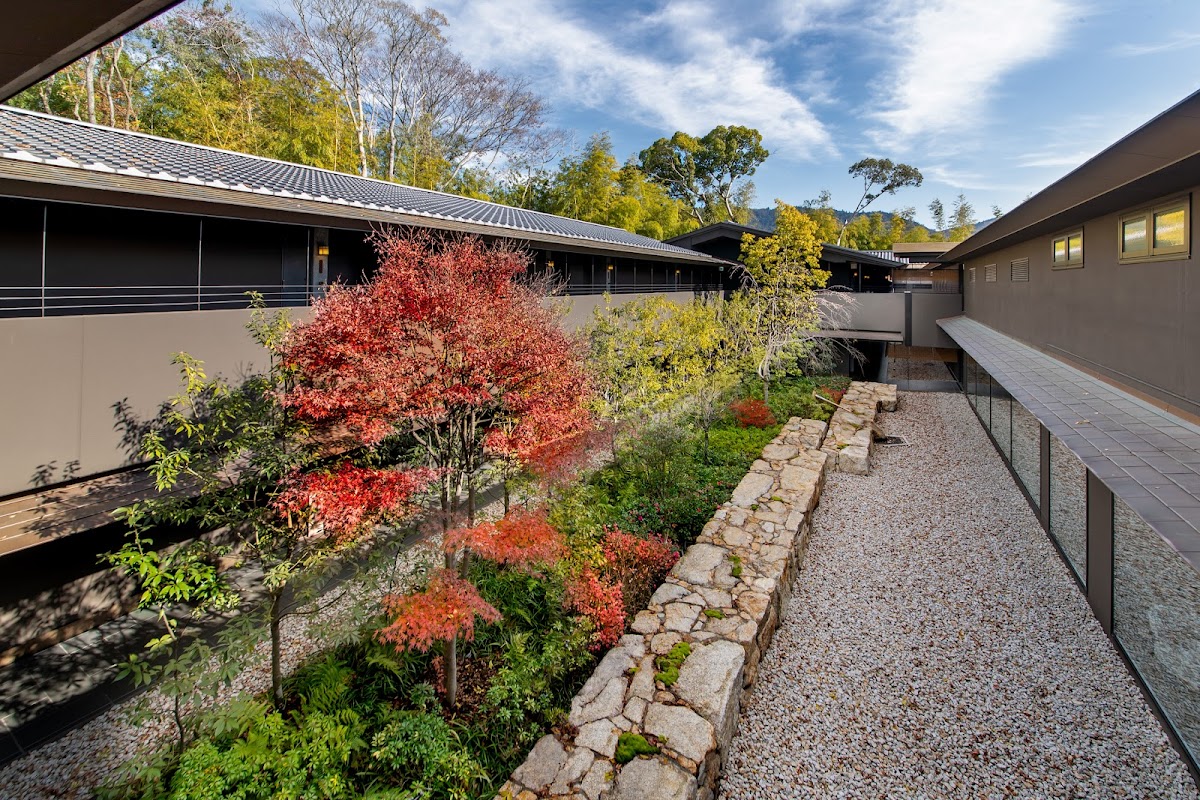
Traditional ryokan on Mount Yoshino with a UNESCO World Heritage mountain setting. While the name references plum blossoms (ume), the property is surrounded by Yoshino's legendary cherry trees. The mountain cherry varieties here produce an unexpected autumn-gold alongside the pink spring display. The kaiseki cuisine features local Yoshino specialties including kuzu (arrowroot) and mountain vegetables foraged from the surrounding forest.
Several temple lodgings (shukubo) on Mount Yoshino offer an alternative to ryokan. Temple stays include Buddhist vegetarian meals (shojin ryori) and early morning ceremonies, adding a spiritual dimension to the sakura experience. These are simpler accommodations but deeply atmospheric — waking to temple bells with cherry blossoms outside your window.
Nara City: Deer & Sakura
Nara offers a completely different spring experience from Yoshino. The 1,200 sacred deer that roam Nara Park wander beneath cherry trees in bloom, creating scenes that feel simultaneously ancient and otherworldly. Todai-ji temple, Kasuga Taisha shrine, and the surrounding parkland are blanketed in blossoms from late March through early April.
Set within Nara Park's forest, Fufu Nara offers a luxury retreat surrounded by ancient trees and sacred deer. During cherry blossom season, the park's cherry trees create a canopy over the hotel grounds, and deer graze beneath the blossoms. Morning walks in the park before tourists arrive from Osaka and Kyoto are the property's unique spring advantage.
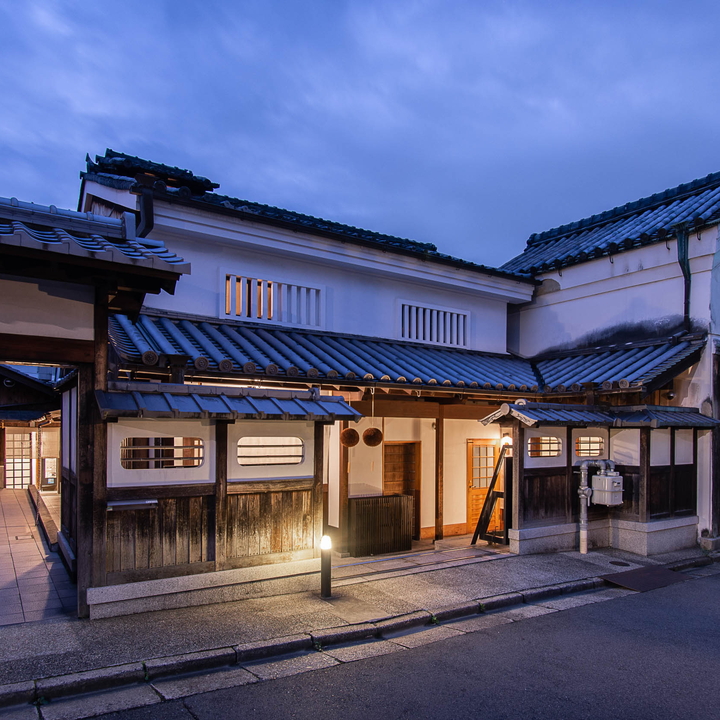
Restored historic townhouses in Nara's traditional merchant district. Naramachi's narrow streets and wooden machiya buildings provide an atmospheric base for exploring Nara Park's cherry blossoms on foot. The hotel is spread across multiple historic structures, each with its own character, and the district's traditional shops and cafes add depth to a spring visit.
Nearby: Koyasan Temple Stays
Mount Koya (Koyasan) in neighboring Wakayama Prefecture can be combined with a Yoshino-Nara spring trip. The mountain temple town sits at 800 meters elevation, and its cherry blossoms peak in late April — later than lowland Nara. The combination of ancient temple architecture, towering cedar forests, and scattered cherry blossoms creates a contemplative spring atmosphere.
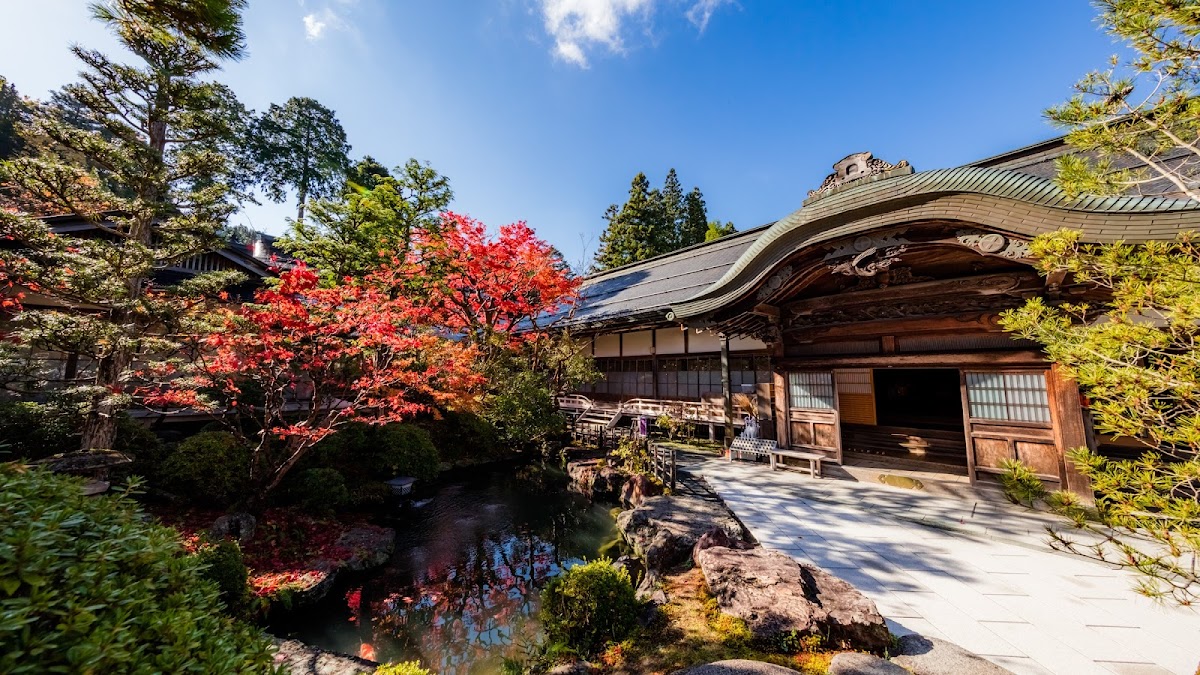
Temple lodging famous for its early morning fire ceremony (goma) and guided night walk through Okunoin cemetery. In spring, the temple grounds bloom with cherry trees among the ancient cedars, and the Buddhist vegetarian cuisine incorporates spring mountain vegetables and flowers. The experience of temple life during cherry blossom season is meditation made visible.
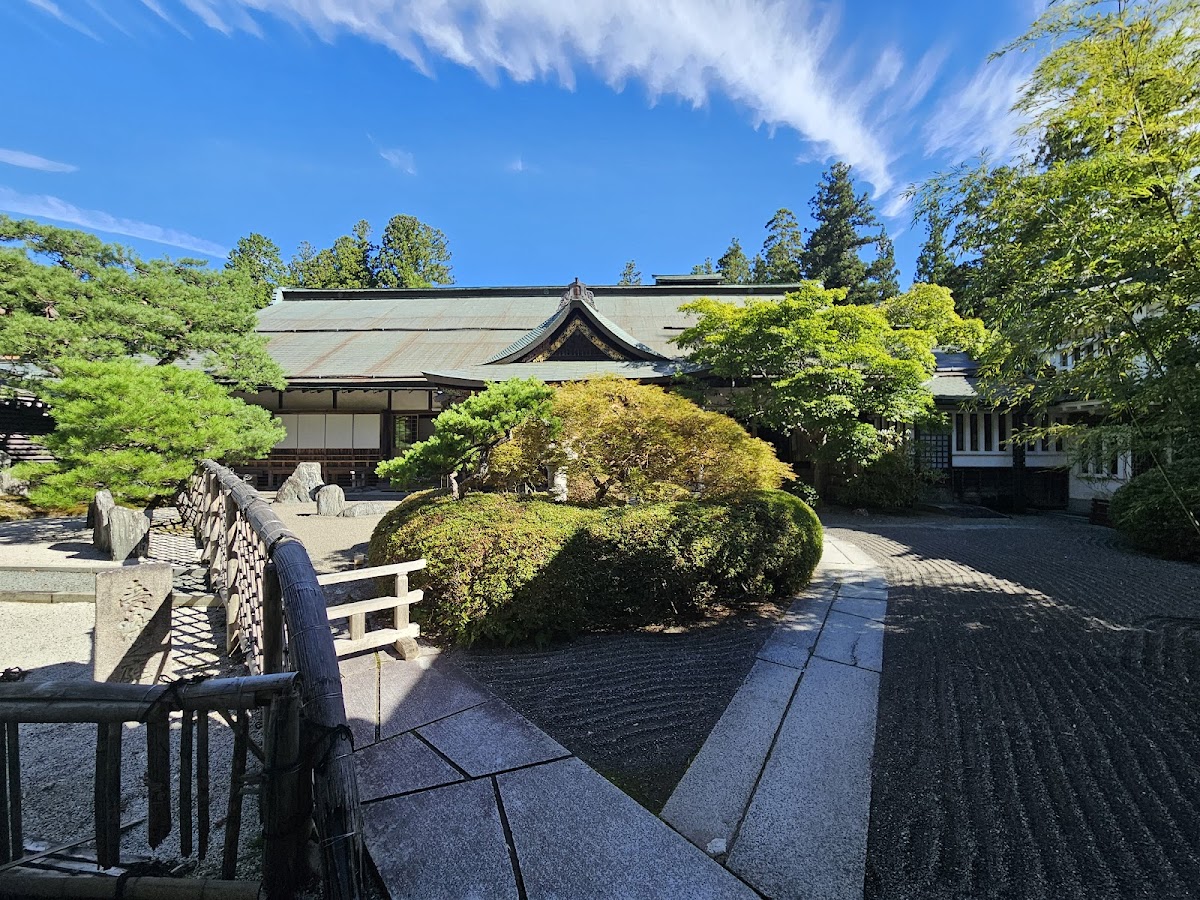
Historic temple with an onsen — rare for Koyasan — and a garden designed by the famous painter Sesshū. The garden features spring plantings that complement the cherry blossoms on the temple grounds. Fukuchiin's combination of hot spring bathing and temple atmosphere makes it the most comfortable Koyasan option for travelers accustomed to ryokan standards.
Akame Area: Mountain Forest Retreat
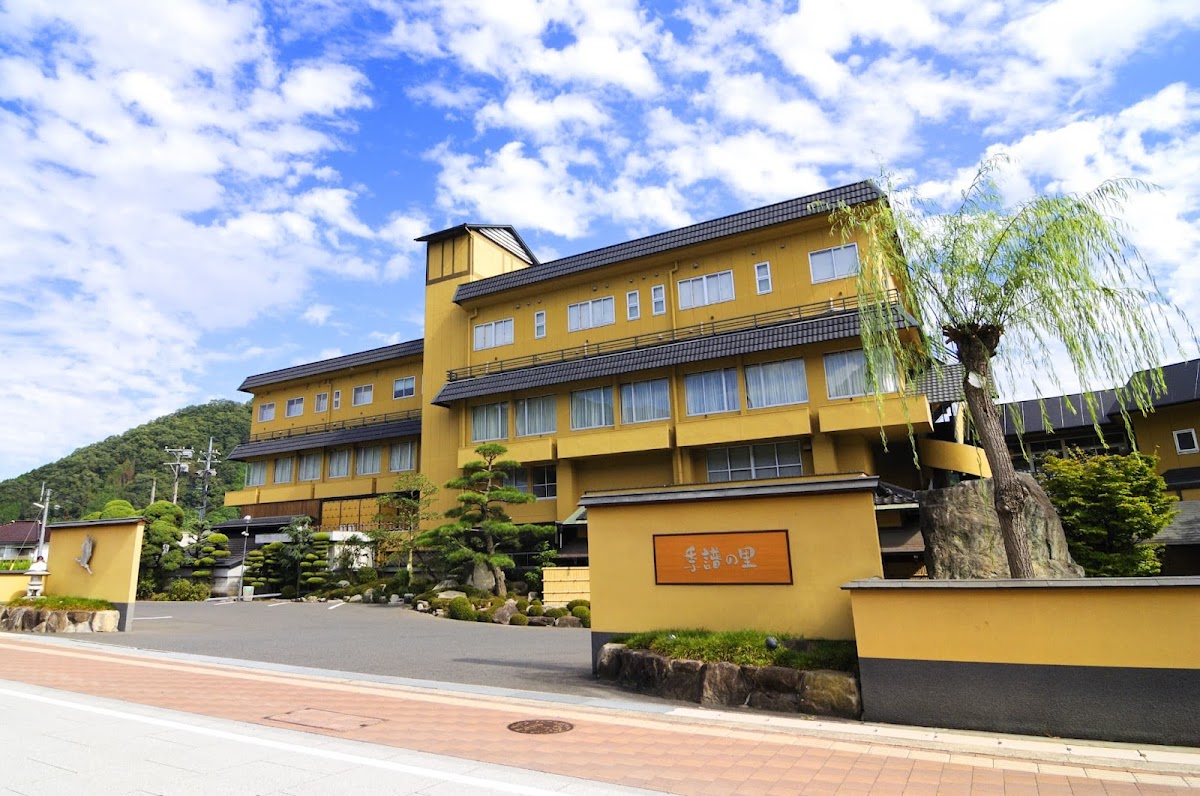
Mountain forest retreat near the Akame 48 Waterfalls, positioned between Nara and Mie Prefectures. Spring brings mountain cherry blossoms to the forest trails, and the onsen baths are surrounded by fresh spring greenery. While not directly on Mount Yoshino, Kifu no Sato offers a quieter forest sakura experience within reach of both Yoshino and Nara city.
Getting to Yoshino & Nara
To Mount Yoshino from Osaka: Kintetsu Railway from Osaka-Abenobashi Station to Yoshino Station (approximately 90 minutes, limited express). During peak sakura season, extra trains run on weekends.
To Mount Yoshino from Kyoto: Kintetsu to Kashihara-jingumae, then change to the Yoshino Line (approximately 2 hours total).
To Nara from Osaka: Kintetsu Nara Line from Osaka-Namba in 35-40 minutes.
To Nara from Kyoto: Kintetsu Limited Express in 35 minutes, or JR Nara Line in 45 minutes.
Yoshino to Nara: Approximately 90 minutes by Kintetsu with one transfer at Kashihara-jingumae.
On Mount Yoshino: A ropeway runs from the base to the lower zone. Beyond that, the mountain is explored on foot via well-maintained paths. The walk from Shimo Senbon to Oku Senbon takes approximately 3-4 hours one way. During peak season, shuttle buses cover some sections.
Booking & Practical Tips
- Book Yoshino accommodation 4-6 months ahead: Rooms on the mountain are extremely limited (fewer than 200 total beds across all properties) and demand during peak bloom is intense.
- Nara city is easier: More accommodation options mean 2-3 months advance booking usually suffices, except during major holiday periods.
- Combine the two: A ideal itinerary is 1-2 nights on Mount Yoshino for the sakura spectacle, then 1 night in Nara city for the deer-and-temple experience.
- Weekday visits essential for Yoshino: Weekend crowds during peak bloom are extreme, with the mountain road sometimes closed to traffic. Weekday visits offer a fundamentally different experience.
- Weather: April temperatures on Mount Yoshino range 5-18°C. The mountain can be significantly cooler than Nara city, especially in early morning. Bring layers.
- Yoshino evening illumination: During peak bloom, the mountain's cherry trees are illuminated from 6pm to 10pm. This is best experienced by staying overnight on the mountain.
What Makes Yoshino Special
Mount Yoshino's cherry trees are not ornamental plantings — they are devotional offerings. For over 1,300 years, pilgrims and monks have planted cherry trees on this sacred mountain as religious acts. The result is a mountainside where nature, spirituality, and human devotion have merged over centuries. Seeing it in bloom is not just a scenic experience; it connects you to a tradition that predates most of the world's current nations.
Frequently Asked Questions
The four zones bloom from early to late April. Naka Senbon (middle zone), the most spectacular, typically peaks April 8-15. The sequential blooming from bottom to top means you can see blossoms somewhere on the mountain throughout April.
Yes. Ryokan like Umenoyado and several temple lodgings offer overnight stays. This is highly recommended for dawn views and evening illuminations. Book 4-6 months ahead for sakura season.
For more spring destinations, see our cherry blossoms in Kyoto and cherry blossoms in Hakone. For year-round Nara options, check our onsen ryokan guide. Browse all spring stays on our spring page and explore the interactive map.