Yakushima is where Japan shows its geological age. This round, mountainous island 60 kilometers south of Kyushu is home to cedar trees that were already ancient when Europe was building its cathedrals. The oldest, Jomon Sugi, is estimated at 2,000 to 7,000 years old. The interior mountains rise to nearly 2,000 meters, creating a vertical climate gradient from subtropical coast to alpine summit. UNESCO inscribed the island in 1993, and Hayao Miyazaki used its moss-draped forests as the inspiration for Princess Mononoke.
Staying on Yakushima is unlike staying anywhere else in Japan. The island receives more rainfall than almost any inhabited place in the country ("it rains 35 days a month," locals joke), which produces the extraordinary moss forests and cascading streams that define its character. The accommodation ranges from luxury resorts to simple guesthouses, but every option shares one thing: the forest is never far away.
Where to Stay: The Main Options
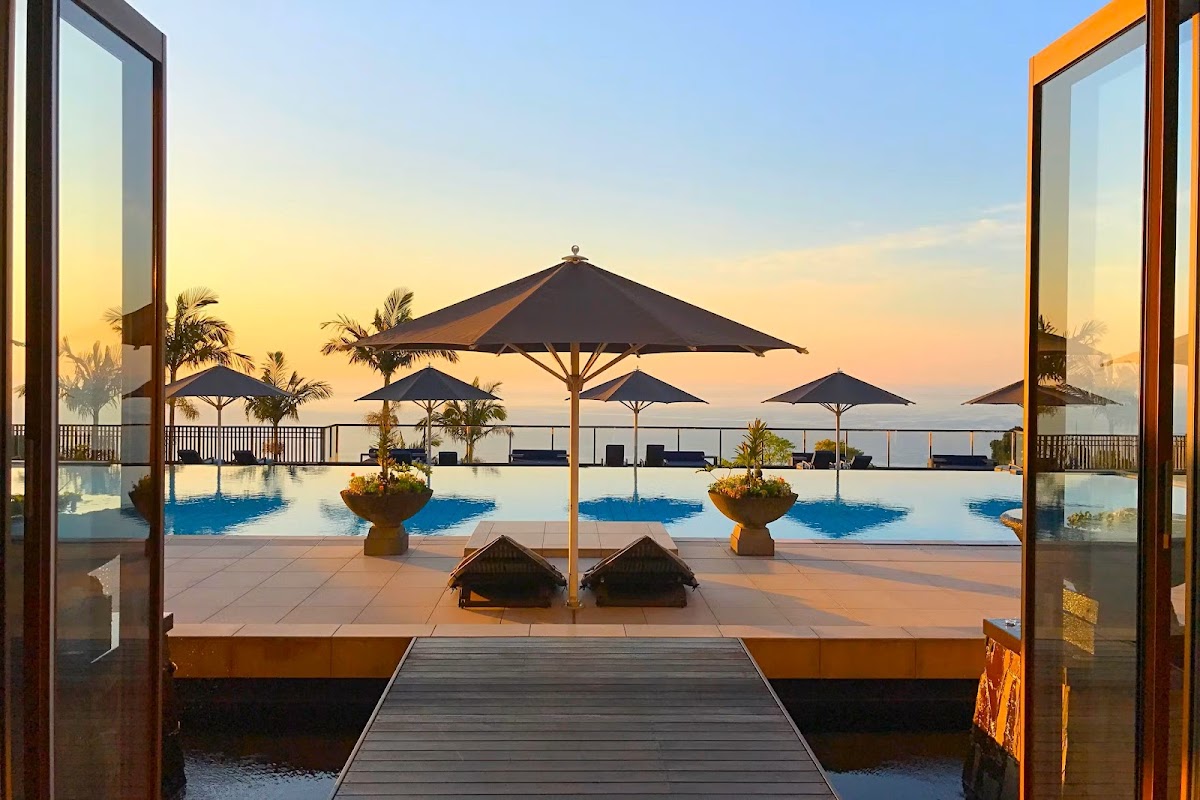
Sankara Hotel & Spa Yakushima
The island's only true luxury hotel, positioned on a hillside between ancient cedar forest and the Pacific Ocean. The French restaurant "Okas" uses local ingredients, including flying fish, river shrimp, and mountain herbs foraged from the island. Full spa facilities, pool, and a level of service that feels surprising on an island this remote. The perfect complement to a day spent hiking through muddy forest trails.
Sankara's strength is contrast. After 10 hours of scrambling over roots and rocks to reach Jomon Sugi, returning to a property with professional spa treatments, a French-Japanese dinner, and a comfortable bed provides a recovery experience that makes the next day's exploration possible. The hotel arranges hiking guides, snorkeling trips, and forest excursions.
Kyukamura Yakushima
National park lodge on Yakushima with direct access to ancient cedar forest trekking and sea turtle nesting beaches. The location is excellent for both mountain and coastal activities. Simpler than Sankara but with the advantage of being inside the national park boundary, closer to trailheads and the sea turtle habitat of Inakahama Beach.
Kyukamura operates as a public resort within the national park system. The rooms are functional rather than luxurious, but the location compensates: you are steps from some of the island's best beaches and a short drive from the major trailheads. Sea turtles nest on nearby beaches from May to August, and nighttime observation tours are available.
Planning Your Yakushima Trip
The Essential Hikes
Jomon Sugi: The marquee hike. A 22-kilometer round trip (8-10 hours) through increasingly ancient forest to the island's oldest known tree. The trail begins with a flat section along an abandoned railbed, then climbs through moss forest of deepening age and density. This hike requires reasonable fitness and an early start (most hikers depart at 5 AM). The payoff is cumulative: the forest grows more primeval with every kilometer.
Shiratani Unsuikyo: The Princess Mononoke forest. A 3-4 hour loop through the moss-draped woodland that inspired the film. More accessible than Jomon Sugi and equally atmospheric for photography. The light filtering through the canopy onto the carpet of moss is extraordinary, especially after rain (which is frequent).
Yakusugi Land: An accessible network of boardwalk trails through old-growth cedar forest. Multiple route options from 30 minutes to 2.5 hours. Good for travelers who want to experience the ancient trees without a full day's commitment.
Beyond Hiking
Yakushima is more than its forests. The coast offers snorkeling and diving in clear water where sea turtles are regularly spotted. The rivers are clean enough for swimming in summer. The island's small towns have onsen fed by natural hot springs. And the food culture, built around flying fish (tobiuo), local deer meat, and mountain herbs, is distinctive and worth seeking out.
Getting Around the Island
Rent a car. This is essential on Yakushima. The island is roughly circular, with a single coastal road and mountain roads branching inland to trailheads. Public buses exist but run infrequently and do not reach all trailheads. A car lets you chase weather windows (one side of the island may be clear while the other is under cloud) and reach early-morning hiking departures without depending on bus schedules.
Best Time to Visit
May-June: The rhododendrons bloom on the mountain peaks, and the forest is at its most lush. Late June brings the monsoon, but rain enhances the moss forest.
July-August: Sea turtle nesting season. Warmer hiking conditions but higher humidity. This is peak domestic tourism season, so book well ahead.
October-November: The mountain cedars do not change color (they are evergreen), but deciduous species in the lower forests provide autumn interest, and the weather is more stable.
March-April: The mountain rhododendrons begin blooming at lower elevations. Fewer visitors than summer.
What to Pack
- Rain gear: Non-negotiable. Yakushima receives 4,000-10,000mm of annual rainfall depending on elevation. Waterproof jacket, pants, and a pack cover are essential for any hike.
- Hiking boots: The Jomon Sugi trail has sections of root, rock, and mud. Proper hiking boots with ankle support and grip are necessary.
- Headlamp: For the 5 AM Jomon Sugi start when the trailhead is dark.
- Layers: The summit of Miyanoura-dake is nearly 2,000m; temperatures can be 10-15 degrees cooler than the coast.
- Insect repellent: Yakushima's leeches are active in warm, wet conditions (May-October). Tuck pants into socks on rainy hikes.
Frequently Asked Questions
Sankara Hotel & Spa is the luxury choice with French cuisine and spa. Kyukamura Yakushima is the best-value national park lodge with trailhead access and sea turtle beaches.
Three to four days. Day 1: arrive and explore the coast. Day 2: Jomon Sugi hike (full day) or Shiratani Unsuikyo (half day). Day 3: relax, snorkel, or drive the island. Day 4: optional second hike or departure.
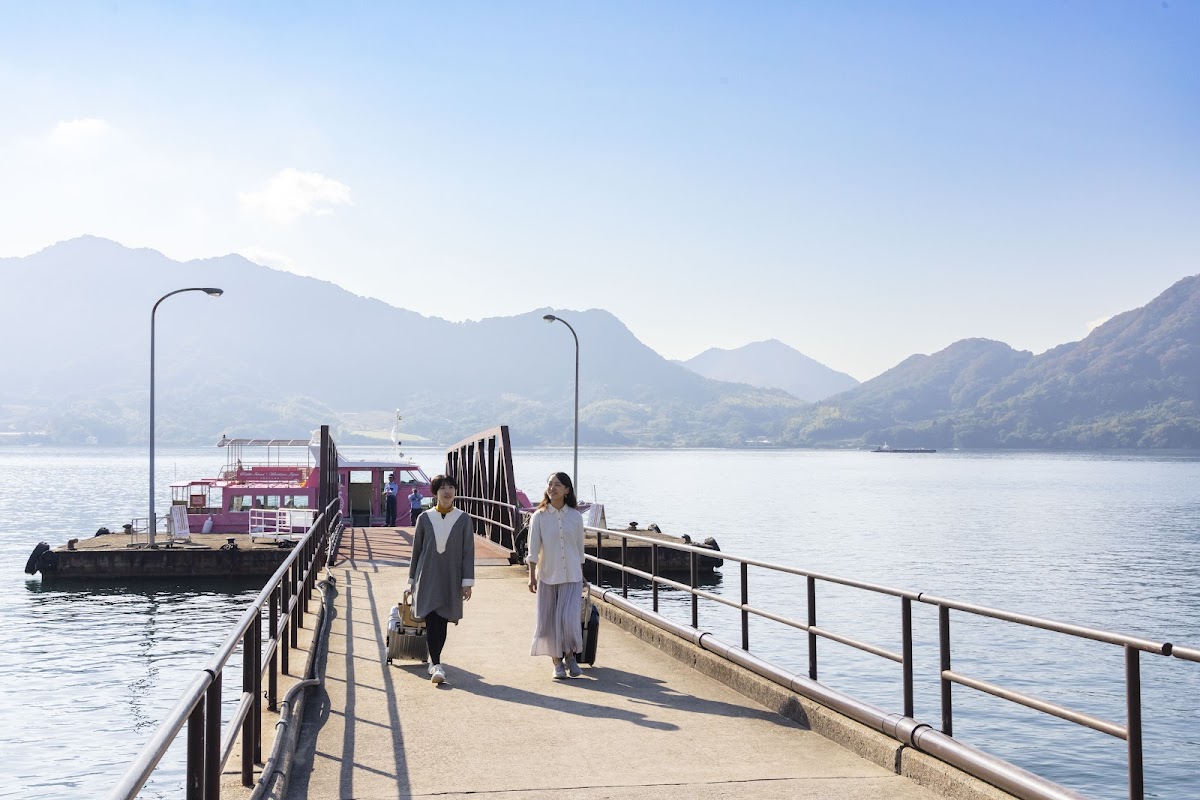
Fly from Kagoshima (35min), Fukuoka (1h 10min), or Osaka (1h 40min). Or take the Toppy high-speed ferry from Kagoshima (2-3 hours). Book ferries ahead in peak season.
For more island and remote stays, see our off-the-beaten-path guide and nature retreat guide. Browse all properties on our interactive map.