Japan has over 27,000 hot spring sources and more than 3,000 onsen towns, but not all onsen water is the same. The volcanic geology that heats Japan's groundwater also infuses it with different mineral combinations, and each combination produces water with distinct colors, textures, smells, and therapeutic properties. Understanding these differences will help you choose onsen destinations that match what you are looking for, whether that is silky-smooth skin, relief from muscle pain, or simply the most dramatic bathing experience.
How Japan Classifies Onsen
Japanese law defines onsen strictly: the water must emerge from the ground at 25 degrees Celsius or above, or contain at least one of 19 specified mineral components above defined thresholds. The Japan Onsen Association classifies water into 10 main categories based on dominant mineral content. Most onsen display their classification (senshitsu) prominently, often on a wooden sign near the bath.
The 10 Main Onsen Types
1. Tanjun-sen (Simple Thermal Springs)
Characteristics: Clear, mild, gentle on skin
Benefits: General relaxation, stress relief, post-illness recovery
Feel: Like bathing in very clean, soft hot water
Simple thermal springs are above 25 degrees Celsius but do not contain any single mineral at the threshold level. Do not mistake "simple" for "weak." These springs are popular precisely because their mildness makes them suitable for everyone, including sensitive skin and children. They are sometimes called "family hot springs" for this reason.
Where to find them: Found across Japan. Dogo Onsen in Ehime, one of Japan's oldest and most famous onsen, features simple alkaline springs.
2. Enshisen (Sodium Chloride Springs)
Characteristics: Salty taste, clear to slightly yellow, retains heat
Benefits: Joint pain, muscle pain, cold sensitivity, women's health conditions
Feel: Warming, like the water "sticks" to your skin
The most common onsen type in Japan. Sodium chloride (salt) in the water creates a thin mineral coating on your skin after bathing, which slows heat loss. You will feel warm for hours after leaving a salt spring. Coastal onsen often fall into this category.
Where to find them: Kinosaki Onsen in Hyogo and many seaside onsen feature sodium chloride springs.
3. Tansan-sen (Carbon Dioxide Springs)
Characteristics: Tiny bubbles on skin, slightly sparkling, cool to lukewarm
Benefits: Blood circulation, lower blood pressure, heart conditions
Feel: Fizzy, like bathing in champagne
The rarest type in Japan, carbon dioxide springs dissolve CO2 into the water, creating visible bubbles that cling to your skin. The carbonation dilates blood vessels, improving circulation without raising heart rate. Because CO2 dissipates at high temperatures, these springs are typically lukewarm (33-38 degrees), which makes for longer, more meditative soaks.
Where to find them: Nagayu Onsen in Oita is Japan's most famous carbon dioxide spring, with water so heavily carbonated that bubbles coat your entire body within seconds.
4. Juso-sen (Bicarbonate Springs)
Characteristics: Smooth, slippery water, clear
Benefits: Skin softening, burn healing, skin conditions
Feel: Silky, as if the water contains dissolved soap
Known as "bijin no yu" (beauty springs) because the alkaline water dissolves oils and softens skin. After bathing, your skin feels noticeably smooth. Bicarbonate springs are popular with women and are frequently marketed for their cosmetic benefits.
5. Ryusan-en-sen (Sulfate Springs)
Characteristics: Clear to slightly colored, bitter taste
Benefits: Arteriosclerosis, stroke recovery, wound healing
Feel: Mildly astringent, skin-firming
Sulfate springs are subdivided by their dominant cation: sodium sulfate (helps digestive issues), calcium sulfate (wound healing), and magnesium sulfate (heart conditions). These are often called "kizu no yu" (wound springs) for their healing properties.
6. Gantetsu-sen (Iron Springs)
Characteristics: Rust-orange to red-brown color, metallic taste
Benefits: Anemia, circulation, menstrual issues
Feel: Warm, slightly heavy water with distinctive color
Iron springs are visually dramatic: the water emerges clear but oxidizes on contact with air, turning orange, brown, or red. The dramatic color makes for spectacular outdoor baths. Be aware that iron springs can stain towels and light-colored clothing.
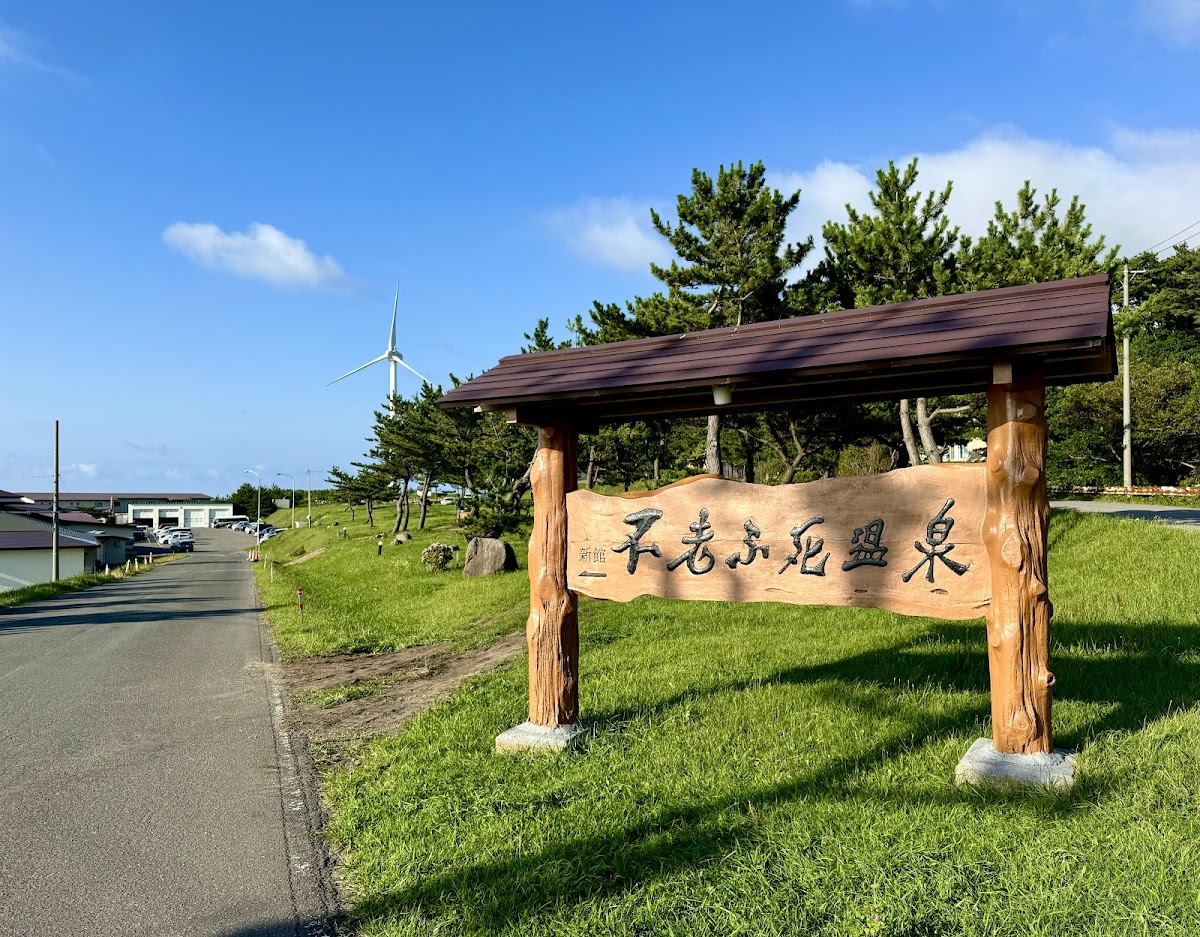
Where to find them: Furofushi Onsen in Aomori is famous for its iron-rich waters that create an amber-orange pool on the cliffs above the Sea of Japan. It is one of Japan's most visually striking onsen.
7. Io-sen (Sulfur Springs)
Characteristics: Milky white or pale blue, strong sulfur smell
Benefits: Chronic skin conditions, diabetes, arteriosclerosis
Feel: Slightly oily, memorable smell
The most recognizable onsen type. The distinctive rotten-egg smell of hydrogen sulfide and the milky white water are iconic. Sulfur springs are potent: they can tarnish silver jewelry and corrode metals, so remove all jewelry before bathing. The water's antibacterial properties make it historically important for treating skin diseases.
Where to find them: Kusatsu Onsen in Gunma is Japan's most famous sulfur spring, with water so acidic and mineral-rich that the town's yubatake (hot water field) is a designated natural monument. Tsurunoyu Onsen in Akita is renowned for its milky white outdoor bath.
8. Sansei-sen (Acidic Springs)
Characteristics: Sour taste, clear to green, strong
Benefits: Chronic skin conditions, athlete's foot, antibacterial
Feel: Slightly tingling, can irritate sensitive skin
The most powerful onsen type. Acidic springs have a pH of 2-4 (similar to lemon juice) and possess strong antibacterial properties. They are effective against skin conditions but can irritate sensitive skin or open wounds. Rinse with fresh water after bathing in highly acidic springs. These are rare, found mainly in volcanic areas.
Where to find them: Kusatsu Onsen (pH 1.7-2.1) and Sukayu Onsen in Aomori feature some of Japan's most acidic waters.
9. Hoshano-sen (Radioactive/Radon Springs)
Characteristics: Clear, no taste or smell, mildly radioactive
Benefits: Gout, neuralgia, hormone regulation (hormesis theory)
Feel: Indistinguishable from regular water by sensation
Contains naturally occurring radon at low levels. The therapeutic theory (hormesis) suggests that small doses of radiation stimulate cellular repair mechanisms. Radon springs are popular in Japan for treating gout and joint conditions. The radiation dissipates quickly in open air.
Where to find them: Misasa Onsen in Tottori is Japan's most famous radon spring, with dedicated "therapeutic stay" programs.
10. Yoso-sen (Iodine Springs)
Characteristics: Yellow-brown color, iodine taste
Benefits: Thyroid conditions, wound healing, metabolism
Feel: Distinctively mineral, warming
The rarest category, added to the official classification in 2014. Iodine springs are found primarily along coastlines. The iodine content gives the water antiseptic properties and a distinctive color.
Mixed and Blended Springs
Many onsen contain a combination of minerals, creating unique bathing experiences that do not fit neatly into one category. Beppu in Oita, Japan's most prolific onsen city, is famous for having nearly every type of spring within a small area, including the dramatic "hells" (jigoku) where different mineral compositions create pools of blue, red, and white.
Some ryokan draw from multiple sources, allowing guests to experience different water types in a single stay. Properties like Zaborin in Hokkaido and Gora Kadan in Hakone use different sources for different baths.
How to Read an Onsen Analysis Sheet
Every genuine onsen in Japan is required to display a "bunsekisho" (analysis sheet) near the bath. This document lists:
- Water source name and location
- Temperature at the source
- pH level
- Mineral composition (mg/kg of each component)
- Spring classification
- Therapeutic indications (effects)
- Contraindications (who should avoid)
Learning to read these sheets, even partially, adds a layer of understanding to your onsen experience. The pH number alone tells you much: below 3 is strongly acidic (tingling, antibacterial), 6-7.5 is neutral (gentle), and above 8 is alkaline (skin-softening).
Frequently Asked Questions
Japan classifies onsen into 10 main categories by mineral composition: simple thermal, sodium chloride, bicarbonate, sulfate, carbon dioxide, iron, sulfur, acidic, radioactive, and iodine. Many onsen are blends of multiple types.
Mineral content determines color. Sulfur springs are milky white. Iron springs are rust-orange. Acidic sulfur springs can be emerald green. Carbon dioxide springs may be cloudy with bubbles. Clear water does not mean weak minerals.
It depends on your needs. Carbon dioxide springs (Nagayu Onsen) for circulation, sulfur springs (Kusatsu) for skin conditions, sodium chloride for retaining warmth, and bicarbonate for skin beauty.
It varies. Alkaline springs feel silky. Acidic springs tingle. Sulfur springs have a distinctive smell and oily feel. Carbon dioxide springs fizz on your skin. Iron springs feel warm and heavy.
For bathing etiquette, see our onsen etiquette guide. Learn about specific bathing experiences: open-air rotenburo baths, riverside onsen, and tattoo-friendly onsen. Browse all onsen properties on our map.