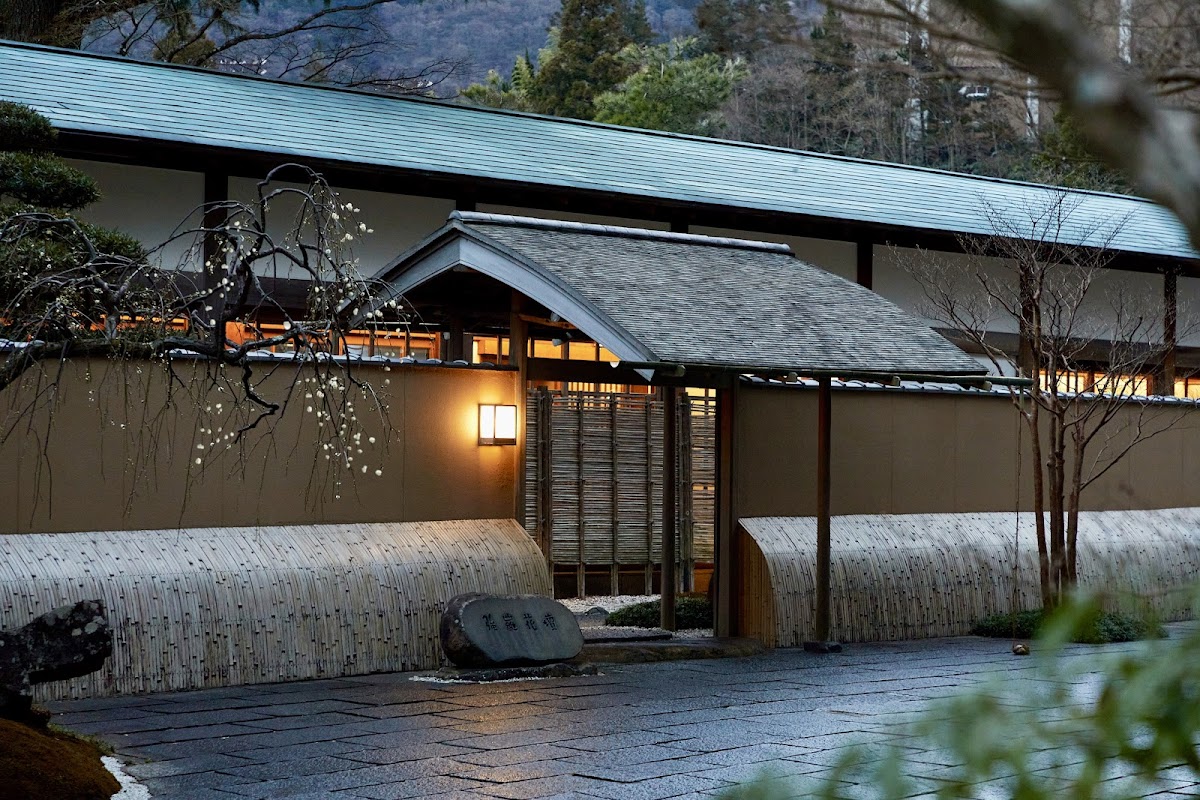
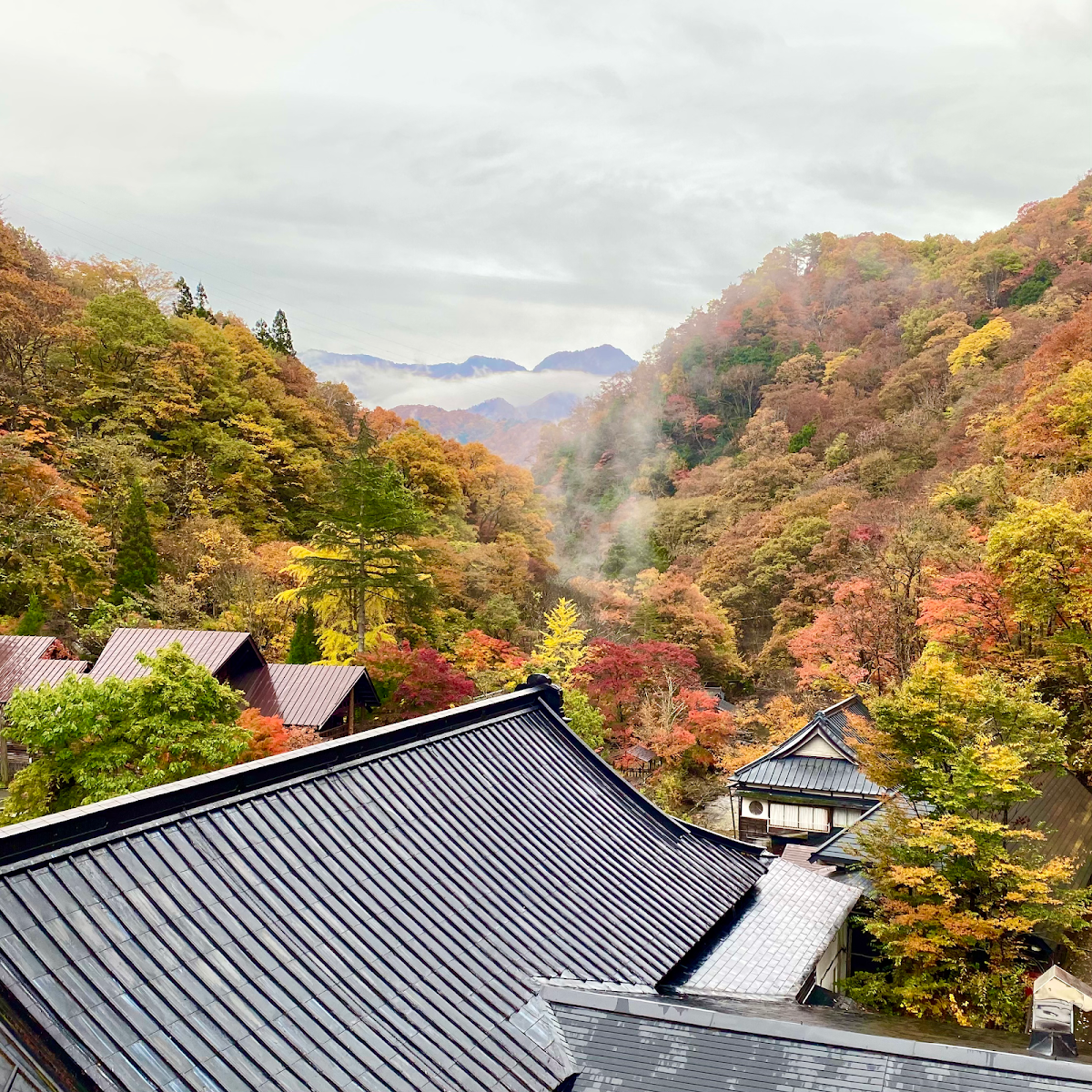
There is a moment in a rotenburo, when you are immersed to your shoulders in hot mineral water and the cold air touches your face, when the line between your body and the landscape dissolves. Snow lands on your hair and melts. Autumn leaves drift across the water's surface. Stars appear above a mountain ridge. These are the moments that make open-air onsen bathing one of Japan's most extraordinary experiences, and one that cannot be replicated anywhere else in the world.
What Makes Rotenburo Special
The word rotenburo (露天風呂) breaks down to "exposed-sky bath." While indoor onsen baths (uchiburo) offer their own pleasures, controlled temperature, architectural beauty, historical atmosphere, rotenburo add the dimension of nature. The experience engages every sense:
- Sight: Mountain panoramas, forest canopies, river gorges, ocean horizons, or garden landscapes frame your soak.
- Sound: Wind through trees, flowing water, birdsong, rain on leaves, the crunch of snow, or the crash of ocean waves.
- Touch: The contrast between hot water below the surface and cold air above creates a sensation impossible to experience elsewhere.
- Smell: Pine forests, sea salt, sulfurous steam, wet earth after rain, each location has its own olfactory signature.
- Temperature: The interplay between hot spring water (40-43 degrees) and ambient air (which may be near freezing in winter) creates a physiological response that promotes deep relaxation.
Rotenburo by Season
Winter: The Peak Experience
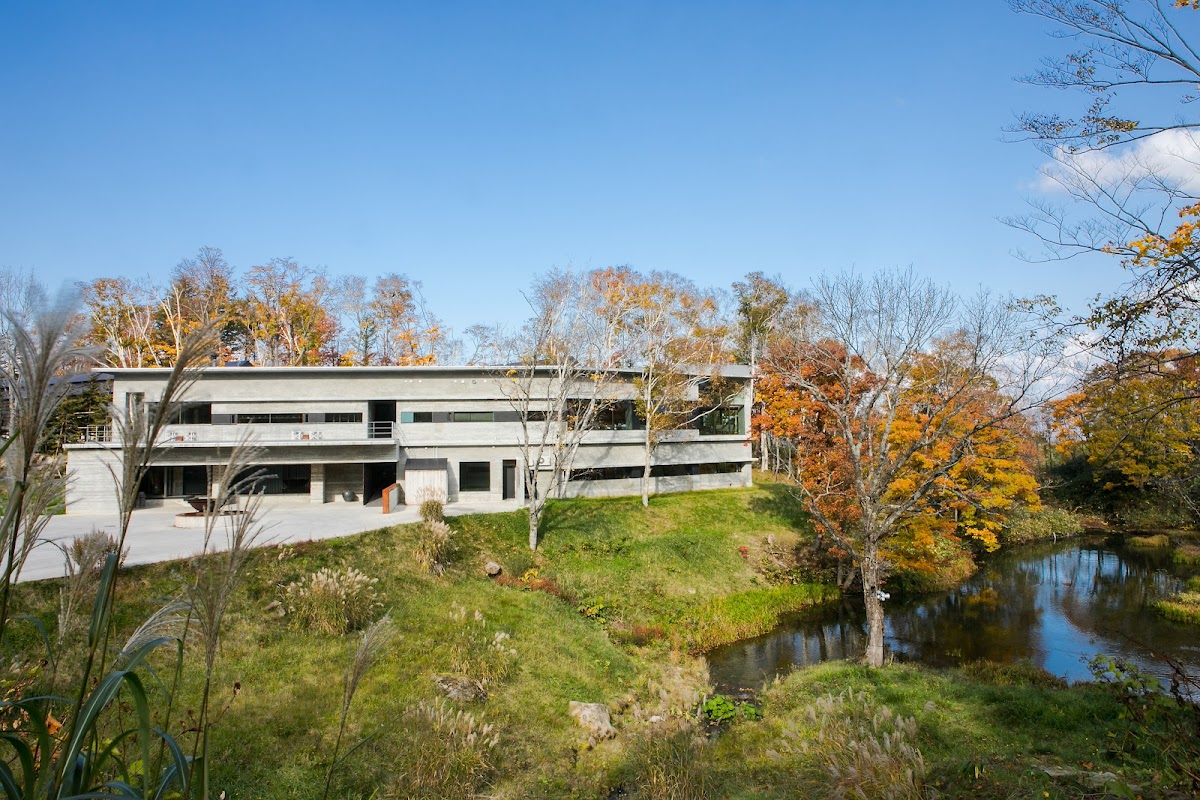
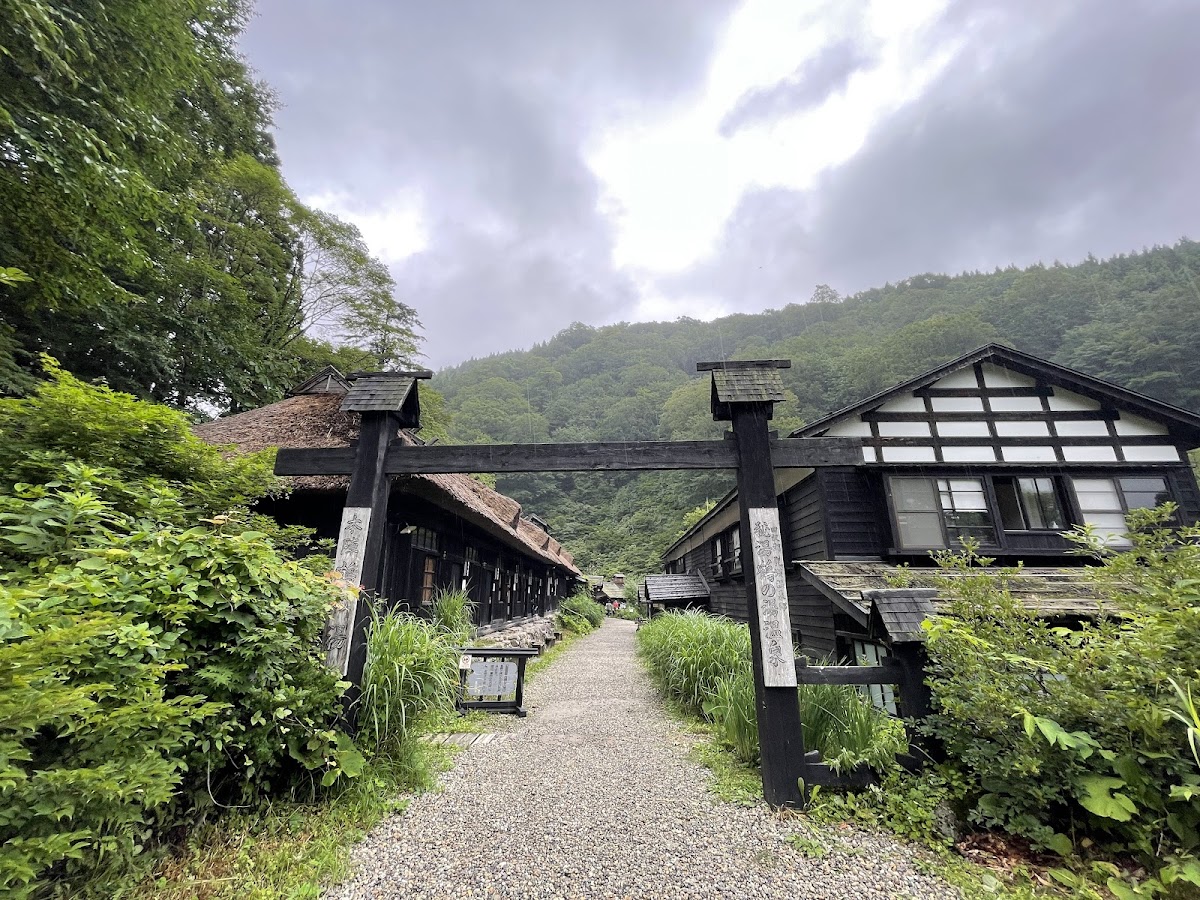
Winter rotenburo is the quintessential onsen experience. The dramatic temperature contrast, steam rising against cold air, and the visual spectacle of snow-covered landscapes create scenes of extraordinary beauty. At Tsurunoyu Onsen in Akita, the milky white outdoor bath surrounded by snow-laden trees and lit by oil lamps is one of Japan's most iconic scenes. Zaborin in Niseko offers private rotenburo where birch trees stand frosted against the winter sky.
Autumn: Foliage and Warmth
From late October through November, Japan's mountains blaze with red, orange, and gold. Soaking in a rotenburo while autumn leaves drift overhead is one of the country's great sensory pleasures. The combination of warm water, cool autumn air, and kaleidoscopic color is deeply calming. Properties in Nikko, Hakone, and the Tohoku mountains are prime autumn rotenburo destinations.
Spring: Renewal
Cherry blossoms and fresh green shoots transform rotenburo settings in March through May. The water feels different in spring: somehow lighter, more energizing. Some mountain rotenburo coincide with remaining snow at higher elevations, creating the rare experience of soaking beneath pink blossoms with white peaks in the distance.
Summer: Lush Immersion
Summer rotenburo in mountain settings offer relief from Japan's humid lowlands. Dense green forests surround the baths, and at some locations, fireflies appear in the evening. The long daylight hours mean more time for pre-dinner outdoor bathing. Night bathing in summer, with stars overhead and the sound of insects, is underappreciated.
Types of Rotenburo
Communal Rotenburo (Daiyokujou)
The largest and often most scenically positioned baths at a property. Gender-separated, with changing rooms leading to the outdoor area. These tend to have the most dramatic views because their size justifies prime placement.
Private Rotenburo (Tsuki Rotenburo)
Attached to your room, available 24 hours. The ultimate luxury at an onsen property. You can bathe at 3:00 AM under stars or at dawn as light breaks over the mountains. No scheduling, no sharing, complete freedom. Properties like Zaborin (two per room, indoor and outdoor) and Beniya Mukayu (private open-air bath in every room) make this their defining feature.
Reservable Rotenburo (Kashikiri Rotenburo)
Private outdoor baths that can be booked for 45-60 minute sessions. A good middle ground between communal and in-room baths. Available at many ryokan for couples and families.
Noten-buro (Fully Exposed Baths)
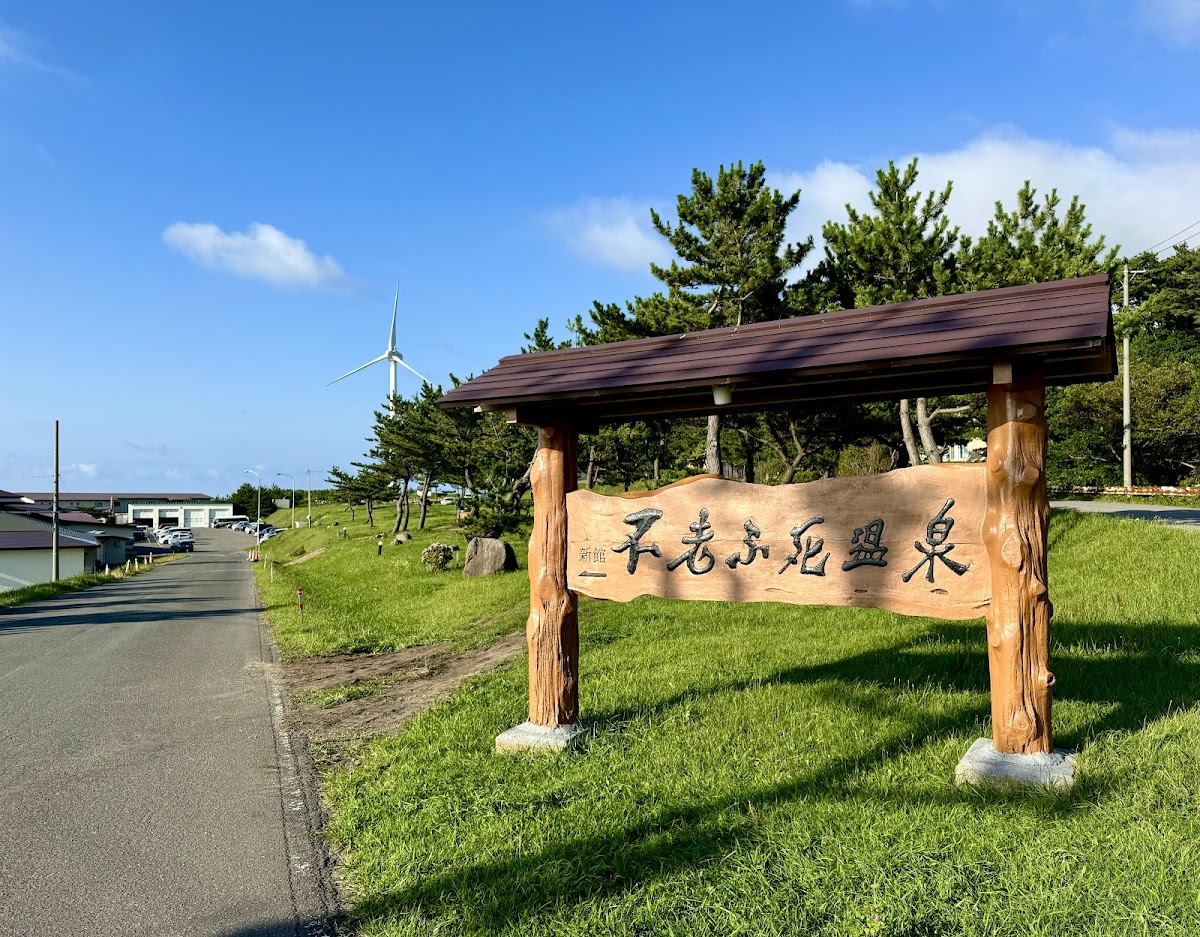
Some rotenburo have no roof at all, no wall, nothing between you and the sky. These are the most dramatic but also the most weather-dependent. Furofushi Onsen in Aomori is the ultimate noten-buro: a bath carved into seaside rocks where the Sea of Japan waves crash just meters away.
Japan's Most Spectacular Rotenburo
Iron-rich amber water fills a bath perched on the rocks at the edge of the Sea of Japan. Waves crash below while the sun sets over the horizon. This is arguably Japan's most dramatic rotenburo setting, where the boundary between bath and ocean blurs at high tide.
Each of the 15 villas has its own outdoor rotenburo surrounded by birch forest. In winter, soaking in steaming water while snow falls silently through bare branches is transcendent. In autumn, the birch leaves turn gold. The architecture frames the natural setting perfectly.
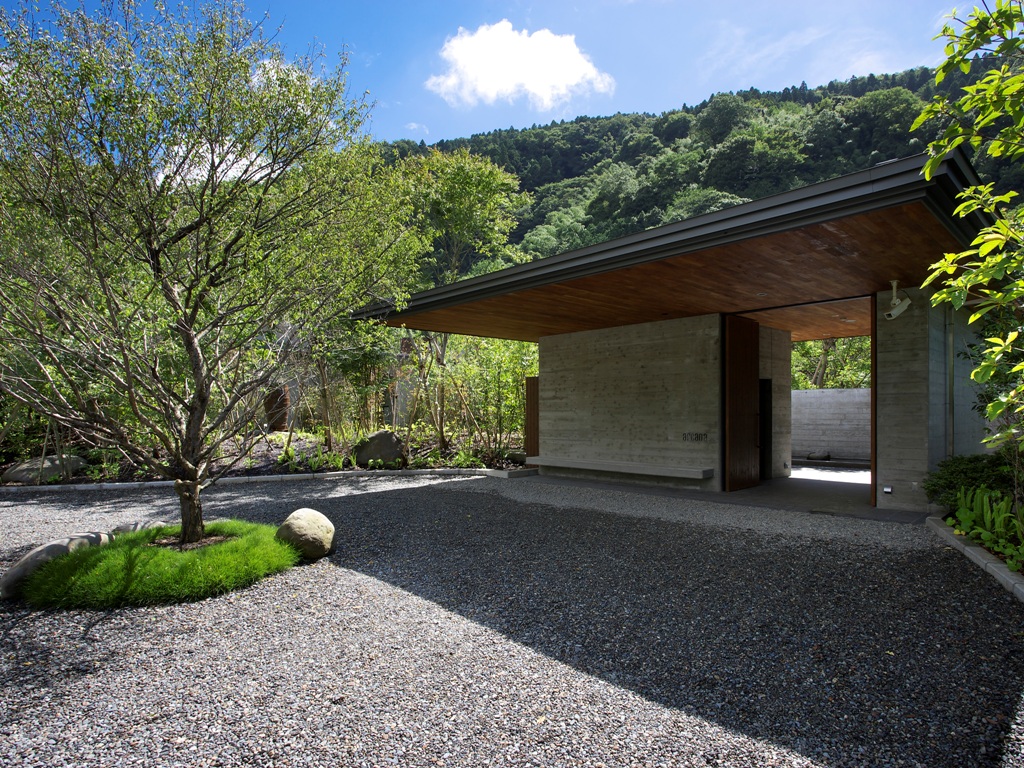
The outdoor baths overlook the Kano River gorge. The sound of rushing water below and the forested ravine create a wild, immersive setting only two hours from Tokyo. The modern architectural framing enhances rather than domesticates the natural drama.
Four enormous rotenburo along the Takara River, surrounded by mountain forest. The sheer scale of the outdoor baths and their wild riverside setting make this one of the most impressive rotenburo complexes in Japan. Bathing garments are required in the mixed baths.
Tips for Enjoying Rotenburo
- Time your visit. Early morning (6:00-7:00 AM) and late evening (after 9:00 PM) are the least crowded times at communal rotenburo. Dawn baths with mist rising off the water are particularly beautiful.
- Stay hydrated. Outdoor bathing, especially in cold weather, is more dehydrating than you might expect. The contrast between hot water and cold air increases fluid loss. Drink water before and after.
- Do not overheat. In hot weather, the combination of hot spring water and warm air can be excessive. In summer, limit your soak to 15-20 minutes and cool down between immersions.
- Embrace the weather. Rain, snow, and wind are not reasons to skip the rotenburo. They are reasons to prioritize it. The best rotenburo experiences happen during "imperfect" weather.
- Bring your small towel. The tenugui (small cotton towel) serves as a modesty cover on the walk to the bath and, folded on your head, keeps your hair dry and helps regulate temperature while soaking.
- Mind the surfaces. Rocks around rotenburo can be slippery, especially in wet or icy conditions. Move slowly and use handrails where available.
- No electronics. Phones and cameras are prohibited in all onsen areas. Leave them in your room and be fully present.
Planning a Rotenburo-Focused Trip
For the best rotenburo experiences, plan around these factors:
- Season: Winter for drama, autumn for beauty, spring for freshness, summer for convenience. Every season rewards.
- Location: Mountain and riverside properties tend to have the most scenic rotenburo. Coastal properties offer ocean views. Choose based on the landscape you want to soak in.
- Privacy level: If you want guaranteed privacy, book a room with a private rotenburo. For the grandest settings, communal baths at the right time of day provide both scale and relative solitude.
- Water type: Different mineral waters suit different settings. Milky sulfur water against white snow is iconic. Clear water lets you see the stone bottom and any fish in an adjacent river. Choose the combination that appeals to you.
Frequently Asked Questions
An open-air hot spring bath exposed to the sky and natural surroundings. Unlike indoor baths, rotenburo let you experience weather, scenery, and seasonal changes while soaking in mineral water.
Winter is the most dramatic (snow and temperature contrast), autumn offers foliage views, spring brings cherry blossoms, and summer has lush greenery and fireflies. Each season transforms the experience.
For couples, families, and tattooed guests, absolutely. Properties like Zaborin include private rotenburo in every room, allowing 24-hour access with complete privacy and flexibility.
Yes, and many enthusiasts prefer it. Warm water below, cool rain above, and the sound of rainfall on foliage create a uniquely pleasurable sensory experience.
Explore more onsen experiences: mineral spring types, riverside onsen, konyoku mixed bathing, and bathing etiquette. For specific property recommendations, see our complete onsen ryokan guide. Browse all onsen properties on our map.