Solo travel in Japan is a well-established tradition. The concept of "hitori tabi" (solo journey) is culturally respected, and ryokan, with their emphasis on personal rejuvenation through bathing, eating, and quiet reflection, are arguably at their best when experienced alone.
The practical reality is more nuanced. Some ryokan resist solo bookings because they lose revenue on rooms designed for two. Others charge punitive single supplements. But a significant and growing number of properties not only accept solo travelers but create experiences that suit individual guests perfectly.
Why Ryokan Work for Solo Travel
Unlike Western hotel stays where dining alone can feel conspicuous, the ryokan format naturally accommodates solo guests. Meals are often served in your room or a private dining space. Onsen bathing is inherently individual, even in communal baths. The structured rhythm of arrival, bath, dinner, sleep, bath, breakfast, departure gives solo travel a satisfying shape without requiring you to plan activities.
There's also the contemplative dimension. A ryokan stay strips away distraction. No TV blaring, no minibar temptation, no room service menu. Just a tatami room, a view, a hot spring, and exceptional food. For solo travelers seeking genuine rest rather than constant stimulation, this simplicity is the entire point.
Best Ryokan for Solo Travelers
Design-Forward Properties That Welcome Solo Guests
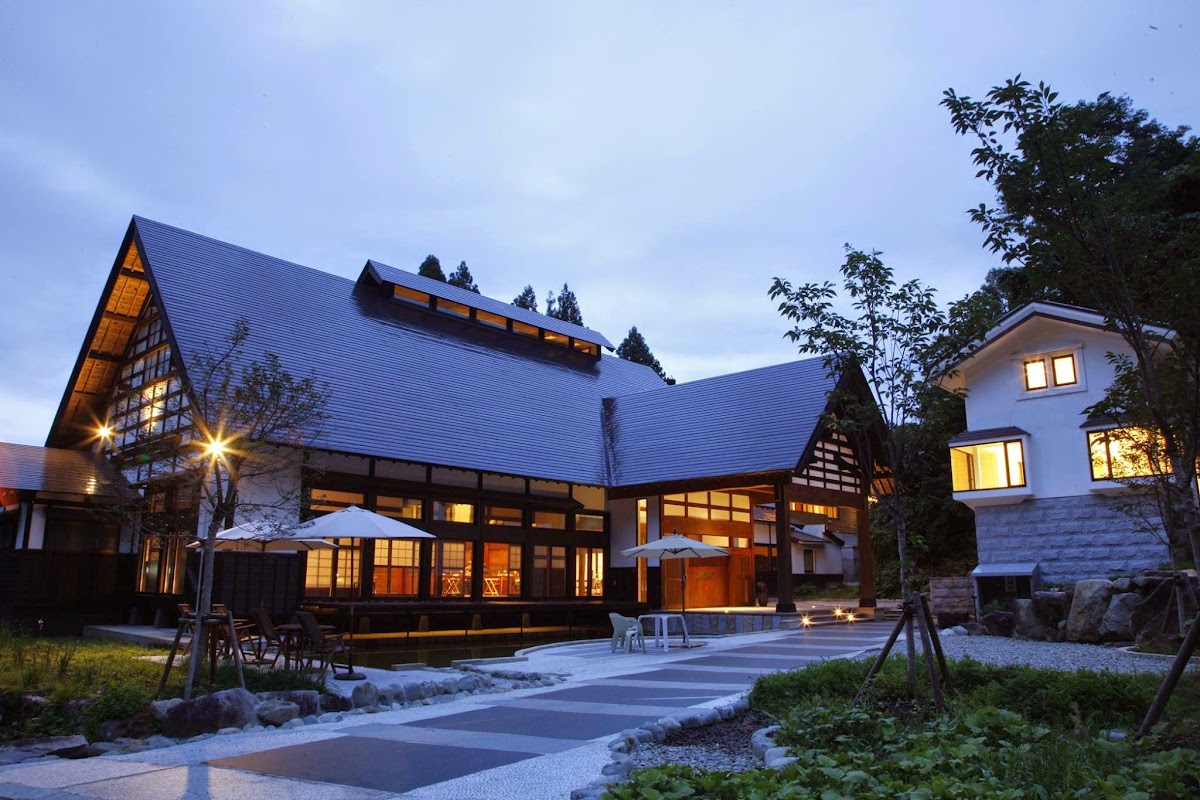
A renovated rice warehouse turned design hotel in Niigata's snow country. Satoyama Jujo attracts a creative, independent-minded clientele and naturally welcomes solo travelers. The communal spaces, including a library bar and lounge, create opportunities for social interaction without pressure. The surrounding rice paddies and mountain scenery provide excellent solo walking. The architecture alone rewards careful individual attention.
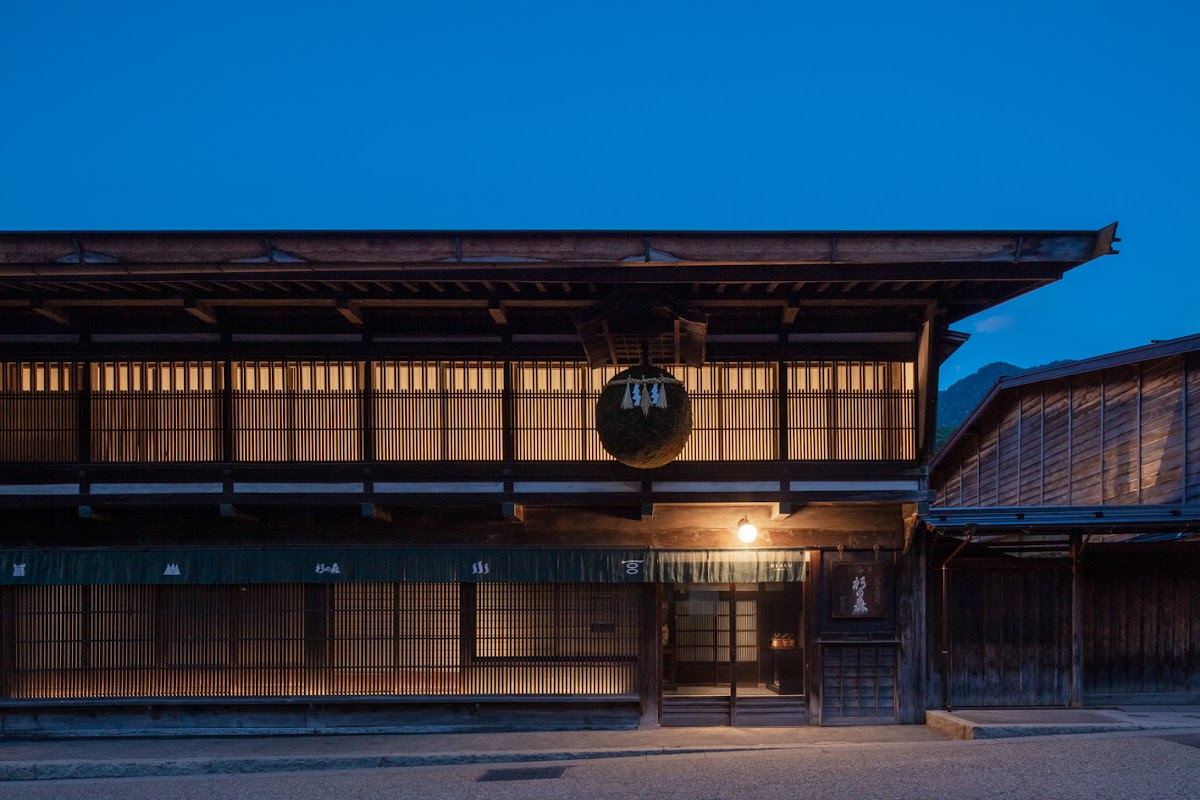
A restored sake brewery on the historic Nakasendo trail, now a boutique hotel. The setting is perfect for solo travelers: Narai-juku is a preserved post town ideal for contemplative walking, and the hotel's sophisticated design rewards individual attention. Solo hikers walking the Nakasendo between Narai and Tsumago find this an ideal overnight. The restaurant and bar welcome solo diners warmly.
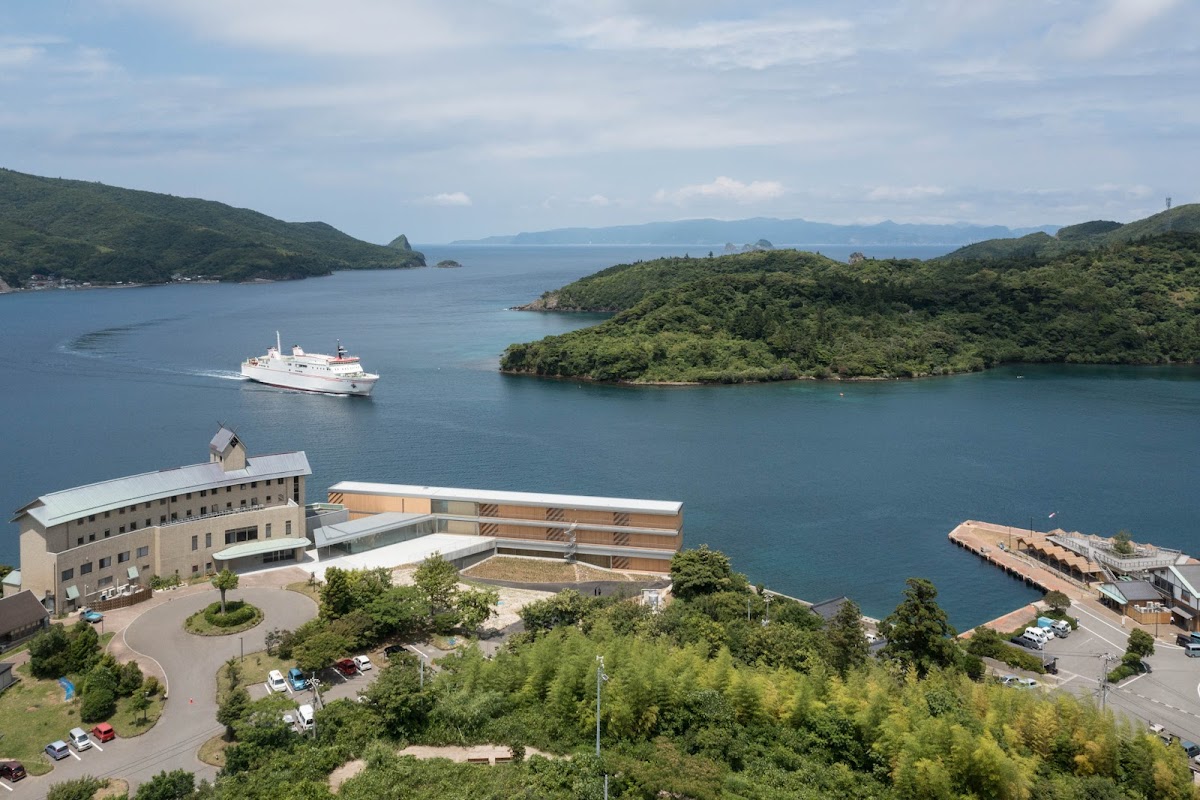
A geo-hotel on the remote Oki Islands in the Sea of Japan, designed to connect guests with the UNESCO Global Geopark landscape. The very remoteness that defines this property makes it a solo travel destination. You don't come here with a group; you come to disconnect. The modern rooms face the sea, the spa uses local spring water, and the island's volcanic geology provides days of solo exploration.
Remote Onsen Ryokan: Solitude by Design
Japan's famous lamp-lit onsen, deep in the mountains of Aomori with no electricity. The absence of modern distraction is absolute: no Wi-Fi, no phone signal, no artificial light after dark. Oil lamps illuminate the wooden baths and corridors. For solo travelers seeking genuine disconnection, there is no equivalent in Japan. The communal bathing under lamplight creates a timeless atmosphere. Solo stays are common and welcomed.
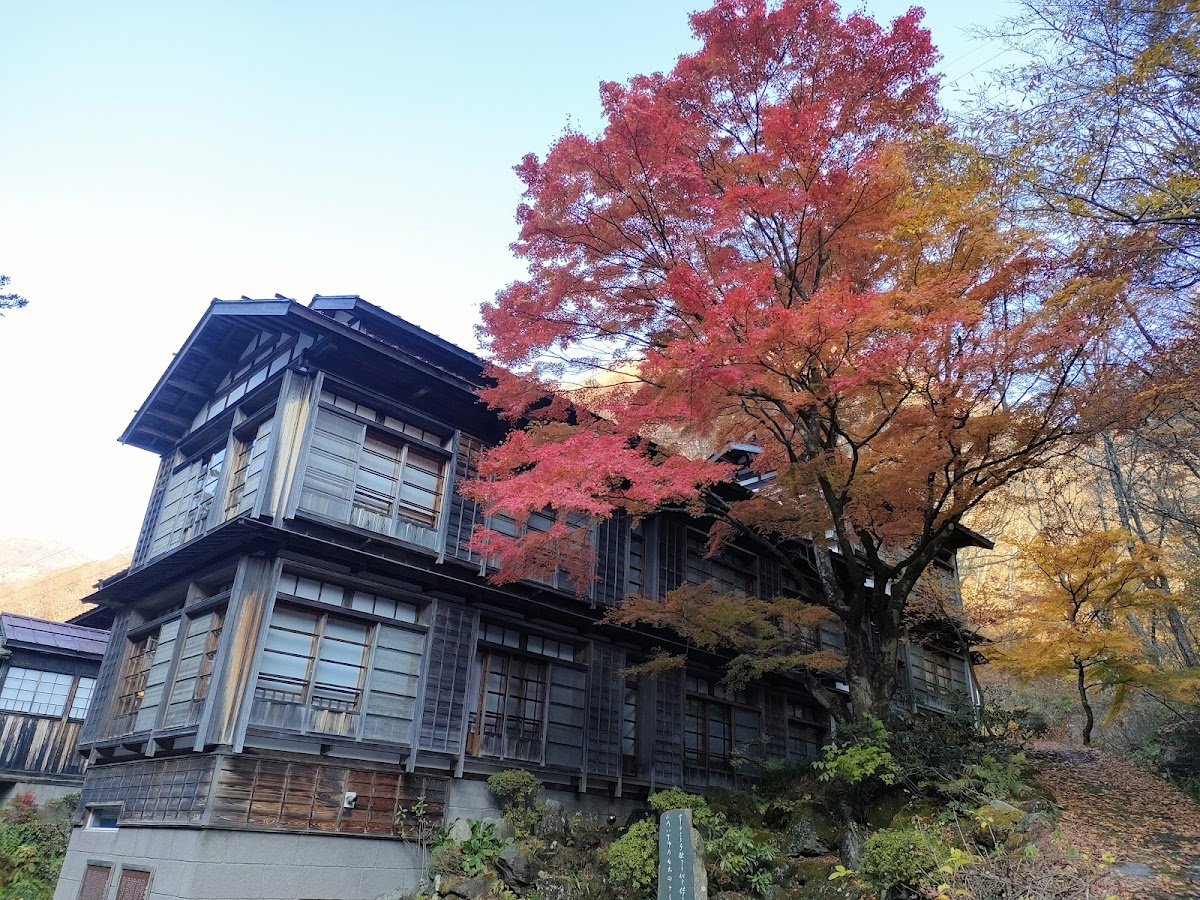
A 140-year-old onsen inn in the mountains of Gunma with a legendary main bath: a cavernous wooden hall where hot spring water bubbles directly up through the stone floor. The atmosphere is meditative. Solo guests sit in the steaming water, watching light filter through arched windows, and time dissolves. The inn is simple, the food is honest, and the onsen is among the most beautiful in Japan.
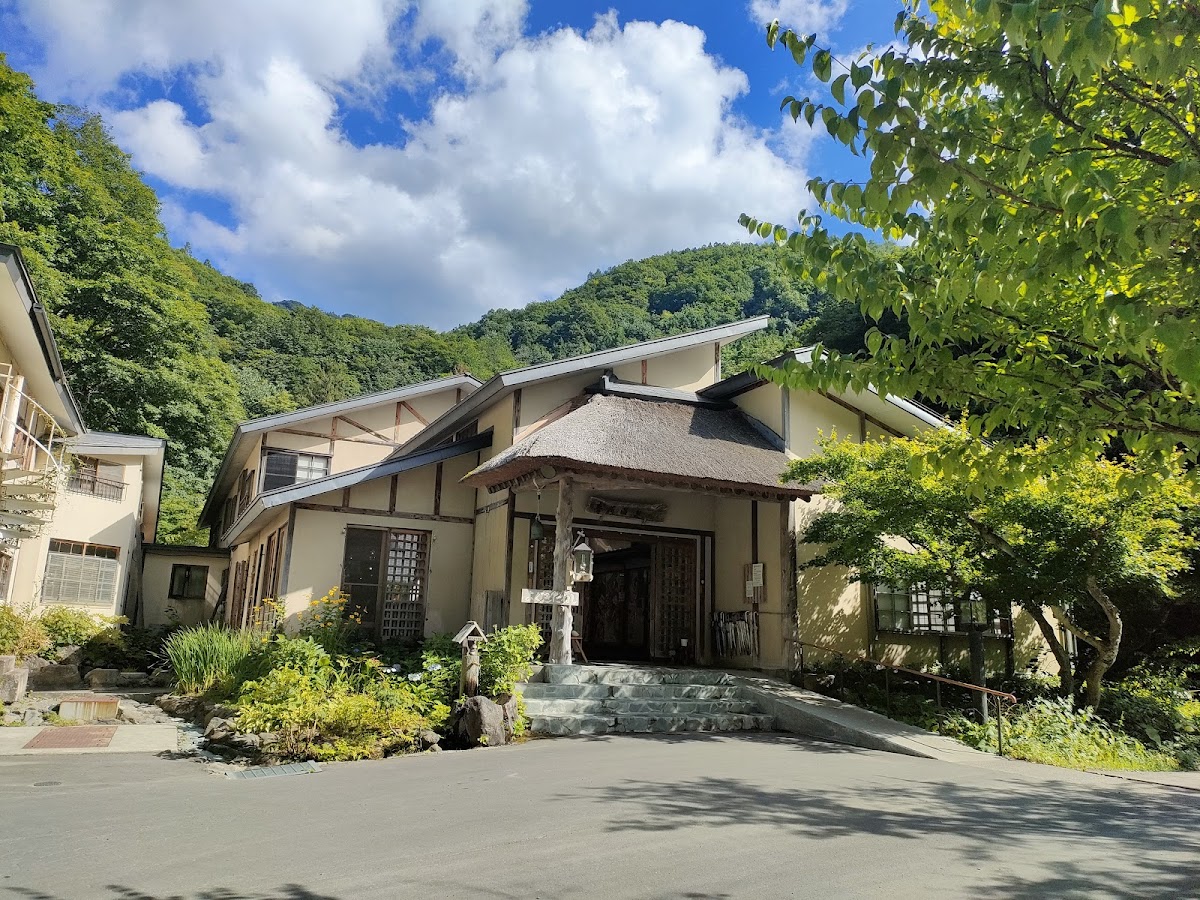
Massive riverside outdoor baths surrounded by forest, one of Japan's largest rotenburo complexes. The scale of the baths means solo bathers never feel crowded. The mountain river rushes past as you soak. Accommodation is in traditional tatami rooms, meals are hearty mountain fare, and the entire experience is rustic and unpretentious. A superb solo retreat, especially in autumn foliage and winter snow seasons.
Onsen Town Stays: Solo with Social Options
Onsen towns offer the ideal solo travel balance: structured exploration during the day (bathhouse hopping, walking, local food), contemplative relaxation at the ryokan in the evening, and the option to interact with other guests or retreat to solitude as you choose.
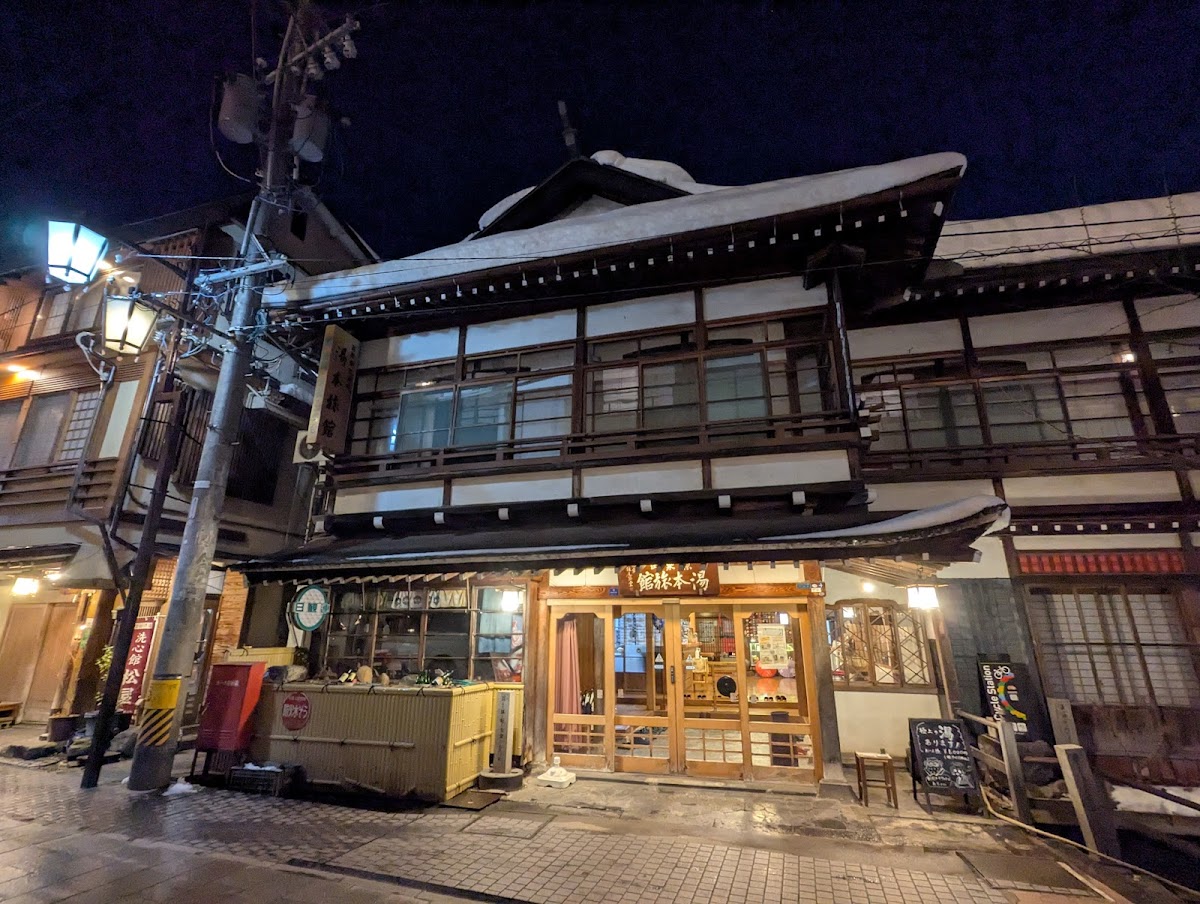
A traditional ryokan in the atmospheric gas-lit Ginzan Onsen town. Solo travelers here enjoy the magical evening atmosphere of the wooden onsen town illuminated by gas lamps, with snow in winter completing the picture-postcard scene. The town is small enough to explore on foot in an afternoon. Evening walks along the river between the historic bathhouses are quintessential solo Japan moments.
A forest-enclosed ryokan in the beloved Kurokawa Onsen village. The village's "onsen hopping pass" (nyuyoku tegata) lets you visit three different baths at various ryokan, creating a natural solo activity that fills an entire afternoon with discovery. The village is compact and walkable, the forest atmosphere is soothing, and the private villas at this property give solo guests their own space.
Walking Trail Ryokan: Solo Hiking Stays
Japan's historic walking trails combine perfectly with solo ryokan stays. Walk during the day, arrive at a ryokan in the afternoon, bathe, eat, sleep, and walk again the next morning. It's the purest form of solo travel.
A traditional inn in the preserved Nakasendo post town of Tsumago. Solo hikers walking between Magome and Tsumago (the most popular section of the Nakasendo trail) have stayed at inns like this for centuries. The evening meal features local mountain cuisine, the rooms are simple tatami, and the town after dark, with its wooden facades and stone paths, is hauntingly beautiful. The solo walking tradition here is ancient.
A refined ryokan in Obuse, the small Nagano town famous for its connection to Hokusai and its chestnut cuisine. Solo travelers find Obuse endlessly rewarding: the Hokusai Museum, small galleries, chestnut cafes, and sake breweries fill a day naturally. The ryokan's fine dining and art-focused aesthetic suit the contemplative solo traveler. The town's walkable size means no car needed.
Practical Tips for Solo Ryokan Stays
Booking
Book directly with the property rather than through platforms like Booking.com. Direct booking is more likely to yield solo-friendly rates and room assignments. Write in simple English or use Google Translate for Japanese emails. Mention that you are a solo traveler. Some properties that don't list single rates online will accommodate solo guests upon direct request.
Avoiding Single Supplements
Weekday stays have smaller or no surcharges. Off-peak seasons (January-February except New Year; June except weekends) offer the best solo rates. Properties in less-touristed onsen towns are more accommodating than popular destinations. Some ryokan offer "solo plans" (ohitorisama plan) that include smaller rooms at fair per-person rates.
Communal Bathing Alone
Solo bathing in communal onsen is completely normal. You'll share the bath with strangers regardless of whether you came alone or with a group. Many solo travelers find onsen bathing is the most peaceful part of the ryokan experience. Early morning (6-7am) and late night (after 10pm) tend to be the quietest times. See our onsen etiquette guide for first-timer basics.
Dining Alone
In-room dining eliminates any self-consciousness about eating alone. At ryokan with communal dining rooms, solo guests are typically given a table or a counter seat. The multi-course kaiseki format naturally occupies 60-90 minutes, providing a meditative pace that suits solo diners well. Bring a book or journal if you want a companion for the meal.
Solo Travel Itinerary Ideas
4-night Tohoku onsen circuit: Ginzan Onsen (Yamagata) → Aoni Onsen (Aomori) → Nyuto Onsen (Akita). Remote, atmospheric, deeply traditional. Best in winter for snow onsen experiences.
3-night Nakasendo walk: Narai-juku (Byaku Narai) → walk to Tsumago (Fujioto ryokan) → Magome → train to Takayama. Historic trail walking with ryokan overnight stays. Best in spring or autumn.
5-night creative solo retreat: Naoshima art island (Benesse House) → Onomichi (cycling + Nishiyama ryokan) → Oki Islands (Entô). Art, architecture, and remote island landscapes for the culturally curious solo traveler.
Related Guides
- Onsen Etiquette Guide — essential knowledge for communal bathing
- Hidden Onsen Japan — remote hot springs ideal for solo travelers
- Ryokan Price Guide — understand solo pricing and surcharges
- Digital Nomad Nature Stays — extend solo travel with remote work
- Kumano Kodo Accommodation — another classic solo walking trail