The image is compelling: morning coffee with a mountain view, a focused work session in a forest cabin, then an afternoon onsen soak to decompress. Japan's nature stays are beginning to deliver on this promise, driven by the post-pandemic workation movement and Japan's excellent rural infrastructure.
But not every beautiful property works for actual work. This guide identifies the nature stays where you can genuinely be productive, not just post an Instagram story of your laptop against a backdrop.
What Makes a Nature Stay Work-Friendly
Four non-negotiable requirements: WiFi speed above 50 Mbps (ideally 100+), a proper desk and chair (not a low chabudai table on tatami), reliable power outlets within reach, and a quiet environment during work hours. Nice-to-haves: a secondary workspace like a lounge or library, nearby cafes for change of scenery, and time zone overlap with your team's core hours.
Traditional ryokan fail on most of these criteria. Tatami rooms are designed for sitting on the floor, WiFi is often weak, and the check-in/check-out rhythm (typically 3pm-10am) doesn't suit extended stays. The best digital nomad nature stays are modern cabins, design hotels, and converted heritage buildings that blend Japanese aesthetics with contemporary functionality.
Best Nature Stays for Remote Work
Modern Cabin Stays
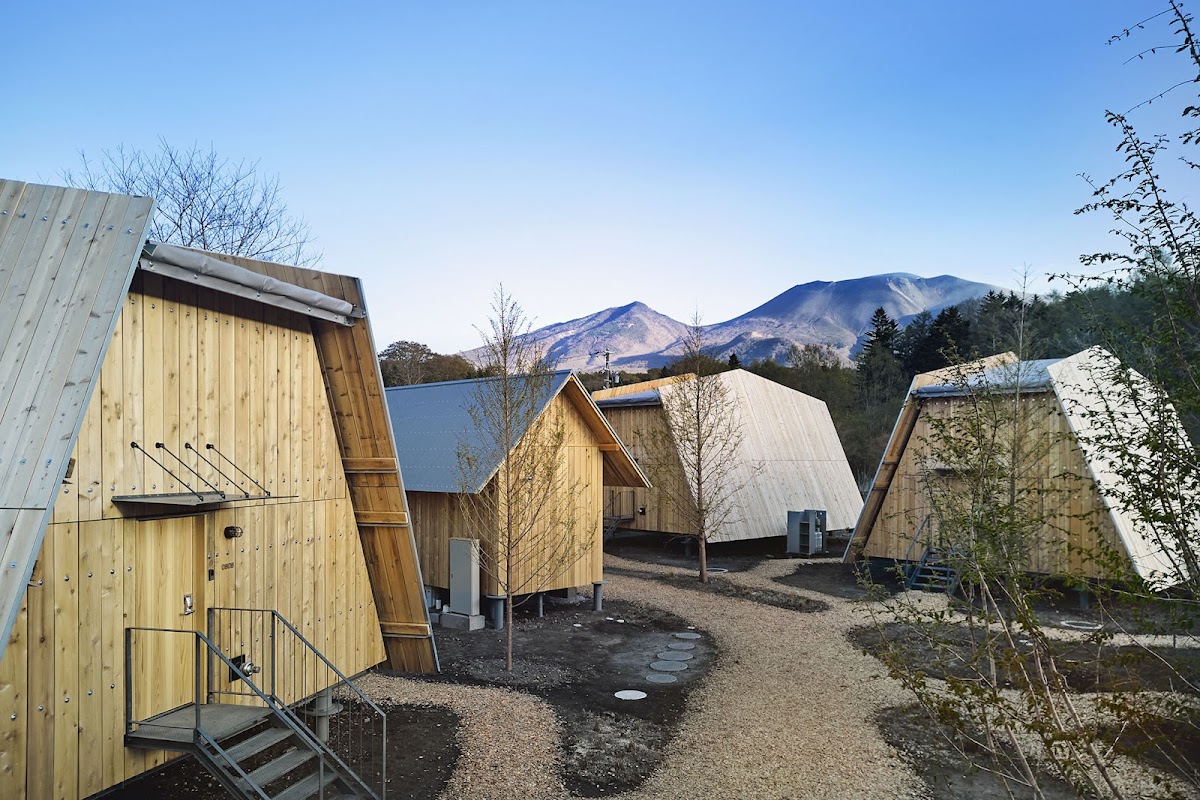
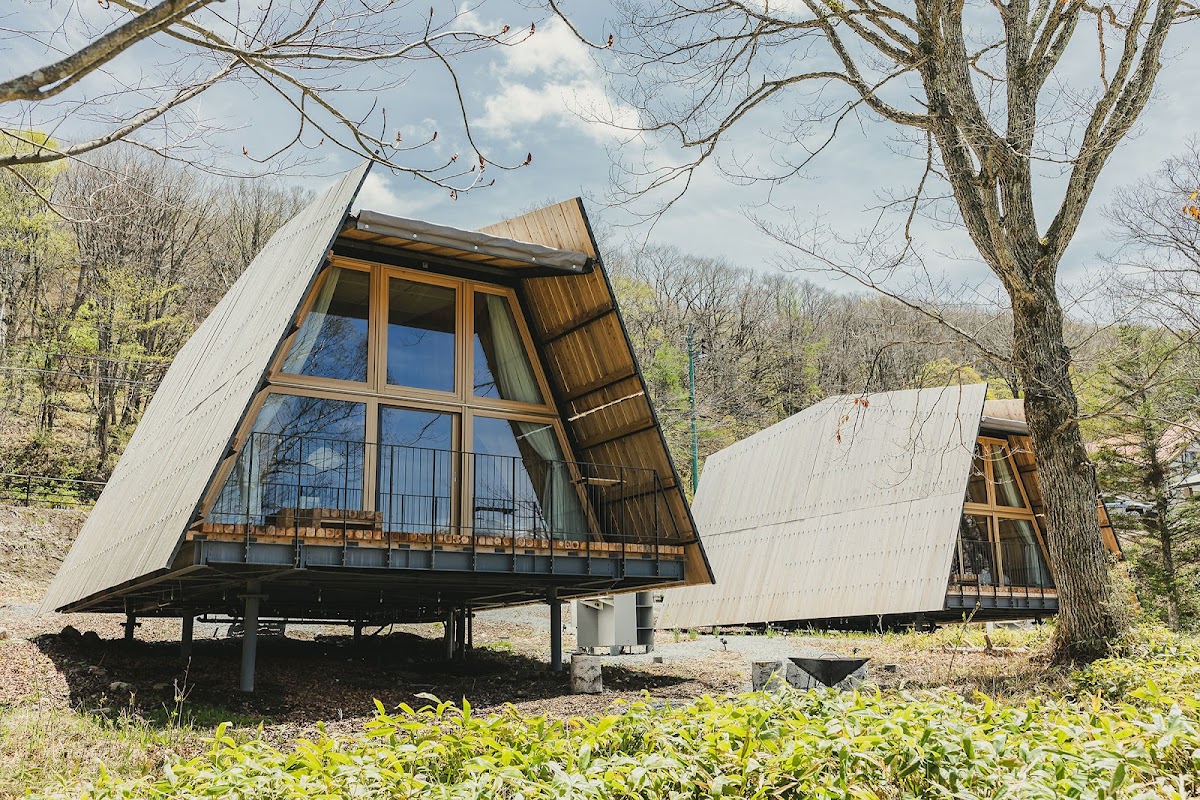
Architect-designed forest cabins with modern amenities, reliable WiFi, and the kind of clean, inspiring spaces that make work feel different. Karuizawa has been a retreat for Tokyo's creative class for over a century, and its infrastructure reflects this: cafes with WiFi, a proper supermarket, and excellent dining all within reach. The cabin's floor-to-ceiling windows turn the forest into your office backdrop. Monthly and extended-stay options available.
Highland forest cabins at 1,200m elevation where the air is literally different. The mountain setting provides natural separation from urban life, making it easier to enter a focused state. Summer temperatures rarely exceed 25°C, eliminating the productivity-killing heat of Japanese cities. The quieter Tateshina setting (compared to Karuizawa) means fewer distractions. Ideal for intensive project sprints with nature breaks.
Mountain-base cabins surrounded by the Yatsugatake range's meadows and forests. The highland setting at 1,000m+ provides cool summers and dramatic seasonal changes. The area has a community of artists, writers, and craftspeople who've chosen remote mountain living, creating a quietly creative atmosphere. Weekend hiking provides the kind of physical reset that improves weekday focus.
Design Hotels with Workspaces
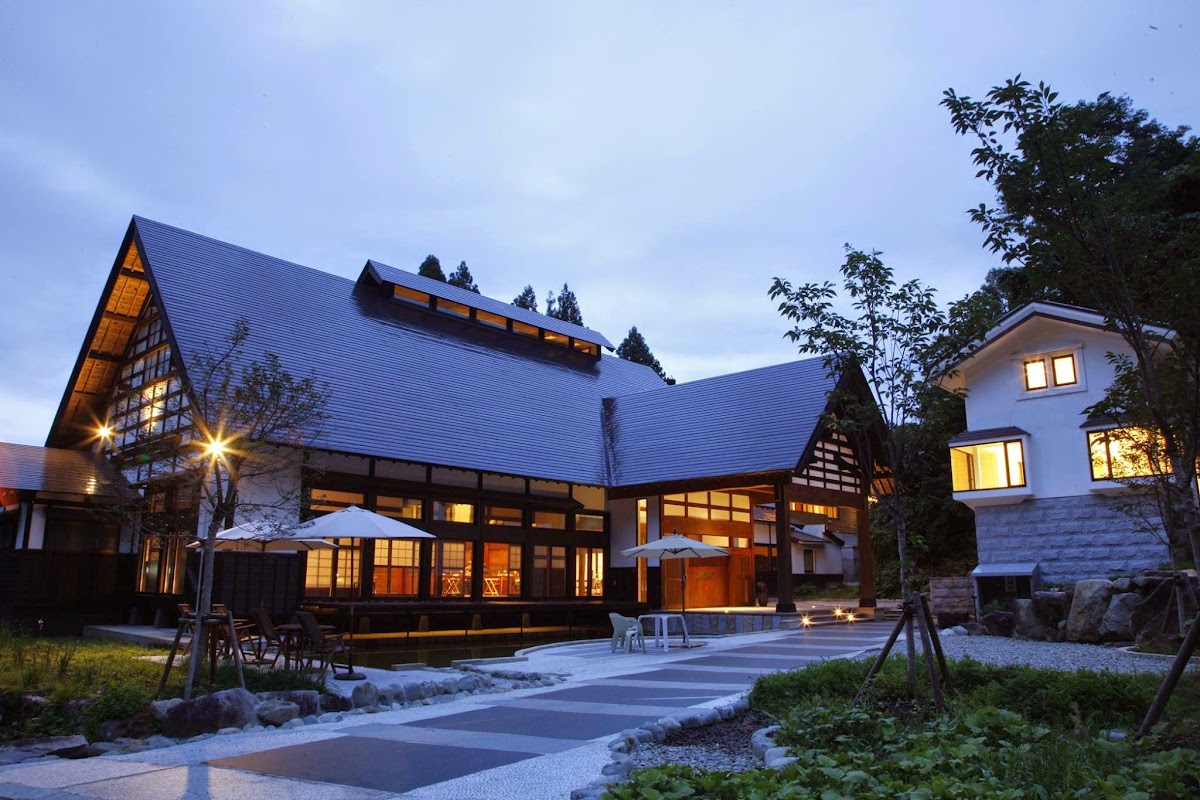
A renovated farmhouse turned design hotel with a library, lounge spaces, and the kind of aesthetic environment that inspires creative work. The communal areas provide natural coworking opportunities, and the rural Niigata setting delivers genuine quiet. The property has embraced the workation concept, with desks in rooms and strong WiFi throughout. The surrounding rice paddies and mountain views shift with the seasons, providing an ever-changing visual landscape.
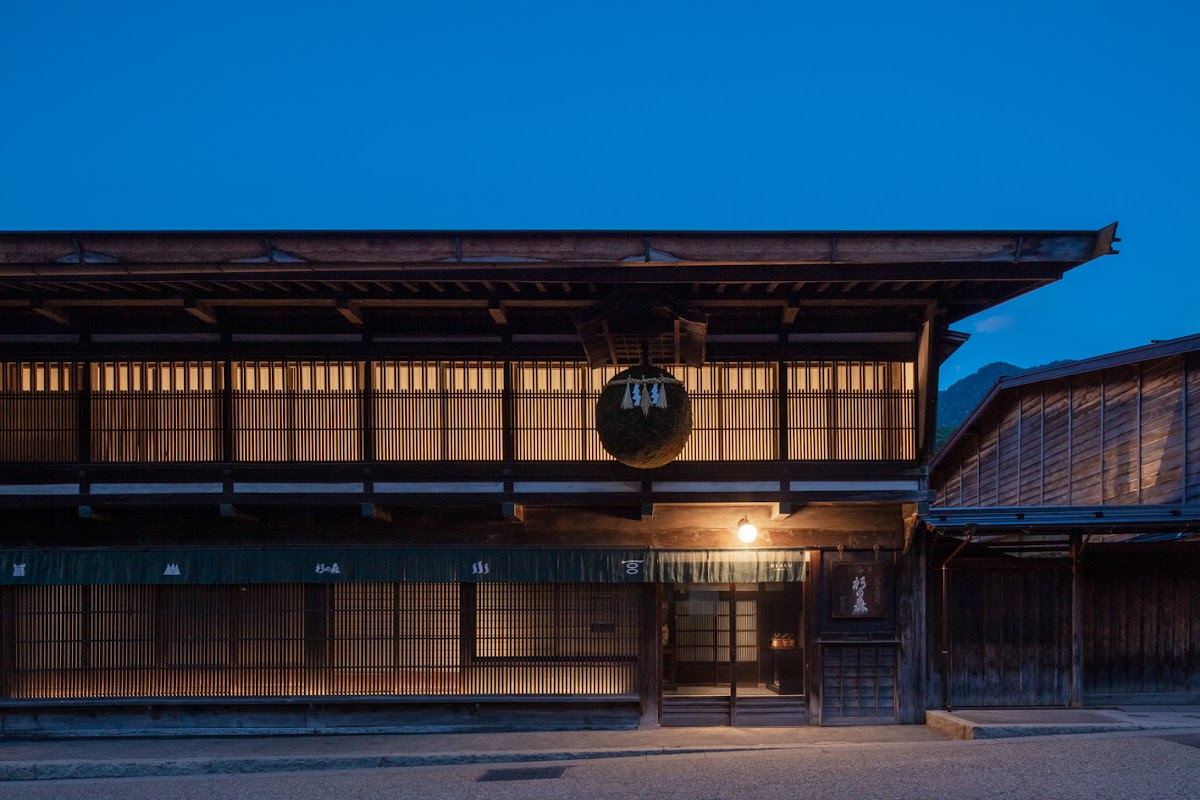
A converted sake brewery in a preserved Edo-period post town on the Nakasendo trail. The hotel's bar and lounge areas function as atmospheric workspaces with WiFi. The Narai-juku setting, a single street of wooden buildings preserved for centuries, provides a sense of being outside time that can be remarkably productive. Afternoon walks through the town and surrounding forest trails offer effective mental resets between work blocks.
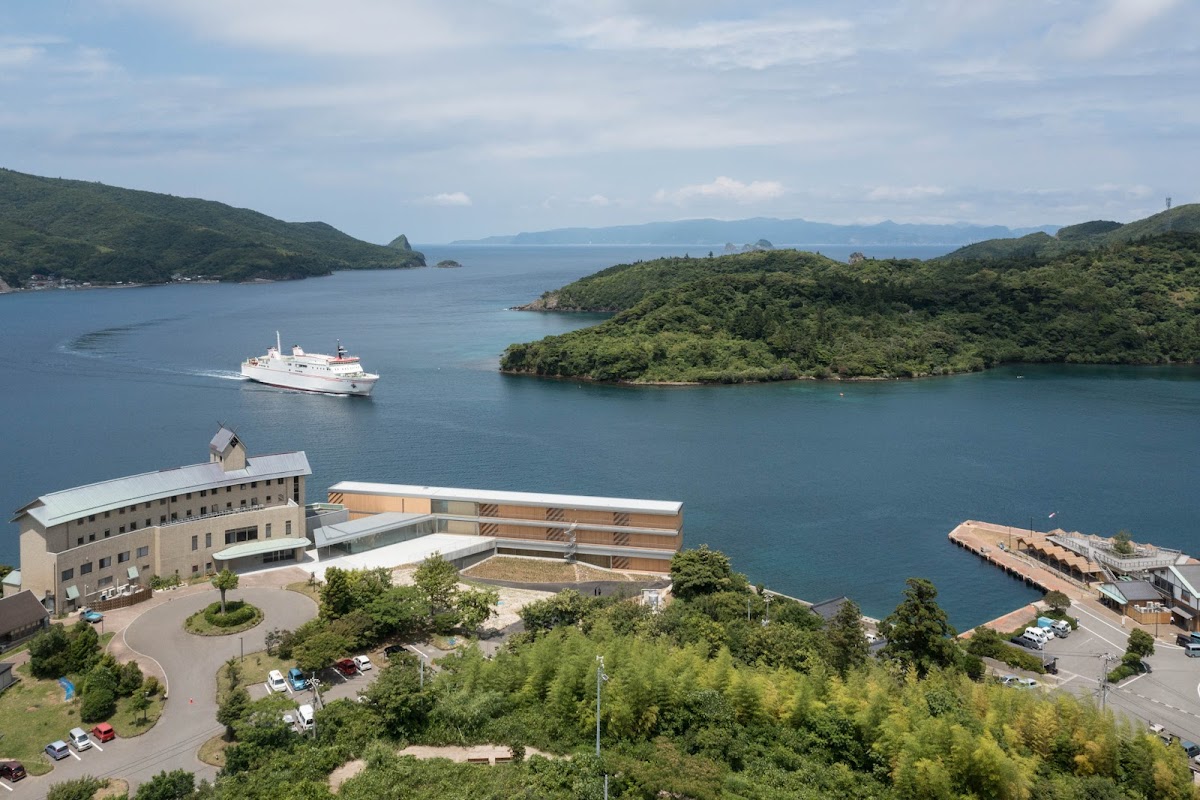
A geo-hotel on the remote Oki Islands, designed with a contemporary sensibility that includes workspace considerations. The extreme remoteness is either a feature or a bug depending on your needs. If your work requires deep focus without distraction, the island isolation is unmatched. The modern facilities include proper WiFi, and the geological landscape provides walks that stimulate thinking. Best for creative professionals and writers on dedicated retreat periods.
Highland Resort Towns
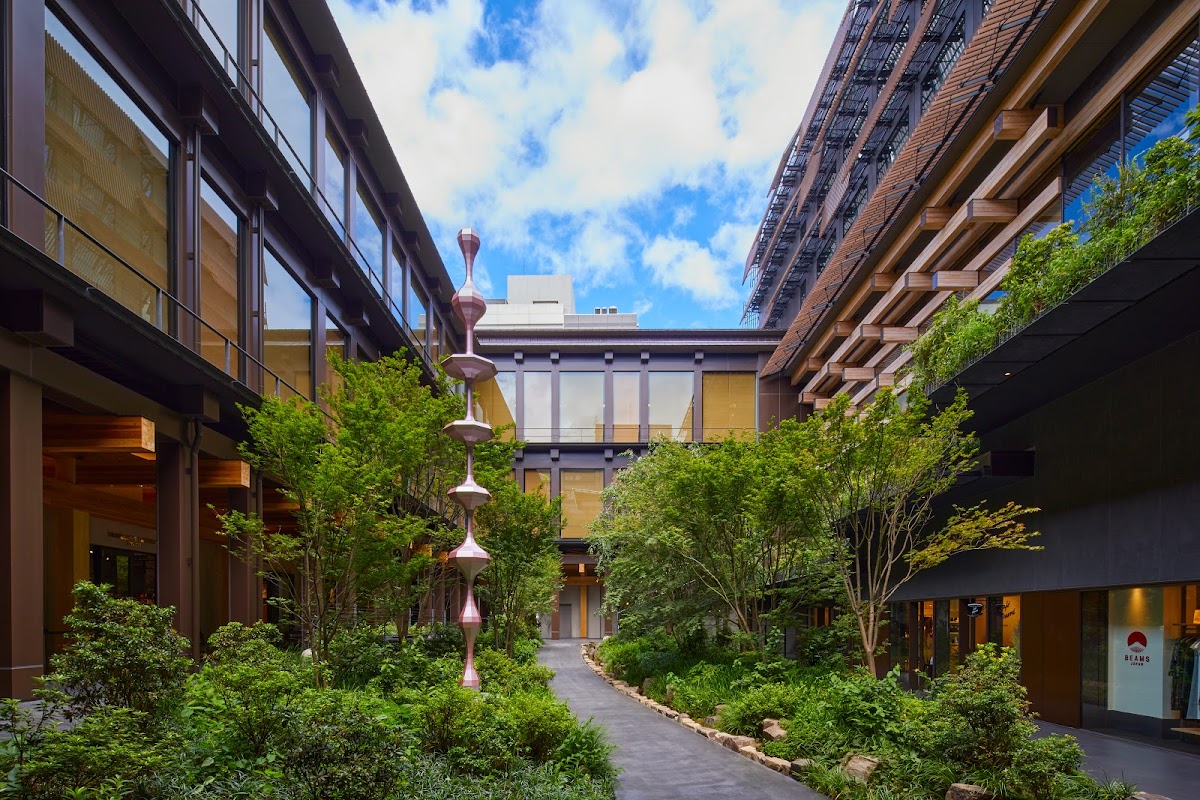
A modern hotel in Karuizawa that embraces the workation concept with rooms designed for extended stays. The fine dining and nature setting provide the quality-of-life upgrade that makes long-term remote work sustainable. Karuizawa's established infrastructure, including the Shinkansen connection to Tokyo in just over an hour, makes it possible to attend occasional in-person meetings without relocating.
A French-Japanese auberge set in the forested hills near Karuizawa. The culinary focus means your meals are taken care of at an exceptional level, freeing mental energy for work. The smaller, more intimate setting compared to large hotels means quieter environments. The mountain views from the restaurant and rooms provide natural beauty without requiring you to seek it out.
Practical Guide for Digital Nomads in Rural Japan
Internet Connectivity
Japan's mobile infrastructure is world-class. Even in rural areas, 4G coverage is reliable, and 5G is expanding. Your connectivity strategy should be: primary WiFi at your accommodation, mobile hotspot as backup. Options include pocket WiFi rental (¥500-1,000/day), prepaid data SIM (¥3,000-5,000 for 30 days), or eSIM providers like Ubigi and Airalo. For critical video calls, test your accommodation WiFi immediately on arrival and have the mobile hotspot ready.
Power and Gear
Japan uses Type A plugs (same as North America) at 100V. Most modern accommodations have sufficient outlets, but traditional ryokan may have limited power access. Bring a multi-port USB charger and a short extension cord. A portable monitor is worth its weight for multi-day stays if your work requires dual screens. Noise-canceling headphones are essential in any shared environment.
Time Zones
Japan Standard Time (JST, UTC+9) works well for teams in Australia and Southeast Asia (minimal offset). US West Coast teams overlap during Japan's evening hours (evening JST = morning PST). European teams have the hardest overlap, with only early morning JST matching late European business hours. Plan your accommodation around your meeting schedule: properties with 24-hour common areas give flexibility for odd-hour calls.
Visa and Legal
Japan's digital nomad visa (launched March 2024) allows stays up to 6 months for remote workers employed by overseas companies, with an annual income requirement of ¥10 million+. For shorter stays, the standard 90-day tourist visa technically doesn't permit "work," but remote work for an overseas employer is generally tolerated. Always check current immigration policies before planning. The digital nomad visa is single-entry and cannot be converted to other visa types.
Workation Plans
Many Japanese accommodations now offer "workation" packages with extended-stay discounts, dedicated workspace, and included meals. These can reduce costs by 30-50% compared to nightly rates. Look for "workation" (ワーケーション) on property websites. Minimum stays of 3-7 nights are typical for workation pricing.
Suggested Itineraries
1-month Nagano circuit: Karuizawa (2 weeks, SANU cabin) → Tateshina (1 week) → Narai-juku/Byaku Narai (1 week). Different environments keep the work fresh while staying in one prefecture for logistical simplicity.
2-week creative retreat: Niigata Satoyama Jujo (1 week) → Sado Island (1 week, Nipponia Sado). Deep countryside immersion for writers, designers, and anyone needing to think differently.
3-month Japan loop: Karuizawa (1 month) → Kyoto (1 month, Ace Hotel for urban base) → Okinawa (1 month, beach/island pace). Variety of environments while maintaining productive routines.
Related Guides
- Solo Travel Ryokan — many digital nomads travel solo
- Best Cabin Stays — private cabins ideal for focused work
- Nagano Nature Stays — Japan's digital nomad hub prefecture
- Nature Stays Near Tokyo — for occasional city access
- Japanese Alps Accommodation — mountain work environments