Konyoku, or mixed-gender bathing, is one of Japan's oldest traditions and one of its most misunderstood. For most of Japanese history, bathing was a communal activity shared by men and women without separation. The practice has declined dramatically over the past century, but it has not disappeared. A handful of historic onsen preserve the tradition, offering travelers a window into a bathing culture that predates modern taboos. This guide covers what konyoku is, where to find it, what to expect, and how to approach it respectfully.
A Brief History of Mixed Bathing
Before the Meiji Restoration of 1868, mixed bathing was the norm across Japan. Public bathhouses (sento) and hot springs accommodated everyone together as a matter of practicality and social custom. Bathing was not considered a private or sexualized activity; it was a communal function, as natural as eating together.
Western influence during the Meiji period brought new attitudes about nudity and gender separation. The government began issuing regulations to separate bathing by gender, partly to present a "modern" image to visiting foreigners. Over the following century, gender-separated bathing became standard, and konyoku retreated to rural, traditional onsen where centuries-old customs were harder to change.
Today, konyoku survives at fewer than 500 facilities nationwide, concentrated in the mountains of Tohoku, the highland onsen of Gunma, and scattered locations across northern Japan. Most are at remote, historic properties where the architecture and water source make separation impractical or where the tradition is considered part of the onsen's identity.
What to Expect at a Konyoku Onsen
If you are imagining a chaotic free-for-all, set that image aside. Konyoku onsen are typically the most serene bathing environments in Japan. The bathers tend to be older couples, families, and serious onsen enthusiasts who revere the tradition. The atmosphere is contemplative, not carnival.
Practical aspects vary by property:
- Entry: Some konyoku baths have a single entrance; others have separate changing rooms for men and women that lead to the same bath.
- Clothing: Traditional konyoku is unclothed, following standard onsen etiquette. Many properties now provide yu-ami (bathing smocks), especially for women, and this is increasingly common.
- Towels: The standard small onsen towel can be used for modesty on the walk to the bath but should not enter the water. Some konyoku allow towel wrapping while in the bath.
- The water: Many konyoku baths are designed with milky or opaque water (such as sulfur springs) that naturally provides modesty once you are immersed.
- Timing: Some properties designate certain hours as women-only for their konyoku baths, giving women dedicated access times.
Notable Konyoku Onsen
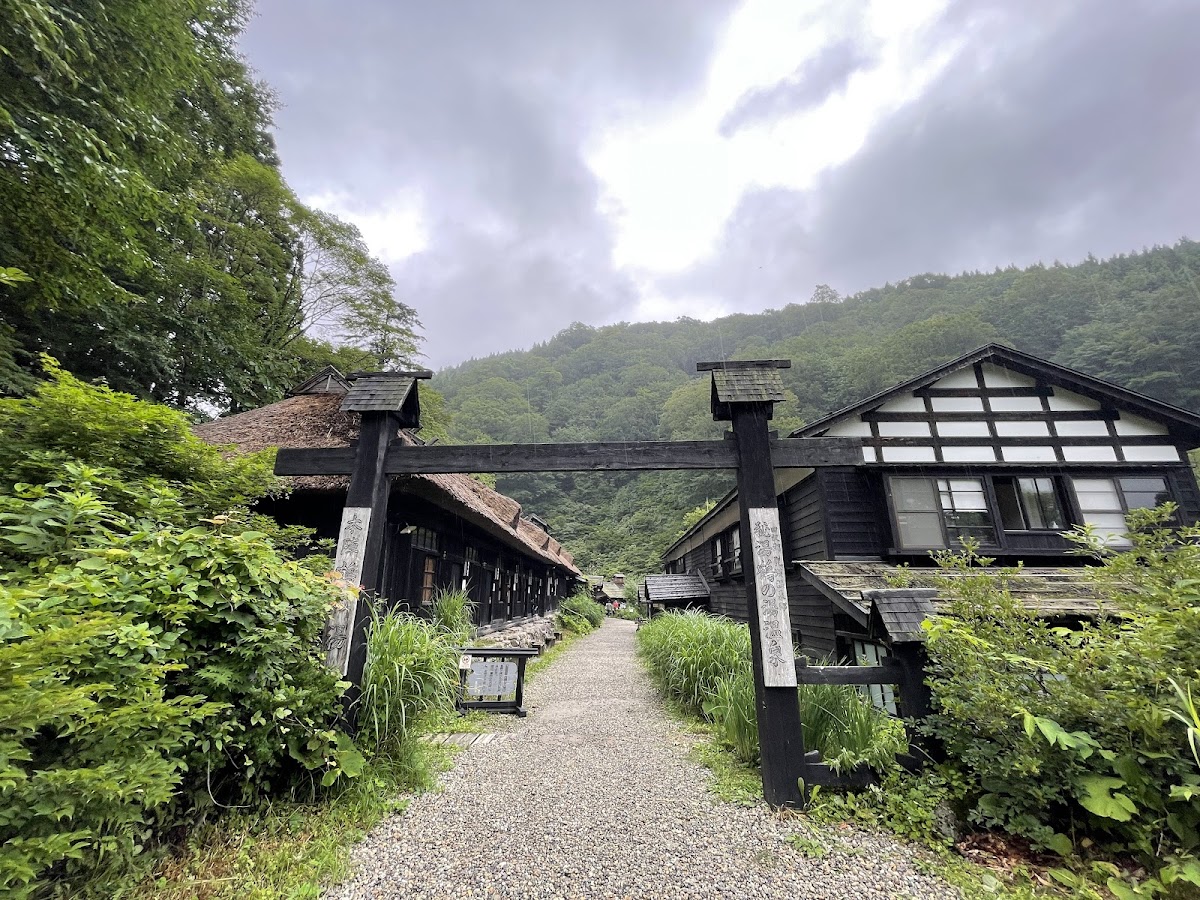
Japan's most famous konyoku bath. The milky white sulfur water of the outdoor bath, surrounded by snow-laden trees in winter and lit by oil lamps, is one of the most photographed onsen scenes in the world. The opaque water provides natural modesty. Separate gender baths are also available. The thatched-roof buildings date back 350 years.
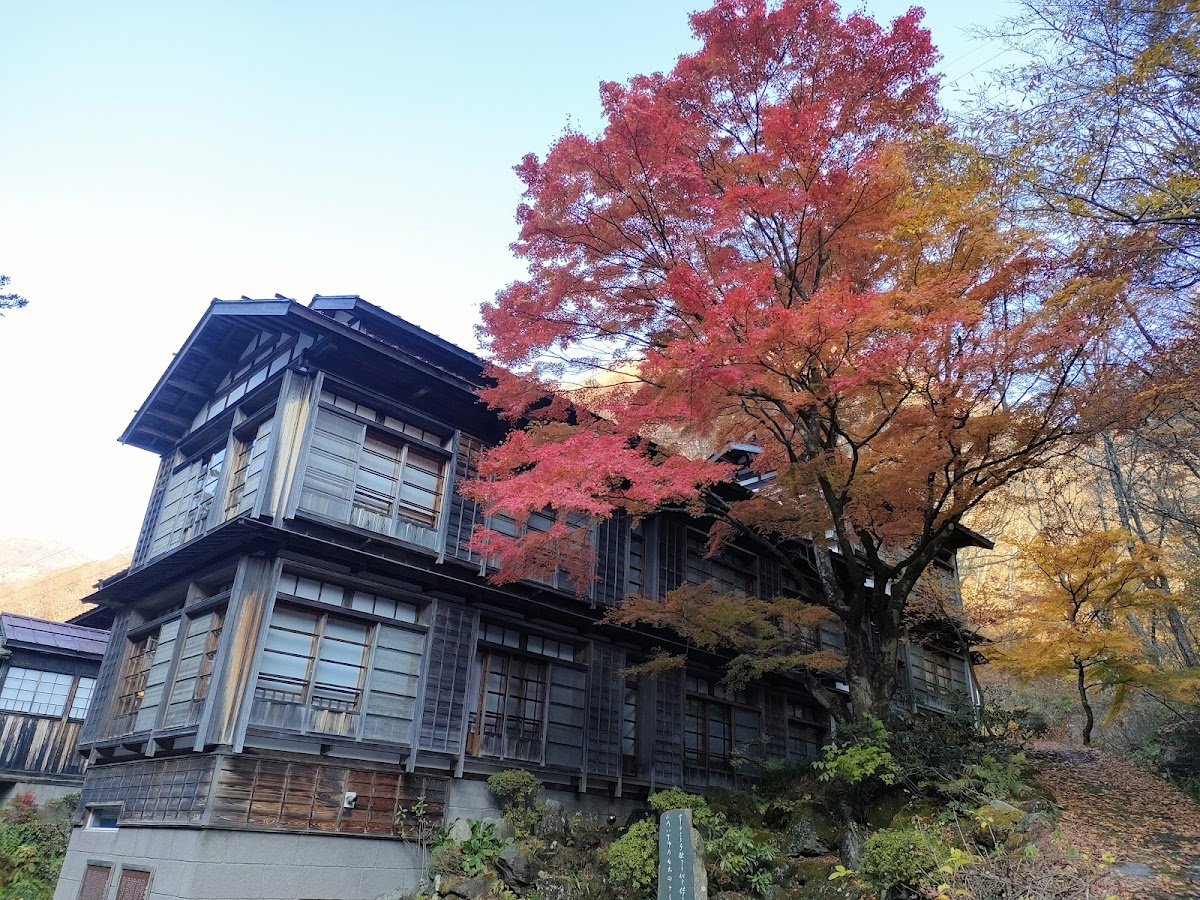
The legendary wooden bathhouse at Hoshi Onsen, designated a national cultural property, features a large mixed bath where hot spring water bubbles up directly through the stone floor. The Meiji-era architecture, with high windows casting shafts of light through steam, is cathedral-like. Women-only hours are available. This is one of Japan's most beautiful bathing spaces.
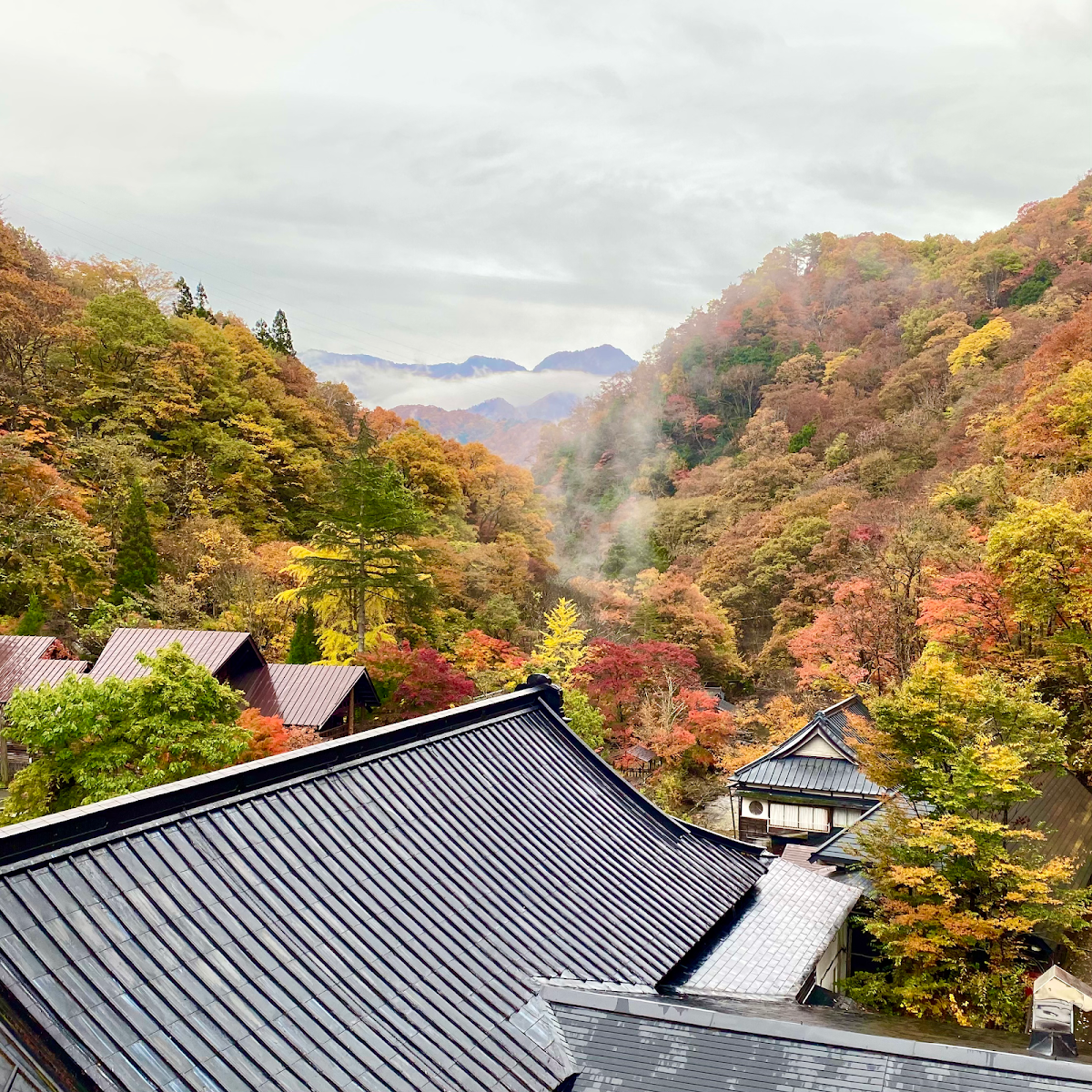
Set along the Takara River in a deep mountain valley, Takaragawa features four massive outdoor baths, three of which are konyoku. Bathing garments (yu-ami) are required in the mixed baths, making this one of the most accessible konyoku experiences for first-timers. The scale of the baths and the riverside setting are spectacular.
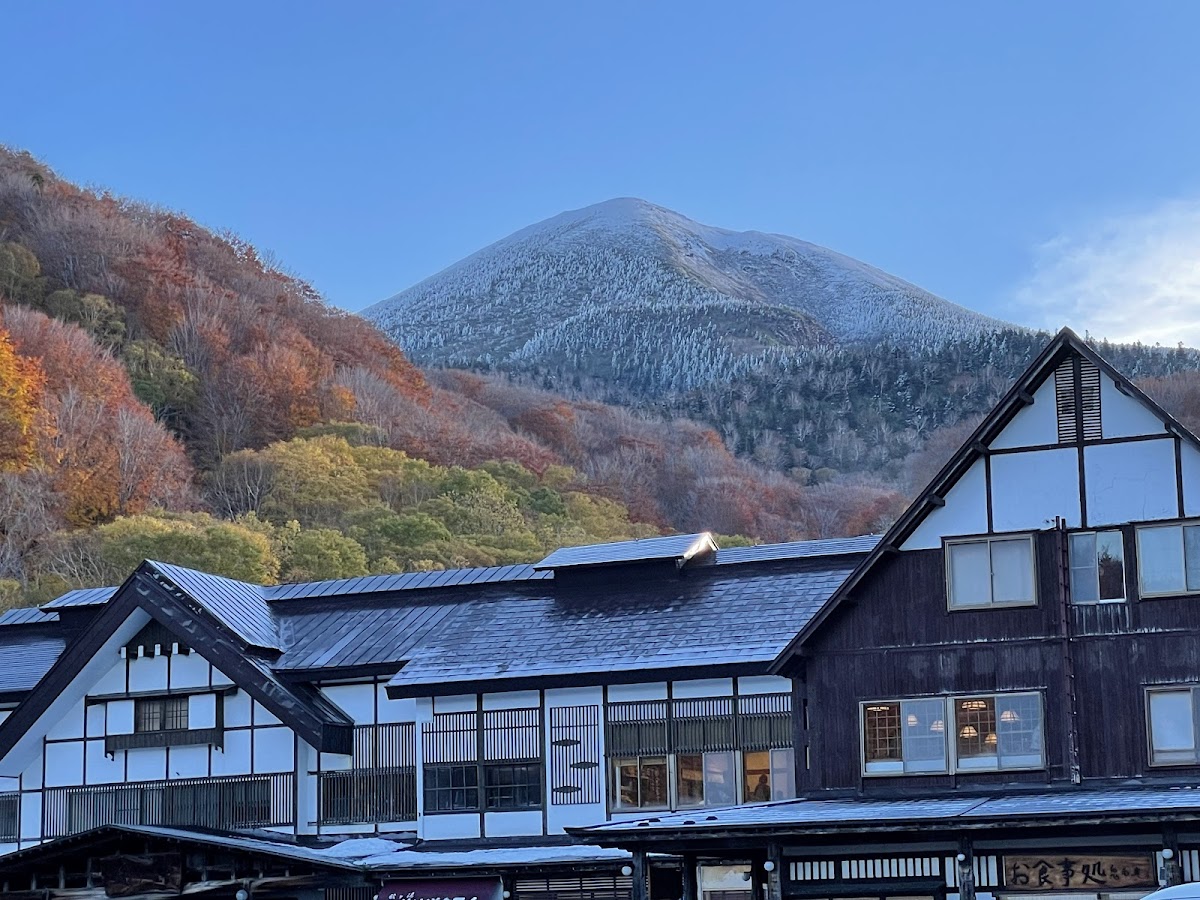
The "1,000-person bath" (sennin-buro) at Sukayu is a vast indoor mixed bath with a cypress ceiling and acidic sulfur water. Despite the name, it typically holds far fewer bathers in a cavernous space. Women-only hours are available. The Hakkoda mountain setting receives some of Japan's heaviest snowfall.
Etiquette for Konyoku Bathing
All standard onsen etiquette applies at konyoku baths, plus additional considerations:
- Wash thoroughly before entering. Use the shower stations or wash area. This is non-negotiable at any onsen.
- Do not stare. This is the most important konyoku-specific rule. Keep your gaze neutral. Looking around at the scenery, the water, or closing your eyes are all appropriate. Staring at other bathers is not.
- Enter and exit calmly. Do not make a spectacle of entering or leaving the bath. Move with the same quiet confidence you would at any onsen.
- Keep conversation appropriate. Speak softly if at all. The atmosphere at konyoku baths is typically quieter than gender-separated baths.
- Respect personal space. In a large bath, maintain generous distance from other bathers.
- If yu-ami or towels are provided, use them. When the property provides bathing garments for mixed bathing, wearing them is expected, not optional.
- No photography. This should go without saying, but phones and cameras are absolutely forbidden in any onsen area.
Tips for Women Visiting Konyoku
Women who want to try konyoku but feel uncertain can use these strategies:
- Choose properties with opaque water. Sulfur springs like Tsurunoyu's milky white bath provide natural coverage once you are immersed.
- Go early morning. First thing in the morning (6:00-7:00 AM) is typically the quietest time at any onsen.
- Use women-only hours. Many konyoku properties designate specific hours for women-only access. Check at check-in.
- Start with properties that require yu-ami. Takaragawa Onsen requires bathing garments in mixed baths, making it the most comfortable introduction to konyoku.
- Bring a companion. Going with a partner, friend, or family member makes the experience more comfortable.
- Remember: separate baths are also available. Every konyoku property also has gender-separated baths. You can experience the property's water without using the mixed bath.
Konyoku vs. Kashikiri-buro: Understanding the Difference
Konyoku (mixed communal bathing) is fundamentally different from kashikiri-buro (private reservable baths):
- Konyoku: A communal bath open to all genders simultaneously. Public space with other guests present.
- Kashikiri-buro: A private bath you reserve for your exclusive use (as a couple, family, or individual). Complete privacy.
If you want to bathe with your partner in private, kashikiri-buro is what you want. If you are interested in the cultural experience of traditional mixed communal bathing, konyoku is the tradition. Many travelers confuse the two.
Frequently Asked Questions
Konyoku (mixed-gender bathing) is Japan's oldest bathing tradition. Once universal, it now survives at fewer than 500 facilities, mostly at historic mountain onsen where the practice is integral to the property's identity.
Not always. Many modern konyoku facilities provide bathing garments (yu-ami). Takaragawa Onsen requires them. Traditional properties may follow nude bathing customs. Always check the specific property's rules.
Reputable konyoku onsen maintain strict behavior standards. Most bathers are respectful onsen enthusiasts, older couples, and families. Properties like Tsurunoyu have centuries of tradition behind appropriate behavior. Women-only hours are available at most properties.
The best-known are Tsurunoyu in Akita, Hoshi Onsen Chojukan in Gunma, Takaragawa Onsen in Gunma, and Sukayu Onsen in Aomori.
For more onsen experiences, explore our guides to onsen mineral types, open-air rotenburo bathing, riverside onsen, and onsen etiquette. Browse all onsen properties on our map.