Japan's nature is compressed and varied. Within seven days, you can move from volcanic mountain valleys to ancient cedar forests, from thermal river gorges to coastlines where mountains plunge into the sea. This itinerary traces a route from Tokyo westward through the Japanese Alps and back, hitting Japan's major landscape types: mountain, forest, onsen, and coast. Each night is spent at a property that embeds you in the landscape rather than simply providing a view of it.
Best seasons: Late April-June (fresh green, wildflowers), late September-November (foliage, clear skies). July-August is hot at lower elevations but pleasant in the Alps. Winter requires route modifications as Kamikochi closes.
Day 1: Tokyo to Hakone - Volcanic Mountains & Onsen
Depart Tokyo mid-morning. Take the Romancecar from Shinjuku to Hakone-Yumoto (85 min, reserved seats, views of the Tanzawa Mountains along the way). Alternatively, Shinkansen to Odawara (35 min) + Hakone-Tozan Railway.
Afternoon: Check into your ryokan. If energy permits, ride the Hakone-Tozan mountain railway through switchback forests, or visit the Open Air Museum for Picasso, Moore, and mountain views. The museum is genuinely excellent, not a tourist obligation.
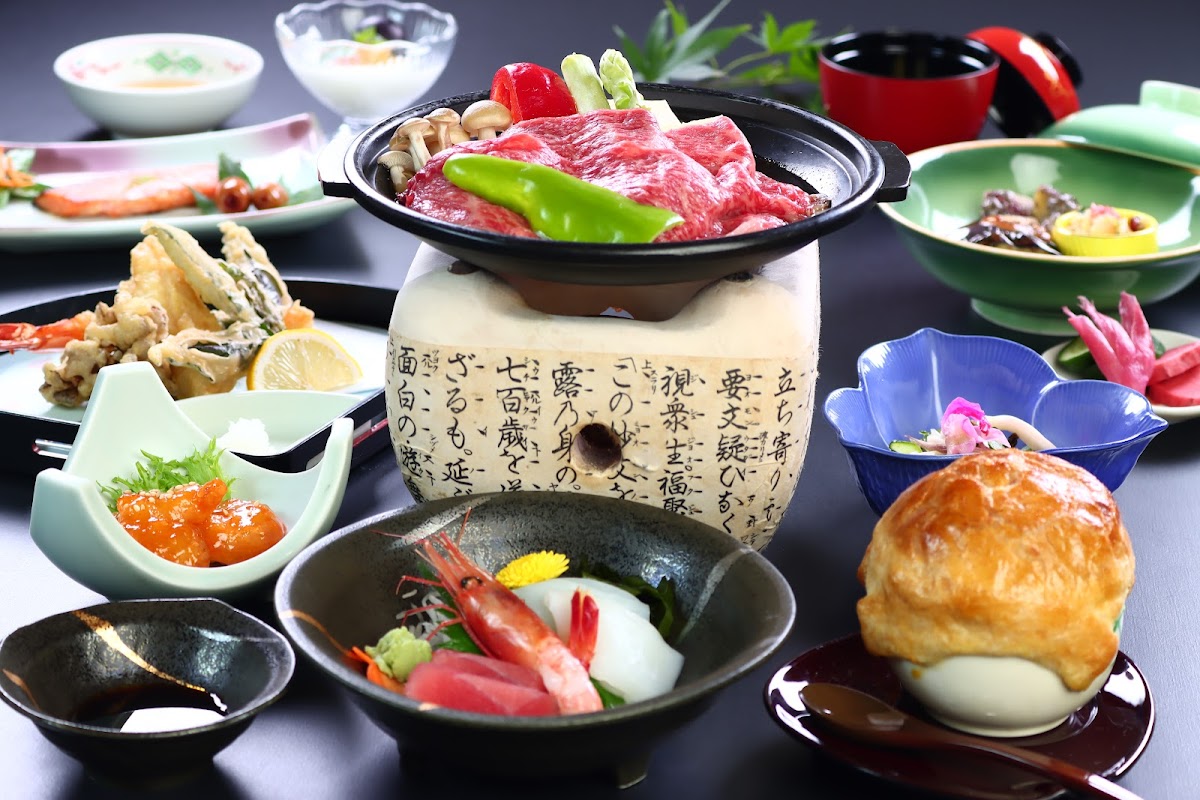
Evening: First kaiseki dinner. This will set the pattern for the week: multi-course seasonal cuisine, in-room or private dining, and your first onsen bath of the trip.
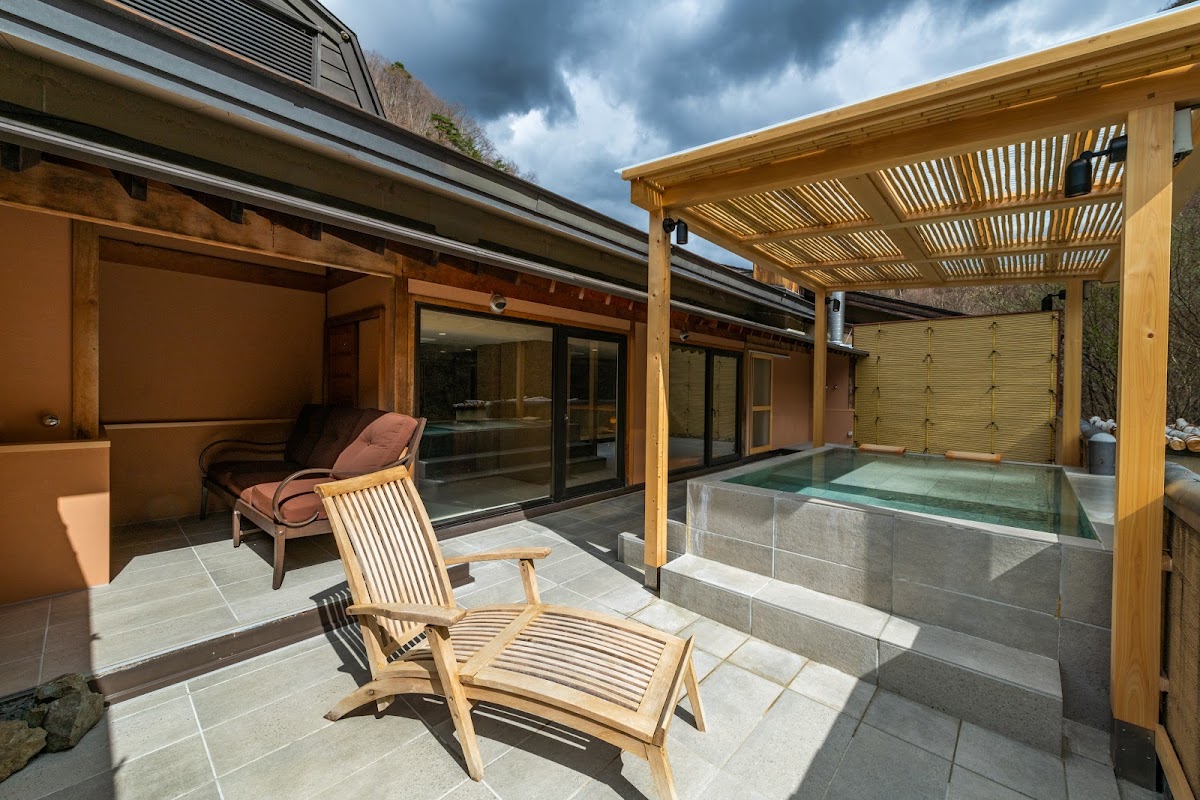
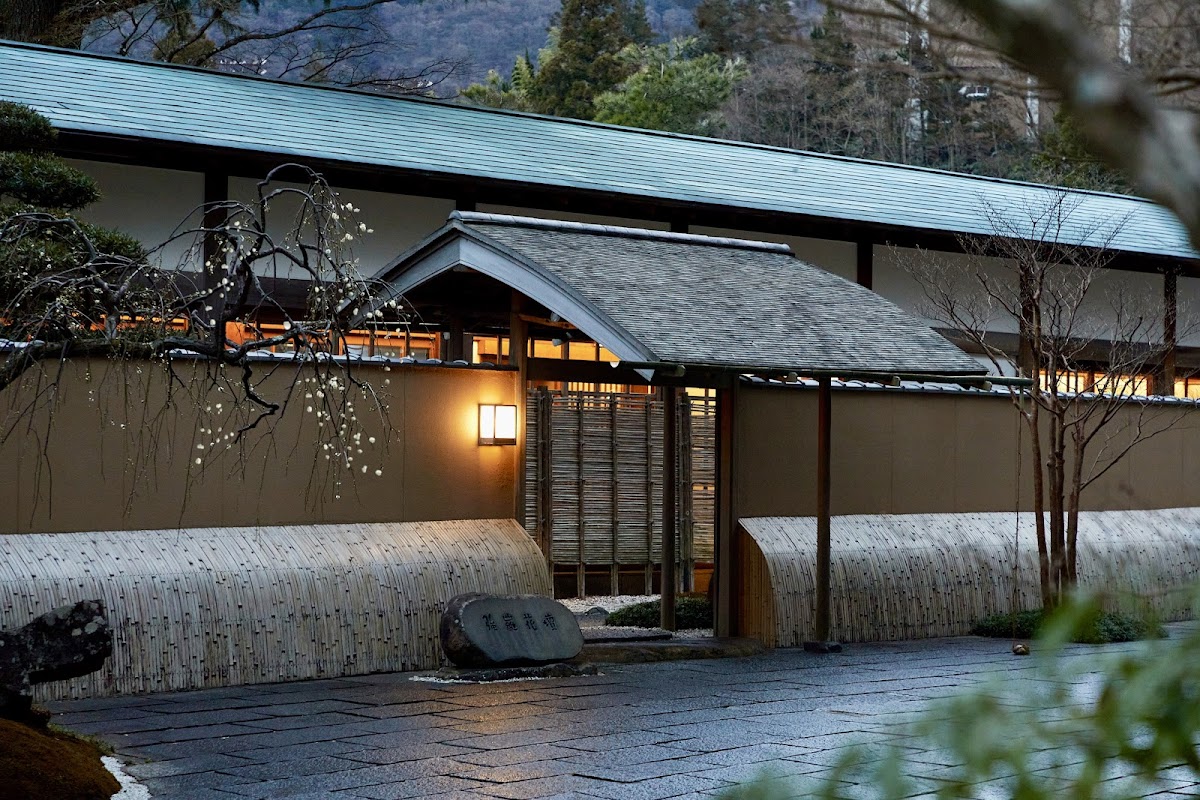
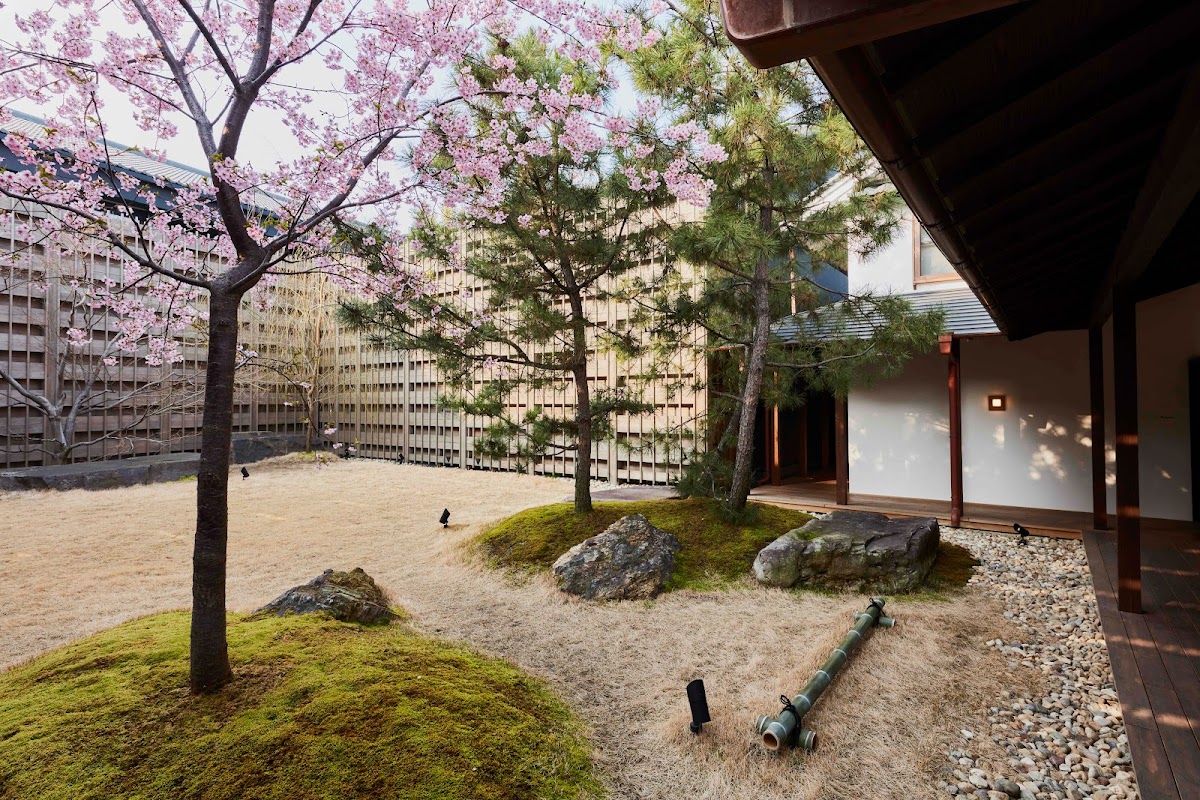
Former imperial summer villa with private onsen and exceptional kaiseki. The ideal introduction to ryokan culture: elegant, accessible, and set in Hakone's volcanic landscape with views of forested mountains.
Alternatives: Gora Hanaougi (private onsen in every room), Fufu Hakone (spa-focused), Yoshimatsu (river gorge setting).
Transport cost: Romancecar ¥2,330. Hakone Freepass (2 days, all local transport) ¥6,100.
Day 2: Hakone - Full Day Mountain Exploration
Morning: Early onsen bath before breakfast (the bath will be quieter). Japanese breakfast at the ryokan.
Daytime: Use the Hakone Freepass to loop through the volcanic landscape: cable car over Owakudani (active volcanic vents, sulfur eggs), ropeway down to Lake Ashi, pirate ship across the lake with Mt. Fuji views (clear days), return via bus through mountain roads. The full loop takes 4-5 hours at a relaxed pace.
Afternoon: Return to ryokan for afternoon onsen, or visit Hakone Amazake Chaya, the 400-year-old tea house on the old Tokaido road.
Evening: Second night's kaiseki will feature entirely different courses from the first night.
Day 3: Hakone to Matsumoto - Into the Alps
Morning: Check out after breakfast. Take the Hakone-Tozan Railway to Odawara, then Shinkansen to Nagoya (1h), then Limited Express Shinano to Matsumoto (2h). Total journey approximately 4 hours. Alternatively, drive via the Chuo Expressway (3.5h).
Afternoon: Visit Matsumoto Castle, one of Japan's five original castles, its black walls dramatic against the Alps backdrop. Walk the town's Nakamachi district of converted kura (storehouses) for craft shopping and soba noodles. Matsumoto's soba is among Japan's best.
Evening: Settle into mountain ryokan near Matsumoto. The transition from Hakone's rounded volcanic hills to the jagged Northern Alps is dramatic.
Mountain onsen ryokan with film-famous outdoor baths surrounded by forest. The milky sulfur spring water is some of the most atmospheric in the Alps region. Mountain views and forest immersion from an elevation of 1,000 meters.
Day 4: Kamikochi - Alpine Valley Day
Morning: Depart early for Kamikochi (1.5h by bus from Matsumoto, private cars prohibited). Enter the valley as mist lifts off the Azusa River, revealing 3,000-meter peaks.
Daytime: Walk the valley trails. The Kappa Bridge to Myojin Pond trail (2h round trip) is the essential route: crystal-clear river, mountain reflections, wildflowers in season. More ambitious hikers can extend to Tokusawa (4-5h round trip). The landscape here is Japan's Yosemite: a glacier-carved valley at 1,500 meters surrounded by the Northern Alps' highest peaks.
Evening: Return to Matsumoto area. Dinner celebrating Shinshu cuisine: soba, mountain vegetables, Shinshu salmon, local sake.
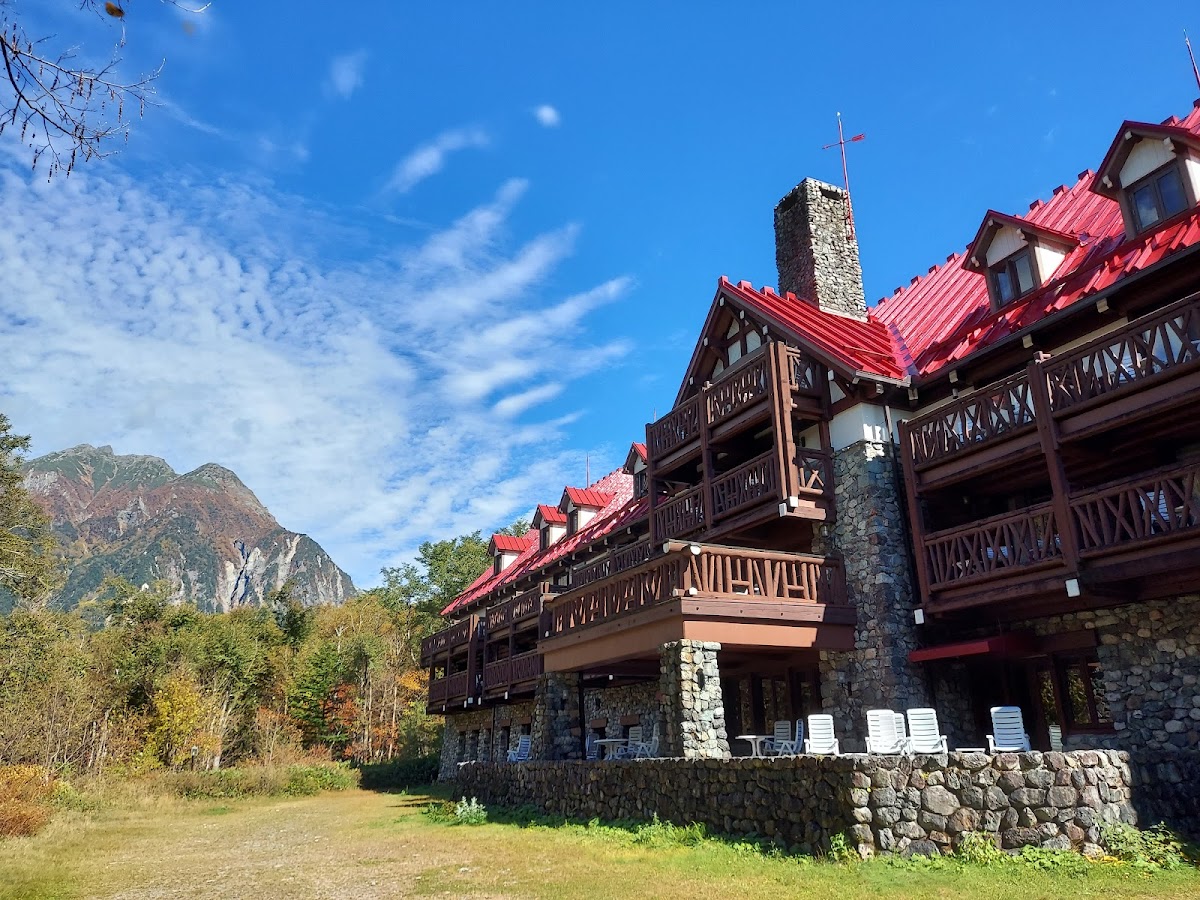
If you want to stay overnight in the valley (highly recommended for the dawn light), the Imperial Hotel is the iconic choice. Open May-November only. Book well ahead.
Day 5: Matsumoto to Takayama - Mountain Culture
Morning: Drive or bus over the mountains to Takayama (2h). The route via Norikura or Hirayu Onsen is spectacular in autumn.
Daytime: Explore Takayama's Sanmachi Suji, the preserved Edo-period merchant district. Visit the morning markets (asa-ichi) at Jinya-mae and along the Miyagawa River. Sample Hida beef: skewered, as sushi, or as croquettes from street vendors. Visit one of the sake breweries open for tasting.
Afternoon: Optionally detour to Shirakawa-go (50 min from Takayama), a UNESCO World Heritage village of thatched-roof gassho-zukuri houses. The mountain setting and architectural preservation make it one of Japan's most photogenic villages.
Traditional mountain-town ryokan with irori hearth cooking and Hida beef kaiseki. Walking distance from the preserved merchant district and morning markets. Mountain views from the property.
Alternative: Wanosato Hida for a restored farmhouse experience with irori hearth cooking.
Day 6: Takayama to Niigata Snow Country - Rice & River
Morning: Drive or take the Wide View Hida to Nagoya (2.5h), then Shinkansen to Echigo-Yuzawa (2.5h). Alternatively, drive through the mountains via Matsumoto (4h). The total transit is significant, but the landscape transition from Alpine to Snow Country is dramatic.
Afternoon: Arrive in Niigata's snow country, the setting of Kawabata's Nobel Prize-winning novel. The landscape is fundamentally different: rice paddies, river valleys, heavy timber architecture built to withstand 3-meter snowfalls. Visit Ponshukan sake museum at Echigo-Yuzawa station for an introduction to Niigata's 90+ sake breweries.
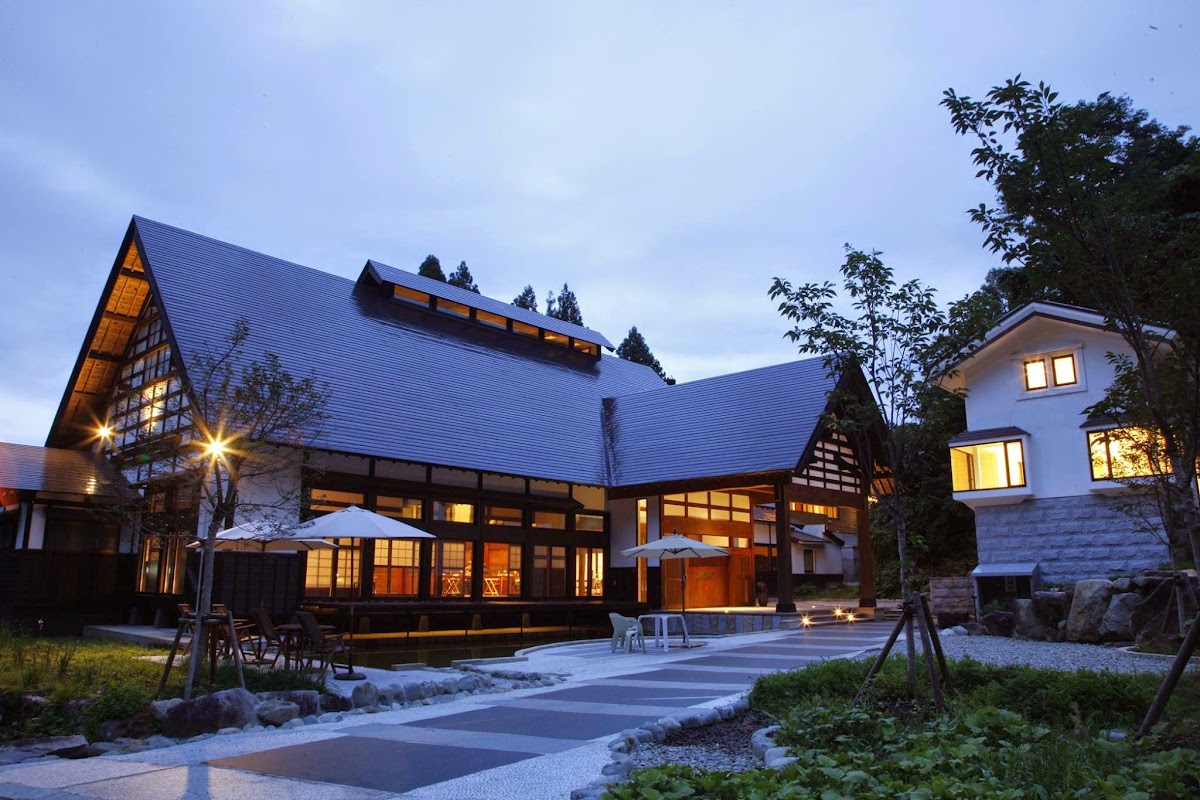
150-year-old building renovated into a design destination. Floor-to-ceiling windows frame rice paddies and mountains. Koshihikari rice from surrounding fields, legendary sake, and design-forward hospitality in deep snow country.
Alternative: Hatago Isen for French-Japanese gastronomy.
Day 7: Snow Country to Tokyo - Return via Coast or Express
Morning: Final Japanese breakfast. Walk the rice paddies or visit Ryugon, a historic sake estate nearby.
Option A (direct return): Joetsu Shinkansen from Echigo-Yuzawa to Tokyo (1.5h). Arrive by lunchtime for a final afternoon in the capital.
Option B (coastal detour): Drive to Murakami on the Sea of Japan coast (2h) for salmon culture, traditional machiya streets, and coastal scenery. Continue south to Niigata city, then Shinkansen to Tokyo (2h). This adds 4-5 hours but provides an ocean finale to the mountain trip.
Option C (extend to Sado Island): Ferry from Niigata to Sado Island (2.5h) for an additional 1-2 days of coastal nature, taiko drumming, and gold mine heritage.
Logistics & Costs
- Total transport: Approximately ¥30,000-40,000 per person by rail (JR Pass covers most routes). A 7-day JR Pass costs ¥50,000 but covers unlimited travel.
- Accommodation: Budget ¥35,000-80,000 per person per night at the ryokan on this route (meals included).
- Rental car alternative: ¥7,000-10,000/day. Recommended for Days 3-6 for flexibility in the Alps region. Drop off in Echigo-Yuzawa.
- Total budget range: ¥350,000-600,000 per person for 7 days (accommodation, transport, incidentals).
- Luggage: Use takkyubin (forwarding service, ~¥2,000 per bag) to send luggage ahead between distant ryokan. Travel light between properties.
Frequently Asked Questions
This 7-day route from Tokyo through the Japanese Alps covers mountains, forests, onsen, and coast. Start in Hakone, continue to the Northern Alps, explore Takayama's mountain culture, and finish in Niigata's snow country.
Seven days covers one region well. For multiple regions (Alps + Tohoku + Kyushu), plan 10-14 days. Even a 3-day trip to Hakone from Tokyo provides meaningful nature immersion.
For regional variations, see our Hokkaido road trip, Tohoku onsen trail, Japanese Alps trek, and Kyushu onsen circuit.