Hokkaido is Japan's frontier. The northernmost main island has more in common with Scandinavia than with Kyoto: vast landscapes, low population density, abundant wildlife, and roads that stretch to the horizon through farmland, forest, and volcanic terrain. A Hokkaido road trip is the antithesis of the typical Japan rail journey. Here, the space between destinations is the attraction: fields of lavender, birch forests, volcanic caldera lakes, and coastlines where brown bears fish in rivers.
This 5-day route loops from New Chitose Airport through Hokkaido's most spectacular landscapes, with each night spent at a property that deepens the connection to its specific environment.
Day 1: New Chitose Airport to Niseko - Birch Forest Immersion
Morning: Pick up rental car at New Chitose Airport. Drive west toward Niseko (2.5h). The route passes through Hokkaido's agricultural heartland: rolling hills, dairy farms, and the distinctive Hokkaido landscape of wide skies and birch-lined roads.
Afternoon: Arrive in the Niseko area. In summer, the hiking trails on Mt. Annupuri and the surrounding mountains offer wildflower meadows and panoramic views. In winter, Niseko's powder snow is legendary. Year-round, the birch and conifer forests that surround the town provide the setting for some of Japan's finest accommodation.
Evening: Check into your forest accommodation. First Hokkaido dinner: the island's produce is extraordinary, including dairy products that rival European quality, seafood from surrounding seas, and Wagyu beef from Kamifurano.
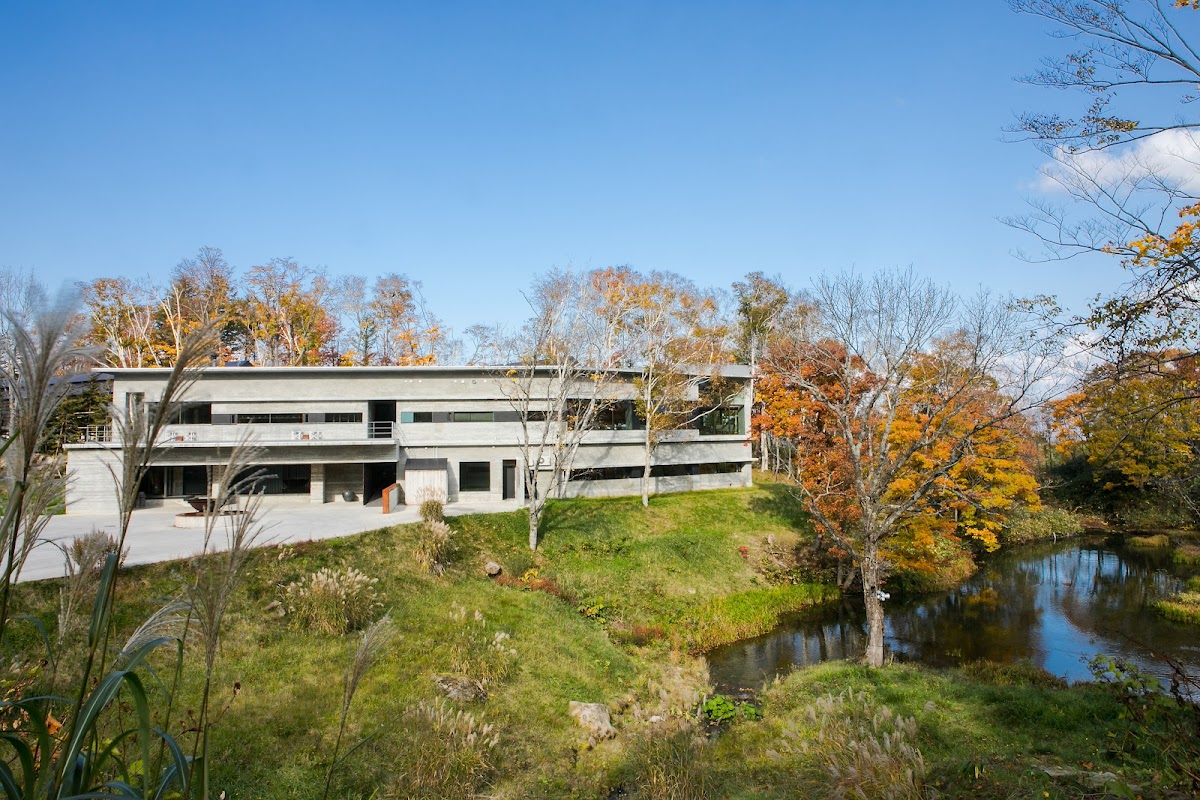
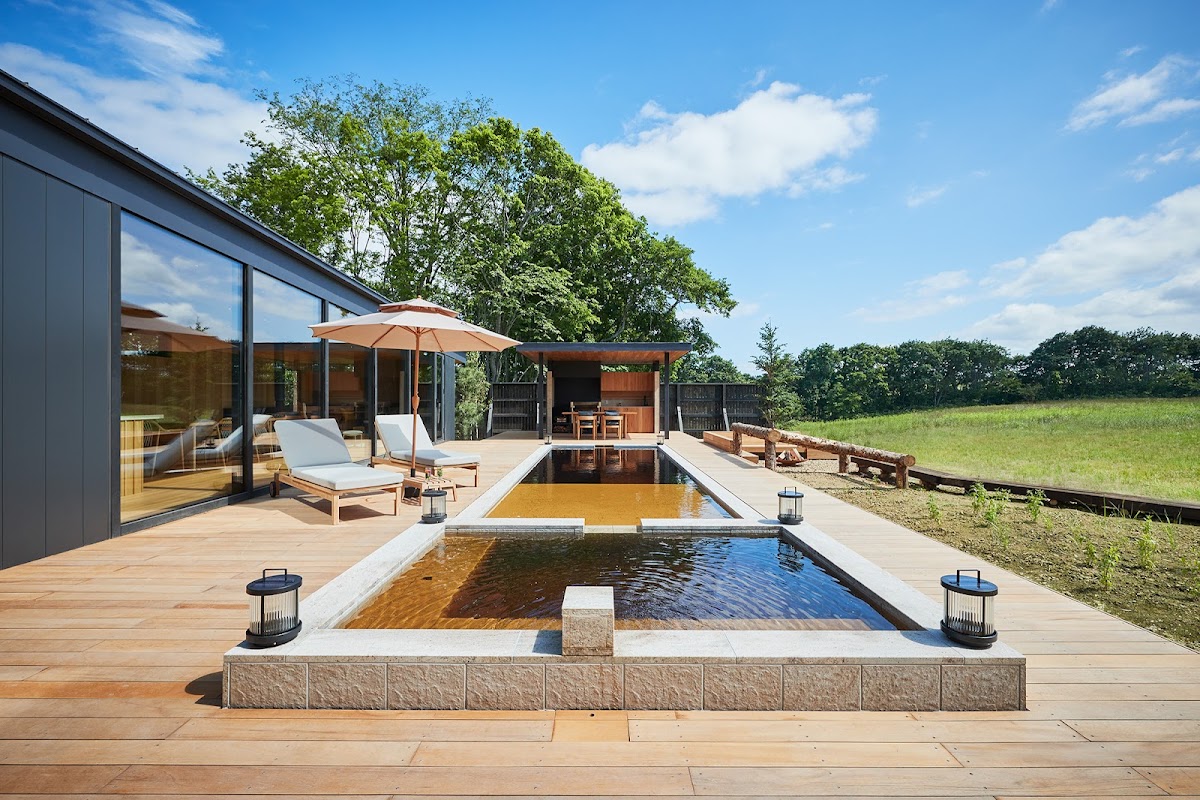
Private villas in birch forest with double onsen baths. The benchmark for Hokkaido luxury accommodation. Kaiseki dinner features the island's extraordinary bounty: uni, king crab, Wagyu, and seasonal vegetables.
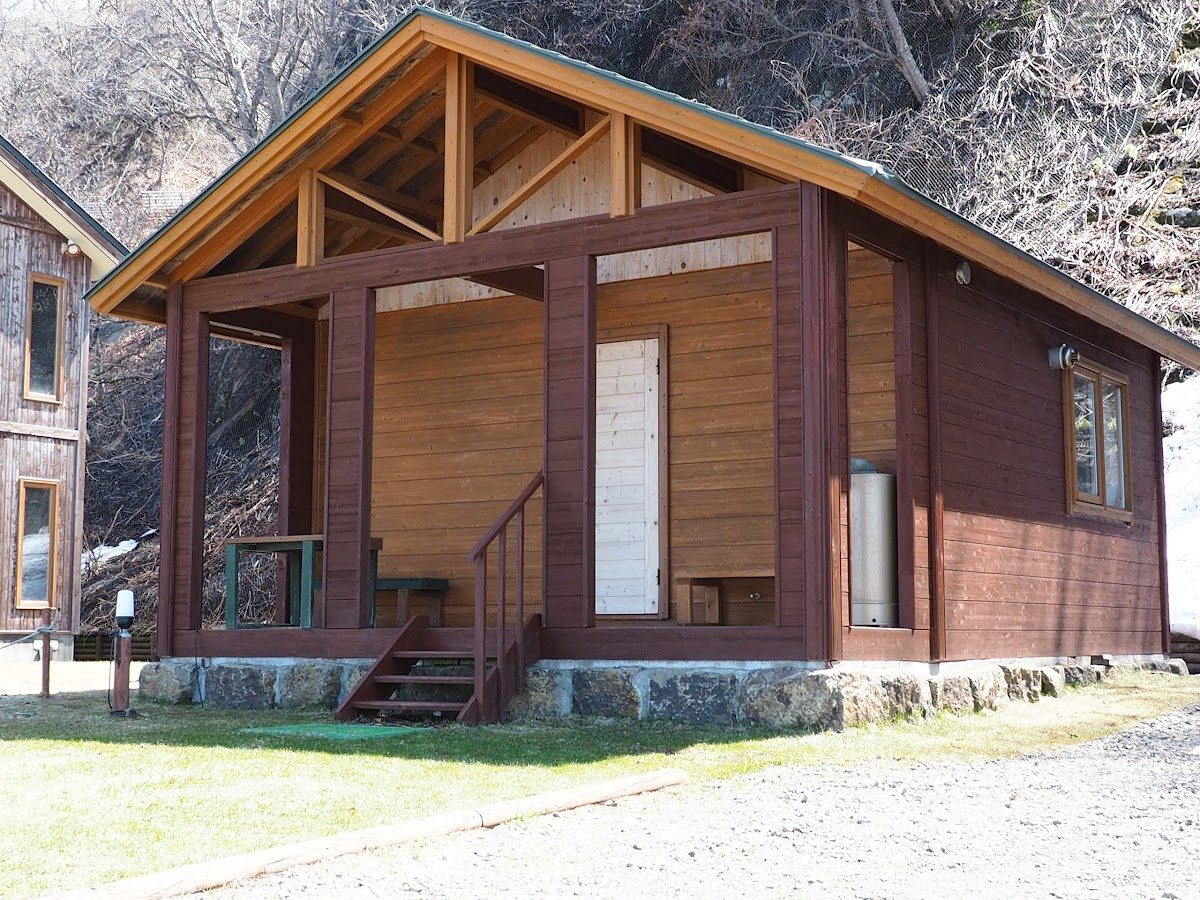
Alternatives: Shiguchi (reclaimed timber retreat), Niseko Konbu Onsen Moku no Sho (forest onsen), Andaru Collection (forest villas for groups).
Day 2: Niseko Area - Mountain & Forest Day
Morning: Explore Niseko's natural landscape. Options: hike Mt. Annupuri (3-4h round trip, panoramic views of Mt. Yotei), walk the Shinsen-numa marshland trail (1h, easy boardwalk), or drive to Cape Kamui on the Shakotan Peninsula (1.5h each way) for dramatic sea cliffs.
Afternoon: Visit Niseko's craft scene: local cheese makers, bakeries using Hokkaido flour and butter, and craft beer breweries. Or soak in one of the area's many onsen: Goshiki Onsen (5 colors of water) and Yukichichibu Onsen (milky sulfur) are favorites.
Evening: Second night in Niseko. If staying at Zaborin, the second kaiseki menu will be entirely different from the first.
Day 3: Niseko to Noboribetsu - Volcanic Onsen Capital
Morning: Drive east to Noboribetsu (2h). The route passes through Hokkaido's interior, with views of the Toya caldera and volcanic landscape.
Midday: Stop at Lake Toya, a caldera lake with a volcanic island at its center. The lakeside promenade offers views of Mt. Usu, which last erupted in 2000. The Volcano Science Museum provides context for the geological forces that shape Hokkaido.
Afternoon: Arrive in Noboribetsu. Walk through Jigokudani (Hell Valley), a volcanic crater where steam vents, boiling pools, and sulfurous fumaroles create an otherworldly landscape. The colors range from rust red to sulfur yellow to mineral blue. This is the geological engine that powers the town's extraordinary onsen.
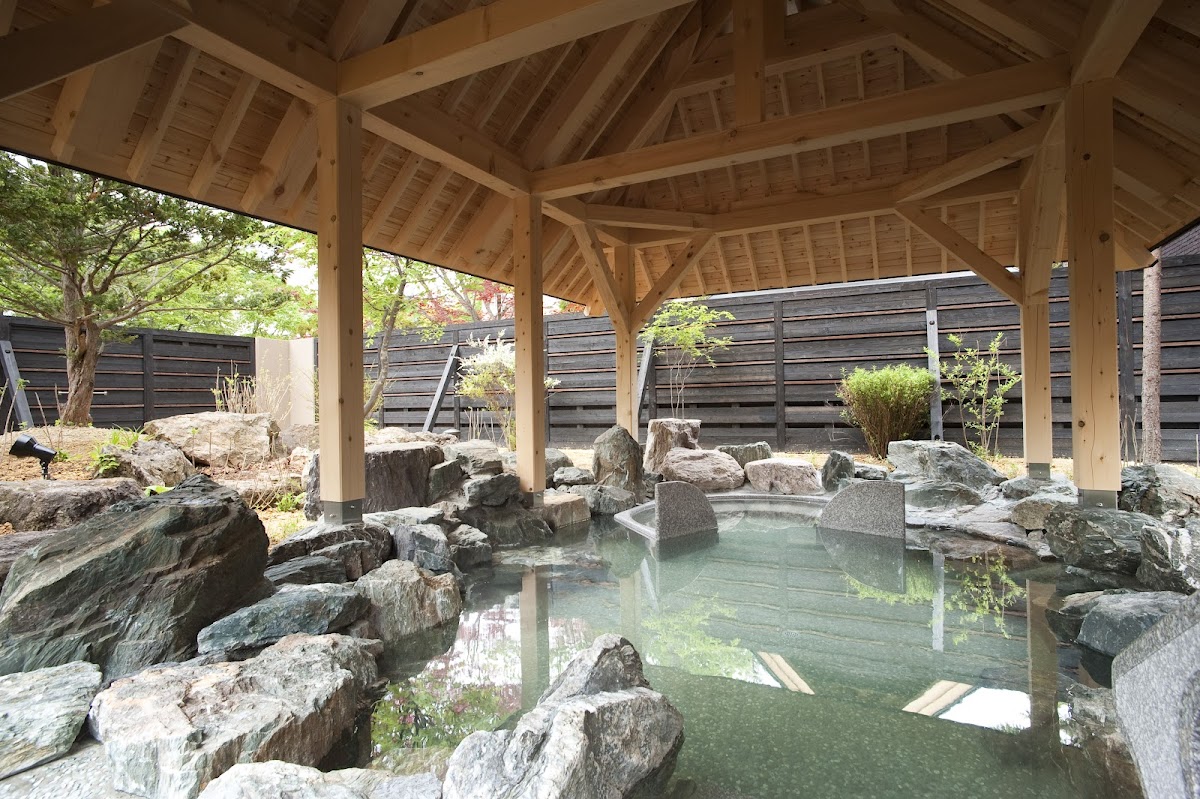
Evening: Check into your onsen hotel. Noboribetsu has the widest variety of spring types of any single onsen area in Japan: sulfur, iron, salt, radium, and more. Your property may offer multiple bath types.
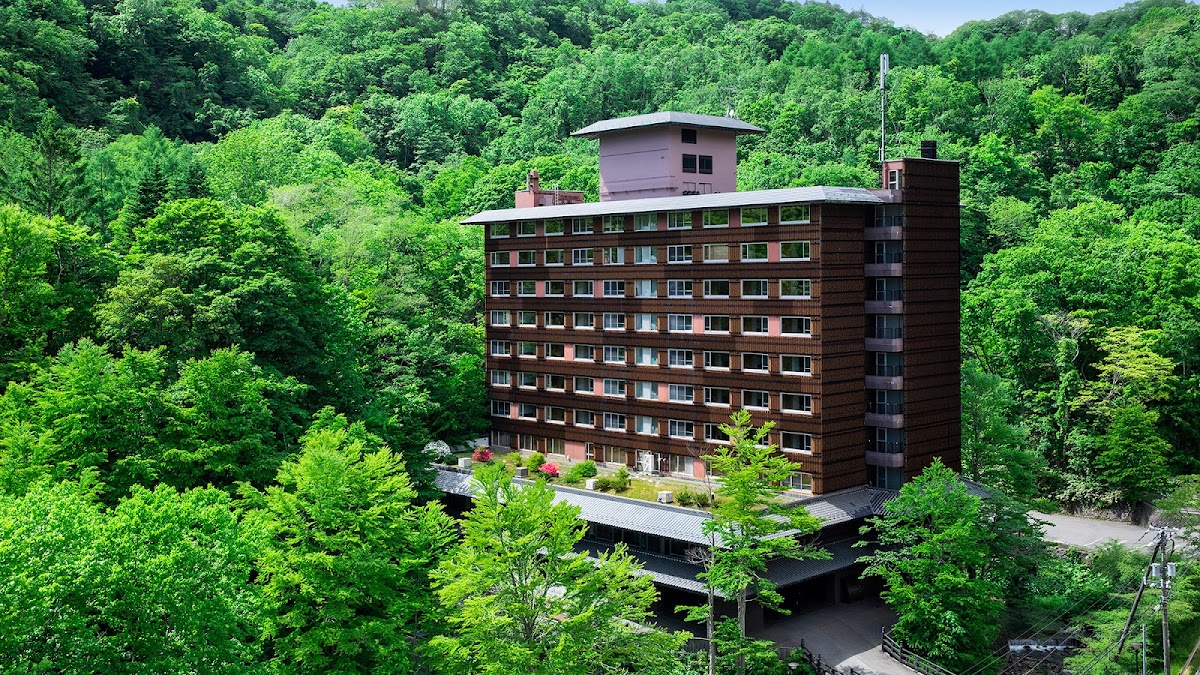
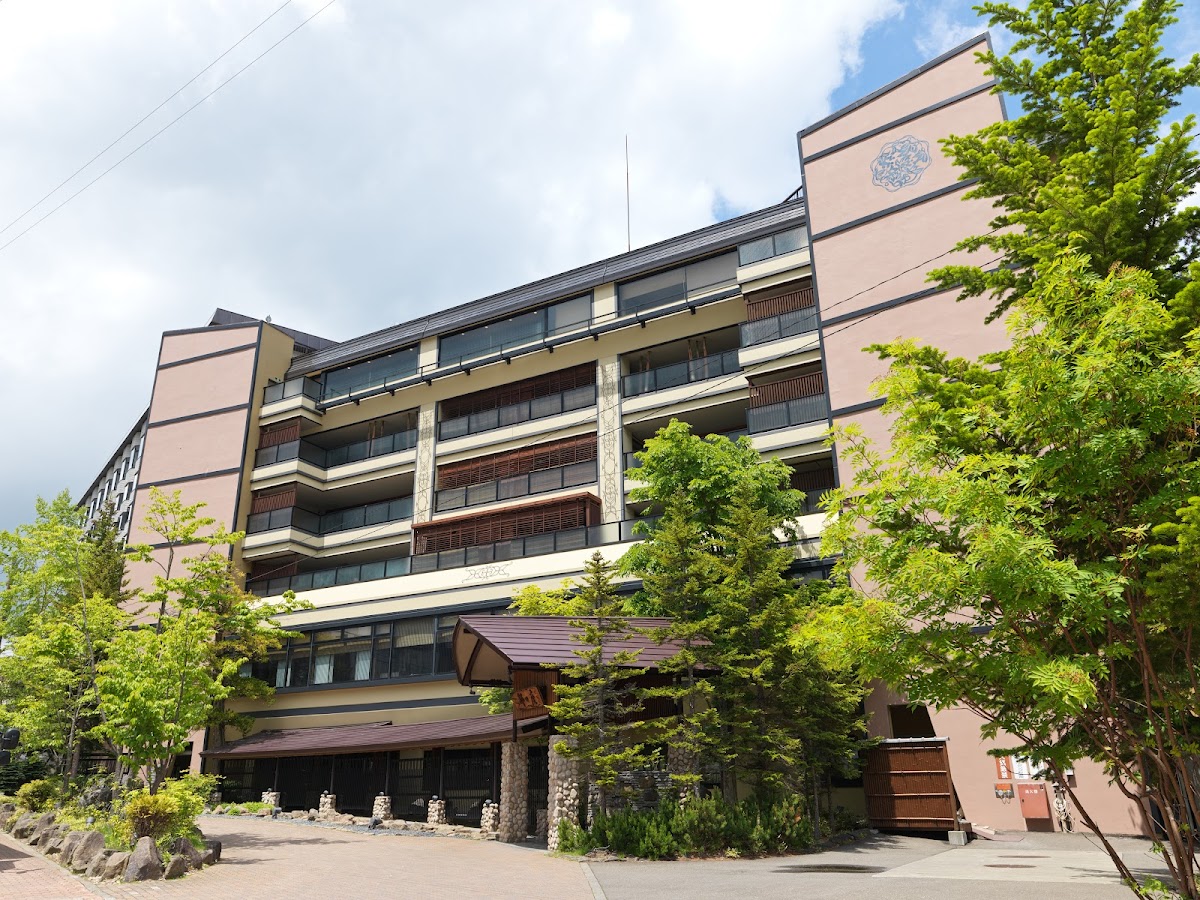
All-suite luxury with private onsen in every room and access to 9 different spring types. The crown jewel of Noboribetsu accommodation, mirroring the extraordinary geothermal diversity of the volcanic valley.
Day 4: Noboribetsu to Lake Shikotsu - Caldera Lake Serenity
Morning: Final soak in Noboribetsu's volcanic waters. Drive to Lake Shikotsu (1h), a volcanic caldera lake surrounded by mountains and forest.
Midday: Lake Shikotsu is among Japan's clearest and deepest lakes, maintaining a cobalt blue color year-round. The lake does not freeze even in Hokkaido's harsh winters, earning it the name "Lake of Eternal Icy Blue." Rent a clear-bottom kayak or take a sightseeing boat to appreciate the transparency.
Afternoon: Hike the Okonoshimanbe trail (3h round trip) for elevated views of the caldera, or walk the lakeside nature trail through the forest. The bird watching here is excellent: white-tailed eagles, Steller's sea eagles in winter, and numerous forest species.
Lakeside resort with full spa and onsen. The caldera lake surrounded by mountains creates a natural amphitheater of water and peaks. Clear-bottom kayaking and forest walks directly from the property.
Day 5: Lake Shikotsu to New Chitose Airport - Final Morning
Morning: Dawn at Lake Shikotsu is particularly beautiful: mist rises from the water, mountains emerge gradually, and the lake's famous blue deepens with the light. Final onsen bath.
Late Morning: Drive to New Chitose Airport (1h). If time permits, stop at Soneka in Kitahiroshima for a brief forest walk on the 77,000 sqm estate.
Alternative extension: For those with more time, continue east from Lake Shikotsu to Obihiro (3h) and onward to Shiretoko (5h additional), adding Japan's wildest peninsula to the itinerary. Kifu Club Shiretoko and Akan Tsuruga Besso Hinanoza are the premier properties in eastern Hokkaido.
Logistics & Costs
- Rental car: ¥7,000-12,000/day for a compact car. 4WD recommended in winter (¥10,000-15,000/day). Book through Nippon Rent-A-Car or Toyota Rent at the airport.
- Total driving: Approximately 350 km over 5 days (not counting Day 2 excursions). Very manageable.
- Fuel: Approximately ¥5,000-8,000 total.
- Tolls: ¥3,000-5,000 total if using expressways. Hokkaido Expressway Pass available for visitors.
- Accommodation: ¥30,000-90,000 per person per night depending on property level.
- Flights: Tokyo-New Chitose from ¥10,000 one way (book in advance). Flight time 1.5h.
- Total budget: ¥250,000-500,000 per person for 5 days.
Driving Tips for Hokkaido
- Roads are well-maintained and mostly straight. Traffic is light outside Sapporo.
- Speed limits are 50-80 km/h. Strictly enforced in towns (40 km/h).
- Winter: studded tires are provided with winter rentals. Allow extra time. Some mountain passes close.
- Wildlife: deer cross roads frequently, especially at dawn and dusk. Drive carefully.
- Gas stations can be sparse in rural areas. Fill up when you see one.
- Many attractions have free parking. Paid parking rarely exceeds ¥500.
Frequently Asked Questions
This 5-day loop from New Chitose through Niseko, Noboribetsu, and Lake Shikotsu covers birch forests, volcanic onsen, and caldera lakes.
Summer (June-September) for best driving conditions. October for foliage. Winter for snow landscapes and skiing (requires winter driving confidence).
For more Hokkaido stays, see our best stays in Hokkaido, Niseko beyond skiing, and forest hotels guide.