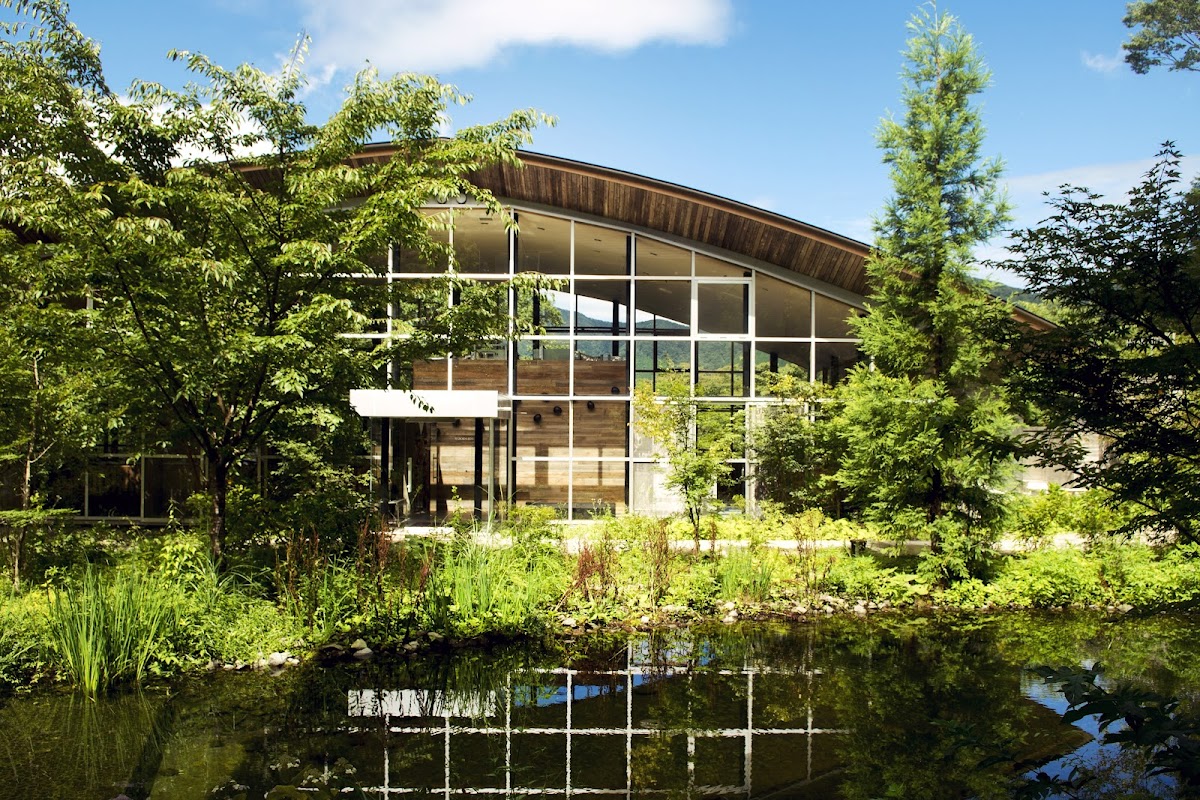
Hakone is Tokyo's onsen escape, and it has been for four centuries. The volcanic caldera, 90 minutes from the capital, contains 17 distinct hot spring sources, a crater lake, active volcanic vents, world-class art museums, and views of Mt. Fuji that have inspired Japanese artists since the Edo period. Three days allows you to experience the breadth of what Hakone offers: the geological drama, the cultural depth, and the profoundly relaxing rhythm of ryokan life.
Day 1: Tokyo to Hakone - Arrival & First Onsen
10:00 AM: Board the Romancecar at Shinjuku Station (reserved seats, large windows, snack service). The 85-minute journey passes through suburban Tokyo before entering mountain scenery. Alternatively, take the Shinkansen to Odawara (35 min from Tokyo Station) for a faster journey.
11:30 AM: Arrive at Hakone-Yumoto. If your ryokan is in Gora or Sengokuhara, continue on the Hakone-Tozan Railway, Japan's only mountain switchback train. The 40-minute ride climbs through forested valleys with seasonal highlights: hydrangea in June-July, autumn foliage in November.
12:30 PM: Lunch in Hakone. Try soba at one of the mountain noodle shops (Hakone-style soba uses mountain spring water) or pick up ekiben (station bento) at Odawara.
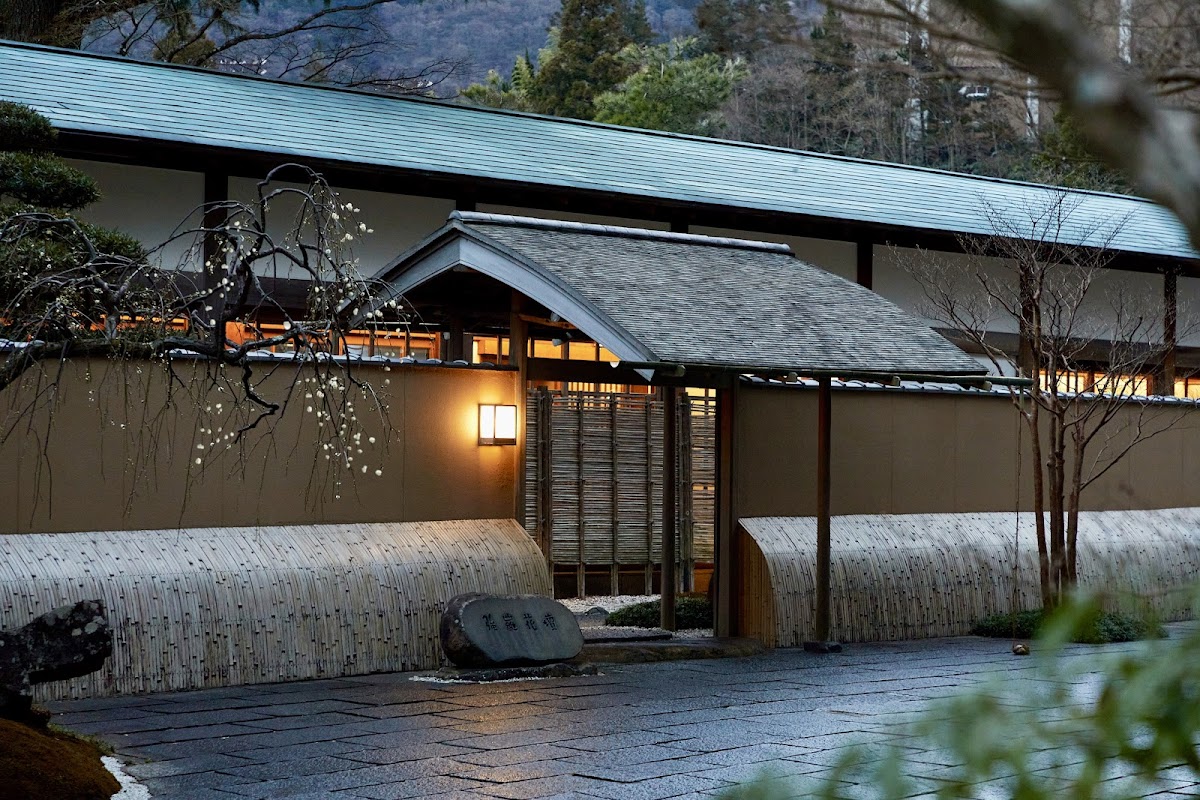
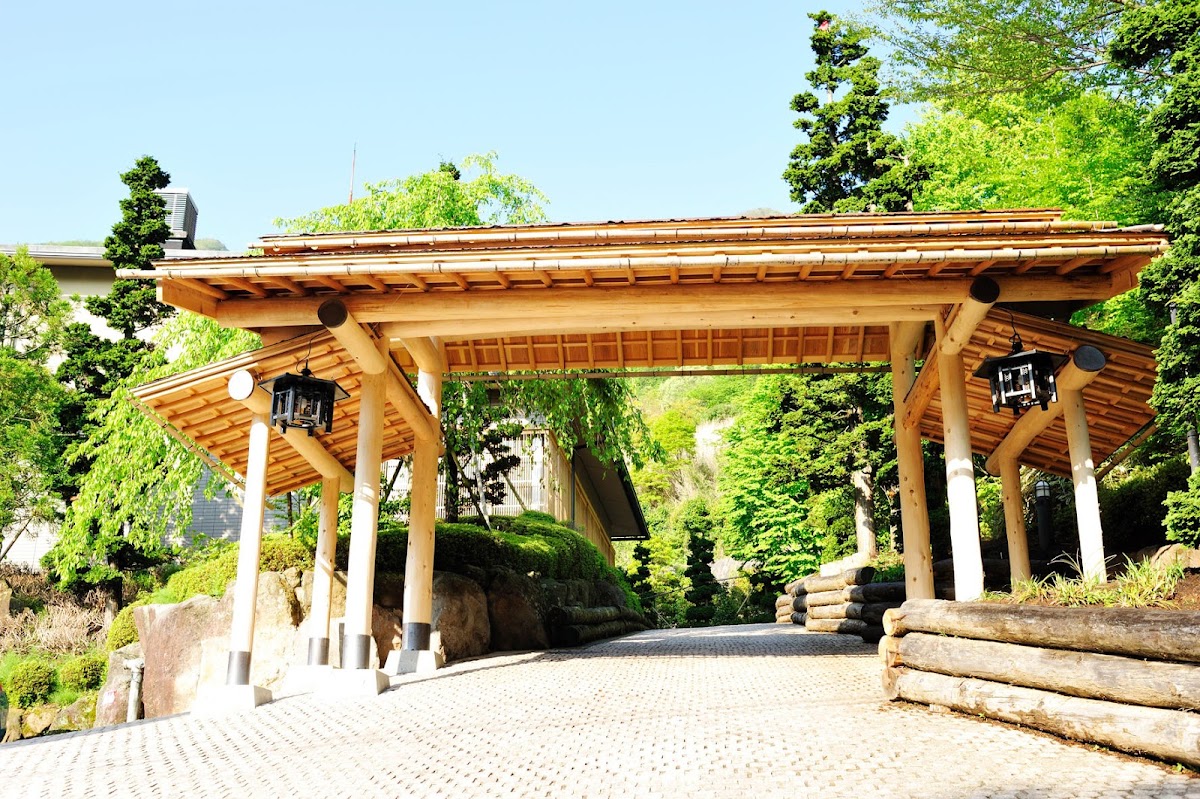
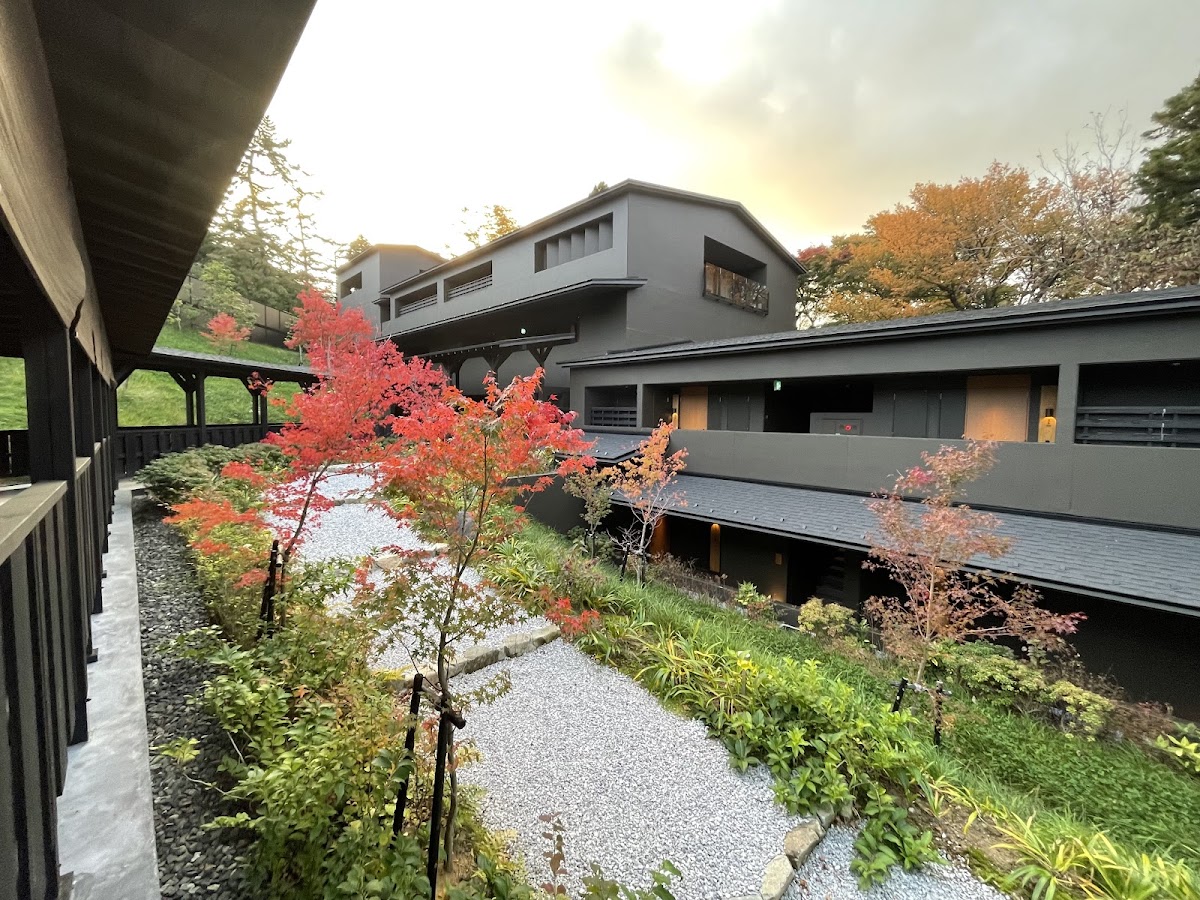
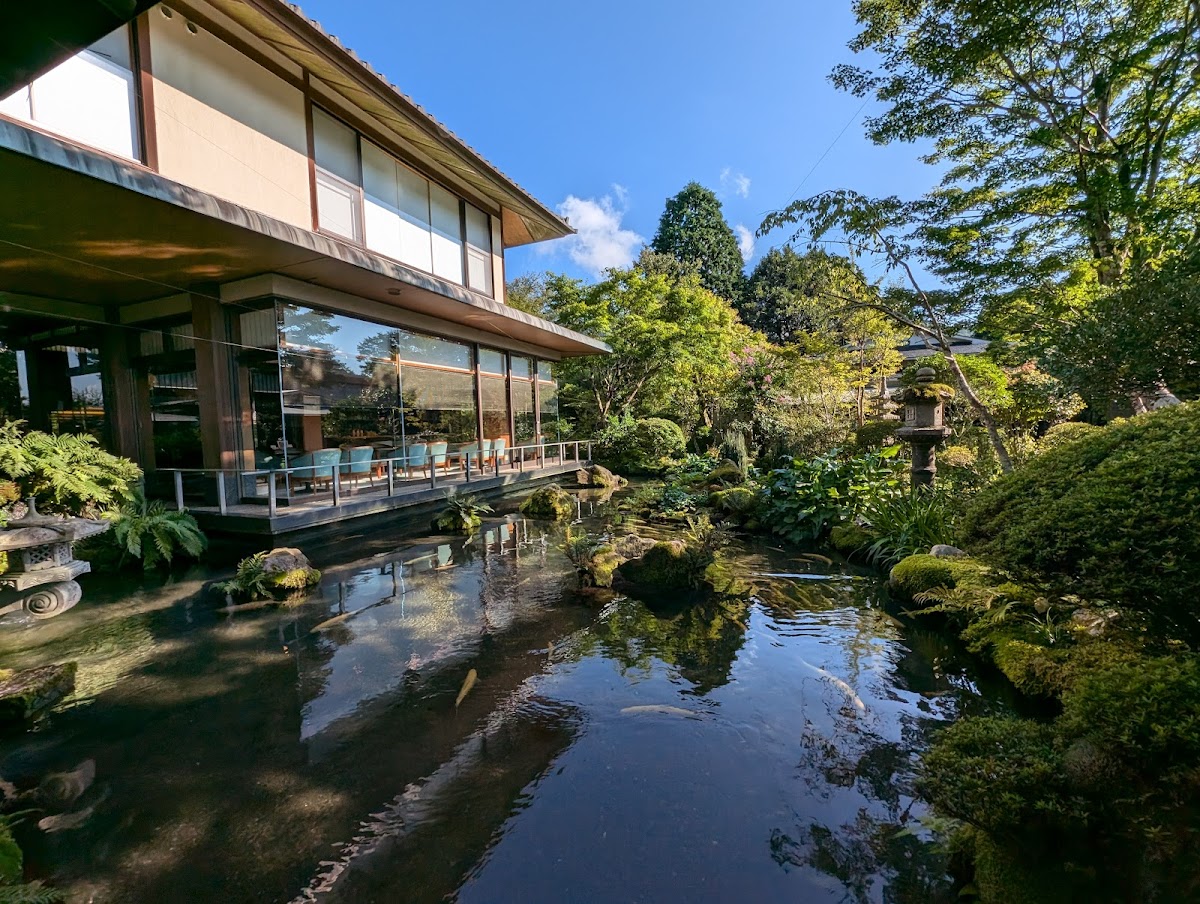
2:00 PM: Check into your ryokan. Spend the afternoon settling in: explore the property's gardens, take your first onsen bath, have tea in your room overlooking the mountains. Resist the urge to sightsee. The point of arriving at a ryokan is to stop moving.
6:00 PM: Kaiseki dinner. Your first multi-course meal will feature Odawara's seafood (the port is nearby), mountain vegetables, and seasonal specialties. Expect 8-12 courses over 1.5-2 hours.
9:00 PM: Night onsen. The baths are different at night: steam catches the light differently, the mountain sounds are more present, and the water feels more enveloping.
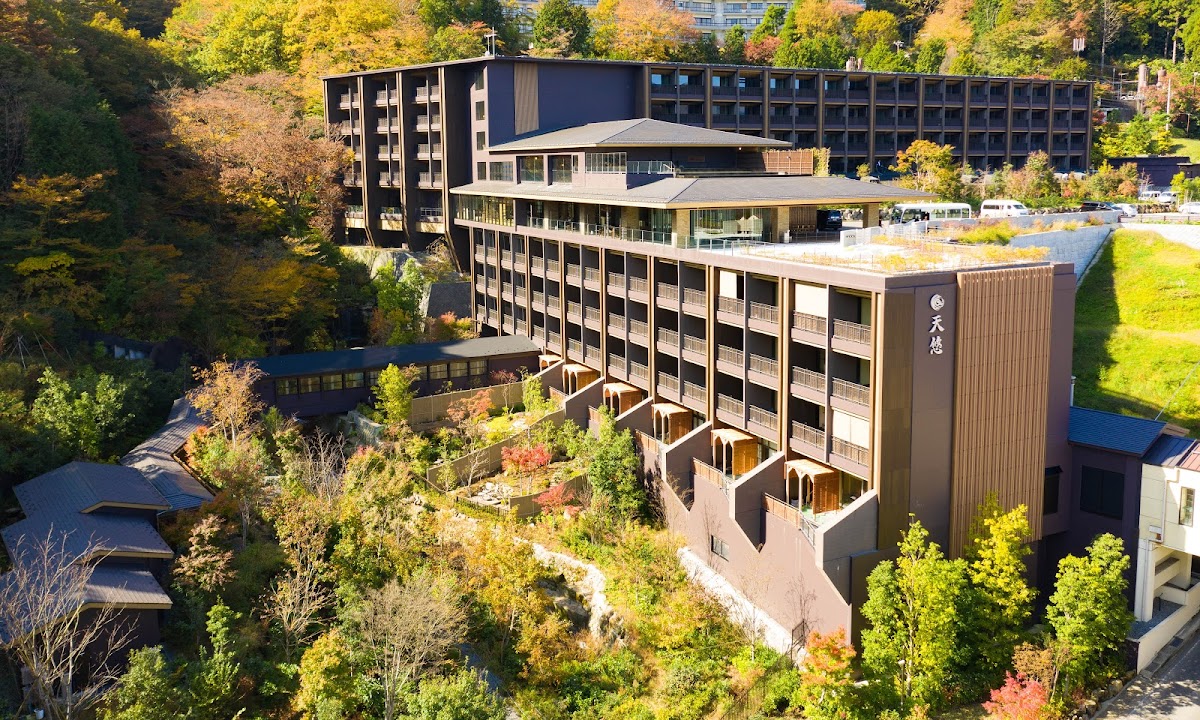
Former imperial villa. Private villa rooms with open-air onsen, rock gardens, exceptional kaiseki. The gold standard for a first-night Hakone ryokan experience.
Other options by area:
Gora: Gora Hanaougi (private onsen every room), Fufu Hakone (spa-focused)
Tonosawa: Yoshimatsu (river gorge rotenburo)
Sengokuhara: Hakone Retreat Fore (forest + art)
Day 2: The Hakone Loop - Volcano, Lake & Art
8:00 AM: Early morning onsen bath. This is the quietest time, and the light through the steam is beautiful.
9:00 AM: Japanese breakfast at the ryokan. Expect grilled fish, miso soup, pickles, tofu, rice, and small seasonal dishes. A proper Japanese breakfast is a revelation.
10:00 AM: Begin the Hakone Loop using the Hakone Freepass (¥6,100 for 2 days from Shinjuku, covers all local transport). The classic route:
10:30 AM - Hakone Open Air Museum: Japan's first outdoor sculpture museum, opened in 1969. Works by Picasso, Henry Moore, and Japanese sculptors are displayed against mountain scenery. The Picasso Pavilion alone is worth the visit. Allow 1.5-2 hours.
12:30 PM - Owakudani: Take the Hakone Ropeway from Sounzan station to Owakudani, an active volcanic zone where sulfurous steam billows from vents in the mountainside. Buy the famous black eggs (kuro-tamago), hard-boiled in volcanic hot springs. Each egg supposedly adds 7 years to your life. The views of Mt. Fuji from the ropeway (weather permitting) are Hakone's finest.
2:00 PM - Lake Ashi: Continue by ropeway down to Togendai on Lake Ashi. Take the pirate ship (included in Freepass) across the caldera lake. On clear days, Mt. Fuji rises above the lake's far shore, with the vermillion torii gates of Hakone Shrine reflected in the water. This is one of Japan's most iconic views.
3:30 PM - Hakone Shrine: Disembark at Moto-Hakone. Walk to Hakone Shrine through an avenue of ancient cedars. The lakeside torii gate is one of Japan's most photographed religious structures.
5:00 PM: Return to ryokan by bus. Second night's kaiseki will feature entirely different courses.
Day 3: Second Morning & Departure
7:00 AM: Final morning onsen. Savor it; this is what you will remember most about Hakone.
8:30 AM: Final breakfast and checkout. Before departing, choose one of these options:
Option A - Pola Museum of Art: A world-class collection of Impressionist and Japanese art in a forest setting. The architecture (underground galleries to preserve the forest) is remarkable. Allow 2 hours.
Option B - Old Tokaido Road Walk: Walk a preserved section of the Edo-period highway through cedar forest, passing Hakone Amazake Chaya, a 400-year-old tea house serving amazake (sweet rice drink) and mochi.
Option C - Hakone Yuryo: Day-use onsen facility with multiple bath types, perfect for a final soak before the train back to Tokyo.
1:00 PM: Romancecar or Shinkansen back to Tokyo.
Practical Information
- Hakone Freepass: ¥6,100 from Shinjuku (2 days), ¥4,600 from Odawara (2 days). Covers Romancecar supplement NOT included, add ¥1,110.
- Transport from Tokyo: Romancecar from Shinjuku 85 min / ¥2,330 total. Shinkansen from Tokyo to Odawara 35 min / ¥3,500.
- Best season: Autumn (November) for foliage + clear Fuji views. Hydrangea season (June-July) for the mountain railway. Winter for snow-topped Fuji and fewer crowds.
- Mt. Fuji visibility: Best in autumn/winter mornings. Check webcams before planning the loop if Fuji views are a priority.
- Budget: Transport ¥5,000-8,000 + Ryokan ¥45,000-80,000/person/night + Museum entries ¥1,600-1,800 each.
Frequently Asked Questions
Three days is ideal. Day 1 for arrival and onsen, Day 2 for the volcanic loop and art museums, Day 3 for a final soak and departure. Two nights at different ryokan lets you experience different areas and onsen water types.
Yes, from the Owakudani ropeway and Lake Ashi boat. Clearest in autumn/winter mornings. Summer views are unreliable due to haze.
Romancecar from Shinjuku (85 min, ¥2,330) or Shinkansen to Odawara (35 min from Tokyo) + Hakone-Tozan Railway (15 min).
For more Hakone guides, see our best ryokan in Hakone, nature stays near Tokyo, and ryokan near Tokyo. For longer trips, see our 7-day Japan nature itinerary.