Quick Answer
The best onsen near Tokyo are Hakone (1.5 hours, widest range of ryokan), Atami (45 minutes by shinkansen, seaside hot springs), Nikko (2 hours, mountain forest onsen), Kusatsu (2.5 hours, Japan's most famous hot spring water), and the Izu Peninsula (1.5-2.5 hours, coastal thermal springs). For a first visit, Hakone offers the most complete experience with properties like Gora Kadan and Gora Hanaougi.
Tokyo sits at the edge of one of the most volcanically active regions on earth. Within two hours of the capital, the Hakone caldera steams with dozens of hot spring sources, the Izu Peninsula's coastline is punctuated by thermal springs emerging where volcanic rock meets the Pacific, Nikko's mountain forests hide riverside onsen, and Kusatsu's springs are among the most mineral-rich in the world. For Tokyo-based travelers, world-class onsen experiences are essentially in the backyard.
This guide maps every major onsen area within two to two-and-a-half hours of Tokyo, with specific property recommendations, access details, and what makes each area distinctive.
Hakone — The Complete Onsen Destination (1.5 Hours)
Access: Odakyu Romance Car from Shinjuku to Hakone-Yumoto, 85 minutes. Or JR Tokaido Shinkansen to Odawara (35 min) + local train to Hakone-Yumoto (15 min).
Character: Mountain caldera with multiple onsen areas, each with different mineral compositions. Lake Ashi, volcanic vents, and Mt. Fuji views. The widest range of accommodation near Tokyo from budget to ultra-luxury.
Hakone is the default onsen destination for Tokyo residents, and for good reason: the area contains over 20 distinct onsen sources with different mineral properties, a spectacular volcanic landscape, and accommodation at every price point. The different areas within Hakone—Yumoto, Gora, Sengokuhara, Tonosawa, Miyanoshita—each have their own character.
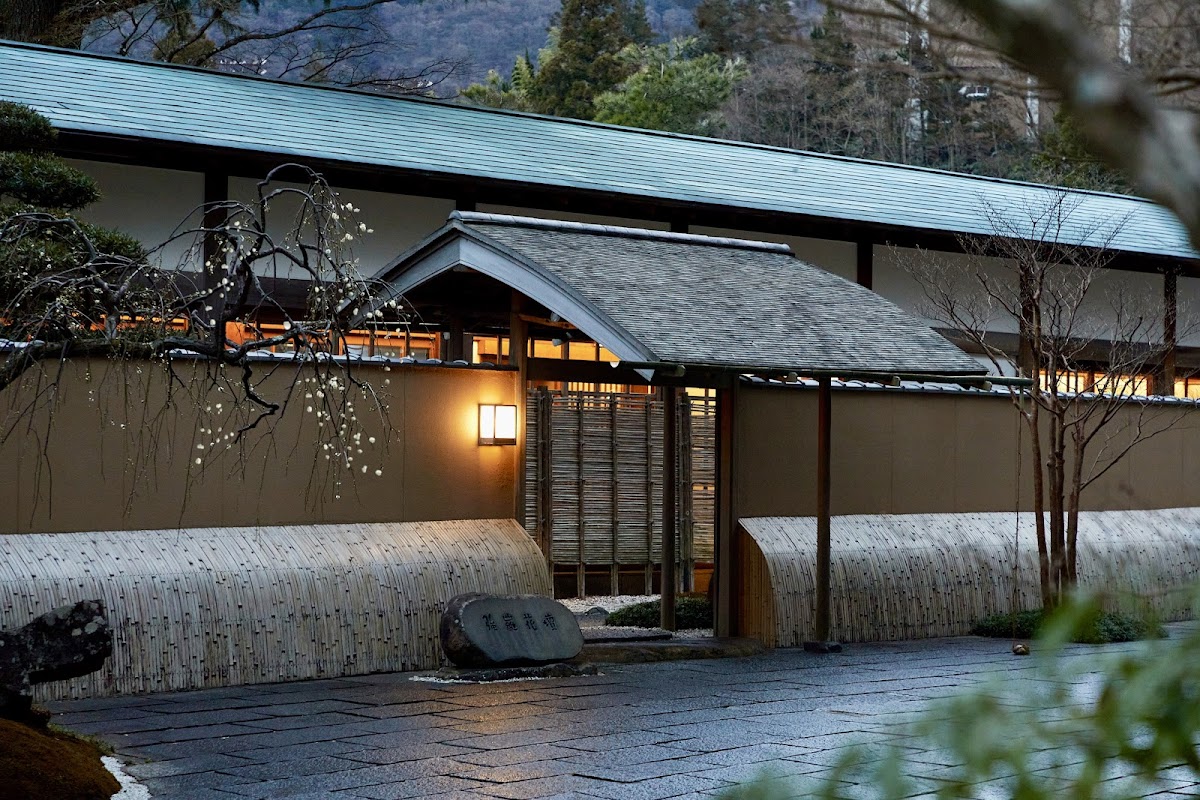
A former imperial summer retreat turned luxury ryokan that sets the standard for refined onsen hospitality near Tokyo. Multiple hot spring sources feed the property's baths, each with different mineral properties. The kaiseki dinner is a meticulously crafted seasonal progression. For many travelers, this is the definitive Hakone onsen experience.
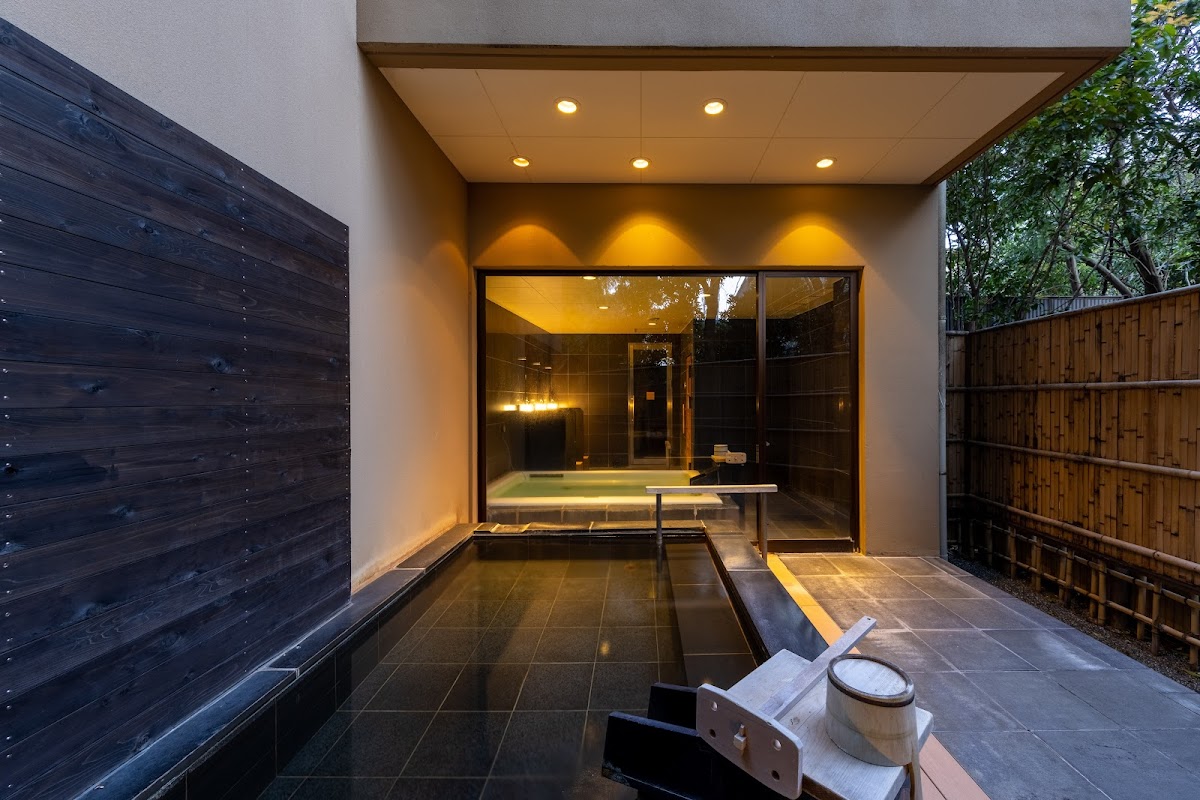
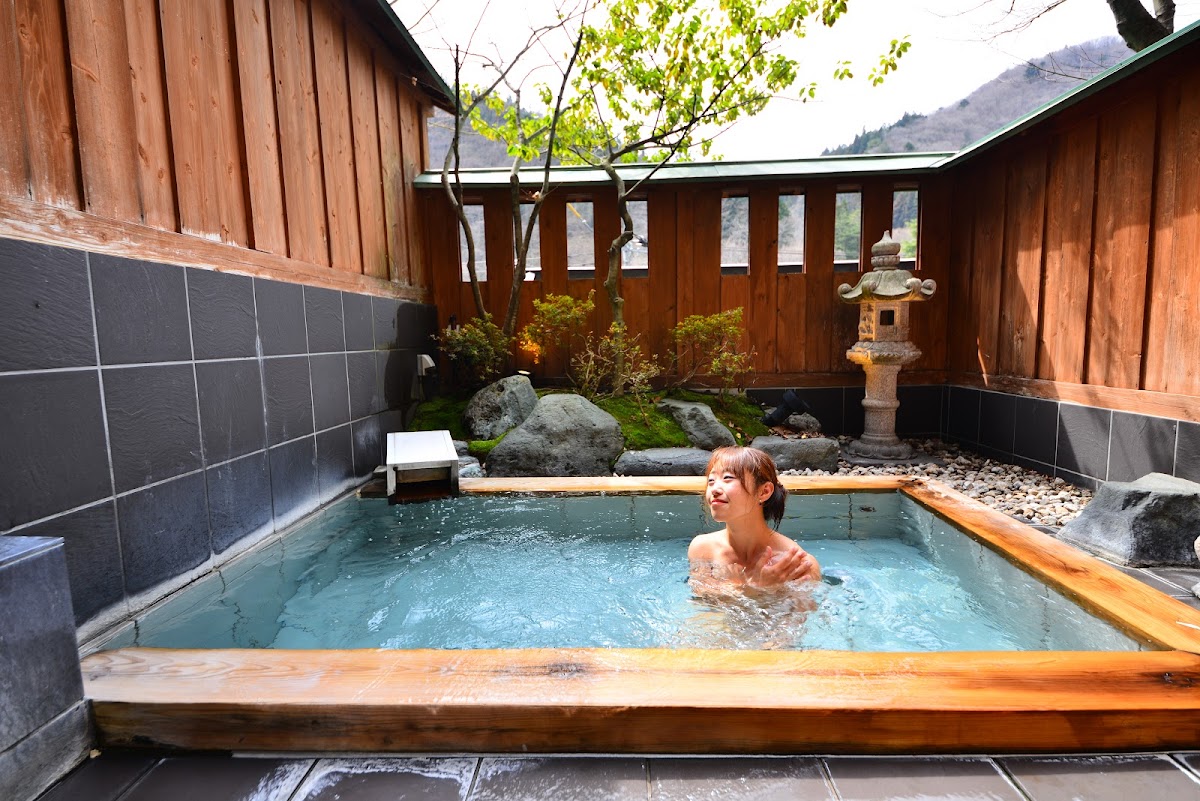
Every room has a private open-air onsen bath overlooking the mountain forest. Rated 4.7 stars—among the highest in Hakone. The combination of private bathing, exceptional views, and traditional hospitality makes this ideal for travelers who want an intimate onsen experience without sharing communal baths. Excellent for those with tattoos or traveling with a partner.
A modern onsen hotel with private baths in every room, dramatic mountain views, and a more contemporary aesthetic than traditional ryokan. The property's elevated position provides panoramic views of the Hakone mountains. A good choice for travelers who want private onsen bathing with modern hotel-style comfort rather than ryokan formality.
In the Sengokuhara area, surrounded by forest, this retreat-style property emphasizes nature immersion alongside onsen bathing. The forest setting provides a more secluded feeling than properties in central Hakone. The onsen draws from the Sengokuhara spring source, known for its skin-softening alkaline properties.
Forest-surrounded onsen with private bath options, popular as both an overnight stay and day-use facility. The kashikiri (private rental) baths allow visitors to enjoy the hot springs privately, making it an excellent tattoo-friendly option. The forest setting and multiple bath types provide a varied onsen experience.
A 4.7-star ryokan in the Tonosawa area, known for its riverside setting and exceptional hospitality. The Tonosawa area of Hakone has been an onsen destination since the Edo period, and the riverside baths here benefit from some of Hakone's oldest spring sources. The combination of high ratings, traditional atmosphere, and river views makes this a standout among Hakone's many options.
Four hundred years of continuous operation on the banks of the Sukumo River. The authenticity of bathing in a ryokan that has hosted guests since the early Edo period is something no modern property can replicate. The baths are modest but genuine, fed by springs that have been flowing since before the building was raised.
Atami — Seaside Hot Springs (45 Minutes)
Access: JR Tokaido Shinkansen from Tokyo Station, 45 minutes. The fastest major onsen destination from Tokyo.
Character: Coastal onsen town with ocean views, recently revitalized with modern properties. Warmer climate than mountain onsen areas.
Atami has undergone a remarkable renaissance. Once dismissed as a faded resort town, it has attracted a new generation of properties that combine the ocean-view hot springs with contemporary design and dining. The speed of access—45 minutes on the shinkansen—makes it the easiest Tokyo escape for a one-night onsen trip.
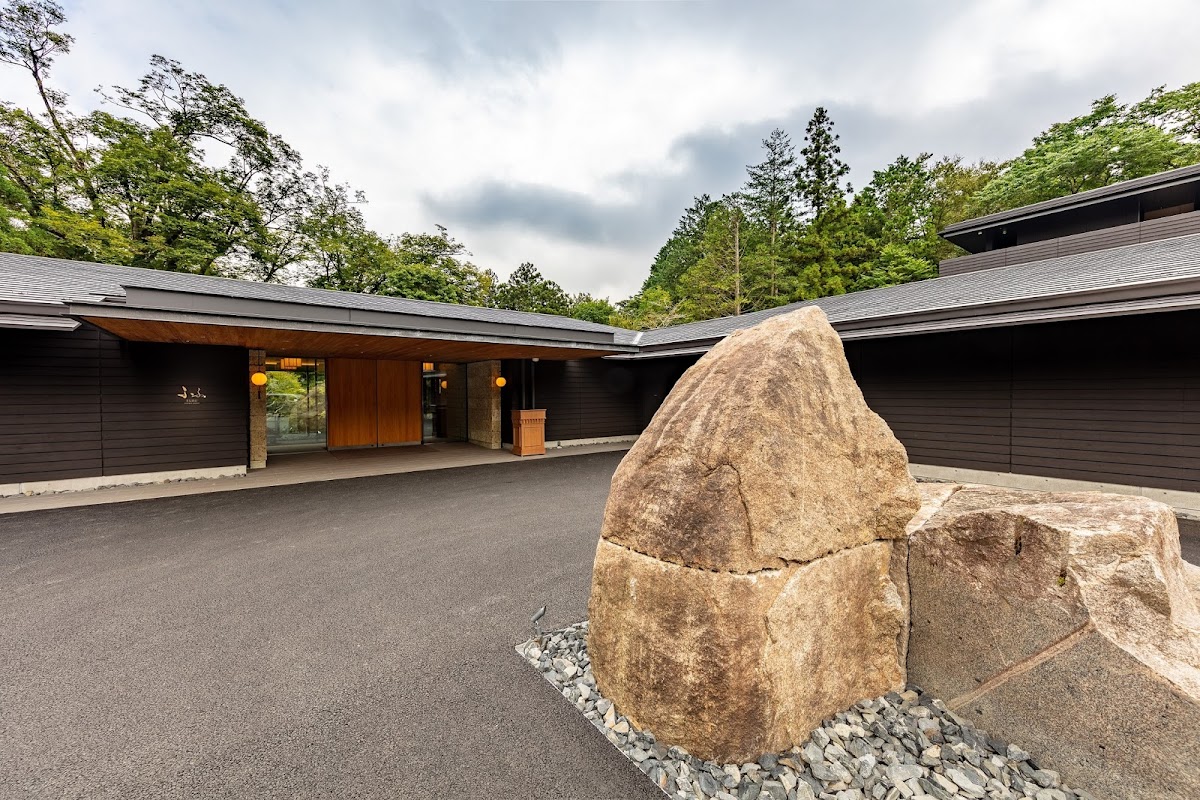
Private onsen baths in every room with forest views. Fufu's contemporary design brings modern aesthetics to the onsen experience. The hillside setting above Atami provides both forest immersion and occasional ocean glimpses. The restaurant's modern Japanese cuisine reflects the new Atami—creative, ingredient-driven, and beautifully presented.
A 4.5-star property representing Atami's new wave. The design is clean and modern, the onsen facilities are excellent, and the ocean proximity adds a dimension that mountain onsen cannot provide. The warmth of Atami's coastal microclimate makes it particularly appealing in winter, when you can soak outdoors comfortably even on cold nights.
Izu Peninsula — Coastal and Mountain Springs (1.5-2.5 Hours)
Access: JR Odoriko express from Tokyo to Ito (1.5h) or Shimoda (2.5h). Izukyu Railway connects coastal towns. Car useful for western Izu.
Character: Long coastline with multiple onsen towns, each with different character. Ocean views, seafood, and a more relaxed pace than Hakone.
Luxury ryokan perched above the Pacific with private onsen suites and ocean panoramas. The position on the eastern Izu coast provides dramatic sunrise views from the baths. Private villas and suites make this one of the most secluded onsen experiences on the peninsula.
Private onsen baths in every room at this 4.6-star ryokan in the Ito hot spring area. The Izu seafood is exceptional—the kitchen works with local fishermen for daily-catch sourcing. Ito is an easy 1.5-hour train ride from Tokyo, making this accessible for a one-night trip while offering a different atmosphere from Hakone's mountain setting.
On the western coast of the Izu Peninsula, facing Suruga Bay with views of Mt. Fuji. Private onsen baths with ocean and mountain views provide one of the most scenic soaking experiences near Tokyo. The western Izu coast is less touristy than the eastern side, offering a quieter onsen experience. Sunsets over Suruga Bay from the bath are extraordinary.
Nikko — Mountain Forest Onsen (2 Hours)
Access: JR/Tobu from Asakusa or Shinjuku to Nikko, about 2 hours. Or shinkansen to Utsunomiya + JR Nikko Line.
Character: Mountain forest with waterfalls, Lake Chuzenji, and World Heritage shrines. More dramatic landscape than Hakone, fewer onsen-specific visitors.
A 4.7-star luxury hotel immersed in Nikko's mountain forest. The onsen draws from local springs, and the forest setting provides a depth of nature immersion that the more developed Hakone area cannot match. Nikko's waterfalls, Lake Chuzenji, and volcanic plateau are all within easy reach. Autumn foliage here is among the most spectacular near Tokyo.
Kinugawa Onsen is a riverside onsen town in the Nikko mountains. Asaya Hotel provides large-scale onsen bathing in a dramatic gorge setting, with outdoor baths overlooking the Kinugawa River canyon. The town is a more affordable alternative to Nikko's luxury properties while still offering genuine mountain onsen atmosphere.
A 4.5-star ryokan in the lesser-known Itamuro Onsen area of northern Tochigi. Less crowded than the main Nikko onsen towns, with authentic hot spring water and a rural mountain setting. The food sources from local mountain farms, and the quiet atmosphere feels far removed from Tokyo despite being within two hours.
Kusatsu — Japan's Legendary Hot Spring (2.5 Hours)
Access: Shinkansen to Karuizawa (70 min) + bus to Kusatsu (80 min). Or bus direct from Shinjuku (4h).
Character: Japan's most famous hot spring town. The water here is uniquely acidic and mineral-rich. The iconic yubatake (hot water field) in the town center steams day and night.
Kusatsu consistently ranks as Japan's #1 onsen in domestic surveys. The water is strongly acidic (pH 1.5-2.0), rich in sulfur and aluminum, and reputed to cure everything except lovesickness. The volume of hot spring water flowing through the town is among the highest in Japan—no recycling or reheating is necessary. Every bath is constantly refreshed with fresh volcanic water.
While we do not currently feature Kusatsu properties in our collection, the town is an essential destination for any serious onsen enthusiast. The public baths are excellent and inexpensive, and the atmoshere of the yubatake at night—with steam billowing through the town center—is unforgettable.
Fuji Five Lakes — Mt. Fuji Views with Onsen (2 Hours)
Access: JR Chuo Line + Fujikyuko Railway to Kawaguchiko (2h). Or highway bus from Shinjuku (1.75h).
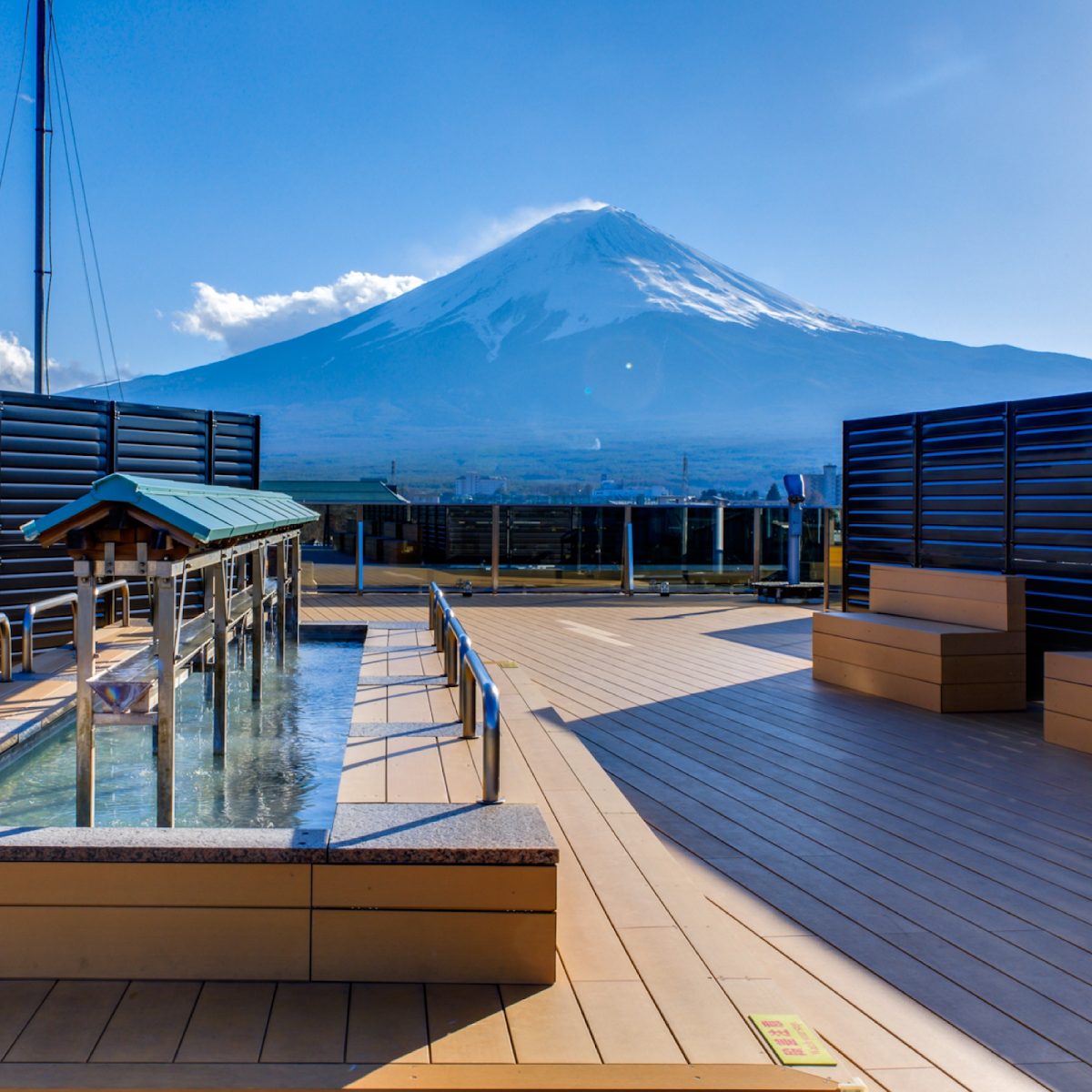
Character: Mt. Fuji views from onsen baths. The combination of Japan's most iconic mountain with hot spring bathing is uniquely powerful.
A 4.7-star lakeside ryokan where onsen baths look directly at Mt. Fuji across Lake Kawaguchi. On clear days—particularly in autumn and winter when the air is crisp—the view of Fuji reflected in the lake while you soak is one of the great visual experiences in Japanese hot spring culture. The kaiseki cuisine draws on local mountain ingredients.
A 4.5-star ryokan at Lake Kawaguchi with onsen facilities and Mt. Fuji views. The property offers a slightly different perspective on the lake-and-mountain combination, with a design that frames the Fuji view as the central feature of the bathing experience.
Temple-themed onsen ryokan at Lake Kawaguchi combining spiritual atmosphere with hot spring bathing. The Fuji views add a dimension of awe to the already contemplative setting. The property draws on Buddhist architectural traditions, creating a unique cultural layer over the standard onsen ryokan experience.
Gunma — Hidden Onsen Gems (2-2.5 Hours)
Access: Shinkansen to Takasaki or Jomo-Kogen + local transport. Minakami about 1.5h; Shima Onsen about 2.5h.
Character: Mountain onsen with fewer tourists than Hakone. Historic hot spring towns with authentic atmosphere.
Private onsen in every room with river gorge views. Minakami sits in a dramatic gorge along the Tonegawa River, providing scenery that rivals Hakone in beauty with a fraction of the crowds. The property is 4.5 stars, and the combination of private bathing, mountain scenery, and adventure sports accessibility (rafting, canyoning in summer) makes it unique among Tokyo-accessible onsen.
A 4.6-star ryokan in the atmospheric Shima Onsen town—reputedly the inspiration for the bathhouse in Miyazaki's Spirited Away. The cobalt-blue hot spring water is visually striking and rich in minerals. The town's retro atmosphere, with wooden buildings along a river gorge, offers a time-capsule onsen experience that feels nothing like the more commercialized areas closer to Tokyo.
A historic ryokan with one of the most famous baths in Japan—a dramatic wooden bathhouse where hot spring water bubbles up through the bottom of the bath, which was built directly over the spring source. The architecture dates to the Meiji period, and bathing here feels like stepping into a 19th-century photograph. A destination for onsen purists.
Frequently Asked Questions
Atami is the fastest at 45 minutes by shinkansen. Hakone-Yumoto is 85 minutes by Romance Car from Shinjuku. Both offer excellent ryokan and hot spring facilities for overnight or day-trip visits.
Hakone offers the widest range of experiences: properties from budget to ultra-luxury like Gora Kadan, multiple bath types, and scenic attractions beyond onsen. It is the most complete onsen destination near Tokyo.
Yes. Many properties offer day-use bathing (higaeri) for non-guests. Hakone Yuryo is popular for day visits. However, an overnight stay is recommended to experience the full onsen ryokan rhythm of bathing, dining, and sleeping.
Hakone (1.5h, mountain), Atami (45min, seaside), Izu Peninsula (1.5-2.5h, coastal), Nikko (2h, mountain forest), Kusatsu (2.5h, legendary water), and Fuji Five Lakes (2h, Mt. Fuji views). Each has a distinct character and mineral composition.
Budget stays start at $100-150 per person with meals. Mid-range with private baths: $200-400. Luxury properties like Gora Kadan: $400-1,000+. Day-use bathing costs just $10-30 at many facilities.
For deeper onsen knowledge, read our complete onsen ryokan guide, onsen etiquette guide, and tattoo-friendly onsen guide. For Hakone specifically, see best ryokan in Hakone. Looking for ryokan near Tokyo beyond onsen? Check ryokan near Tokyo. Or browse all properties on our map.