Quick Answer
Japan's best eco lodges include Beniya Mukayu (Green Globe-certified luxury ryokan in Ishikawa), Treeful Treehouse (minimal-impact forest stay in Okinawa), and Myoken Ishiharaso (sustainability-focused onsen ryokan in Kagoshima). Japanese hospitality is inherently sustainable—local sourcing, natural materials, onsen geothermal energy, and waste-minimizing kaiseki cuisine—and modern eco properties build on this cultural foundation.
Japan has practiced sustainability for longer than the word has existed. The concept of mottainai—a deep reluctance to waste anything—is embedded in the culture. Kaiseki cuisine is designed to use every part of every ingredient. Ryokan are built from local timber and heated by geothermal springs. Futons are stored during the day, making rooms serve double duty. Gardens are tended for generations without artificial chemicals. Onsen water, heated by the earth itself, requires no fossil fuel.
What the West calls "eco lodge" is, in many ways, what Japan has been doing by default for centuries. Modern Japanese eco properties take this foundation and add formal environmental management: carbon tracking, waste reduction programs, habitat conservation, renewable energy, and certifications that communicate their commitments to environmentally conscious travelers.
Japan's Approach to Sustainable Hospitality
Unlike eco lodges in tropical or wilderness destinations that are often built from scratch with sustainability as the primary concept, Japanese eco stays tend to emerge from existing cultural practices. The most sustainable properties in Japan are sustainable because of tradition as much as intention.
Inherently Sustainable Practices in Japanese Hospitality
- Local sourcing (地産地消, chisan-chisho): The Japanese philosophy of consuming what is produced locally. Ryokan kitchens source fish from nearby waters, vegetables from surrounding farms, and sake from regional breweries. This reduces transportation emissions while supporting local economies.
- Onsen geothermal energy: Properties built around hot springs use geothermal water for bathing, heating, and sometimes cooking. This is renewable energy that has been powering Japanese inns for centuries.
- Natural building materials: Traditional construction uses local timber, earth, stone, bamboo, and straw—all renewable, biodegradable materials that sequester carbon during their growth phase.
- Kaiseki waste minimization: The multi-course kaiseki meal is designed around precise portions and complete ingredient utilization. Vegetable stems become garnishes, fish bones become stock, and seasonal constraints naturally limit food waste.
- Futon culture: Rooms that transform from living space to sleeping space reduce the footprint of each guest, requiring smaller buildings and less energy per visitor.
Best Eco Lodges and Sustainable Stays in Japan
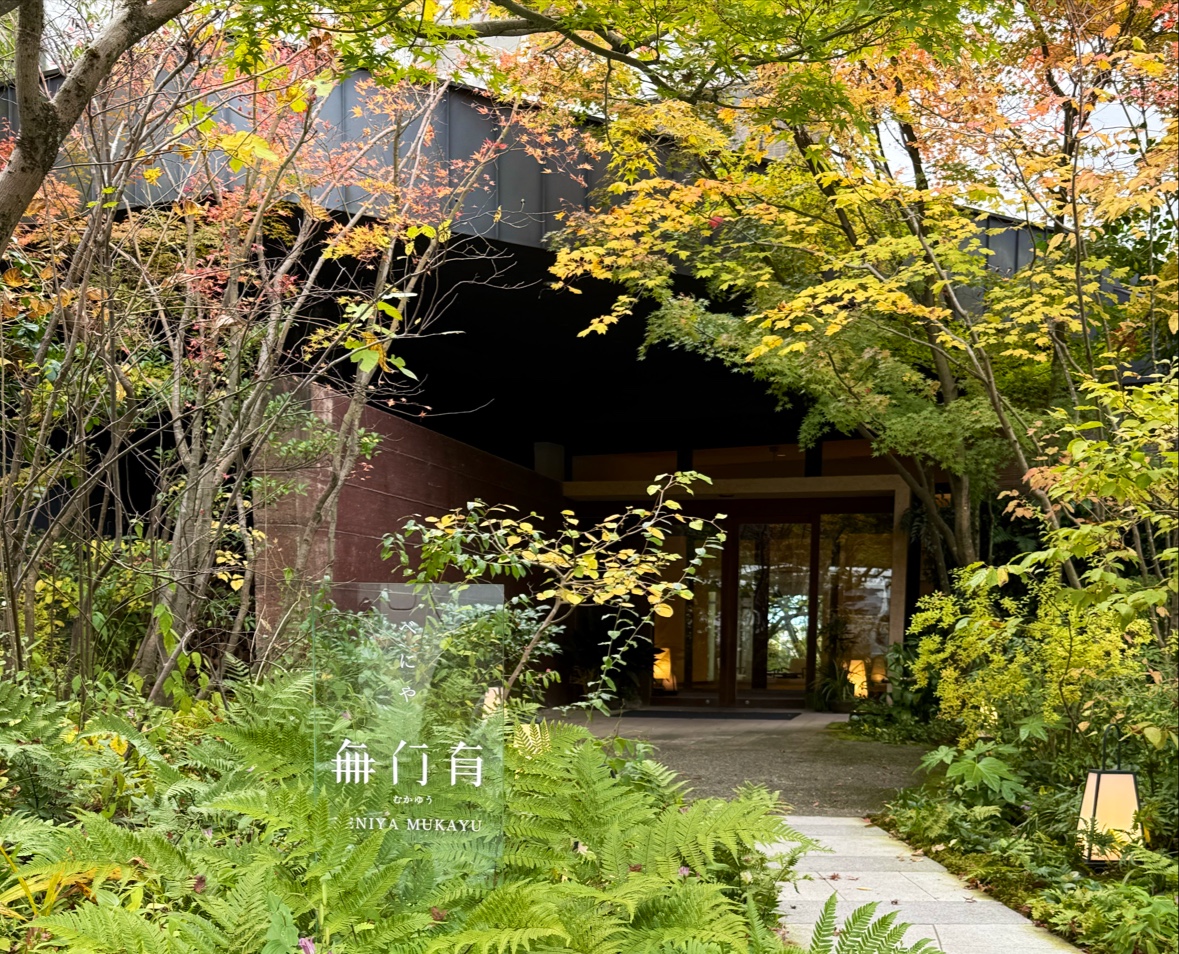
Beniya Mukayu (Ishikawa) — Japan's Green Globe Pioneer
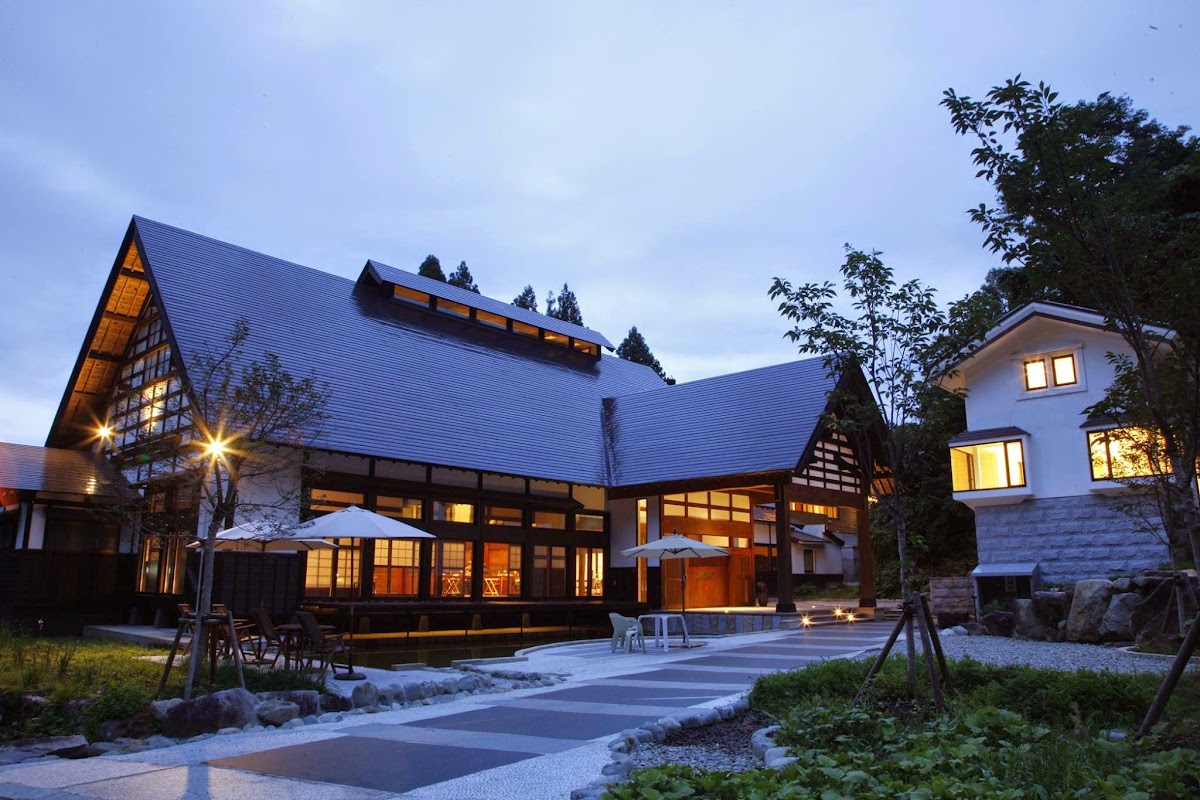
The benchmark for sustainable luxury in Japan. This century-old ryokan in Yamashiro Onsen holds Green Globe certification, the international sustainability standard, without compromising on any dimension of luxury. Private onsen baths in every room use geothermally heated water. The kaiseki cuisine draws on Ishikawa's exceptional food culture with minimal waste. Energy management, water conservation, and local procurement are systematically measured and improved. Rated 4.5 stars, proving that eco credentials and guest satisfaction are not in conflict.
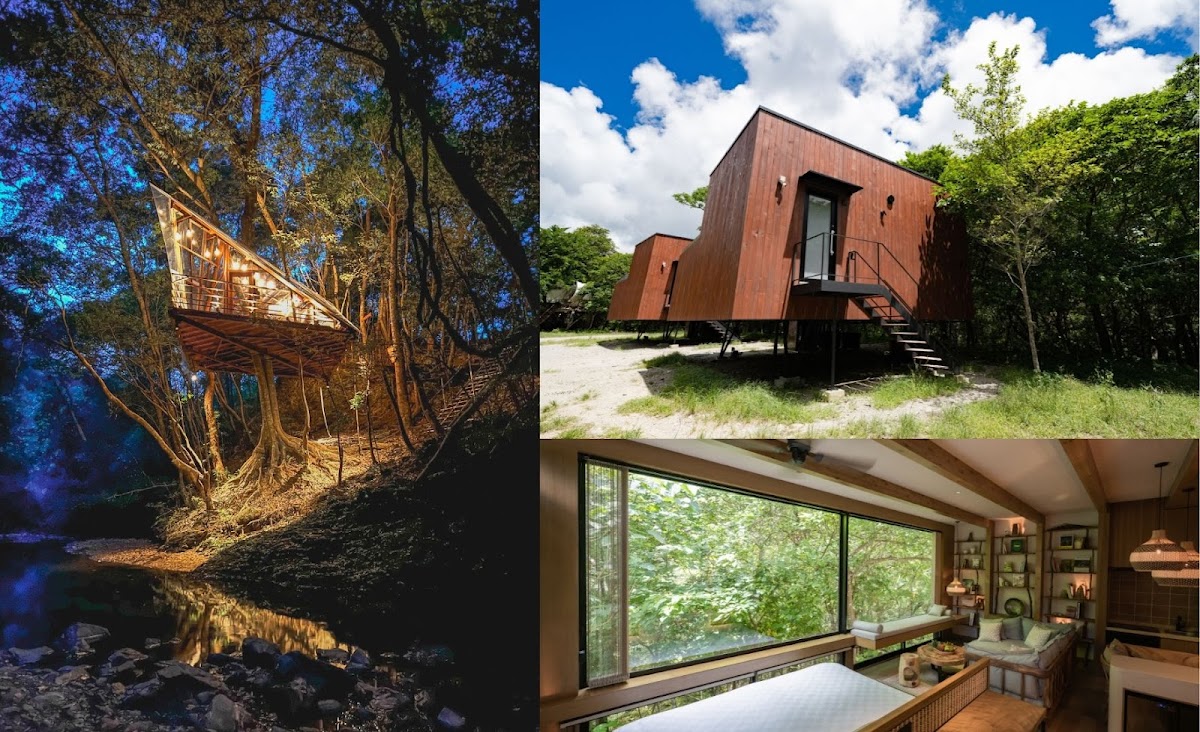
Treeful Treehouse (Okinawa) — Forest Canopy Living
In the UNESCO-listed Yanbaru forest of northern Okinawa, Treeful offers treehouse accommodation that literally places you in the forest canopy. The structures are designed to minimize environmental impact on the surrounding subtropical forest ecosystem, home to endangered species like the Okinawa rail and Yanbaru long-armed beetle. Rated an exceptional 4.8 stars, this is eco lodging at its most immersive—you sleep among the trees, wake to bird calls, and leave no trace on the forest.
Myoken Ishiharaso (Kagoshima) — Volcanic Sustainability
A sustainability-focused ryokan in the volcanic landscape of Kagoshima, where geothermal energy is literally everywhere. The property uses the abundant hot spring resources for heating and bathing while implementing comprehensive environmental management. The surrounding forest and river ecosystem is actively protected. Rated 4.6 stars, it demonstrates how volcanic regions can power hospitality with essentially zero fossil fuel for heating.
Nagayu Onsen Maruo (Oita) — Carbonated Spring Conservation
Nagayu is famous for its rare carbonated hot springs, and Maruo takes a conservation-first approach to this precious natural resource. The property's sustainability practices focus on protecting the unique mineral spring source while providing guests with therapeutic bathing. The surrounding rural landscape of rice paddies and forest is managed as a holistic ecosystem. An example of how onsen culture and environmental stewardship can be one and the same.
Zaborin (Hokkaido) — Architectural Sustainability
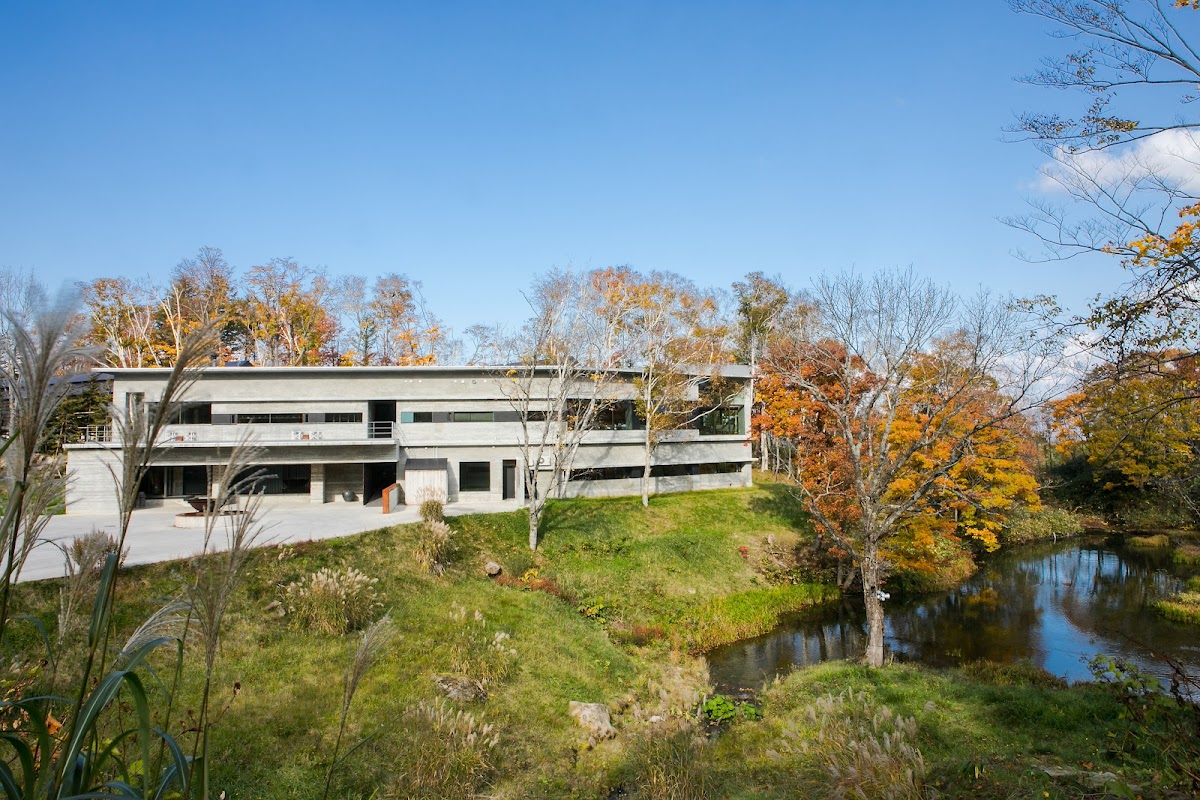
Zaborin's architecture by Nakayama Architects is a masterclass in building with the landscape rather than against it. The property sits within a birch forest, and the design minimizes disturbance to the natural environment. Local materials, geothermal onsen heating, and ingredient sourcing from Hokkaido farms and fishing communities create a low-impact luxury experience. The commitment to using the property's own hot spring source rather than pumped water reduces energy consumption significantly.
Satoyama Jujo (Niigata) — Restoration Over New Build
The most sustainable building is one that already exists. Satoyama Jujo's decision to restore a 150-year-old farmhouse rather than demolish and rebuild represents the deepest form of sustainable construction. The embodied carbon in the original timber frame has been preserved rather than released. The surrounding rice terrace landscape is an example of satoyama—the traditional Japanese concept of harmonious human-nature coexistence that predates modern environmentalism by centuries.
Kanran (Tokushima) — Rural Revival Sustainability
In the rural mountains of Shikoku, Kanran represents the intersection of rural revitalization and environmental sustainability. The property supports the local agricultural economy by sourcing from surrounding farms and forests, creating economic incentives for landscape preservation. When rural communities thrive, the forests and fields they steward are maintained—making hospitality a tool for environmental conservation.
Hotel Bleston Court (Nagano) — Forest Conservation in Karuizawa
Part of the Hoshino Resorts group, which has long championed environmental sustainability in Japanese hospitality. The Karuizawa property sits within a forest setting that the company actively manages for wildlife conservation, including wild bird sanctuaries. The broader Hoshino ecosystem includes nature centers, bear conservation programs, and forest management initiatives that go well beyond the hotel property itself.
The Satoyama Concept: Japan's Original Sustainability Framework
Long before the term "sustainability" was coined, Japan developed satoyama (里山)—a landscape management approach where human settlement, agriculture, and natural forest coexist in mutually beneficial harmony. In a satoyama landscape, villagers cultivate rice paddies in the valley, manage the surrounding hills for timber and charcoal, gather plants and mushrooms from the forest edge, and fish the rivers, all while maintaining the ecological health of the whole system.
The satoyama concept has been recognized by the United Nations as a model for sustainable development. Properties like Satoyama Jujo (the name literally means "Satoyama Hilltop") and rural ryokan throughout Japan operate within living satoyama landscapes, giving guests direct experience of this ancient sustainability framework.
Staying at a property in a satoyama landscape is inherently different from visiting a nature preserve. The land is not untouched wilderness—it is a centuries-old collaboration between humans and nature. The rice paddies provide habitat for frogs and dragonflies. The managed forests produce more diverse ecosystems than unmanaged ones. The irrigation channels support aquatic life. This productive relationship between people and landscape is, arguably, more sustainable than the Western model of cordoning off "nature" from human use.
How to Identify Genuinely Sustainable Properties
Not every property that claims to be "eco" has the substance to back it up. Here are practical markers of genuine sustainability in Japanese accommodation:
- Formal certifications: Green Globe, Sakura Quality, or Green Key certifications indicate third-party verification. Beniya Mukayu's Green Globe certification is the gold standard in Japan.
- Local food sourcing with named producers: Properties that name their food suppliers (farmer name, specific fisherman, particular brewery) are usually genuinely committed to local sourcing.
- Geothermal energy use: Onsen properties that use hot spring water for heating, not just bathing, are leveraging truly renewable energy.
- Historic building restoration: Properties in restored buildings (kominka, machiya) have reused embodied carbon rather than generating new construction emissions.
- Small scale: Properties with fewer than 20 rooms generally have lower per-guest environmental impact and stronger community integration.
- Waste visibility: Properties that compost, avoid single-use plastics, or explain their waste management indicate operational sustainability beyond marketing.
Eco Travel Tips for Japan
- Travel by train. Japan's rail network, especially the shinkansen, has dramatically lower carbon emissions per passenger-kilometer than flying or driving. A Tokyo-Kyoto shinkansen trip produces about 1/10th the CO2 of the same trip by car.
- Stay longer in fewer places. The environmental cost of travel is concentrated in transportation. Spending three nights at one rural ryokan has a smaller footprint than three one-night stays at different locations.
- Eat locally. Japan's food culture already emphasizes this. Let the ryokan kitchen feed you rather than seeking imported foods.
- Carry a reusable water bottle. Japan's tap water is safe and excellent. Free water refill stations are increasingly common at train stations and public buildings.
- Choose onsen properties. Accommodation heated by geothermal springs uses renewable energy that has been flowing for millennia.
Frequently Asked Questions
Yes. From Green Globe-certified Beniya Mukayu to forest treehouses like Treeful in Okinawa, Japan has excellent eco accommodation. Japanese hospitality is inherently sustainable—local sourcing, natural materials, and onsen geothermal energy are centuries-old practices.
Japanese eco lodges integrate sustainability into cultural practices rather than marketing it separately. Concepts like mottainai (waste avoidance), chisan-chisho (local production, local consumption), and onsen geothermal heating are traditional practices that happen to be deeply sustainable.
Traditional ryokan are inherently sustainable through local sourcing, natural materials, and geothermal heating. Restored kominka are sustainable by reusing existing buildings. Beniya Mukayu holds Japan's most prominent formal sustainability certification (Green Globe).
Yes. Hakone and Izu use onsen geothermal energy. Hotel Bleston Court in Karuizawa has active forest conservation programs. Nasu in Tochigi offers nature-immersed stays. All are 1.5-2.5 hours from Tokyo.
Absolutely. Properties like Beniya Mukayu offer luxury private onsen baths, kaiseki cuisine, and impeccable service alongside environmental certifications. Sustainability in Japan means thoughtful design, not reduced comfort.
For more nature accommodation, see our forest hotels guide and best nature hotels in Japan. Interested in traditional stays? Read our kominka stays guide and farmstay guide. Or browse all properties on our map.