Quick Answer
Japan offers world-class meditation retreats across three main types: Zen temple stays (shukubo) like Eko-in and Fukuchiin on Mount Koya, where you join monks for zazen meditation and eat Buddhist vegetarian cuisine; forest sanctuaries that combine mindfulness with nature immersion; and contemplative ryokan where onsen bathing becomes a meditative practice. No prior experience is needed for temple stays—monks provide instruction for beginners.
Japan is the birthplace of Zen Buddhism as a distinct practice tradition, the home of shinrin-yoku (forest bathing) as a therapeutic method, and a culture where onsen bathing has been treated as a form of meditation for centuries. The entire country, in a sense, is structured around contemplative experience—from the raked gravel of Zen gardens to the silence of mountain shrines to the focused attention required by tea ceremony.
For travelers seeking genuine meditation retreat experiences, Japan offers depth that is hard to find elsewhere. You can sit zazen in a 500-year-old temple, walk forest paths that monks have used for a millennium, or soak in volcanic hot springs while the mind empties and the body dissolves into heat and mineral water.
Types of Meditation Retreats in Japan
1. Temple Stays (Shukubo)
Shukubo (宿坊) are temple lodgings where you sleep, eat, and practice within the grounds of a Buddhist temple. The experience typically includes:
- Zazen meditation: Seated meditation in the temple's meditation hall, usually in the early morning before breakfast and sometimes in the evening. Sessions last 20-40 minutes with monk instruction.
- Morning prayers (gongyo): Chanting sutras with the monks in the main hall, often starting at 6:00 AM. The resonance of voices in ancient timber halls is profoundly moving even if you do not follow the text.
- Shojin ryori: Buddhist vegetarian cuisine served on lacquerware trays. No meat, fish, or pungent alliums. The food is spare, seasonal, and often extraordinarily good.
- Sutra copying (shakyo): Tracing Buddhist texts with brush and ink. A meditative practice that focuses attention through the physical act of writing.
- Garden contemplation: Many temples have gardens designed specifically to support meditation—rock gardens, moss gardens, borrowed-landscape gardens.
2. Forest Meditation and Shinrin-Yoku
Japan formalized the practice of forest bathing (shinrin-yoku, 森林浴) in the 1980s, and research has demonstrated its measurable effects on cortisol levels, blood pressure, and immune function. Forest retreats in Japan range from guided shinrin-yoku walks to extended stays in forest properties where the entire experience is designed around nature immersion and mindful attention.
3. Onsen Meditation
The Japanese onsen tradition is, at its core, a contemplative practice. The ritual of washing, entering hot water, and sitting in stillness while the body absorbs heat and minerals is structurally identical to meditation: sustained present-moment attention, physical relaxation, and the quieting of mental chatter. Certain ryokan explicitly cultivate this dimension of onsen bathing through design, atmosphere, and service.
Best Temple Stays for Meditation
Mount Koya (Wakayama) — The Temple Stay Capital
Mount Koya (Koyasan) is a mountaintop temple town founded by the monk Kukai in 816 CE. Over 100 temples still operate on the mountain, and more than 50 offer shukubo lodging. The atmosphere is unlike anywhere else in Japan—an entire community dedicated to Buddhist practice, set in a cedar forest at 800 meters elevation. Walking the ancient Okunoin cemetery at night, past thousands of moss-covered graves and stone lanterns, is one of Japan's most profound experiences.
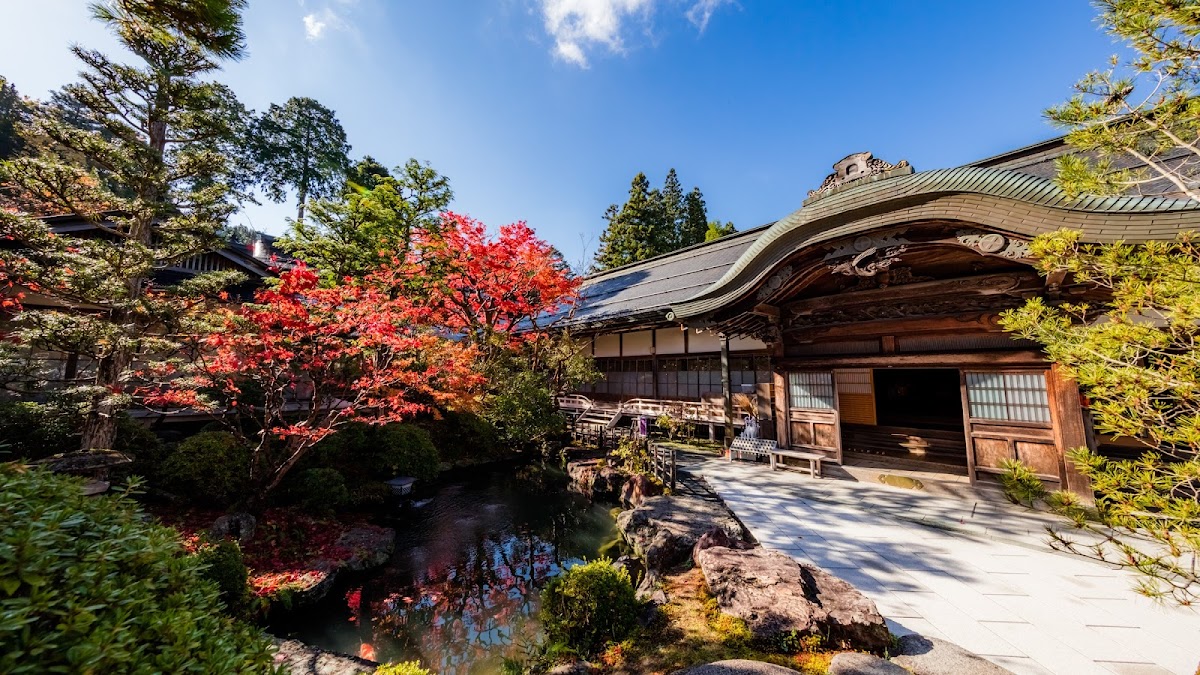
One of Koyasan's most welcoming temples for international visitors. Eko-in offers zazen meditation, morning prayers, sutra copying, and guided night tours of Okunoin cemetery. The shojin ryori is excellent, and the tatami rooms overlook a contemplative garden. The monks are experienced with non-Japanese guests and provide English-language meditation instruction. Rated 4.5 stars—remarkably high for a temple lodging. This is the ideal first temple stay.
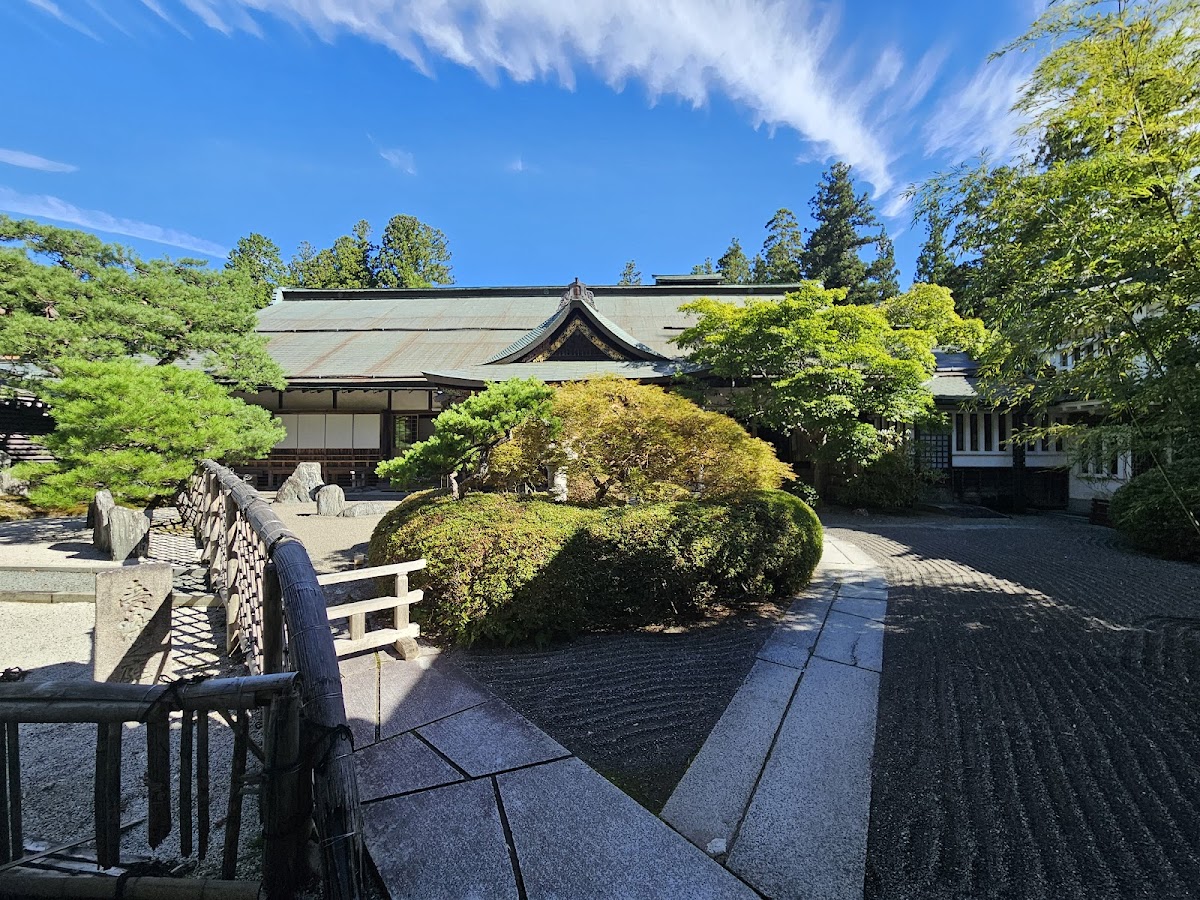
A more traditional temple lodging experience. Fukuchiin's morning prayer service in the candlelit main hall is particularly atmospheric, with chanting that resonates through the ancient timber structure. The temple garden, attributed to the landscape painter Kano Tanyu, is designed for contemplation. The shojin ryori follows strict vegetarian Buddhist principles, and the overall atmosphere is more austere than Eko-in—closer to actual monastic life.
Kyoto — Zen Temple Meditation
Kyoto is the heart of Zen Buddhism in Japan, home to the great Rinzai and Soto Zen temple complexes. Several temples offer meditation experiences ranging from single sessions to multi-day retreats.
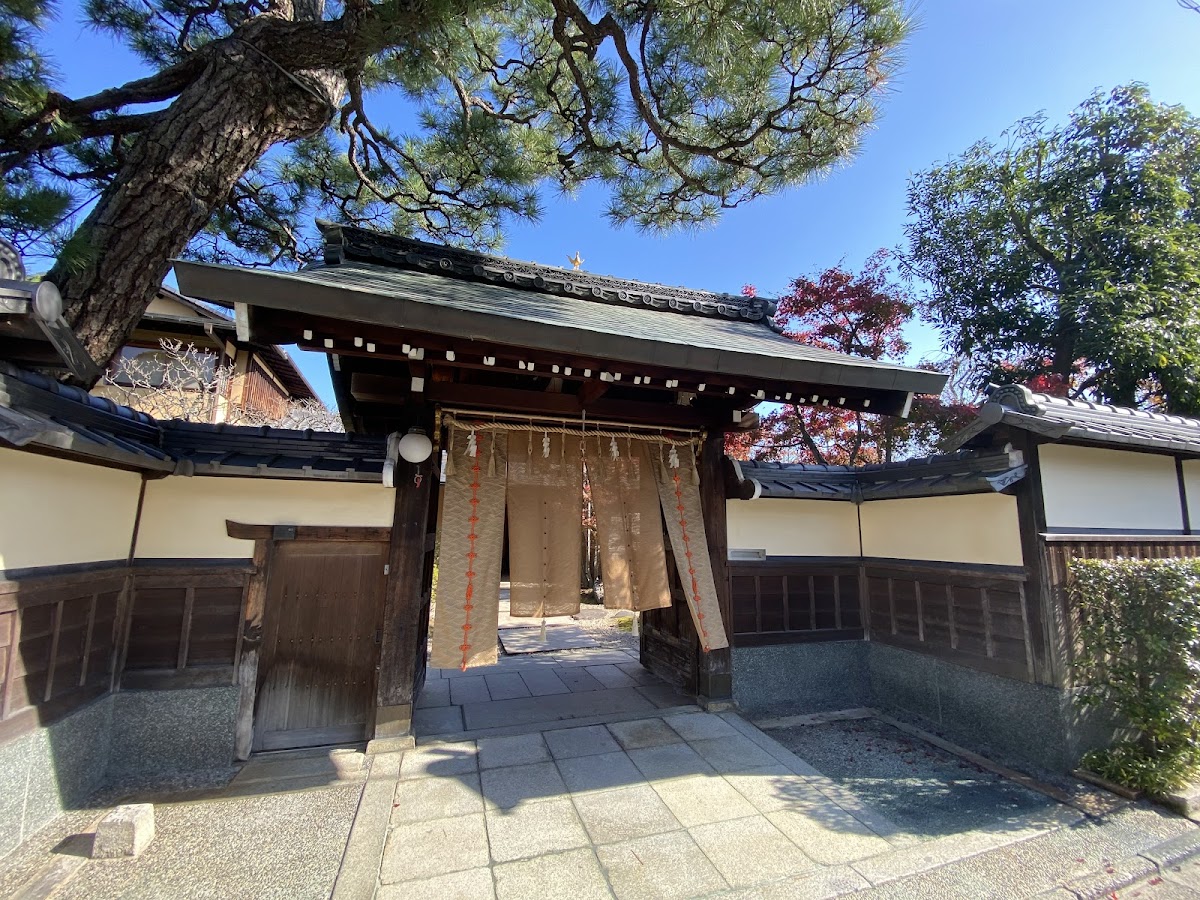
A 4.7-star ryokan in the Higashiyama district, near some of Kyoto's most important Zen temples (Nanzenji, Eikando, Tofukuji). The property itself cultivates a meditative atmosphere, and its proximity to temple morning meditation sessions makes it an ideal base for a Kyoto meditation-focused stay. The garden views from the tatami rooms support the contemplative mood.
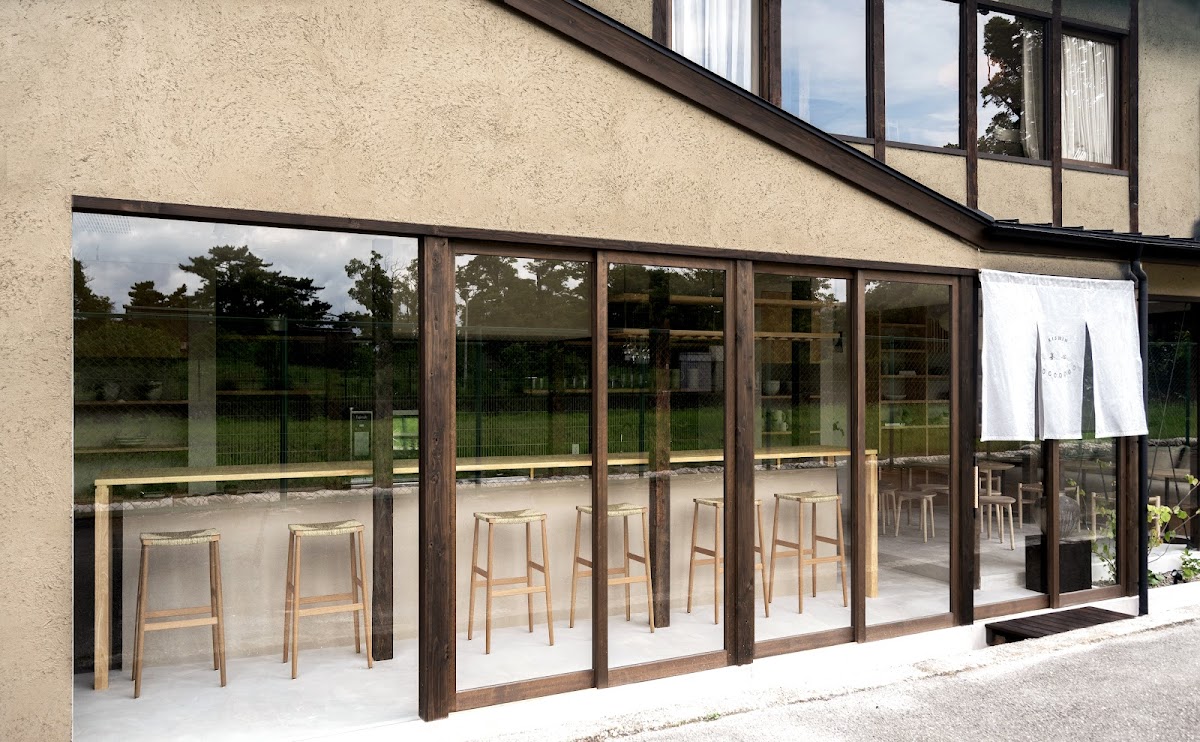
Rated an exceptional 4.9 stars, Maana Kiyomizu is designed around the concept of mindful travel. The property integrates wellness practices—meditation, yoga, mindful eating—with traditional Kyoto cultural experiences. Its location in Higashiyama provides walking access to temples, gardens, and the atmospheric streets of eastern Kyoto. The design intentionally creates spaces for stillness and reflection.
Forest Sanctuaries and Mindful Nature Stays
Set within the ancient forest of Nara Park, where deer wander freely among 1,300-year-old temples. The forest here has been sacred since before written records, and the atmosphere is palpably different from commercial forestland. Fufu Nara's design integrates the forest into every room, and the stillness of the park—particularly at dawn and dusk when the tourists have gone—provides a natural meditation setting. The spiritual history of the forest deepens the experience beyond simple nature immersion.
A 4.7-star ryokan in Hakone's mountain forests where the combination of private onsen bathing, forest views, and deliberate architectural stillness creates an inherently meditative environment. The private baths allow unhurried soaking in volcanic mineral water while overlooking ancient forest. Japanese aesthetics emphasize ma (間)—the meaningful use of empty space—and Gora Hanaougi embodies this principle in its design.
The Shuzenji onsen town has deep Zen connections—it was founded by the monk Kobo Daishi, and the temple at its center still hosts meditation sessions. This detached-room ryokan in the forested outskirts provides private, contemplative spaces surrounded by nature. The combination of Zen temple access, forest walking paths, and onsen bathing makes Shuzenji a natural meditation retreat destination within easy reach of Tokyo.
Near Izumo Taisha, one of Japan's oldest and most spiritually significant shrines, this ryokan sits in the San'in region where the spiritual landscape feels particularly concentrated. The area's mythology-rich atmosphere and the shrine's powerful presence create a natural setting for contemplative travel. The ryokan's onsen and quiet design complement the spiritual weight of the surroundings.
Onsen as Meditation: The Hot Spring Contemplative Tradition
The Japanese onsen experience, when approached with intention, is functionally a meditation practice. The process follows a structure similar to formal meditation: you prepare (washing), you enter a focused state (immersion in hot water), you sustain attention (sitting in stillness), and you emerge transformed (the post-bath state of profound relaxation).
Properties that particularly support this meditative approach to bathing:
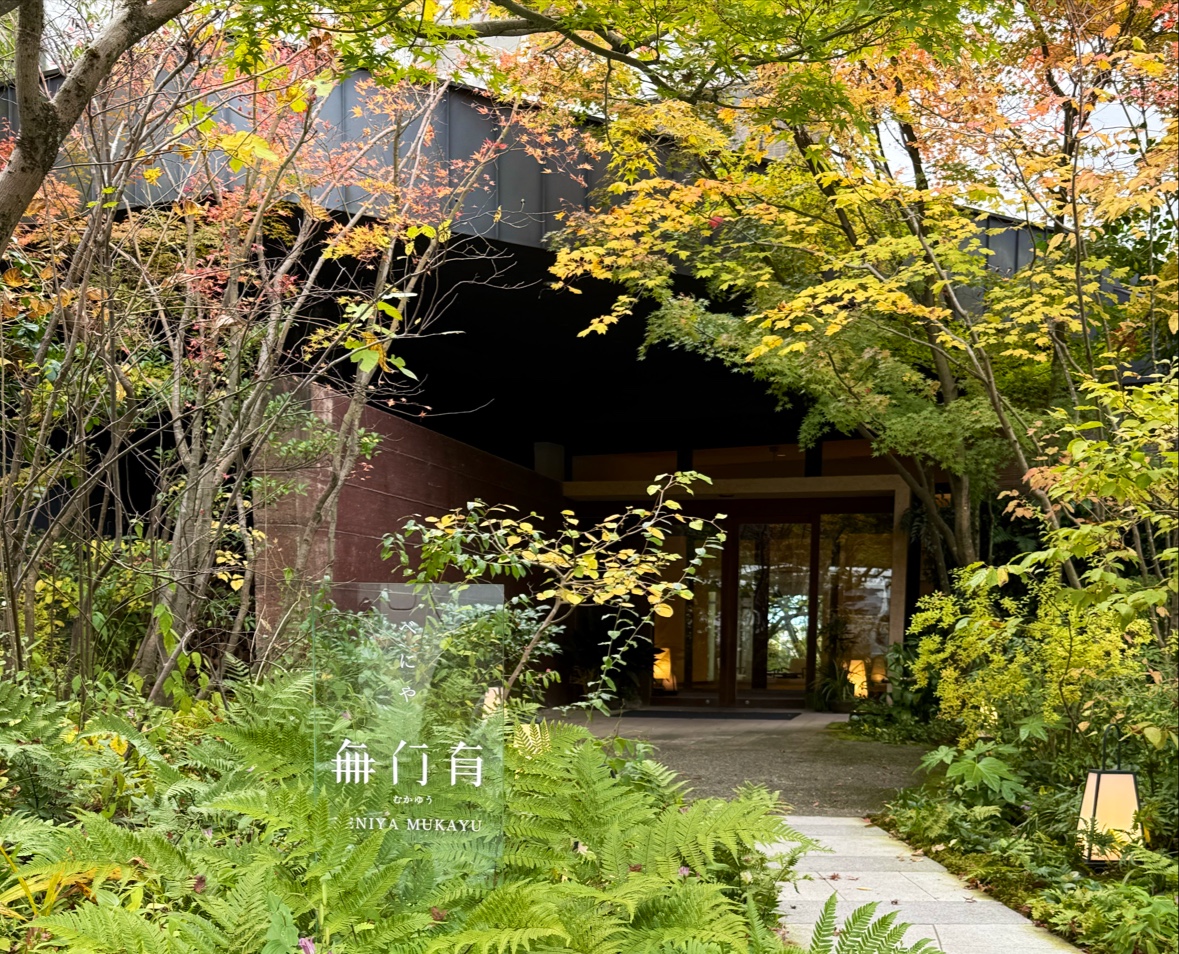
The name Mukayu (無何有) comes from the Taoist concept of "nothingness"—a state of being where unnecessary things have been removed. This philosophy pervades the entire property, from the minimalist room design to the approach to bathing and dining. Private onsen baths in every room allow unhurried, meditative soaking. The deliberate emptiness of the spaces creates room for contemplation. Rated 4.5 stars and the benchmark for contemplative luxury in Japan.
A Zen-influenced ryokan in Awara Onsen where the bathing experience is designed as a contemplative journey. Private onsen baths and spaces designed for stillness reflect Fukui's deep Zen heritage—the region is home to Eiheiji, one of the two head temples of Soto Zen Buddhism. The proximity to Eiheiji makes it possible to combine formal Zen practice at the temple with contemplative onsen bathing at the ryokan.
Planning a Meditation Retreat Itinerary
3-Day Introduction
- Day 1: Arrive Mount Koya. Temple stay at Eko-in. Evening meditation, sutra copying, shojin ryori dinner.
- Day 2: Morning prayers and zazen at 6 AM. Walk through Okunoin cemetery. Afternoon free for temple garden contemplation. Second night at temple.
- Day 3: Final morning meditation. Depart Koya for Kumano or onsen destination for contemplative onsen experience.
5-Day Deep Practice
- Days 1-2: Mount Koya temple stay with daily zazen and prayers.
- Day 3: Kumano Kodo pilgrimage trail walking. Stay at Oyado The Earth.
- Days 4-5: Kyoto Zen temples. Stay at Maana Kiyomizu. Morning meditation at Nanzenji or Tofukuji. Garden contemplation at Ryoanji and Daitokuji.
Practical Tips for Meditation Retreat Travelers
- Bring loose, dark clothing. Temple meditation sessions expect modest, dark-colored clothing. Yoga-style clothing works well. Temples provide yukata for sleeping.
- Prepare for early mornings. Temple morning services start at 6:00 AM or earlier. The early start is part of the practice—monastic life follows the dawn.
- Respect the silence. Many temple areas maintain noble silence during certain hours. Phones should be on silent mode throughout your stay.
- Bring a cushion supplement if needed. Zazen involves sitting on a zafu (round cushion). If you have knee or hip issues, bring a small supplementary cushion. Most temples also offer chair options.
- Communicate dietary needs early. Shojin ryori is vegetarian by definition, but if you have additional allergies or restrictions, inform the temple when booking.
- Lower expectations about "achieving" something. Zen practice is not goal-oriented. You sit. You breathe. You notice. That is the entire practice.
Frequently Asked Questions
Yes. Options include Zen temple stays (shukubo) on Mount Koya and in Kyoto, forest retreats focused on mindfulness, and contemplative ryokan where onsen bathing becomes meditative practice. Over 50 temples on Mount Koya alone offer overnight meditation experiences.
Temple lodging where you stay overnight, eat Buddhist vegetarian cuisine (shojin ryori), and participate in morning prayers and zazen meditation. Eko-in and Fukuchiin on Mount Koya are among the best for international visitors.
No. Temple stays welcome beginners and provide instruction in basic zazen technique. Sessions are typically 20-40 minutes. Monks guide the practice and explain what to do. Some temples offer English-language instruction.
Buddhist vegetarian cuisine that avoids all meat, fish, and pungent vegetables. Developed in Zen monasteries using seasonal vegetables, tofu, and mountain herbs. The multi-course meals are prepared and eaten mindfully as a form of spiritual practice.
Temple stays cost $80-200 per person per night with meals and morning prayers. Some Zen temples offer free meditation sessions. Wellness retreats at luxury properties like Maana Kiyomizu cost $200-500+ per night.
For related experiences, see our onsen ryokan guide and forest hotels in Japan. Interested in pilgrimage hiking? Read our hiking accommodation guide. For wellness-oriented stays, check eco lodges in Japan. Or browse all properties on our map.