If Japan has a capital of hot spring culture, many would vote for Noboribetsu. Tucked into the mountains of southwestern Hokkaido, this compact onsen resort town has earned a reputation unmatched anywhere in Japan: nine chemically distinct spring types flowing from a single volcanic source, world-class ryokan lined along one storied street, and the dramatic Jigokudani "hell valley" steaming theatrically at the edge of town. Noboribetsu does not offer subtlety. It delivers.
This guide covers the best places to stay, how to explore the volcanic landscape, and how to weave Noboribetsu into a broader Hokkaido itinerary.
The Nine Springs: What Makes Noboribetsu Extraordinary
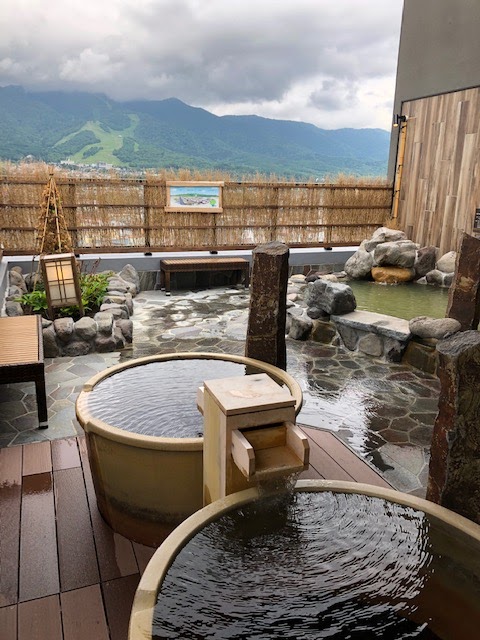
Most onsen towns draw from one or two spring sources. Noboribetsu draws from nine chemically distinct types, each with different mineral compositions and reputed therapeutic properties. Sulphur springs give the air its characteristic eggy bite; sodium chloride springs warm the body deeply and are excellent for circulation; iron springs tinge the water copper-orange; radium springs are said to stimulate the autonomic nervous system. The best large ryokan pipe multiple spring types into their bathhouses, allowing guests to rotate between them across an evening.
The sheer variety means that whatever your wellness goal — relieving joint pain, improving skin condition, managing fatigue — there is a spring in Noboribetsu calibrated to help. It is the onsen equivalent of a wine region with nine distinct terroirs, all within walking distance.
Jigokudani: Walking Through Hell Valley
No visit to Noboribetsu is complete without a walk through Jigokudani (地獄谷). This volcanic crater, a short walk uphill from the main ryokan street, is where the spring water originates: boiling, sulphur-laden water erupts from vents and fissures in the grey volcanic rock, filling the valley with perpetual clouds of steam. The landscape is lunar and spectacular. Boardwalks allow safe exploration of the active thermal zone, and the viewing platforms over Oyunuma pond — a roiling grey-blue thermal lake — are among the most dramatic natural sights in Hokkaido.
Visit at dusk if possible. As daylight fades, the steam catches the last light and the valley takes on an almost cinematic quality. On cold evenings in winter, the contrast between the frozen surroundings and the roiling earth below is unforgettable.
Top Ryokan in Noboribetsu
Bourou Noguchi Noboribetsu
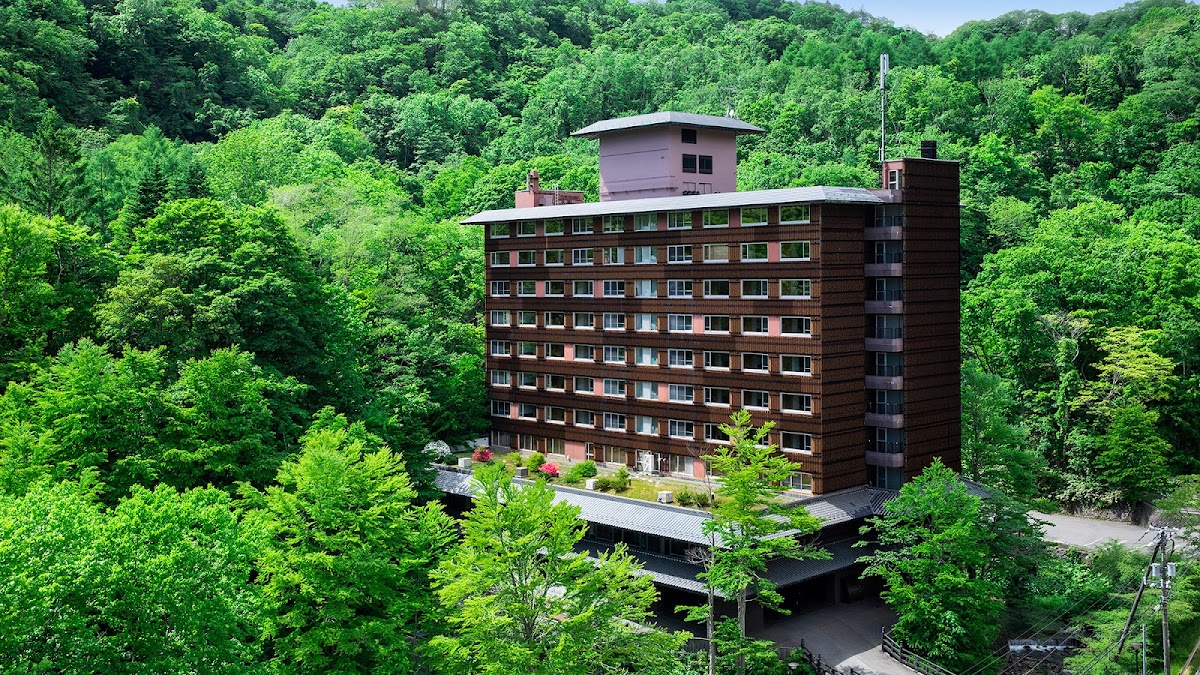
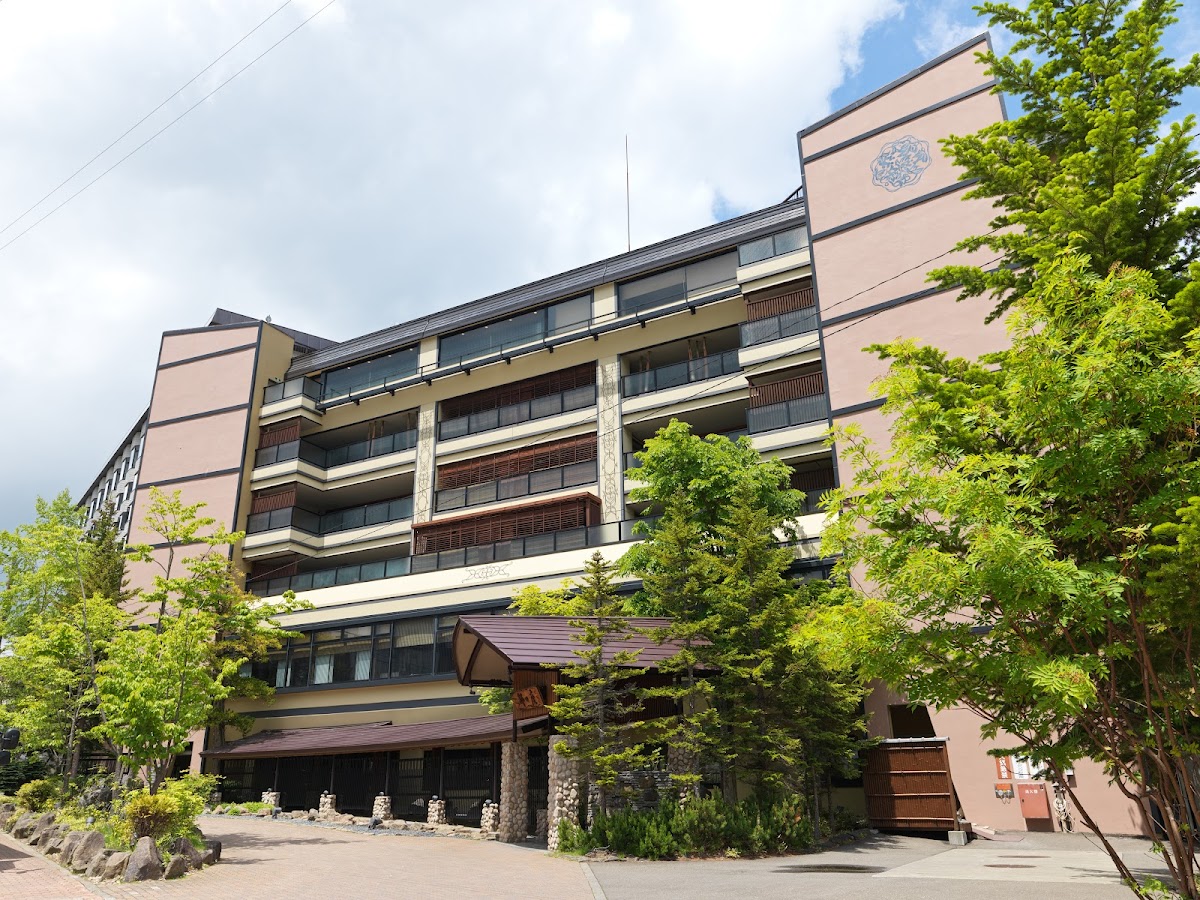
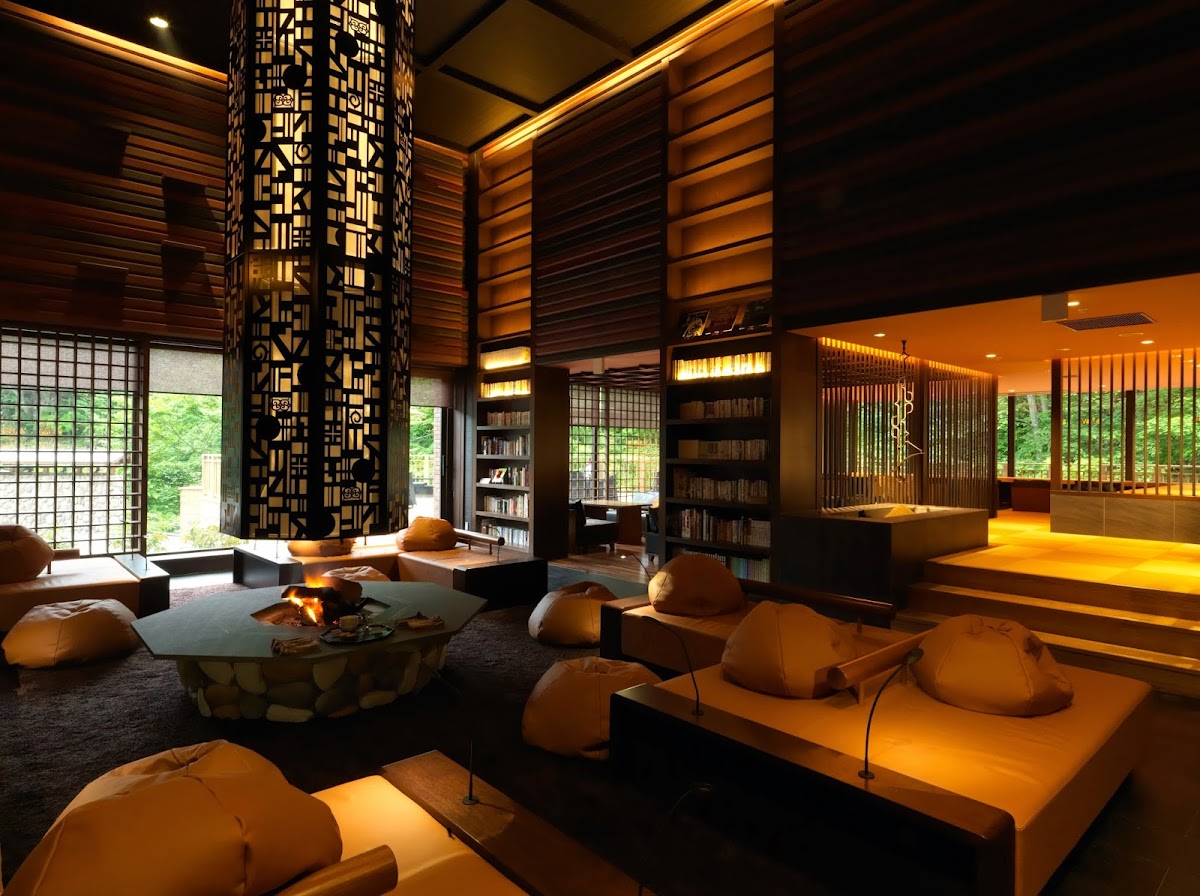
The finest address in Noboribetsu, Bourou Noguchi is a sophisticated ryokan that channels the volcanic drama of its surroundings into exceptional hospitality. The multi-level bathhouse pipes in several distinct spring types, the kaiseki menus showcase Hokkaido's extraordinary seafood and dairy, and the rooms — some with private open-air baths — have a calm elegance that contrasts beautifully with the wild landscape outside.
View Details →Extending Your Trip: Eastern Hokkaido Onsen
Noboribetsu pairs naturally with Hokkaido's other great onsen destinations. Heading east toward the Akan-Mashu National Park brings you into one of Japan's most dramatic wilderness regions, where volcanic lakes and Ainu cultural heritage combine with exceptional onsen ryokan.
Akan Tsuruga Besso Hinanoza
Set on the shores of Lake Akan in Hokkaido's far east, this intimate besso (annex inn) from the Tsuruga group offers a deeply private onsen experience with views across the lake to volcanic Mt. Oakandake. The property's cuisine draws heavily on Ainu culinary traditions — wild mountain vegetables, lake fish, venison — making it a culturally rich counterpoint to Noboribetsu's classic ryokan scene.
View Details →Niseko Konbu Onsen Tsuruga Besso Moku no Sho
For travelers combining Noboribetsu with Niseko's mountain and ski culture, Moku no Sho is the ideal base: a beautifully designed forest inn drawing on Konbu Onsen's sodium bicarbonate springs. The property's woodland setting, rooftop baths, and creative Hokkaido cuisine make it one of the region's most complete nature accommodation experiences.
View Details →Park Hyatt Niseko Hanazono
The Park Hyatt Niseko brings international luxury standards to Hokkaido's premier mountain resort. Combining world-class ski access in winter with alpine hiking and cycling in summer, this is the best full-service hotel in the Niseko region. For travelers who want Noboribetsu's onsen culture alongside Western amenities and active mountain pursuits, it completes a compelling Hokkaido double.
View Details →Planning Your Noboribetsu Itinerary
Two nights minimum is recommended for Noboribetsu itself — one evening arrival, a full day for Jigokudani and Oyunuma, a long bathhouse session in the evening, and a relaxed morning before departing. Most visitors combine it with Sapporo (1.5 hours by train), making it ideal as the opening or closing chapter of a Hokkaido trip. Seasonal highlights include the Noboribetsu Jigoku Festival in August (a vivid demon-themed street parade) and the snow-draped valley walks of January and February.
Frequently Asked Questions
Why is Noboribetsu called "hell valley"?
Jigokudani, meaning "hell valley," is a volcanic crater area just above the town where boiling water and steam pour from vents in the earth. The landscape — grey rocky slopes, sulphurous clouds, turquoise thermal pools — creates an otherworldly scene that inspired the name. A boardwalk lets visitors walk safely through the valley, especially dramatic at dusk.
How many types of hot spring water does Noboribetsu have?
Noboribetsu is famous for having nine distinct types of hot spring water within a single resort area. These include sulphur, sodium chloride, iron, alum, and radium springs, each with different mineral compositions. Many large ryokan pipe multiple spring types into their bathhouse, allowing guests to rotate between them.
How far is Noboribetsu from Sapporo?
Noboribetsu is approximately 90 minutes from Sapporo by limited express train, followed by a 15-minute bus ride to the onsen area. By car, the drive takes about 75 minutes. It makes an excellent overnight extension from Sapporo or a midpoint on a Hokkaido road trip.
What is the best season to visit Noboribetsu?
Noboribetsu is appealing year-round. Winter (December-March) is particularly magical: soaking in outdoor baths while snow falls is a quintessential Hokkaido experience. Autumn brings vivid foliage around Oyunuma pond. Summer offers lush green surroundings and cooler temperatures than mainland Japan.